
Hear from Our Customers
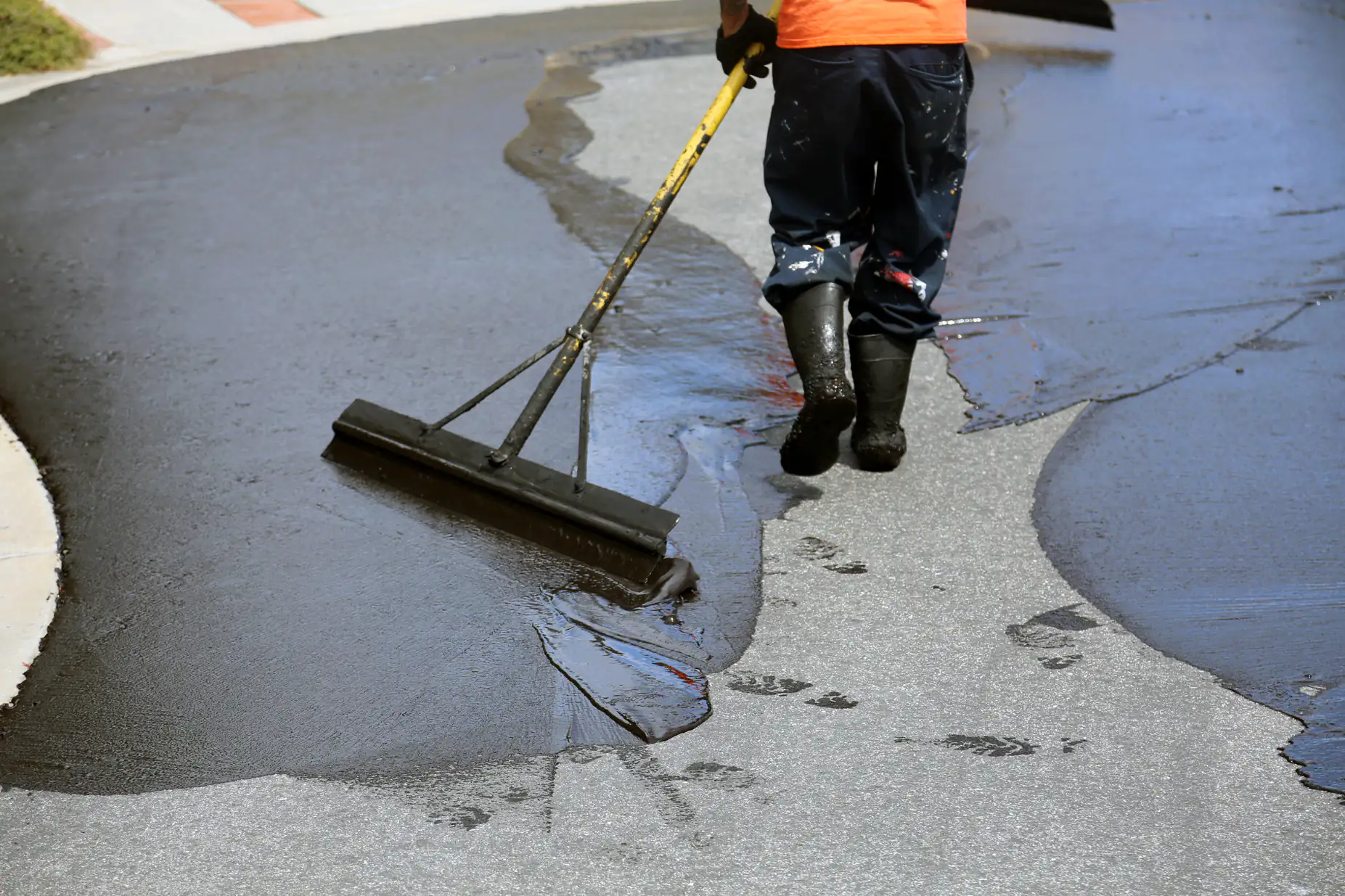
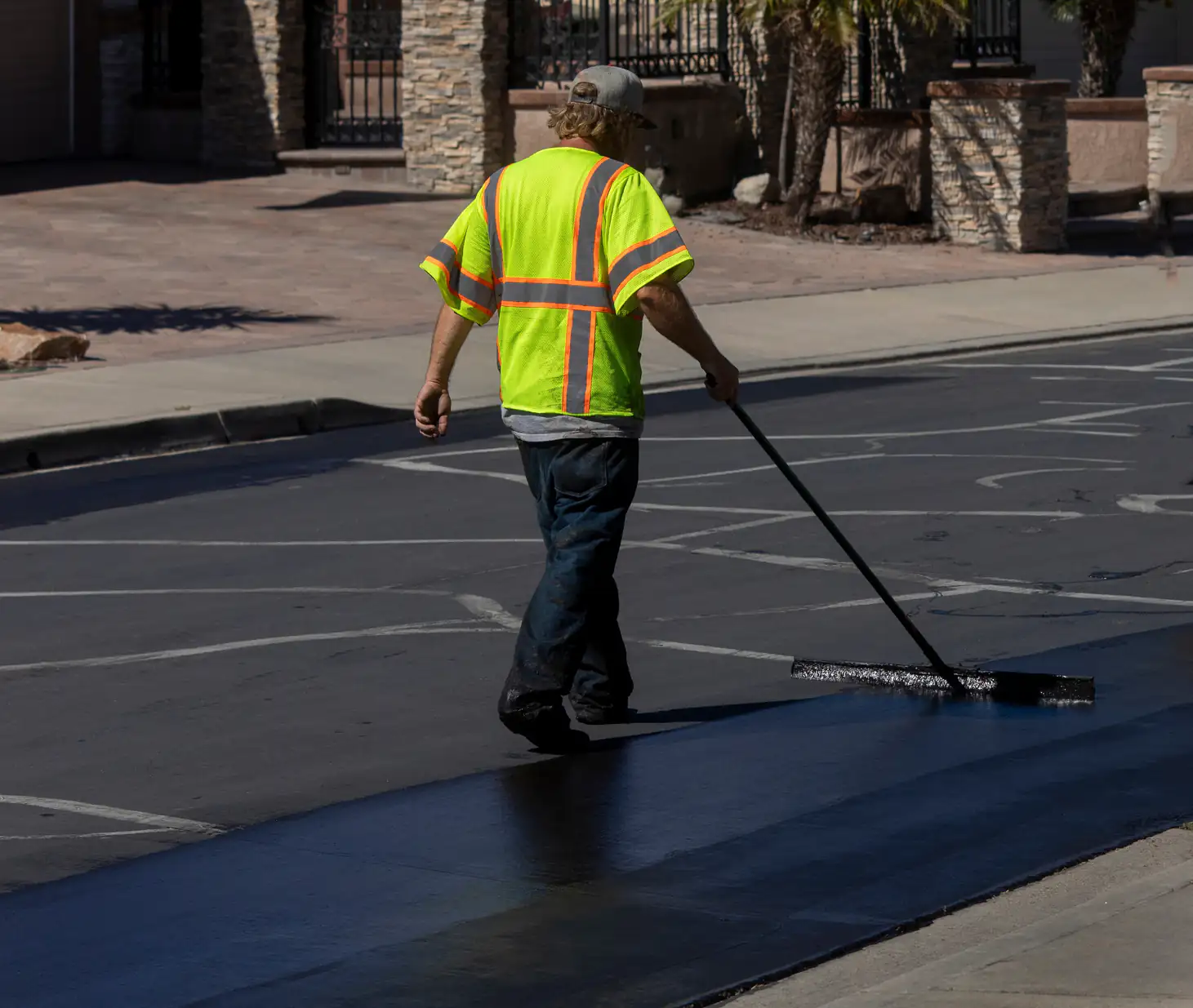
You’re not just making your driveway look darker. You’re adding years to its lifespan and keeping water out of places it shouldn’t be.
In Essex Fells, your driveway faces 40 to 50 freeze-thaw cycles every winter. Water seeps into small cracks, freezes, expands, and turns hairline damage into structural problems. By spring, you’re looking at potholes or worse.
Sealcoating creates a protective barrier against UV rays, road salt, oil stains, and moisture. Done right, it extends your driveway’s life from 15 years to 25 or more. That’s not marketing talk—that’s what happens when you prevent water infiltration before the damage starts.
You’ll also restore that clean black finish. But more importantly, you’re buying time. Time before you need to repave. Time before small cracks become expensive repairs.
We’ve spent over 20 years working in Morris, Sussex, and Somerset Counties. We know what New Jersey winters do to asphalt, and we know what works here versus what doesn’t.
Essex Fells has some of the highest property values in the state. Homes here average close to $1 million. You’re not looking for the cheapest option—you’re looking for someone who won’t cut corners and won’t leave you with a mess six months later.
We use commercial-grade sealers, not the stuff you find at big box stores. We power wash, fill cracks with hot rubberized filler, prime oil spots, and apply two coats minimum. Every job comes with a 2-year warranty and clear upfront pricing. No surprises. No runaround.
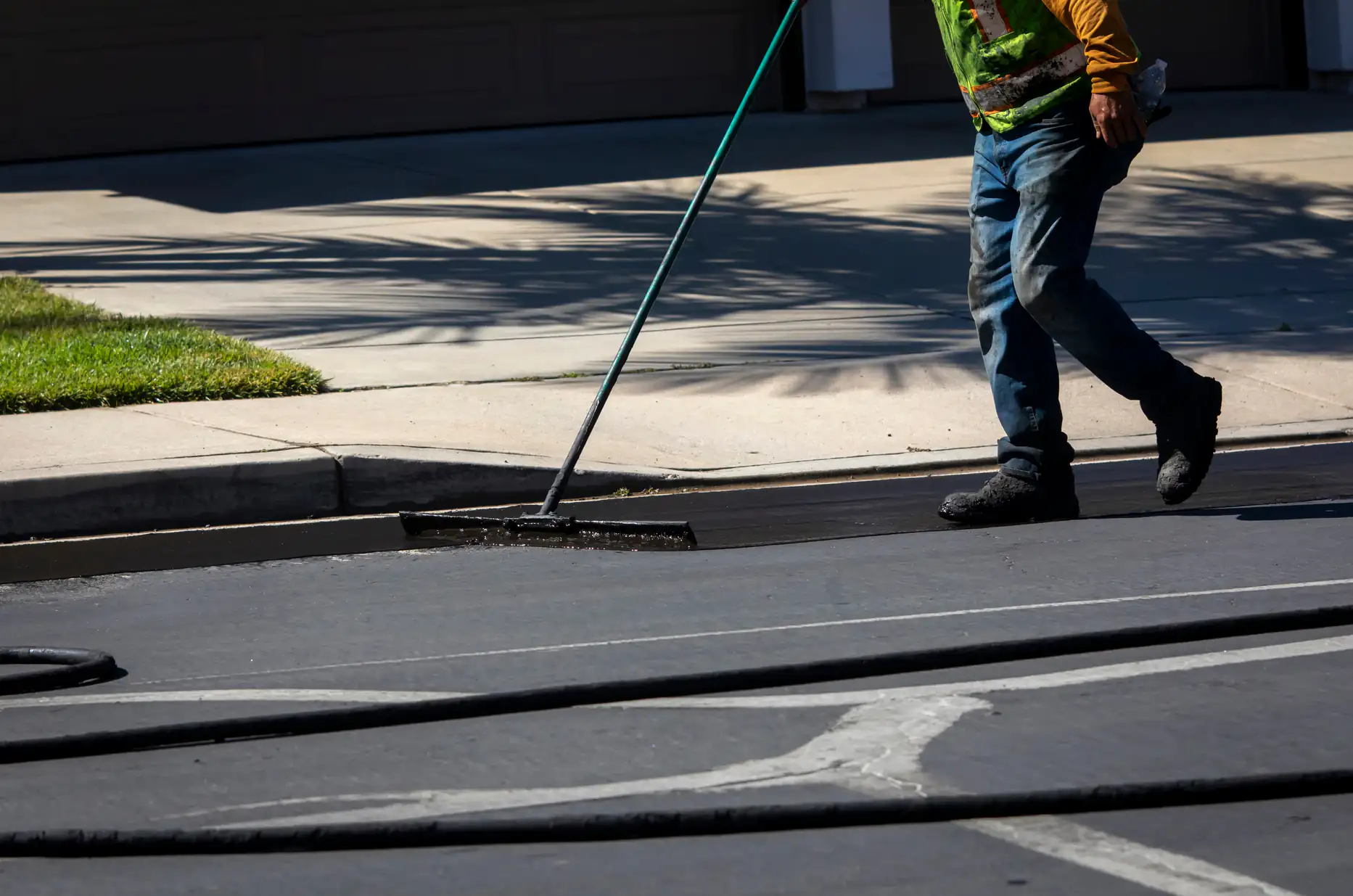
First, we power wash the entire surface. That removes dirt, debris, oil residue, and anything else that would prevent the sealer from bonding properly.
Next, we fill every crack—up to 50 linear feet per job. We use hot rubberized crack filler, not cold pour. It flexes with temperature changes and actually seals the crack instead of just covering it. If there are oil spots, we prime those separately so the sealer adheres.
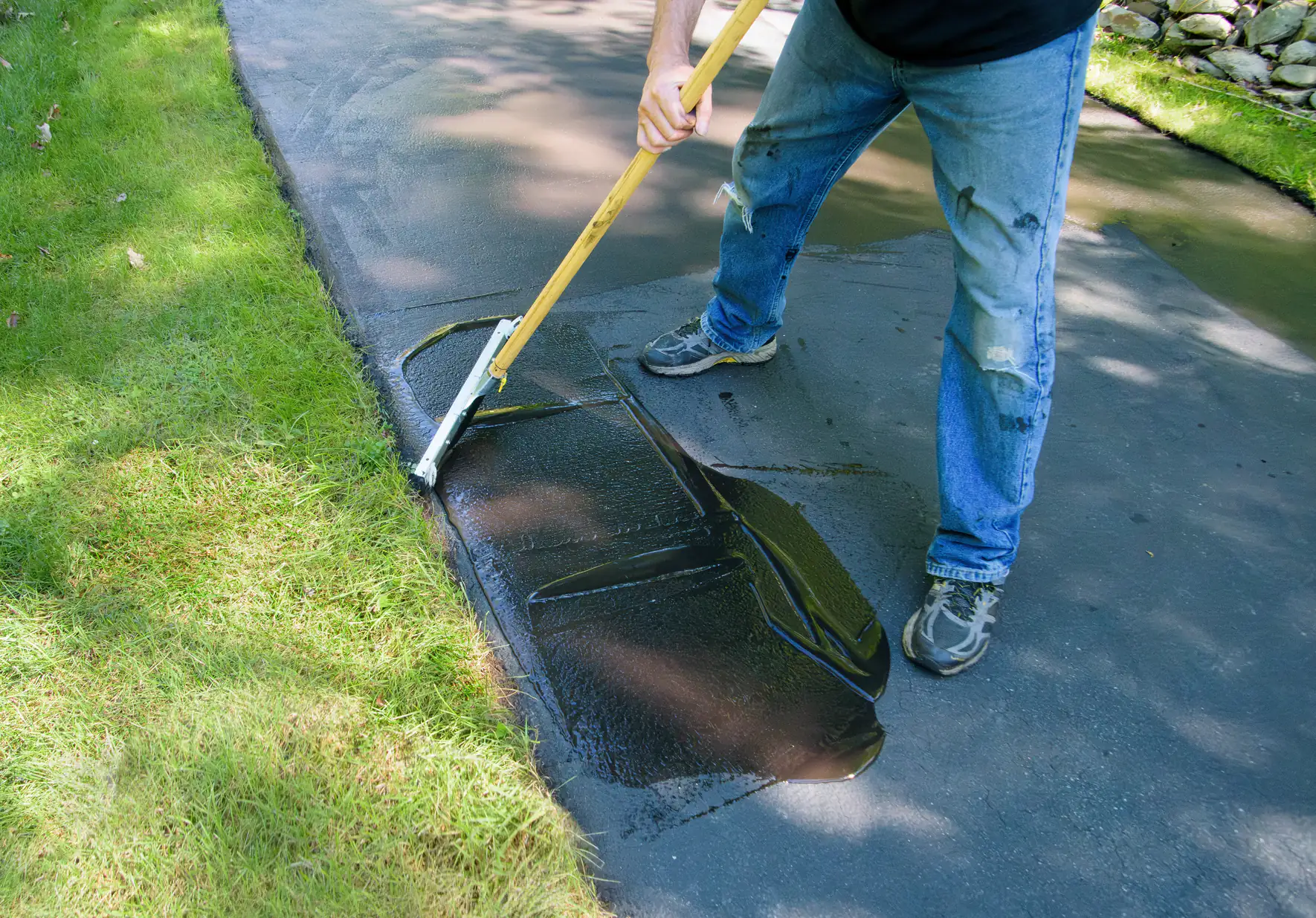
Then we apply two coats of commercial-grade sealer using professional spray equipment. We add sand for traction and edge everything by hand so it looks clean. The whole process takes one to two days depending on size and condition.
You’ll need to stay off the driveway for 24 to 48 hours while it cures. After that, it’s ready for normal use. We recommend resealing every two to three years to maintain protection, especially given how hard New Jersey winters are on asphalt.
Ready to get started?
Every sealcoating job includes power washing, crack filling, oil spot treatment, two coats of sealer, sand additive, and edge trimming. We don’t skip steps to save time.
In Essex Fells, most driveways run between 400 and 800 square feet. At $0.15 to $0.40 per square foot, you’re looking at $150 to $500 for a residential driveway depending on condition. That’s the going rate in New Jersey—about 15 to 20 percent higher than the national average because of the extra wear our climate puts on asphalt.
If your driveway hasn’t been sealed in five years, expect to be on the higher end of that range. More cracks mean more prep work. But that prep work is what makes the difference between a sealcoat that lasts three years and one that starts peeling after one winter.
We also offer asphalt repair if you’ve got deeper damage—potholes, sunken areas, edge crumbling. Sometimes sealing isn’t enough. We’ll tell you upfront if that’s the case. No point in sealing over structural problems.
Every two to three years is the standard recommendation for residential driveways in New Jersey. Some people stretch it to four years, but that’s pushing it—especially if your driveway gets full sun or heavy use.
New asphalt is different. You should wait six to twelve months after installation before sealing for the first time. The asphalt needs to cure and release oils. Seal too early and you trap moisture, which causes more problems than it solves.
If you’re not sure when it was last done, look at the surface. If it’s faded to gray, if you see small cracks forming, or if water isn’t beading up anymore, it’s time. Waiting too long means you’re repairing damage instead of preventing it, and that costs more.
Coal tar sealer is more durable and offers better protection against gas, oil, and salt. It also gives you that deep black finish and holds up better in freeze-thaw cycles. That’s why it’s the preferred choice in New Jersey.
Asphalt-based sealers are cheaper and more environmentally friendly, but they don’t last as long. They’re fine for driveways that don’t see much wear or exposure, but in a climate like ours, you’ll be resealing more often.
Some states have banned coal tar sealers due to environmental concerns. New Jersey hasn’t, and most professional contractors here still use it for residential driveways. If you have concerns, ask us what we’re using and why. We’ll explain the tradeoffs, not just sell you what’s easiest for us.
You can do it yourself, but the results usually aren’t the same. DIY sealers from home improvement stores are thinner and don’t include the additives that commercial-grade products have. They also don’t come with professional equipment—squeegees and brushes don’t apply sealer as evenly as spray systems.
The bigger issue is prep work. If you don’t power wash correctly, don’t fill cracks properly, or apply sealer over oil stains, it won’t bond. You’ll end up with peeling, streaking, or early failure. Then you’re either living with a bad job or paying someone to strip it and start over.
For a small driveway in perfect condition, DIY might save you a few hundred dollars. But for anything larger or older, hiring us makes more sense. You get better materials, proper equipment, a warranty, and you’re not spending your weekend doing physical labor in the heat.
Two coats of quality sealer should last three to four years on a residential driveway in Essex Fells. That assumes normal use—two cars, regular traffic, no heavy equipment or commercial vehicles.
New Jersey’s climate shortens the lifespan compared to warmer states. Freeze-thaw cycles, road salt, and UV exposure all break down the sealer faster. If your driveway faces south and gets full sun all day, expect closer to two to three years.
You’ll know it’s wearing out when the surface starts looking gray instead of black, when water stops beading, or when small cracks start appearing again. Don’t wait until it’s completely worn off. Resealing before it fails completely is easier and cheaper than dealing with the damage that happens once the protection is gone.
Late spring through early fall—May through September—is the ideal window. You need temperatures above 50 degrees during the day and overnight for the sealer to cure properly. You also need at least 24 hours without rain.
Most contractors book up in late summer and early fall because that’s when people realize winter is coming and their driveway isn’t ready. If you wait until October, you might not get on the schedule before it’s too cold.
Spring is actually a better time to call. The weather is warming up, we have more availability, and you’re getting ahead of the summer heat. Plus, you’re protecting your driveway before the next winter instead of reacting to damage from the last one. Sealing in June or July means your driveway is protected before the freeze-thaw cycle starts again in December.
No. Sealcoating protects the surface—it doesn’t repair structural damage. If you’ve got cracks wider than a quarter-inch or potholes, those need to be filled separately before sealing.
We include crack filling up to 50 linear feet in our sealcoating jobs, but that’s for smaller cracks. Anything deeper or wider requires hot asphalt patching or infrared repair. Potholes need to be cut out, filled, and compacted. You can’t just seal over them and expect it to hold.
If your driveway has serious damage—large sections of crumbling asphalt, sunken areas, or alligator cracking—you might be past the point where sealing makes sense. At that stage, you’re looking at resurfacing or full replacement. We’ll tell you that upfront instead of taking your money for a sealcoat that won’t solve the problem.