
Hear from Our Customers
Your driveway stops losing value. The cracks that would’ve appeared next winter don’t show up. Water can’t seep in, freeze, and push everything apart.
Lincoln Park sees 60-80 freeze-thaw cycles every winter. Water gets into tiny cracks, freezes overnight, expands by 9%, then thaws the next day. Each cycle pushes those cracks wider. Sealcoating creates a waterproof barrier that stops this process before it starts.
You also get that fresh, dark finish back. The sun’s UV rays fade asphalt to gray and dry it out, making it brittle. A proper sealcoat restores flexibility and brings back the rich black color that makes your property look maintained. Oil stains, gas drips, and chemical spills wipe off easier because the sealed surface doesn’t absorb them.
The real benefit shows up in your bank account. Most homeowners in Morris County pay $100-$400 for crack filling, $500-$2,000 for resurfacing, or $3,000-$10,000 for full replacement. Sealcoating every 2-3 years costs a fraction of that and keeps your driveway out of the emergency repair category.
We’ve been working in Morris County for over 20 years. We’re a third-generation contractor, which means we learned this trade from people who understood what New Jersey weather does to asphalt.
We’re not the cheapest option in Lincoln Park. That’s intentional. The contractors who undercut everyone use watered-down sealer or skip the prep work. You’ll get a driveway that looks okay for six months, then starts failing. We use commercial-grade, asphalt-emulsion sealants formulated for this climate, and we don’t rush the process.
You’ll get a callback within 24-48 hours when you request a quote. We show up when we say we will. The price we quote is the price you pay. No surprises, no upsells once we’re halfway through the job.
First, we inspect the surface. We’re looking for cracks, potholes, oil stains, and drainage issues. If there’s damage that needs repair before sealing, we’ll tell you upfront. Sealcoating over broken asphalt just hides the problem temporarily.
Next comes cleaning. We sweep, blow, and power wash the entire surface to remove dirt, debris, and loose material. Sealer won’t bond properly to a dirty driveway. We also edge along the borders so the application looks clean and professional, not sloppy.
Then we handle repairs. Cracks get filled with hot rubberized crack filler that flexes with temperature changes. Small potholes get patched. We’re not just covering things up—we’re fixing the foundation so the sealcoat actually works.
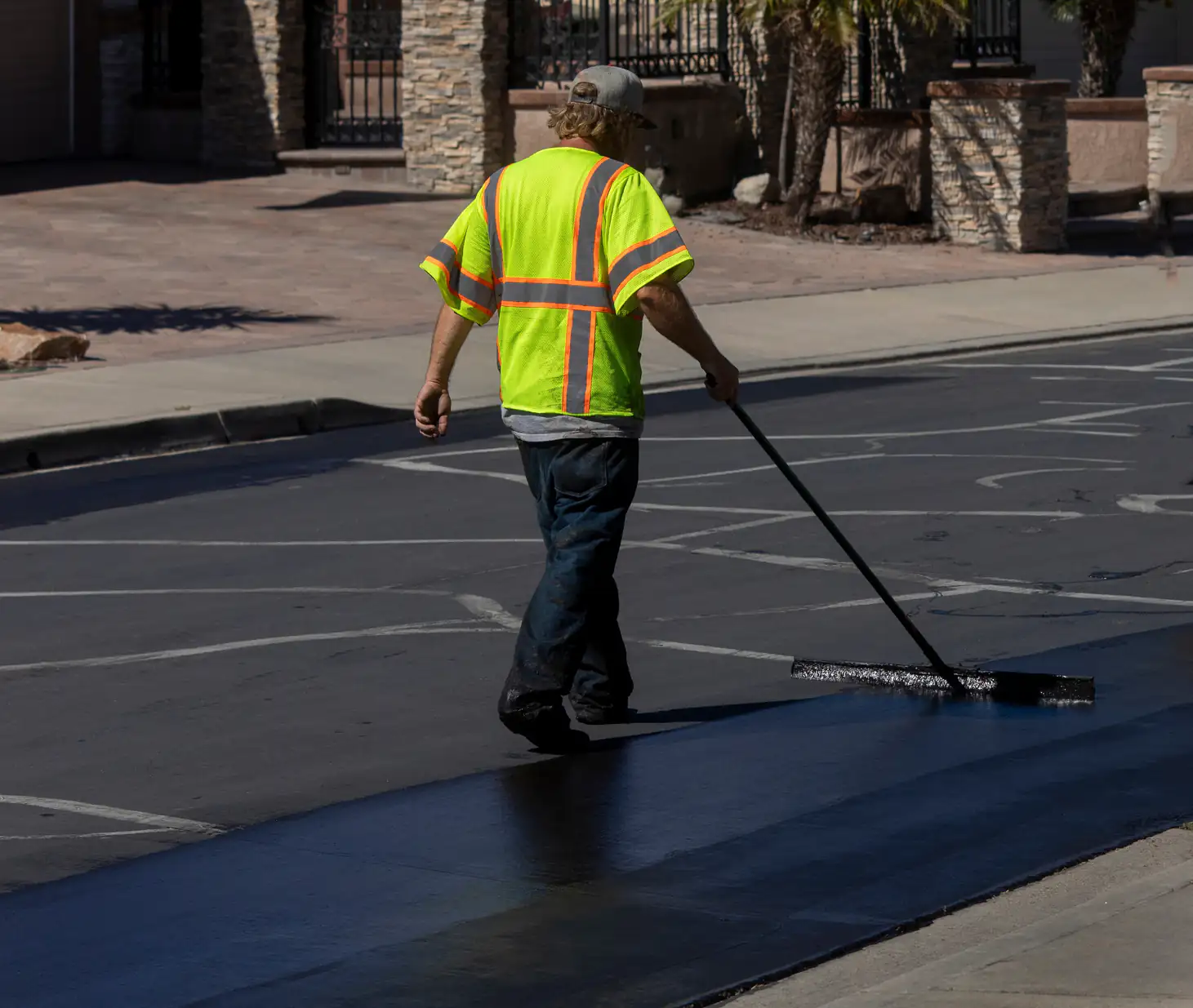
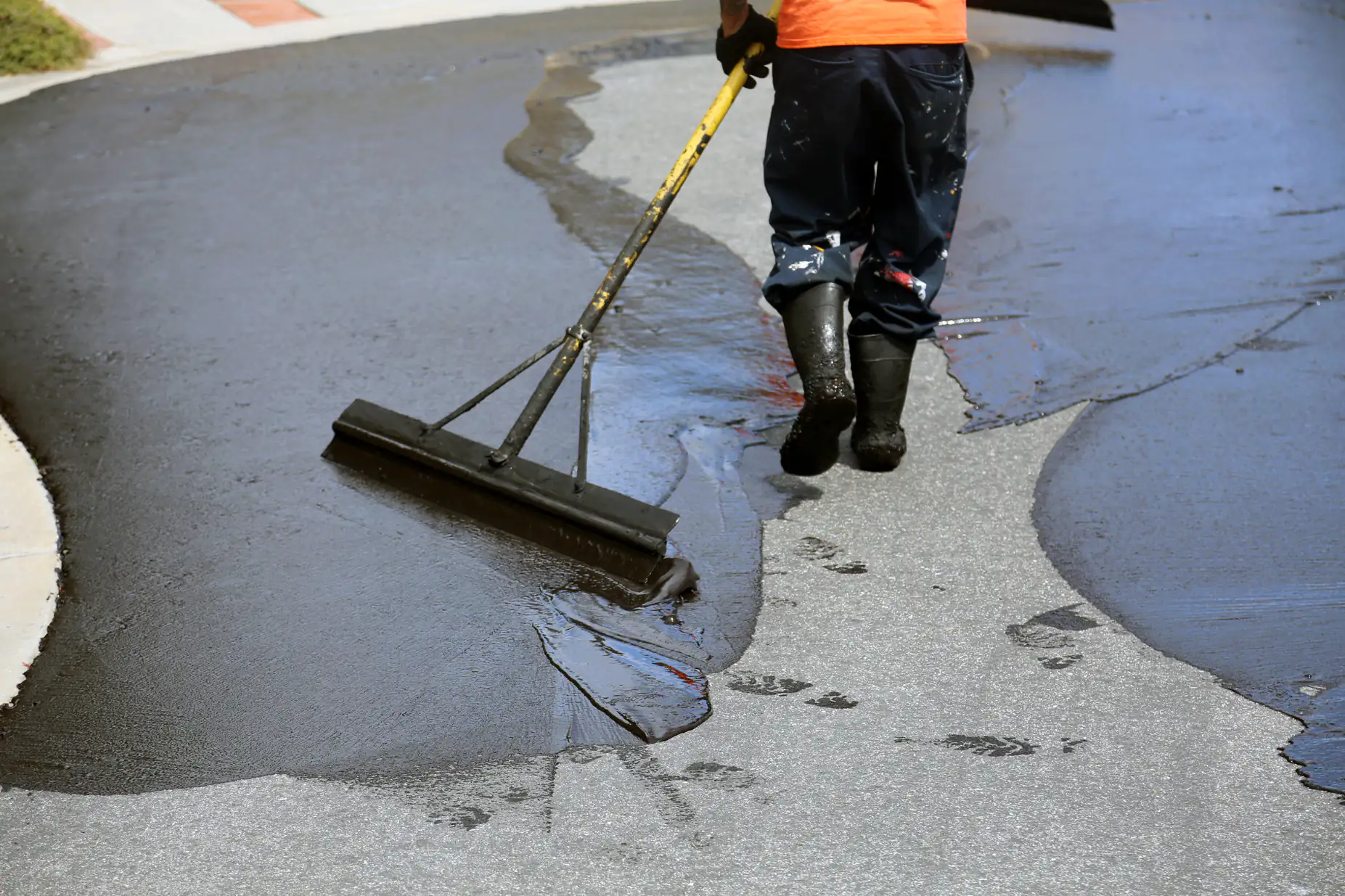
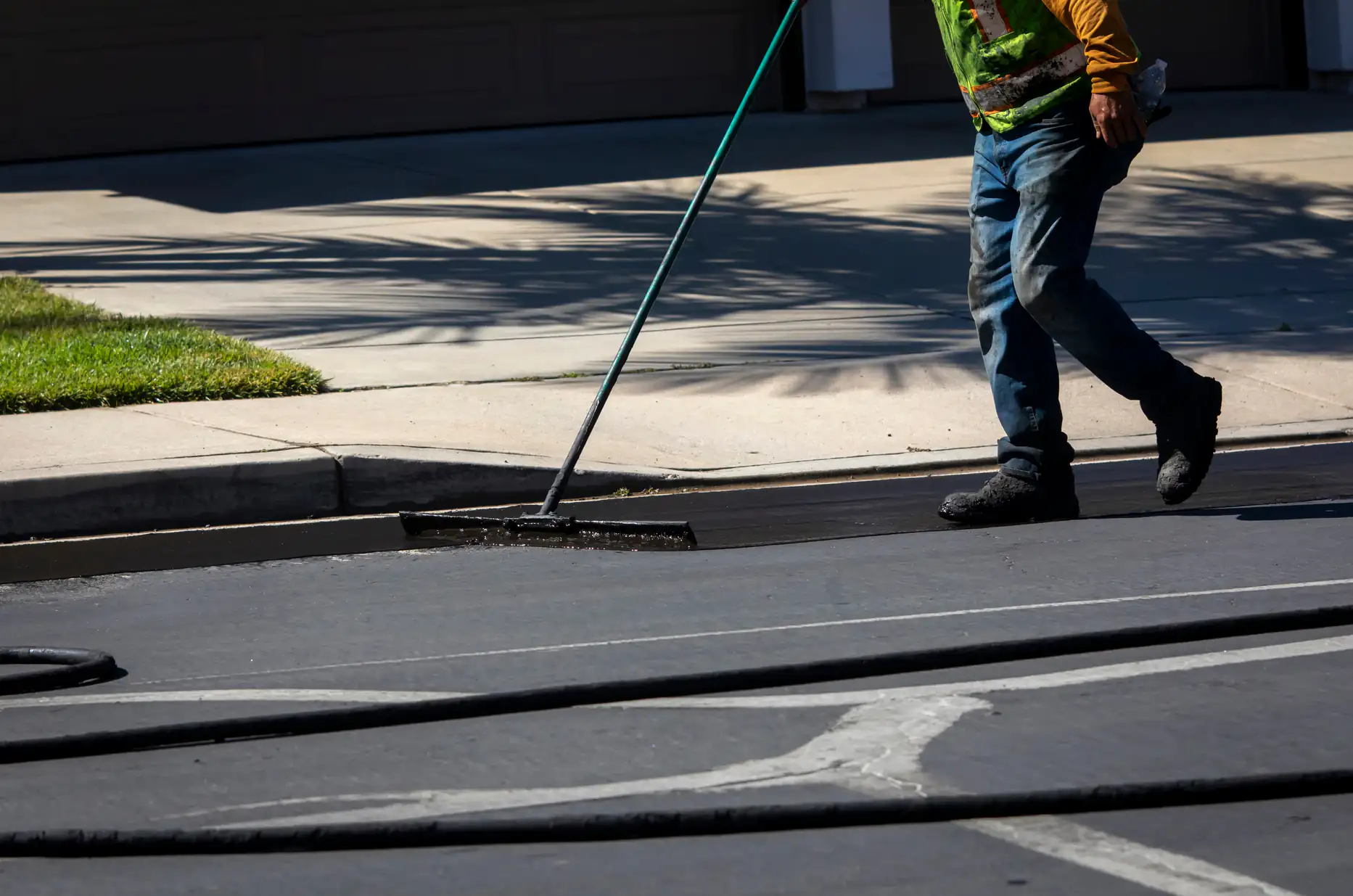
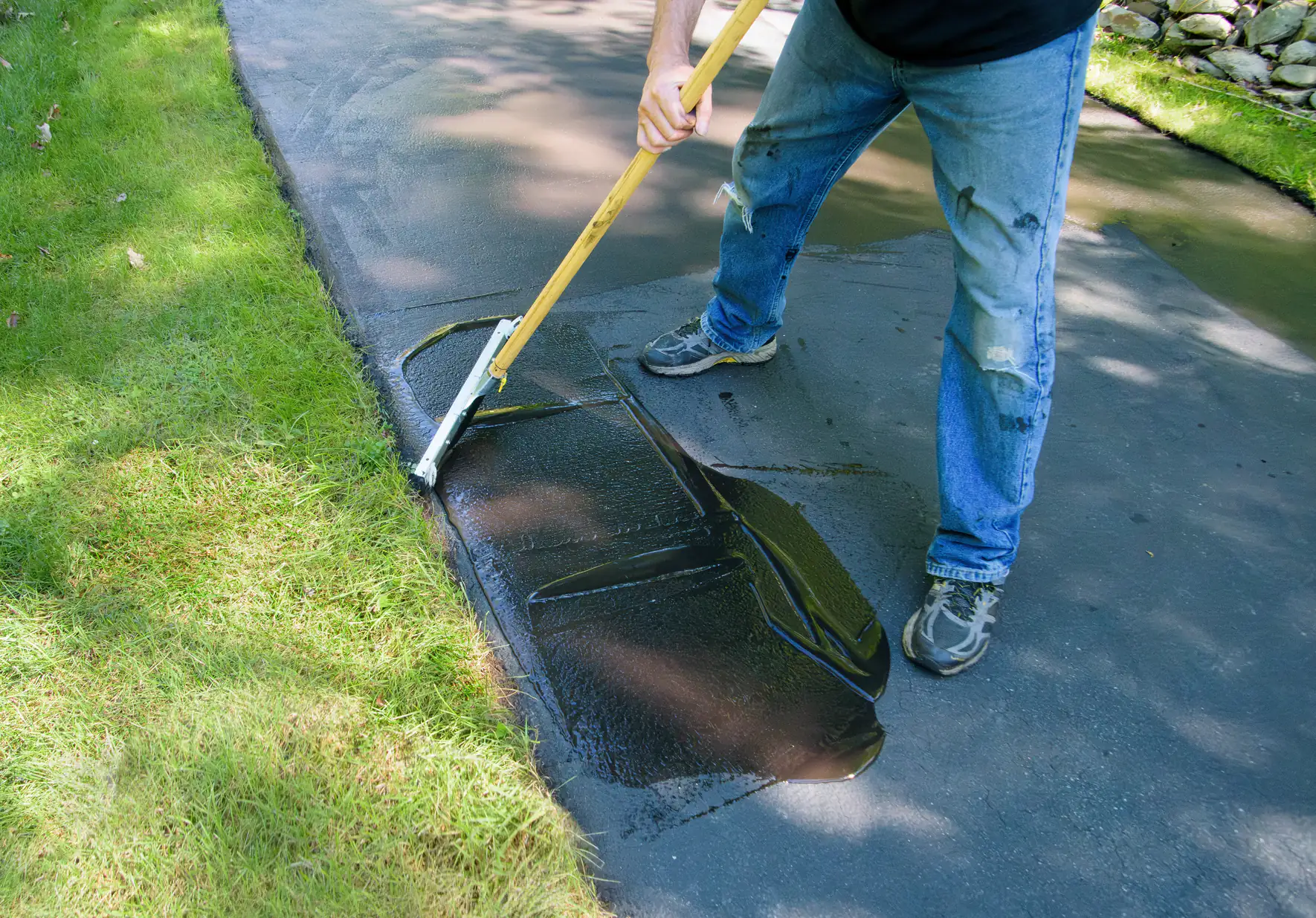
The sealcoating itself goes on in two even coats using commercial-grade equipment. We’re applying a coal tar or asphalt emulsion sealer that’s thick enough to protect but not so thick it peels. The edges stay crisp. The coverage is uniform. It takes 24-48 hours to cure, depending on temperature and humidity.
You’ll need to stay off the driveway during that curing period. After that, it’s ready for normal use. The surface will be darker, smoother, and protected against water, chemicals, and UV damage.
Ready to get started?
Every sealcoating job includes a full surface inspection, deep cleaning, crack repair, two coats of commercial-grade sealer, and clean edging. We don’t skip steps to finish faster.
Morris County’s climate is tough on asphalt. You’re dealing with hot, humid summers that soften the surface and brutal winters that crack it apart. The sealers we use are formulated for this specific environment. They’re not the same products you’d use in Arizona or Florida.
The cost of asphalt sealing in Lincoln Park typically runs $0.15-$0.40 per square foot for residential driveways. That’s higher than the national average because materials and labor cost more in North Jersey. A standard two-car driveway (around 600 square feet) usually falls between $90 and $240, depending on condition and prep work needed.
Timing matters. Spring and fall are ideal for sealcoating because temperatures are moderate and humidity is lower. We don’t seal driveways when it’s too hot, too cold, or when rain is in the forecast. The sealer needs proper conditions to cure correctly.
You should plan to reseal every 2-3 years. That schedule keeps the protective layer intact and prevents the kind of damage that leads to expensive repairs. Think of it like changing your oil—regular maintenance costs less than fixing an engine that seized up.
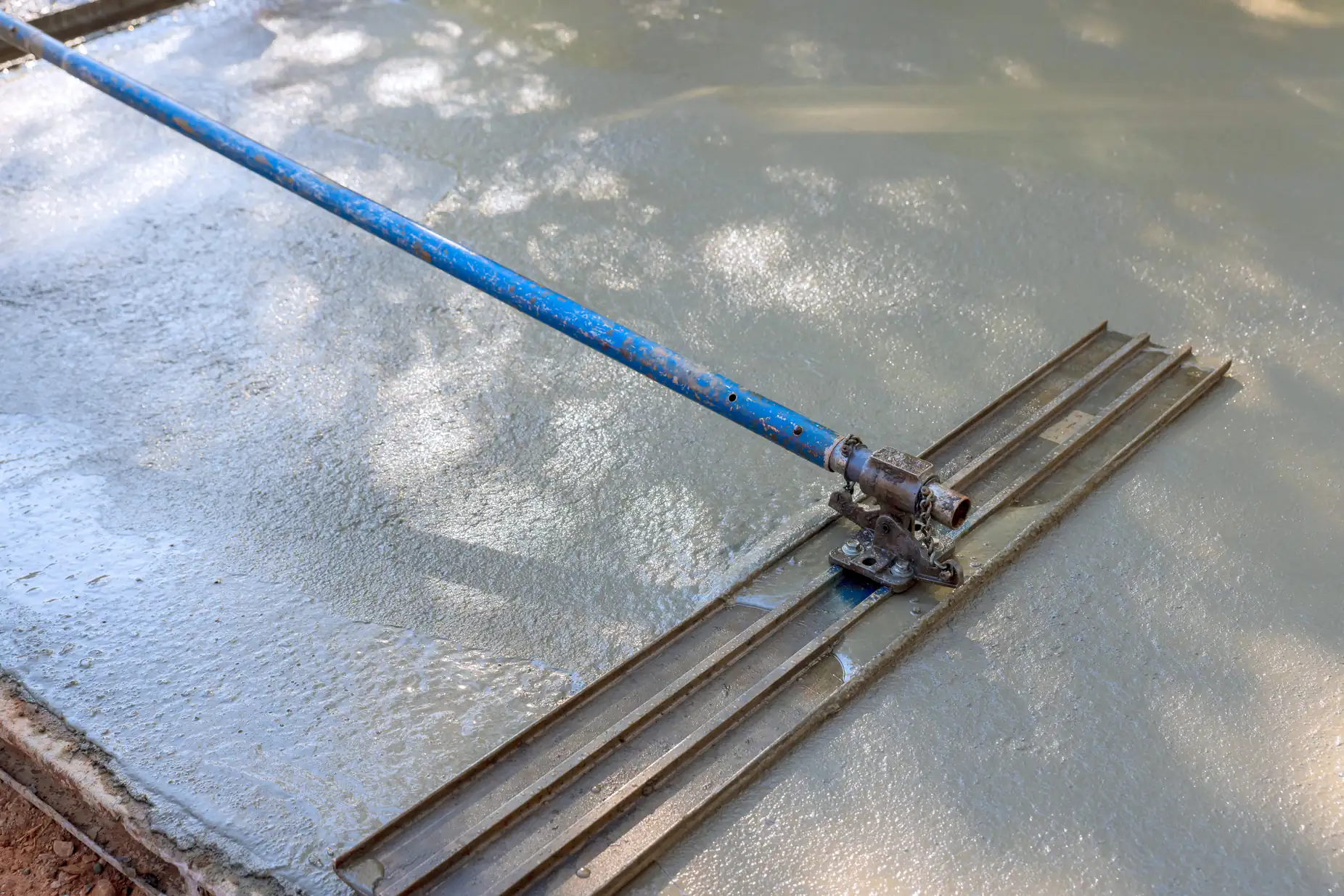
A properly applied sealcoat lasts 2-3 years in Morris County. That timeframe accounts for New Jersey’s harsh freeze-thaw cycles, UV exposure, and normal wear from vehicles.
The lifespan depends on a few factors. Traffic volume matters—a driveway with multiple cars coming and going daily wears faster than one with light use. Weather exposure plays a role too. Driveways in full sun fade quicker because UV rays break down the sealer.
Quality of application is the biggest factor. If the contractor skips the cleaning, uses diluted sealer, or applies it too thin, you might only get 12-18 months. When it’s done right with commercial-grade materials and proper prep, you’ll get the full 2-3 years before needing another coat.
Sealcoating protects the existing asphalt surface. Repaving means tearing out the old asphalt and installing a completely new layer. They solve different problems.
Sealcoating works when your driveway is structurally sound but showing signs of wear—minor cracks, fading, surface deterioration. It’s preventive maintenance that costs $90-$240 for an average driveway. Repaving is for driveways with major damage—large cracks, potholes, base failure, drainage issues. That runs $3,000-$10,000 depending on size.
If you’re asking which one you need, here’s the test: Can you drive on it without dodging holes? Are the cracks smaller than a quarter-inch? Is the surface mostly intact? Then sealcoating will extend its life. If the answer to any of those is no, you’re probably looking at repaving or resurfacing.
You can buy sealer at a home improvement store and do it yourself. Whether you should depends on how much you value your time and what result you’re expecting.
DIY sealcoating costs less upfront—maybe $50-$100 in materials for a small driveway. But the sealer you’re getting is lower grade than what we use. It’s thinner, doesn’t last as long, and doesn’t protect as well. You’ll also need to rent or buy equipment, spend a full day on prep and application, and hope the weather cooperates.
Professional sealcoating uses commercial-grade materials that are 3-4 times thicker than retail products. We have the equipment to apply it evenly and the experience to spot problems before they become expensive. The job takes us a few hours instead of your entire weekend. If your driveway is already showing damage or you want it to last, hiring us makes more sense.
Late spring through early fall—specifically May through September—gives you the best conditions for sealcoating in Lincoln Park. You need temperatures above 50°F at night and no rain in the forecast for 24-48 hours.
Sealer cures through evaporation. If it’s too cold, the water in the emulsion won’t evaporate properly and the sealer won’t harden correctly. If it’s too hot (above 90°F), it can dry too fast and not bond well to the asphalt. Rain within the first 24 hours will wash away sealer that hasn’t cured yet.
Spring is busy because everyone’s thinking about home maintenance after winter. Fall works well too because temperatures are moderate and there’s less humidity. We don’t recommend sealing in late fall if there’s a chance of early frost, and we definitely don’t seal in winter. If you’re planning to get it done, reach out in April or August when our schedules are more flexible.
Most residential driveways in Lincoln Park cost between $90 and $400 to seal, depending on size and condition. The price breaks down to about $0.15-$0.40 per square foot.
A standard two-car driveway (roughly 600 square feet) usually runs $90-$240. Larger driveways or those needing significant crack repair will cost more. If your driveway has oil stains that need special treatment or requires patching before sealing, expect to add $100-$300 to the base price.
North Jersey prices run 15-25% higher than the national average because labor and materials cost more here. Contractors who quote significantly below these ranges are either cutting corners on materials, skipping prep work, or applying sealer too thin. That might save you money now, but you’ll be resealing again in 12 months instead of 2-3 years. The math doesn’t work out in your favor.
No. Sealcoating protects the surface—it doesn’t repair structural damage. Cracks and potholes need to be fixed before you apply sealer, or you’re just covering up problems that will get worse.
Here’s what happens if you seal over damage: the crack is still there underneath, water still gets in, and the freeze-thaw cycle keeps working. The sealer might hide it visually for a few months, but the crack will reappear and continue spreading. You’ve wasted money on sealcoating that won’t last.
The right process is to fill cracks with hot rubberized filler and patch potholes with new asphalt before sealcoating. That gives you a solid foundation. Then the sealcoat does its job—protecting that repaired surface from future damage. If a contractor tells you sealcoating will fix your cracks, find a different contractor. That’s either dishonest or incompetent.