
Hear from Our Customers
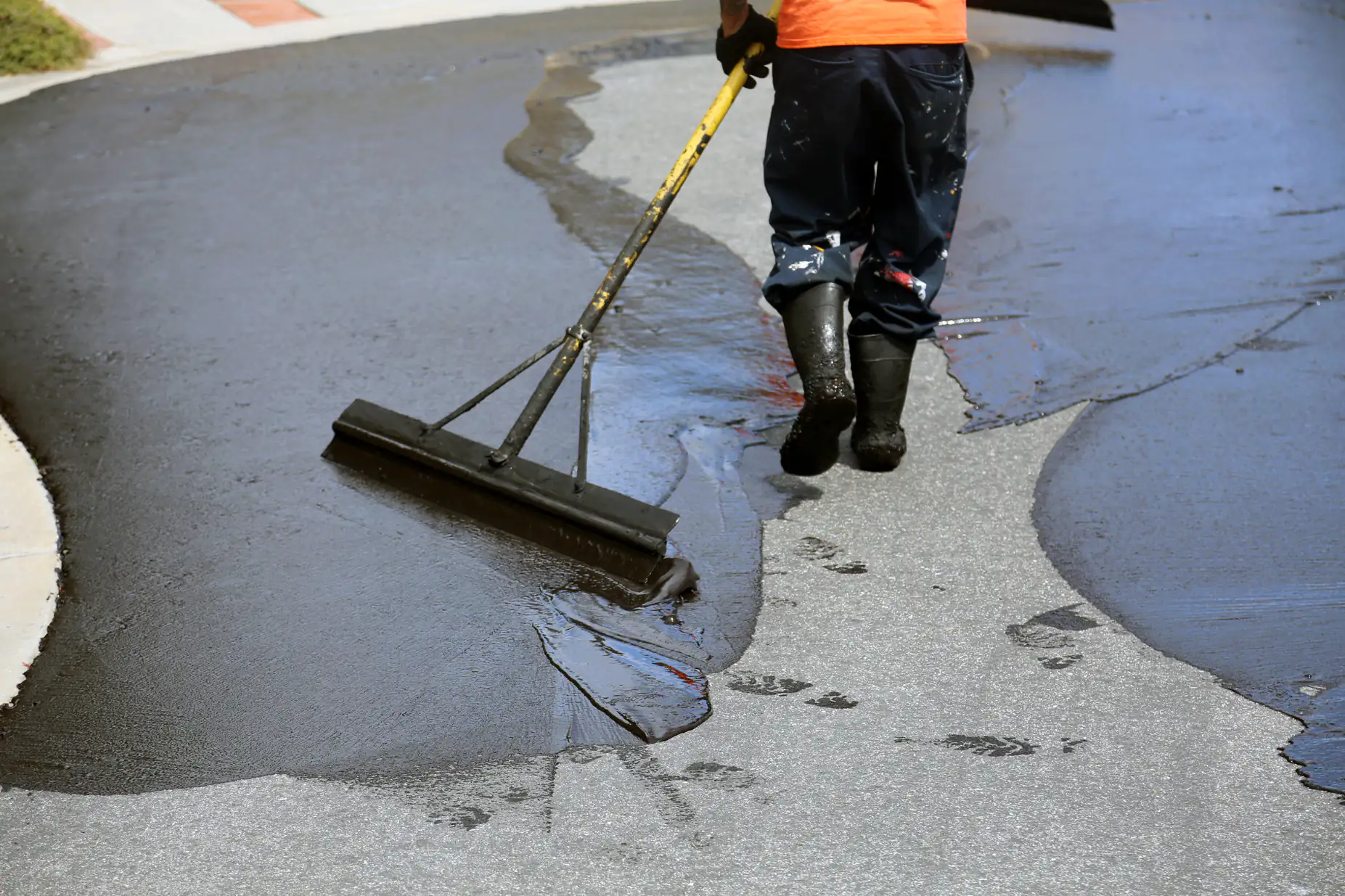
Your driveway stops deteriorating every winter. Water can’t seep into cracks, freeze overnight, and turn hairline damage into structural problems by spring.
You’re not scrambling for emergency repairs after plow damage. You’re not watching your property value drop because your driveway looks like a patchwork of tar and gravel.
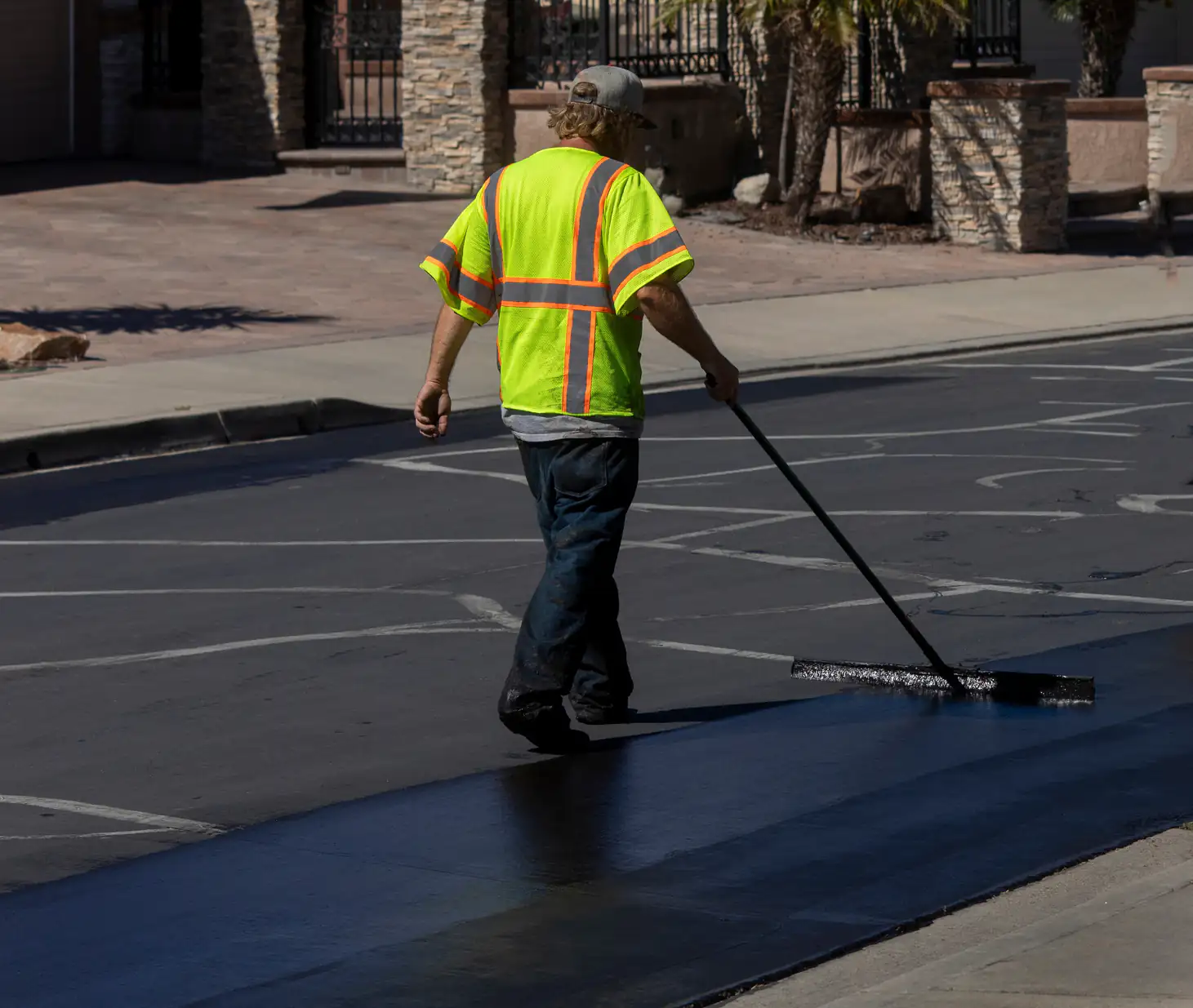
Instead, your asphalt stays flexible through temperature swings. The protective barrier blocks UV rays that make surfaces brittle. Oil stains and ice melt chemicals can’t penetrate and cause damage from below.
Most driveways in Bernardsville, NJ see harsh freeze-thaw cycles that destroy unsealed asphalt within 5-7 years. Proper sealcoating every 2-3 years keeps that same surface performing for 20+ years. That’s the difference between a $200-400 maintenance appointment and a $5,000-8,000 replacement project.
We’ve spent over two decades working in Morris County, Somerset County, and the surrounding areas. We know exactly what winter does to asphalt here.
We’ve seen what happens when contractors skip base prep or use bargain materials. We’ve repaired the damage from crews who don’t understand how freeze-thaw cycles work in this climate.
That’s why we use commercial-grade sealant designed for temperature extremes. We don’t show up, spray your driveway, and leave. We assess the current condition, repair cracks properly, clean the surface completely, and apply sealcoating when conditions are right. Every job comes with a 5-year warranty covering materials and workmanship, because we’re not interested in callbacks or patch jobs.
First, we inspect your asphalt for cracks, potholes, or areas where water’s already causing damage. If there’s structural damage, we fix it before sealing—otherwise you’re just covering up problems that’ll get worse.
Next, we clean the entire surface. Oil stains, dirt, vegetation, and loose material all prevent sealant from bonding properly. We’re not spraying over a dirty driveway and calling it done.
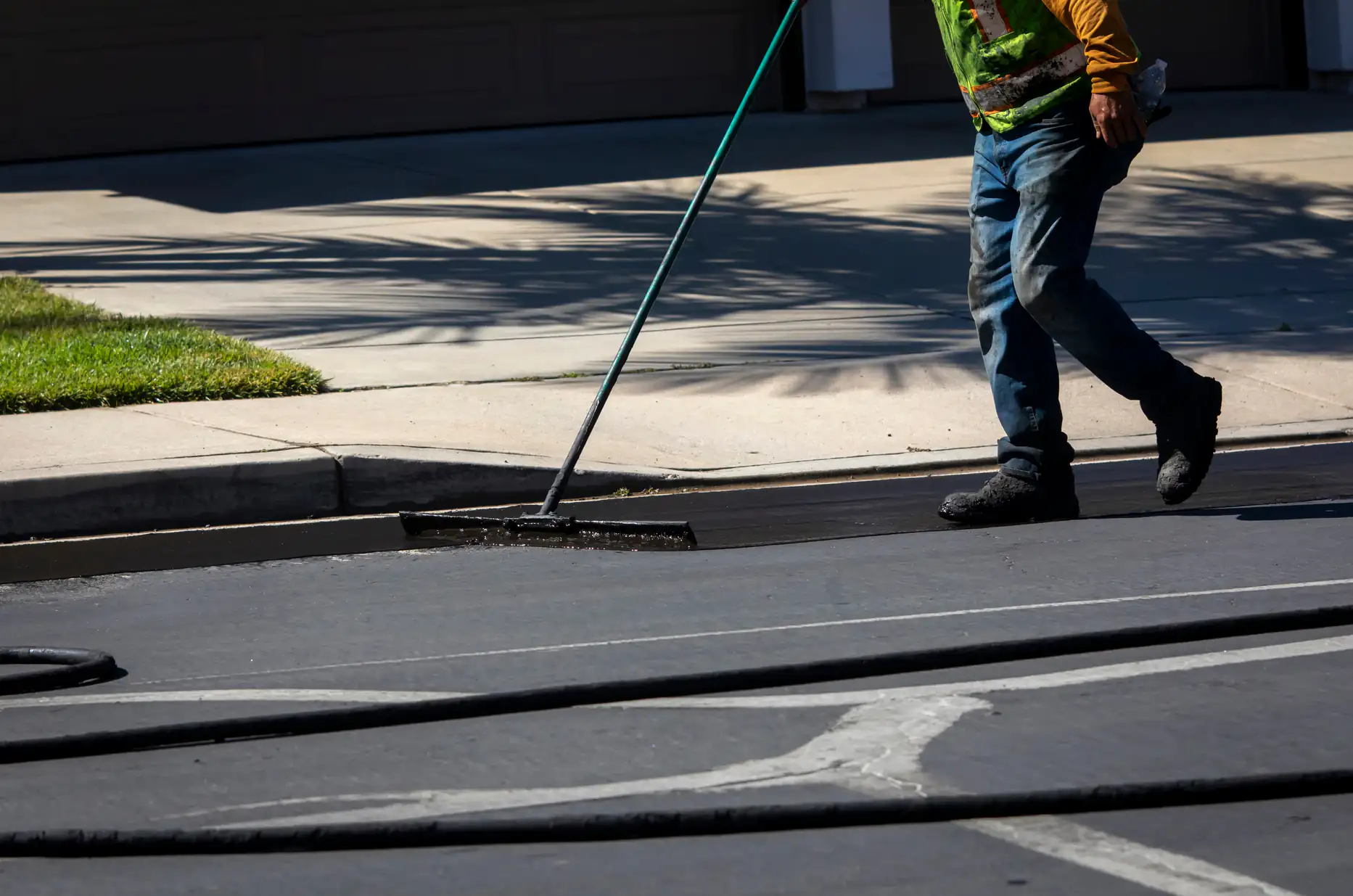
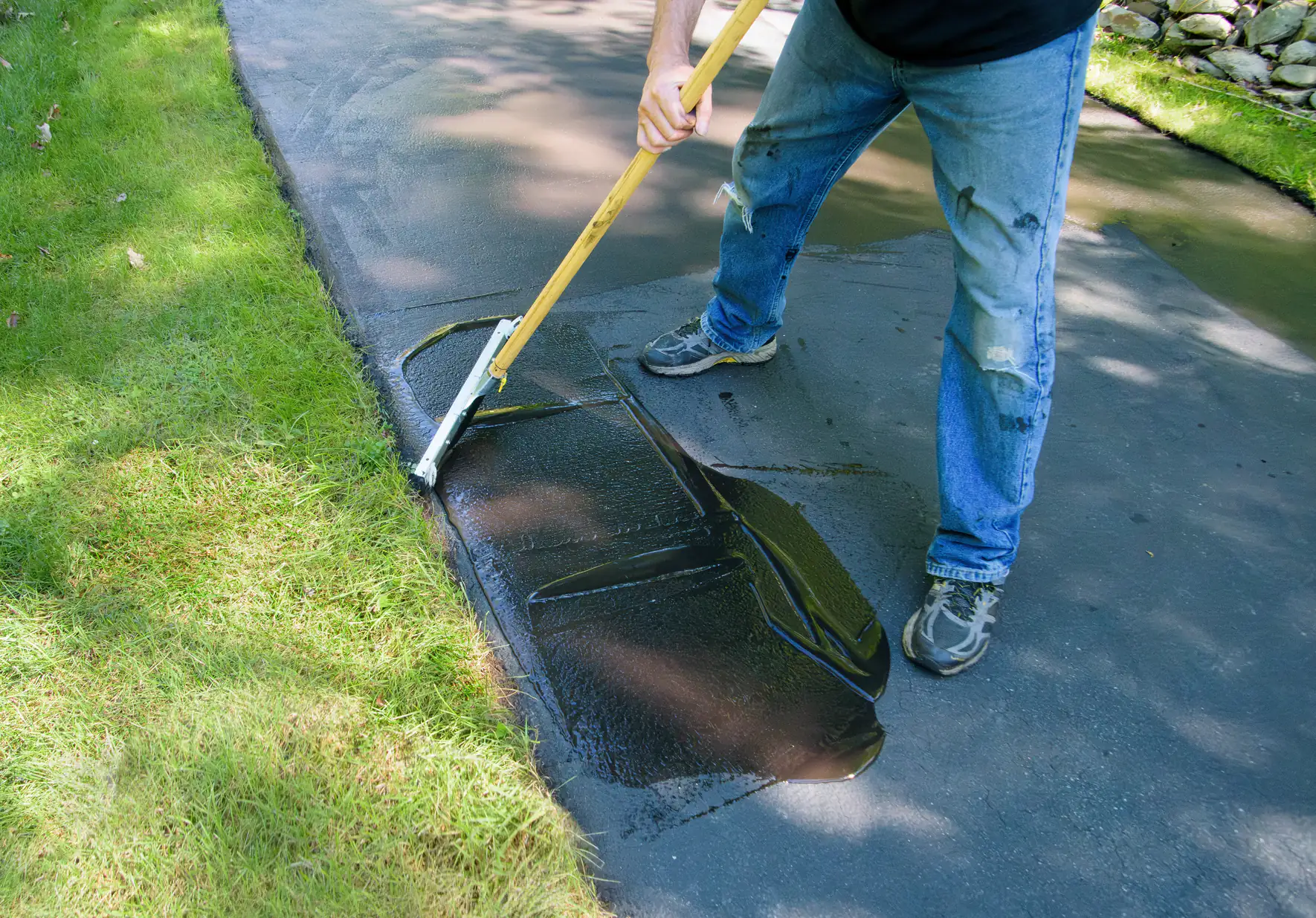
Then we apply crack filler to any gaps or separations. This prevents water infiltration at the most vulnerable points. Once that’s cured, we apply two coats of commercial-grade sealant using professional equipment that ensures even coverage.
The sealant needs 24-48 hours to cure depending on temperature and humidity. During that time, you stay off the driveway completely. After curing, you’ve got a protective barrier that blocks UV damage, repels water, and resists chemicals from ice melt and vehicle fluids. The whole process typically takes 1-2 days from start to finish, and you’re looking at 2-3 years of protection before the next application.
Ready to get started?
You’re getting crack repair before sealing starts. Most driveways in Bernardsville have at least some cracking from winter freeze-thaw cycles. We fill those properly so water can’t penetrate and cause more damage.
You’re getting thorough surface preparation. That means cleaning off oil stains, removing vegetation growing in cracks, and power washing away dirt and debris. Sealant won’t bond to a dirty surface, and shortcuts here mean the coating fails within months.
You’re getting two coats of commercial-grade sealant, not the watered-down product some contractors use to cut costs. Our material is designed to handle New Jersey’s temperature extremes—it won’t become brittle in winter or soft in summer heat.
The typical cost for sealing an average driveway in Morris County runs $200-400 depending on size and condition. Compare that to $5,000+ for resurfacing or $8,000-12,000 for full replacement. Sealcoating every 2-3 years is the difference between minor maintenance costs and major capital expenses. You also get our 5-year warranty, detailed maintenance recommendations, and a callback guarantee if you have any concerns after the work is complete.
Every 2-3 years for most residential driveways. That timeline assumes normal wear from typical vehicle traffic and exposure to New Jersey weather.
If your driveway gets heavy use—multiple vehicles daily, commercial traffic, or you park work trucks and equipment—you might need sealing closer to every 2 years. If you’re seeing the black sealcoat fade to gray, that’s your asphalt telling you the protective layer is wearing thin.
The goal is to maintain a barrier before water starts penetrating the surface. Once water gets in and goes through freeze-thaw cycles, you’re dealing with cracks and structural damage that cost significantly more to repair. Preventive sealcoating every 2-3 years costs a few hundred dollars. Waiting until you need crack filling, patching, or resurfacing costs thousands.
Completely different materials, completely different processes. Asphalt sealcoating uses a coal tar or asphalt-based sealer that bonds to the petroleum-based asphalt surface. It creates a protective barrier against UV rays, water, and chemicals.
Concrete sealing uses a penetrating or film-forming sealer designed for cement-based surfaces. The purpose is similar—protect against water, stains, and freeze-thaw damage—but the chemistry and application are entirely different.
You can’t use asphalt sealer on concrete or concrete sealer on asphalt. They won’t bond properly and you’ll waste money on a product that fails immediately. If you have a concrete driveway and someone’s quoting you for “asphalt sealcoating,” that’s a red flag. Make sure whoever you hire understands what material they’re working with and uses the correct products for that surface.
You can buy sealant at home improvement stores and do it yourself. Whether you should depends on your expectations and how much your time is worth.
DIY sealcoating usually means brush or squeegee application with consumer-grade product. Professional crews use commercial-grade material and spray equipment that provides more even coverage and better penetration. The material quality alone makes a difference—commercial sealant lasts longer and performs better in extreme temperatures.
The bigger issue is surface prep. Most homeowners skip proper crack repair, don’t clean thoroughly enough, or apply sealant in less-than-ideal conditions. That leads to premature failure, uneven coverage, and protection that doesn’t last. If you’re going to invest the time and money in sealing your driveway, it makes sense to do it right the first time. A professional job costs $200-400 for an average driveway and comes with a warranty. A DIY job costs $100-150 in materials plus your labor, with no guarantee it’ll perform as expected.
Late spring through early fall—typically May through October. You need consistent temperatures above 50°F during the day and overnight for proper curing.
Summer is ideal because you get warm temperatures and lower humidity, which means faster curing times. The sealant bonds better and you can usually get back on your driveway within 24 hours instead of 48.
Avoid sealing in early spring when overnight temperatures still drop below 50°F. The sealant won’t cure properly and you’ll get poor adhesion. Also avoid late fall when you’re racing against the first freeze. If sealant doesn’t cure completely before freezing temperatures hit, it can fail prematurely.
Most paving companies in Morris County book up quickly during peak season (June through September), so plan ahead. If you wait until August to call, you might not get scheduled until September or October when weather becomes less predictable.
Professional sealcoating typically lasts 2-3 years in New Jersey’s climate. That assumes proper application, quality materials, and normal wear conditions.
Heavy traffic shortens that timeline. If you’ve got multiple vehicles using the driveway daily, or you park commercial trucks and equipment, expect to reseal closer to every 2 years. Light residential use might stretch it to 3 years.
You’ll know it’s time when the rich black color fades to gray. That’s the sealant wearing away and exposing the asphalt underneath. Once you see that happening, you’re losing UV protection and water resistance. Small cracks start appearing, water seeps in, and freeze-thaw damage begins.
The key is staying ahead of the damage. Resealing while the surface is still in good condition costs $200-400. Waiting until you need crack repairs, patching, or resurfacing costs exponentially more. Think of sealcoating as cheap insurance against expensive repairs.
Yes. Studies show that regular crack sealing and sealcoating as part of preventive maintenance extends asphalt life by 10-15 years.
Without sealcoating, UV rays break down the petroleum binders in asphalt, making it brittle and prone to cracking. Water infiltrates those cracks, freezes overnight during winter, and expands—turning hairline cracks into major structural damage. That cycle repeats every winter until your driveway needs replacement.
Sealcoating blocks UV damage and creates a waterproof barrier. Water can’t penetrate, so freeze-thaw cycles can’t destroy the base. The asphalt stays flexible instead of becoming brittle. You’re preventing the damage instead of reacting to it.
A properly installed asphalt driveway should last 15-20 years with basic maintenance. That maintenance is sealcoating every 2-3 years at $200-400 per application. Skip the maintenance and you’re looking at replacement in 7-10 years at $8,000-12,000. The math is straightforward—spend a few hundred every few years or spend thousands for a complete replacement.