
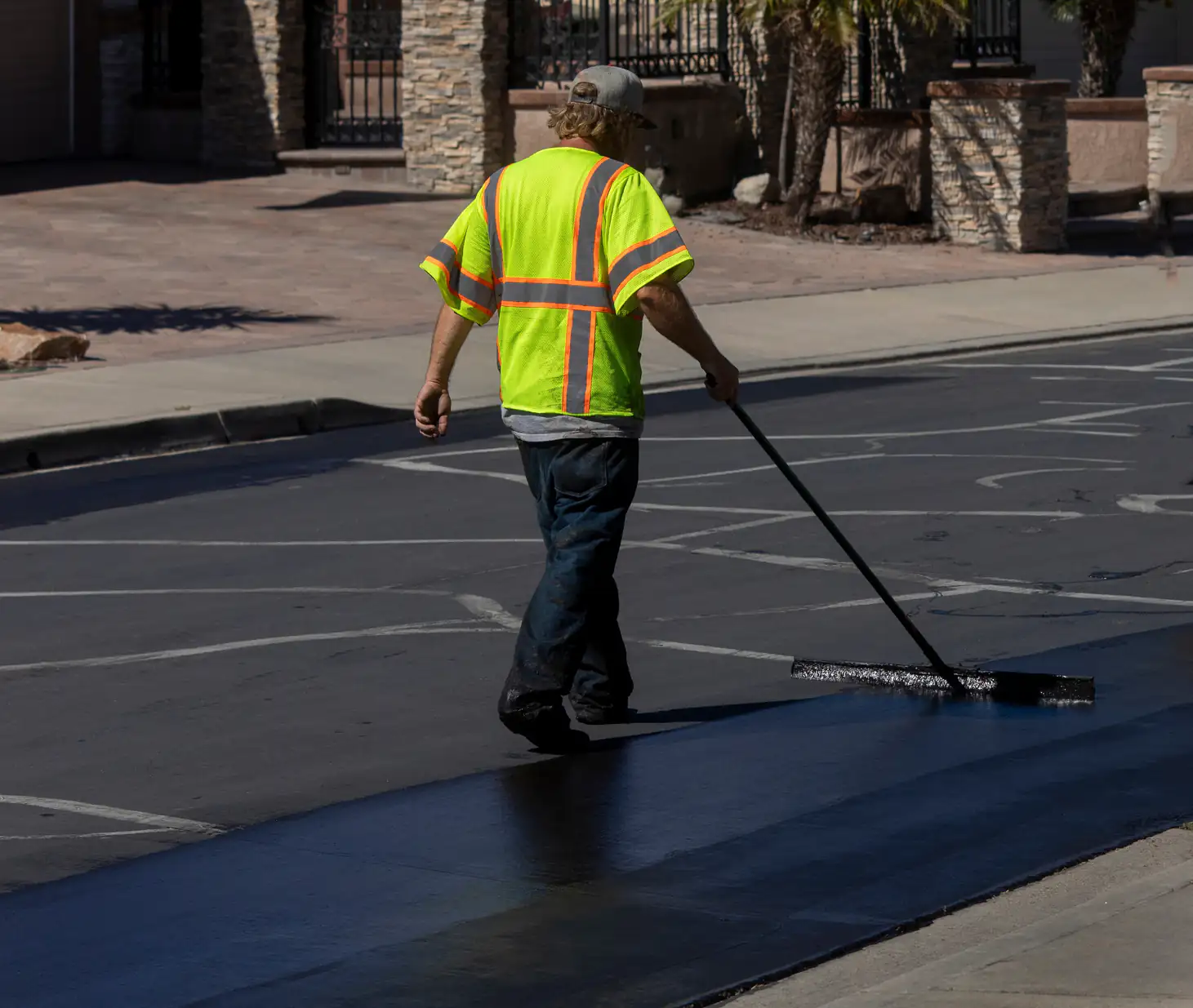
Hear from Our Customers
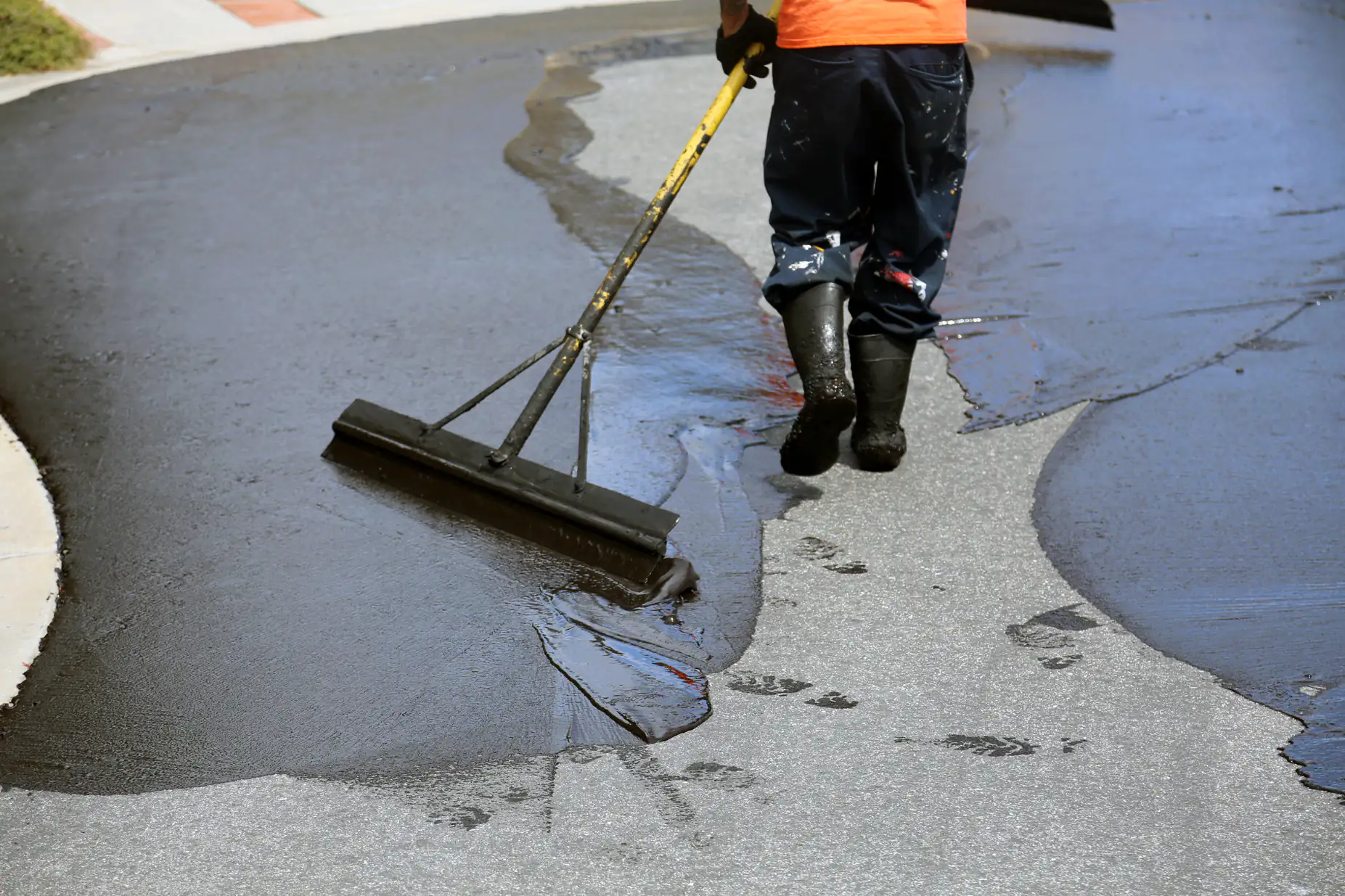
Water gets into small cracks. Temperatures drop below freezing. That water expands with enough force to split your driveway apart from the inside out. This happens dozens of times every winter in Bound Brook, turning hairline cracks into structural failures that cost thousands to fix.
Sealcoating creates a waterproof barrier that stops this cycle before it starts. You’re looking at spending around $200-300 every three years on preventative maintenance, or $3,000-5,000 on emergency repaving when the damage becomes too severe to ignore.
The math is simple. A properly sealed driveway in our climate lasts 20-25 years. An unsealed one? Maybe 12-15 years if you’re lucky. That’s the difference between protecting what you have and replacing it twice as often.
We’ve been working in Somerset County for over 20 years. We’re a third-generation operation based in Morris County, which means we understand exactly what New Jersey weather does to asphalt surfaces.
Bound Brook gets hit harder than most areas. You’re dealing with clay-heavy soil that shifts, drainage issues from the Raritan River basin, and temperature swings that go from 15 degrees in January to 95 in July. That’s not a forgiving environment for pavement.
We’ve sealed thousands of driveways across Somerset, Morris, and Sussex Counties. Same crews, same standards, same materials we’d use on our own homes. You’ll get a callback within 24-48 hours of your quote request, clear pricing with zero surprise charges, and work that actually gets finished on schedule.
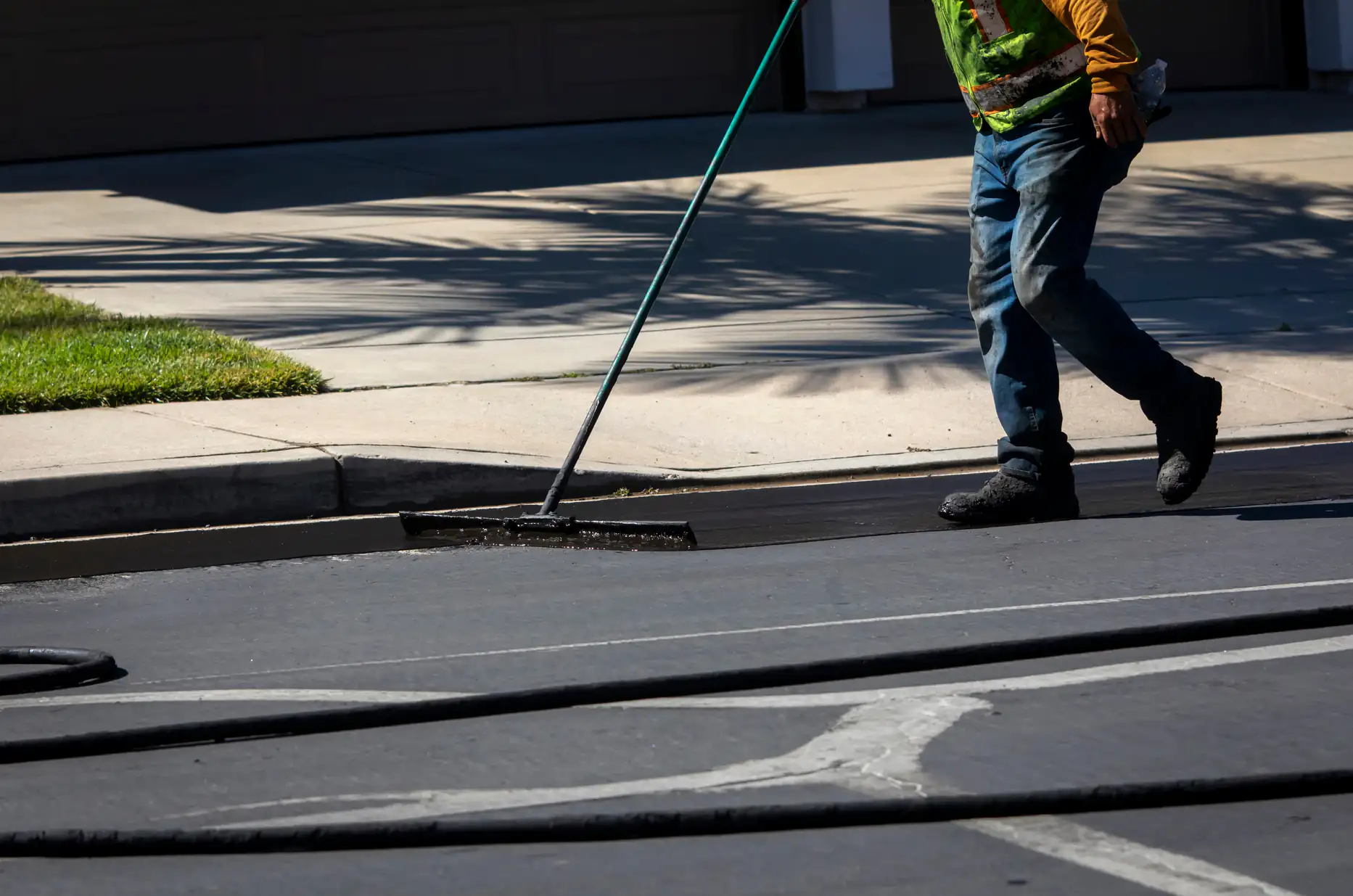
First, we clean the entire surface with commercial-grade power washing equipment. Any dirt, oil, or debris left behind will prevent the sealer from bonding properly. This step matters more than most contractors want to admit.
Next comes crack filling. We use hot rubberized crack filler for anything wider than a quarter-inch. This creates a flexible seal that moves with temperature changes instead of breaking apart. Standard driveway jobs include up to 50 linear feet of crack filling.
Then we apply two coats of coal tar sealer with sand additive. The sand provides traction so you’re not slipping around when it rains. Each coat needs to cure for 24 hours minimum, which means you’re staying off the driveway for at least 48 hours total.
Temperature matters. We only sealcoat when it’s above 55 degrees and no rain is forecasted for the next two days. Applying sealer in cold or wet conditions is a waste of your money and our time.
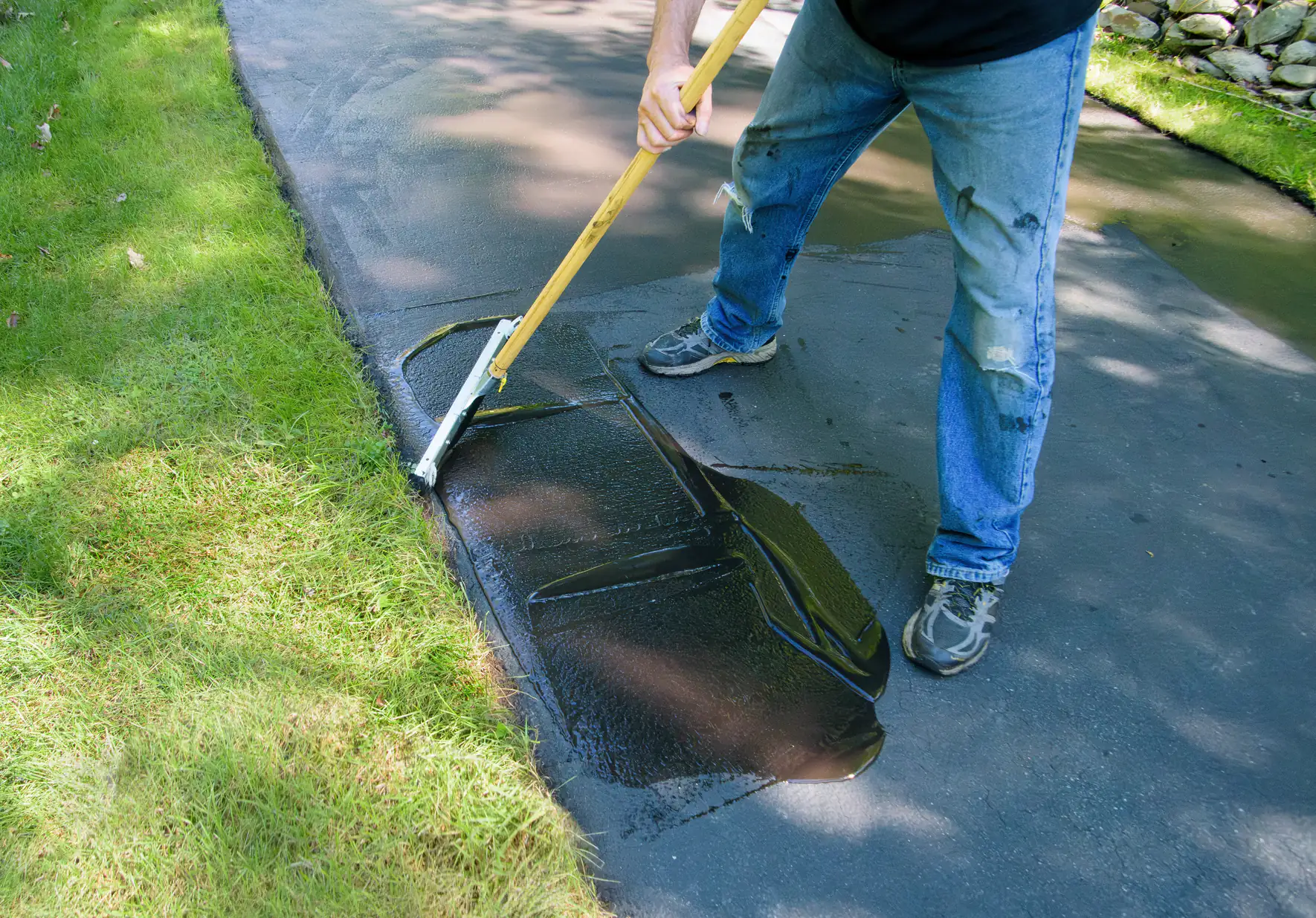
Ready to get started?
Every sealcoating job includes power washing, crack filling up to 50 linear feet, two coats of commercial-grade coal tar sealer, sand additive for traction, and a two-year warranty on the work. That’s standard for a typical 600 square foot two-car driveway in Bound Brook.
Timing matters in New Jersey. We run sealcoating jobs from mid-April through mid-October. Outside that window, temperatures drop too low for proper curing. You’re not getting quality work in November no matter what any contractor promises you.
Bound Brook’s location near the Raritan River means drainage is critical. We evaluate slope and water flow before we start. Standing water is the fastest way to destroy a fresh seal coat. If your driveway has drainage problems, we’ll tell you upfront what needs to be addressed first.
The sealer we use is engineered specifically for Northeast freeze-thaw conditions. It stays flexible when temperatures drop and doesn’t crack under pressure. Cheaper sealers turn brittle in cold weather and fail within a year. You get what you pay for.
You’re looking at $180-270 for a standard 600 square foot two-car driveway in Bound Brook. That price includes power washing, crack filling up to 50 linear feet, two coats of sealer, sand additive, and a two-year warranty.
Larger driveways cost more. Driveways with excessive cracking need additional prep work. If you’ve got oil stains, severe deterioration, or drainage issues, those require separate attention before sealcoating makes sense.
The cost breaks down to roughly $0.30-0.45 per square foot depending on condition and access. Compare that to $4-8 per square foot for complete repaving. Sealcoating every three years costs you about $60-90 annually. Skipping it and repaving every 12-15 years costs $200-320 annually. The preventative approach saves you money.
Every three years is the standard recommendation for Bound Brook’s climate. New Jersey’s freeze-thaw cycles are particularly brutal on asphalt, and three years is about how long a quality seal coat maintains its protective properties.
Some contractors will tell you every year. That’s overkill and unnecessary unless you’ve got extreme traffic or commercial use. Others say five years. That’s pushing it in our climate, especially if your driveway gets full sun exposure or you park heavy vehicles on it regularly.
Watch for signs between applications. If the surface starts looking gray instead of black, or you notice small cracks forming, it’s time to reseal. Waiting too long means water infiltration has already started, which makes the next seal coat less effective.
Late spring through early fall. Specifically, you want temperatures consistently above 55 degrees during application and for 48 hours afterward. In Bound Brook, that usually means mid-April through mid-October.
Summer is ideal because you get warm temperatures and lower humidity, which helps the sealer cure properly. Early fall works well too, before temperatures start dropping at night. Avoid scheduling in early spring when overnight temps still dip into the 40s.
Rain is the other factor. You need at least 48 hours of dry weather after application. The sealer won’t cure properly if it gets wet during that window. Check the forecast carefully, and don’t let any contractor talk you into sealing when rain is predicted within two days.
A professional seal coat typically lasts three years in Bound Brook’s climate. That timeline assumes proper application, quality materials, and normal residential use. Heavy traffic or harsh conditions can shorten that to two years.
The sealer gradually breaks down from UV exposure, temperature cycling, and vehicle traffic. You’ll notice the surface fading from black to gray as the protection diminishes. Once you see significant fading, the waterproofing properties are compromised.
Cheap sealer or improper application fails much faster. We’ve seen DIY jobs and low-bid contractor work fail within six months. The sealer peels, cracks, or washes away because it wasn’t applied at the right temperature or the surface wasn’t prepped correctly. Quality materials and proper technique make the difference between three years of protection and three months of disappointment.
You can buy sealer at any home improvement store. Whether you should is a different question. Professional equipment, proper surface prep, and experience applying sealer at the right thickness make a significant difference in how long the coating lasts.
The biggest mistakes we see with DIY sealcoating are inadequate cleaning, skipping crack filling, applying sealer too thick or too thin, and working in poor weather conditions. Most homeowners also don’t have commercial-grade squeegees or spray equipment, which makes even application nearly impossible.
A professional crew finishes a standard driveway in 3-4 hours including prep work. That same job takes most homeowners an entire weekend, and the results typically last half as long. Factor in the cost of materials, equipment rental, and your time, and the price difference between DIY and professional work shrinks considerably. You’re also not getting a warranty if you do it yourself.
No. Sealcoating protects the surface and fills minor hairline cracks, but it doesn’t repair structural damage. If you’ve got cracks wider than a quarter-inch, potholes, or sections where the asphalt is crumbling, those need to be fixed before sealcoating makes sense.
We fill cracks as part of the prep work using hot rubberized crack filler. This seals the crack and prevents water infiltration, but it doesn’t restore structural integrity. Large cracks, alligator cracking, or base failure require patching or replacement of those sections first.
Think of sealcoating as preventative maintenance, not damage repair. It stops small problems from becoming big ones. If your driveway already has significant damage, sealcoating alone won’t fix it. We’ll assess the condition during the estimate and tell you honestly whether sealcoating makes sense or if you need repair work first.