Pavement Contractors Morris, Sussex & Somerset County, NJ

Driveways That Last 20 Years, Not Five
Proper base work, expert grading, and materials engineered for New Jersey’s freeze-thaw cycles mean you’re not dealing with cracks and potholes three winters from now.
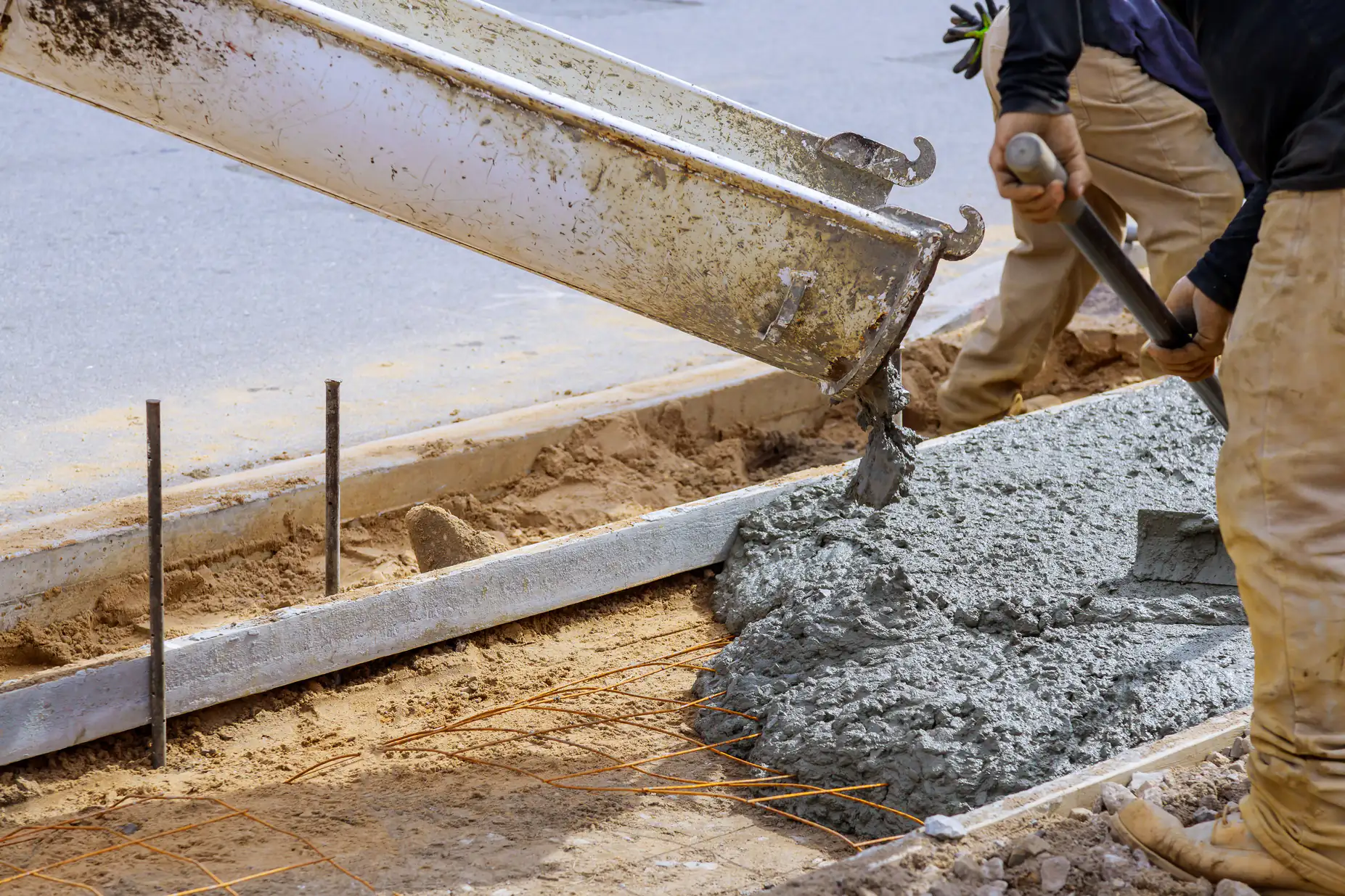
Wet concrete is being poured from a chute onto a prepared area with metal rebar, as construction workers guide and smooth the mixture to form a sidewalk or curb.

Built for NJ Winters

Materials and installation methods specifically designed to handle Morris County's brutal freeze-thaw cycles without cracking or heaving under pressure.

Drainage Engineered Correctly

Expert grading directs water away from your foundation and prevents the pooling that destroys driveways from below the surface.

Fully Licensed Crews Only

Complete insurance coverage protects your property and gives you peace of mind throughout the entire project from start to final inspection.

Transparent Upfront Pricing

Detailed quotes outline exactly what's included in your project, so you know what you're paying before any work begins on your property.
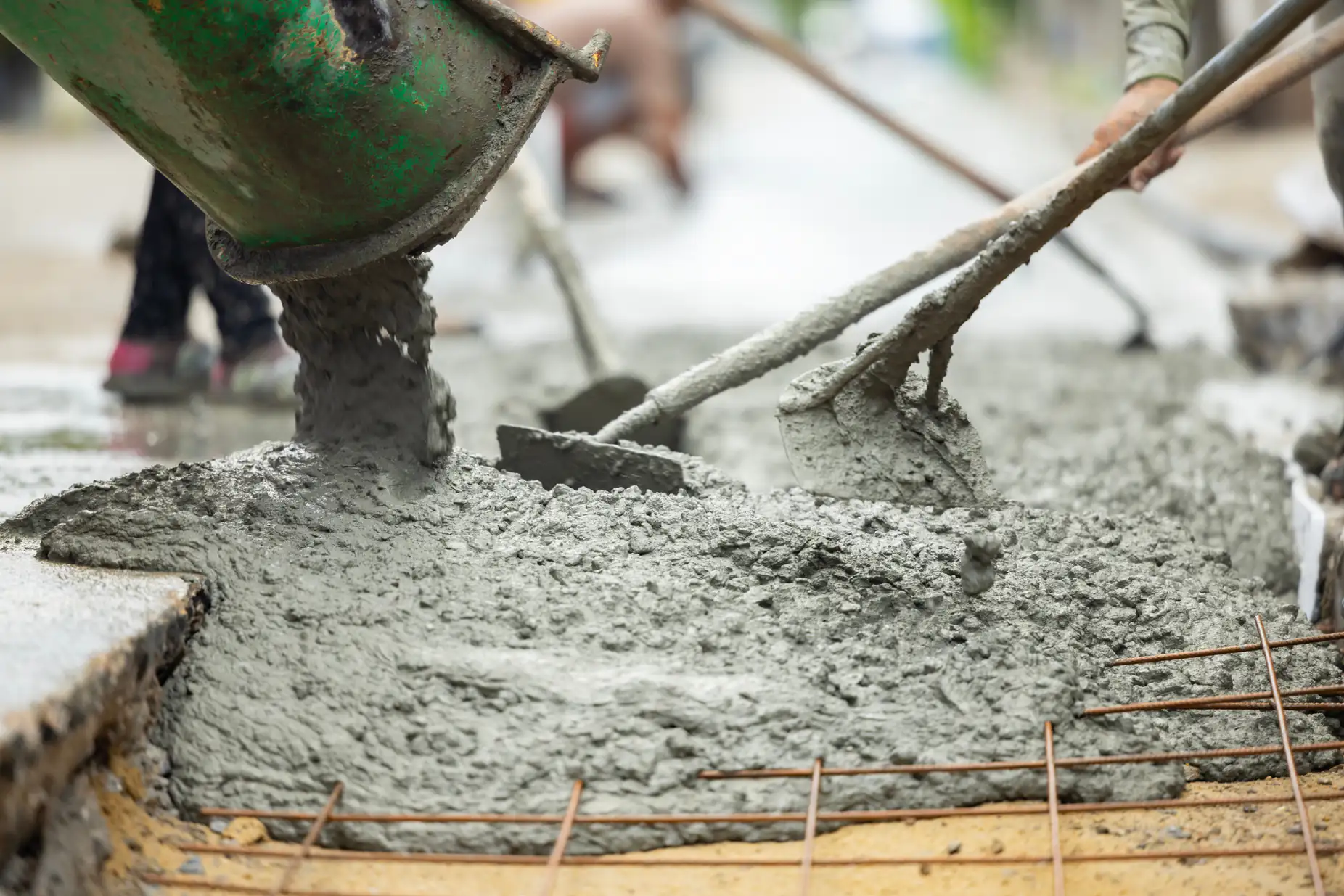
Workers pour and spread wet concrete from a mixer onto a construction site, using shovels to level the surface over exposed rebar.

Paving Contractors Morris, Sussex & Somerset County, NJ

What Professional Pavement Work Actually Means

  • A compacted aggregate base helps prevent shifting, sinking, and early surface damage.
  • Correct grading directs water away from your driveway and foundation.
  • Strong base preparation helps protect against cracks, potholes, and costly repairs.
  • Reliable drainage reduces standing water and limits damage after heavy rain.
  • Preventing water from seeping into the pavement helps avoid expansion cracks and base failure.
  • Attention to detail from the start leads to longer-lasting results and fewer problems over time.

Hear from Our Customers

Asphalt Paving Companies Morris, Sussex & Somerset County, NJ

What Changes When It's Done Right

This isn’t about accepting the lowest bid. It’s about investing in pavement that still looks good and functions properly 15 years from now without constant repairs.

Water flows away from your foundation instead of pooling next to your garage or seeping into your basement every time it rains.

You stop worrying about potholes damaging vehicles or creating liability when guests park in your driveway during winter months.

Freeze-thaw cycles won't turn hairline cracks into major structural problems that cost $5,000+ to repair or require complete replacement.

Your property value increases immediately with professional curb appeal that stands out when neighbors are selling in competitive NJ markets.

Most residential projects finish in 1-3 days because we work efficiently without cutting corners on base preparation or drainage.

You're not scheduling repair calls in three years because the aggregate base and compaction were handled correctly from day one.

A large white number 1 is centered on a solid black circle with a plain light gray background, symbolizing top-rated Paving Contractors in Morris, NJ and serving Sussex & Somerset County.

Share project details

Call us or get a free online quote to help us identify your project needs.

A bold white number 2 is centered inside a solid black circle on a light gray background, representing Sussex & Somerset County, NJ Paving Contractors Morris.

We'll follow up

If you requested an online quote, you can expect a callback within 24-48 hours of your request.

A large white number 3 is centered inside a solid black circle on a plain light background, representing Paving Contractors Morris, Sussex & Somerset County, NJ.

The floor is yours

Connect with an expert and share all project specifics.

A bold white number 4 is centered inside a solid black circle on a light gray background, representing Paving Contractors Morris, Sussex & Somerset County, NJ.

Plan your project

Like what you hear? We'll provide next steps and expert guidance.
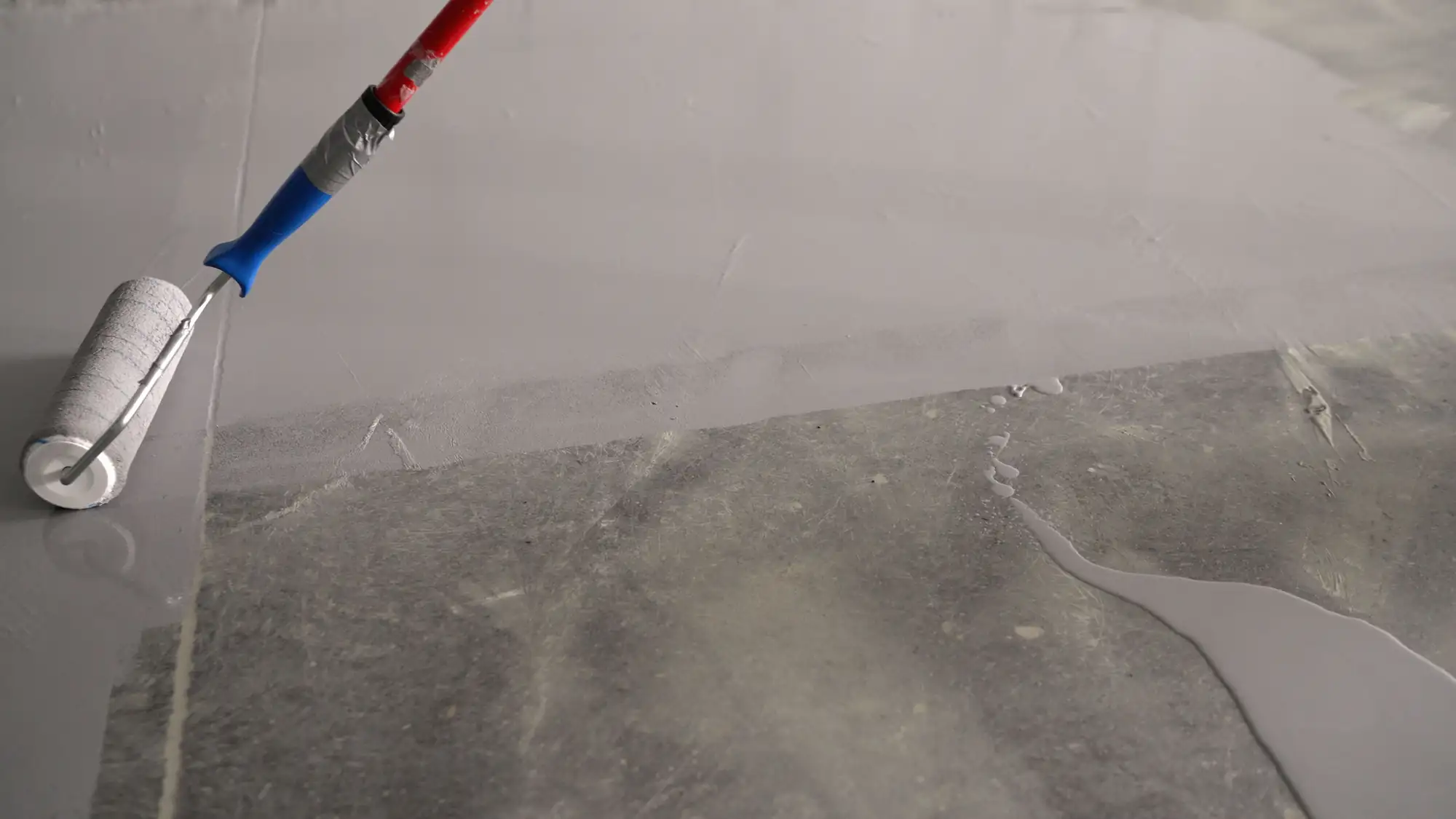
A paint roller on a handle applies a light gray coating over a concrete floor, with part of the floor already covered and part still bare.

Blacktop Asphalt Contractors Near Me

Why Base Preparation Determines Everything

The blacktop surface you see is only part of what you’re paying for. What’s underneath that asphalt determines whether your driveway lasts or fails within a few seasons. Asphalt Paving contractors who skip proper base work create driveways that sink before the warranty expires. They don’t excavate deep enough for soil conditions. They don’t compact aggregate layers properly between pours. They rush grading because proper drainage work takes time and equipment. Then they roll asphalt over a foundation that’s already compromised, and you’re the one dealing with consequences three years later. Morris County soil doesn’t forgive shortcuts. Clay content means you need geotextile fabric to prevent base materials from mixing with subsoil. Freeze-thaw cycles mean you need proper depth – minimum four inches of compacted stone under residential asphalt, more for commercial parking lots or areas with heavy vehicles. Drainage has to direct water away from the surface and your foundation, not just look level when the crew leaves. When we handle preparation correctly, you’re looking at 20-25 years of service from your driveway. When contractors cut corners, you’re calling for repairs within five years and facing full replacement before a decade passes. The base work is where that difference gets decided, before the first truck delivers asphalt to your property. This applies whether you’re installing traditional asphalt, concrete, or paver stones – the foundation underneath determines longevity.

Paving Company Near Me NJ

Materials Engineered for Your Climate

New Jersey winters destroy pavement that wasn’t designed for freeze-thaw punishment. You need materials specifically engineered for Northern NJ conditions, not just whatever’s cheapest when placing an order that week. Hot mix asphalt works in Morris, Sussex, and Somerset Counties because it maintains flexibility through dramatic temperature swings. It expands and contracts without cracking when installed at proper thickness – two inches minimum for residential driveways, more for commercial applications or areas with heavy vehicles. Concrete requires specific mix designs with air entrainment to handle ice formation without the surface spalling and pitting. Paver patios and paver stones offer another option with flexibility built into the design – individual pavers can shift slightly without creating the structural cracks you see in poured surfaces. The installation window matters as much as material choice. Asphalt needs temperatures consistently above 50°F to cure and bond properly. Rush a job in cold weather and you’re compromising the molecular bond that holds everything together. We work within the April-October season when conditions support proper curing, not whenever we can squeeze in another job to meet quota. Sealcoating protects your asphalt investment after installation. Applied every 2-3 years, it prevents water penetration and UV damage that cause premature deterioration. The cost runs $200-$500 for most residential driveways – a small investment that extends lifespan by 10-25%. Properties that skip this maintenance typically need replacement in 8-12 years instead of achieving the full 20-25 year potential. The material choice, installation quality, and maintenance plan work together. Get one wrong and the others can’t compensate.
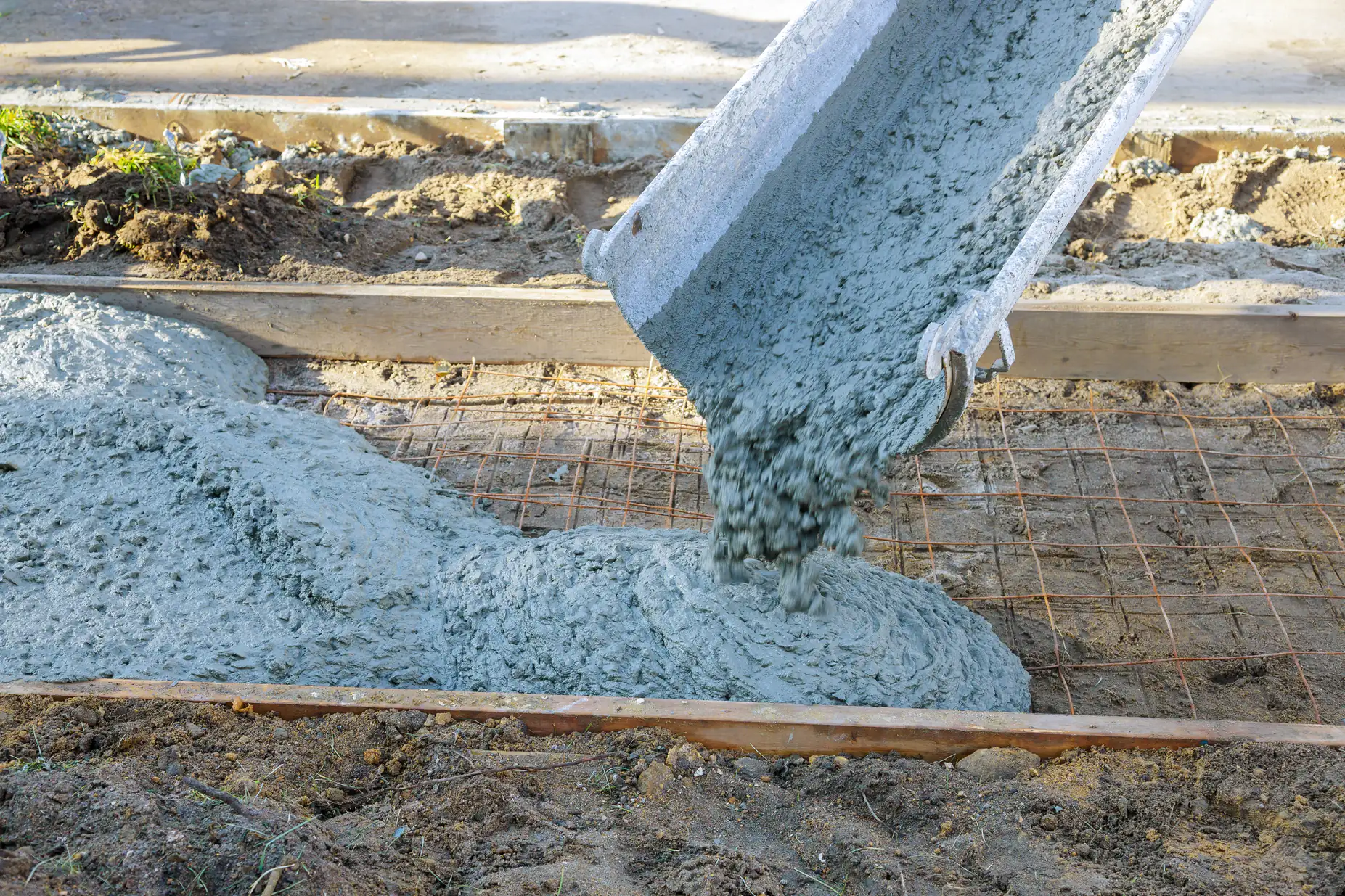
Wet concrete is being poured from a chute onto a prepared area with wire mesh and wooden framing, forming the base for a new pavement or slab. The surroundings include soil and construction materials.
Pavement Contractors FAQs

Common Questions About Our Service

Properly installed asphalt driveways in Morris, Sussex, and Somerset Counties last 20-25 years with regular maintenance. The key factors are correct installation with adequate base preparation, appropriate asphalt thickness for New Jersey’s climate, and sealcoating every 2-3 years to protect the surface. Northern New Jersey experiences significantly more freeze-thaw cycles than central or southern parts of the state – these cycles accelerate deterioration when pavement isn’t installed correctly. Water penetrates small cracks, freezes overnight, expands with tremendous pressure, and creates structural damage that compounds over time. Professional installation with proper base depth (minimum 4 inches of compacted stone), correct grading for drainage, and materials engineered specifically for freeze-thaw resistance prevents this destructive cycle from starting. Properties that skip sealcoating maintenance typically need replacement in 8-12 years instead of achieving the full expected lifespan. The harsh climate in our region means installation quality and ongoing maintenance matter more here than in areas with milder winters.
The difference shows up in base preparation quality, material selection, and installation techniques that aren’t visible once the job is finished. Cheap paving skips crucial steps like proper excavation depth, adequate aggregate base thickness, and correct layer-by-layer compaction. Contractors rush grading to save time, use insufficient asphalt thickness to save material costs, or install during weather conditions that compromise curing and bonding. The result is pavement that develops cracks, potholes, and drainage problems within 2-5 years instead of lasting decades. Professional pavement contractors excavate to appropriate depth for your specific soil conditions, install and compact aggregate base in proper layers, grade for drainage that directs water away from structures, and use asphalt thickness suited to your application and traffic patterns. We work during optimal temperature windows and follow industry standards throughout every phase of the process. Professional installation costs more upfront but saves significant money long-term by avoiding frequent repairs and premature replacement that cheap work requires. Licensed contractors also carry proper insurance and follow local township codes, protecting you from liability issues and ensuring work meets municipal standards. You’re not just paying for asphalt on the surface – you’re paying for a foundation and drainage system that won’t fail.
Asphalt driveway paving in New Jersey typically costs $3.50-$6.00 per square foot installed for standard residential projects, though complex situations can range higher. A typical residential driveway averages $5,500-$12,000 total depending on size, existing site conditions, and preparation requirements. Several factors affect final cost: excavation needs if removing old pavement or addressing poor drainage, drainage solutions required for your specific property layout, base preparation depth and quality of aggregate materials, asphalt thickness appropriate for your intended use and vehicle weight, site accessibility for equipment, and any township permit requirements. Morris, Sussex, and Somerset County projects may require additional considerations like dealing with clay soil conditions or addressing freeze-thaw protection measures. Concrete costs 30-40% more initially than asphalt but each material has advantages – asphalt can be used within 2-5 days versus 7+ days for concrete, while concrete may last slightly longer in ideal conditions. The cheapest quote isn’t always the best value for your investment. Inadequate base preparation or insufficient asphalt thickness creates driveways that fail prematurely, requiring expensive repairs or complete replacement within 5-8 years instead of lasting 20-25 years. Request detailed quotes that outline excavation depth, base materials and compaction method, asphalt thickness specifications, and drainage work included so you can compare actual project scope, not just bottom-line numbers.
Most residential driveway replacements in Morris, Sussex, and Somerset Counties don’t require permits when you’re staying within existing boundaries and not altering drainage patterns or impacting township right-of-way. However, expanding your driveway dimensions, changing the approach from the street, or modifying grading and drainage typically requires township approval and inspection before work begins. Commercial paving projects almost always require permits and multiple inspections throughout the installation process to ensure ADA compliance and proper stormwater management. Specific requirements vary significantly by municipality – some towns require permits even for resurfacing existing driveways, while others only regulate new construction or expansions beyond current footprint. Projects involving significant grading changes, new drainage installation, or any work that impacts township property need coordination with your local building department before scheduling work. Permit applications typically cost $30-$50 per permit and remain valid for one year from issue date. Working with experienced local paving contractors helps navigate these varying requirements because we understand what each township requires and can handle the permit application process on your behalf. Skipping required permits can result in fines, required removal of completed work, or complications when selling your property down the road. It’s worth confirming specific requirements with your township building department before starting any paving project, even if the work seems straightforward.
The primary cause in Morris County and surrounding areas is freeze-thaw cycles combined with inadequate installation and poor drainage. Water seeps into small surface cracks during rain or snow melt, freezes during overnight temperature drops, and expands with up to 30,000 PSI of pressure. This expansion physically pushes pavement apart and widens cracks. When temperatures rise during the day, water melts and seeps even deeper into the base layers, only to freeze again the next night. Northern New Jersey experiences roughly 40% more freeze-thaw cycles than Central and South Jersey, creating more severe challenges for pavement durability. Poor drainage significantly compounds this problem – when water pools on your driveway surface instead of flowing away properly, it has extended opportunity to penetrate cracks and cause progressive damage. Inadequate base preparation is another major contributing factor that many homeowners don’t realize until problems appear. Driveways need a minimum 4 inches of properly compacted aggregate base to distribute vehicle weight and resist settling under normal use. Contractors who skip this step, don’t compact layers correctly, or use insufficient depth create foundations that shift and crack under normal traffic and weather exposure. Insufficient asphalt thickness (less than 2 inches for residential applications) also contributes to premature surface failure. Other contributing factors include using materials not engineered for freeze-thaw resistance, installing during improper temperature conditions that compromise curing, and neglecting sealcoating maintenance that protects against water infiltration and UV damage. Addressing these root causes during initial installation prevents the destructive cycle from starting and eliminates most common driveway problems.
Most residential driveway projects in Morris, Sussex, and Somerset Counties take 1-3 days to complete from excavation through final finishing, depending on size and site complexity. This timeline includes site preparation and old pavement removal, base work and compaction, asphalt or concrete installation, and initial curing period. Commercial parking lot projects vary based on square footage and site-specific conditions, typically ranging from a few days for smaller lots to a week or more for larger commercial applications. Weather plays a significant role in scheduling since asphalt installation requires dry conditions and temperatures consistently above 50°F for proper curing and bonding. Projects scheduled during the optimal April-October paving season face fewer weather-related delays and better installation conditions. The timeline typically breaks down into distinct phases: excavation and old pavement removal takes approximately one day for most residential projects, base preparation including grading and layer-by-layer compaction takes another full day, and asphalt installation with finishing work typically completes in one day for standard driveways. After installation is complete, you can usually walk on new asphalt within 24 hours and drive on it after 2-5 days depending on weather conditions, asphalt thickness, and temperature during curing. Concrete requires significantly longer curing time – typically 7 full days before driving is recommended to avoid surface damage. We provide specific timeline estimates based on your individual project scope and communicate any weather-related delays immediately as conditions change. Rushing the process to meet arbitrary deadlines compromises quality and long-term durability, so realistic scheduling based on proper installation practices matters more than raw speed.
A large white number 1 is centered on a solid black circle with a plain light gray background, symbolizing top-rated Paving Contractors in Morris, NJ and serving Sussex & Somerset County.

Site Assessment and Quote

We evaluate your property's drainage patterns, soil conditions, and project scope, then provide a detailed quote that outlines all work with no hidden charges.

A bold white number 2 is centered inside a solid black circle on a light gray background, representing Sussex & Somerset County, NJ Paving Contractors Morris.

Preparation and Base Work

Old pavement gets removed if needed, the area is excavated to proper depth, graded for drainage away from structures, and aggregate base is compacted in layers.

A large white number 3 is centered inside a solid black circle on a plain light background, representing Paving Contractors Morris, Sussex & Somerset County, NJ.

Installation and Finishing

Asphalt or concrete is installed using commercial-grade equipment, properly compacted for long-term durability, and finished with attention to drainage requirements and curing conditions.

Cities we provide Pavement Contractors In