
Hear from Our Customers

When your driveway or parking lot is installed correctly, you’re not patching cracks every spring. You’re not dealing with standing water that seeps into your foundation. You’re not calling around for emergency repairs because someone cut corners on the base layer.
Proper paving means the right materials applied at the right temperature on a base that’s been graded for Morris County soil conditions. It means understanding that Franklin Center, NJ gets hit harder by freeze-thaw cycles than most of New Jersey, and your pavement needs to be built for that reality.
The difference shows up in year five when your neighbor’s driveway is crumbling and yours still looks clean. It shows up when you sell and buyers see a well-maintained property instead of deferred maintenance. Mostly, it shows up in not having to think about your driveway because it just works.
We work across Morris, Sussex, and Somerset counties because we’re based here. We know the soil composition changes between Franklin Center, NJ and Bound Brook. We know which townships require permits for driveway work and which don’t. We know that drainage design matters more here than in other parts of the state.
Owner Dominick runs every job from start to finish. Not just the estimate—the actual work. That’s how we’ve built a business on referrals instead of door-to-door sales pitches. You’ll get a written estimate that breaks down costs, a realistic timeline, and someone who answers the phone when you call.
We’re licensed and insured, which should be standard but somehow isn’t in this industry. We use high-grade hot mix asphalt applied at proper temperature and Portland cement mixes with rebar reinforcement for concrete work. The materials matter, but so does the installation.

You request a quote online or by phone, and we respond within 24 to 48 hours. Dominick comes out to look at your property, measure the area, check drainage patterns, and assess what the base layer needs. You get a written estimate that explains what we’re doing and why.
Once you approve, we schedule the work and show up when we say we will. For driveway paving, that means excavating to the right depth, grading for proper drainage, installing the base material, compacting it correctly, and then applying asphalt or pouring concrete. For parking lots, we handle the same process at scale, plus striping if needed.
The job gets cleaned up completely before we leave. You get documentation of materials used and warranty information. Then we follow up to make sure everything’s holding up the way it should. Most of our work comes from referrals, so we have a strong incentive to do this right the first time.
Ready to get started?
You’re getting excavation and grading done correctly for Franklin Center’s soil conditions. That means accounting for clay content and water tables that vary across Morris County. The base layer gets installed with proper materials and compacted to the right density—this is what determines whether your pavement lasts 10 years or 25.
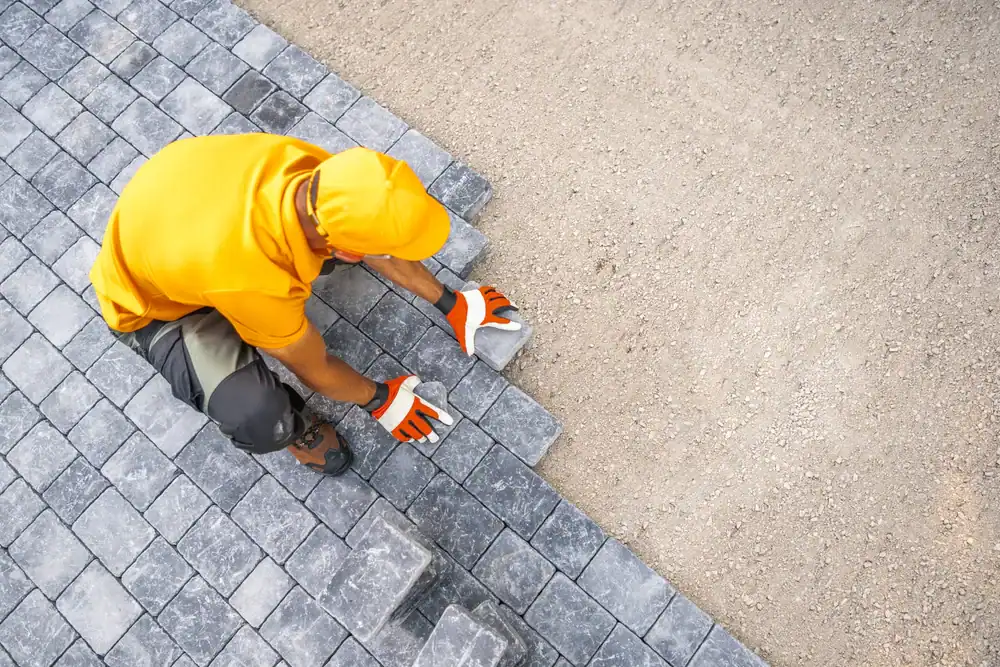
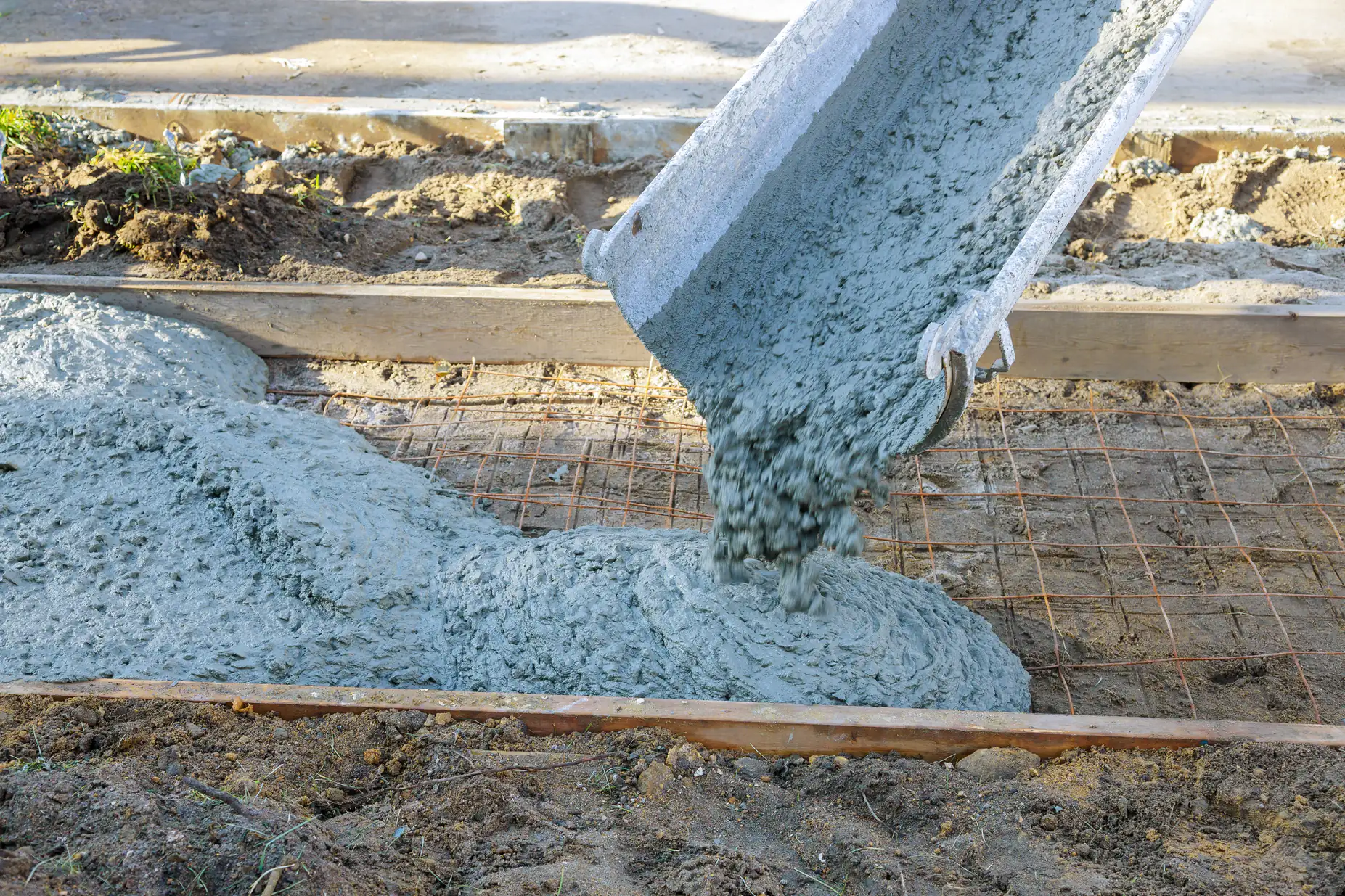
For asphalt work, we use hot mix asphalt applied at the temperature that ensures proper binding. For concrete, we use Portland cement mixes with rebar reinforcement, not the thin pours that crack in the first winter. If you want decorative stamped concrete or paver patios, we handle that too.
We also do sealcoating, patching, and parking lot striping. North Jersey’s climate requires sealcoating every three to five years if you want to extend your pavement’s lifespan. We’ll tell you honestly whether you need a full replacement or if resurfacing will buy you another decade. The goal is to give you accurate information so you can make the right call for your property and budget.
A properly installed asphalt driveway in Franklin Center, NJ should last 15 to 25 years. The wide range comes down to installation quality and maintenance. If the base layer was graded correctly for drainage and compacted to the right density, and if you sealcoat every three to five years, you’re looking at the higher end of that range.
Franklin Center, NJ experiences some of the most intense freeze-thaw cycles in New Jersey. When water seeps into small cracks, freezes, expands, and then thaws repeatedly, it destroys pavement fast. That’s why the base work matters so much here—it needs to handle drainage properly so water doesn’t pool and seep down.
The asphalt itself also matters. Hot mix asphalt applied at the right temperature bonds correctly and resists cracking better than cold patch or recycled asphalt that wasn’t processed properly. If someone’s offering a price that seems too good, they’re probably cutting corners on materials or base preparation. Those driveways might look fine for two years, then fall apart.
Asphalt costs less upfront and handles freeze-thaw cycles better because it flexes slightly instead of cracking. It needs sealcoating every few years to prevent sun damage and water penetration. Concrete costs more initially but can last 30 years or longer with minimal maintenance if it’s poured correctly with rebar reinforcement.
In Franklin Center’s climate, both work well if installed properly. Asphalt is the more common choice for residential driveways because of the lower initial cost and easier repairs. If a section gets damaged, you can patch asphalt relatively easily. Concrete repairs are more visible and harder to blend in.
Concrete makes sense if you want decorative options like stamped patterns or colored finishes. It also handles heavy loads better, which matters for commercial properties or homes with large vehicles. The main thing is making sure whoever installs it understands Morris County drainage requirements and doesn’t skip the rebar reinforcement. Concrete without proper reinforcement will crack within a few winters here.
Asphalt driveways in Morris County typically run between $3 and $7 per square foot installed, depending on site conditions and current asphalt prices. Concrete runs $8 to $15 per square foot. A standard two-car driveway is around 600 square feet, so you’re looking at $1,800 to $4,200 for asphalt or $4,800 to $9,000 for concrete.
Those ranges are wide because every property is different. If your existing driveway needs significant excavation, or if drainage is complicated, or if access is difficult for equipment, costs go up. If the base layer is in good shape and we’re just resurfacing, costs come down. The only way to get an accurate number is to have someone look at your specific property.
Be skeptical of quotes that come in way below these ranges. Paving contractors who lowball usually skip the base preparation or use substandard materials. You’ll save money upfront and then spend twice as much fixing problems within a few years. We provide written estimates that break down exactly what you’re paying for so you can compare apples to apples.
Late spring through early fall is ideal for paving work in Franklin Center, NJ. Asphalt needs temperatures above 50 degrees to cure properly, and you want several days of dry weather before and after installation. That typically means May through October in Morris County.
Summer is the busiest season because conditions are most predictable. If you’re planning paving work, schedule it early in the season before contractors get booked up. We start getting swamped in June and July with people trying to get work done before fall.
You can technically pave in cooler weather if temperatures stay above 50 degrees, but it’s riskier. One unexpected cold snap or rainstorm can ruin a fresh installation. For concrete work, you need temperatures above 40 degrees for at least three days after pouring. We don’t recommend paving in winter in North Jersey unless it’s an emergency repair, and even then, the results won’t be as durable as warm-weather work.
It depends on what you’re doing. If you’re repaving an existing driveway in the same footprint, most municipalities in Morris County don’t require a permit. If you’re expanding the driveway, changing drainage patterns, or working near the street, you probably need one.
Franklin Center falls under Franklin Township regulations. They care most about stormwater management and making sure your driveway work doesn’t create drainage problems for neighboring properties or the street. If your property slopes toward the road or if you’re adding significant impervious surface area, expect permit requirements.
We handle this regularly and can tell you during the estimate whether your project needs permits. If it does, we’ll walk you through what’s required. The permit process adds time to the project but it’s not complicated if you submit the right documentation. The bigger issue is contractors who skip permits when they’re required—that creates problems when you sell the property or if a neighbor complains.
If you’re seeing surface cracks smaller than a quarter-inch and the pavement is still structurally sound, sealcoating and crack filling will buy you several more years. If cracks are wider, if you’re seeing potholes, or if sections are sinking, you’re looking at more significant work.
The real test is what’s happening with the base layer. If water is pooling in spots or if you can feel sections moving when you drive over them, the base has failed. At that point, resurfacing won’t fix the problem—you need to excavate and rebuild the base. That’s essentially a full replacement.
We’ll give you an honest assessment when we look at your property. Sometimes patching and sealcoating makes sense if you’re planning to sell in a few years and just need the driveway to look presentable. Sometimes resurfacing works if the base is solid but the top layer is worn. And sometimes replacement is the only option that makes financial sense. We’ll explain what we’re seeing and why we’re recommending what we recommend, and then you decide what works for your situation.