
Hear from Our Customers

Your driveway takes a beating every winter. Water gets into small cracks, freezes, expands by 9%, and turns minor damage into major problems. That’s not a maybe in Morris County—it’s a guarantee if the work isn’t done right.
Proper paving means starting with the foundation. The subgrade needs correct grading and drainage so water moves away from the surface instead of pooling underneath. Then comes the right asphalt mix applied at the right temperature with proper compaction. Skip any of these steps and you’re looking at premature failure.
The difference shows up in year three, year five, year ten. A properly installed driveway in The Hills can last 15-20 years with basic maintenance. Poor installation might give you five years before you’re dealing with serious cracking, settling, or complete failure. The upfront cost difference is minimal compared to what you’ll spend on emergency repairs or full replacement.
We’ve worked in The Hills and throughout Morris County for decades. We know the soil conditions here, the drainage requirements, and exactly how freeze-thaw cycles affect pavement performance in this area.
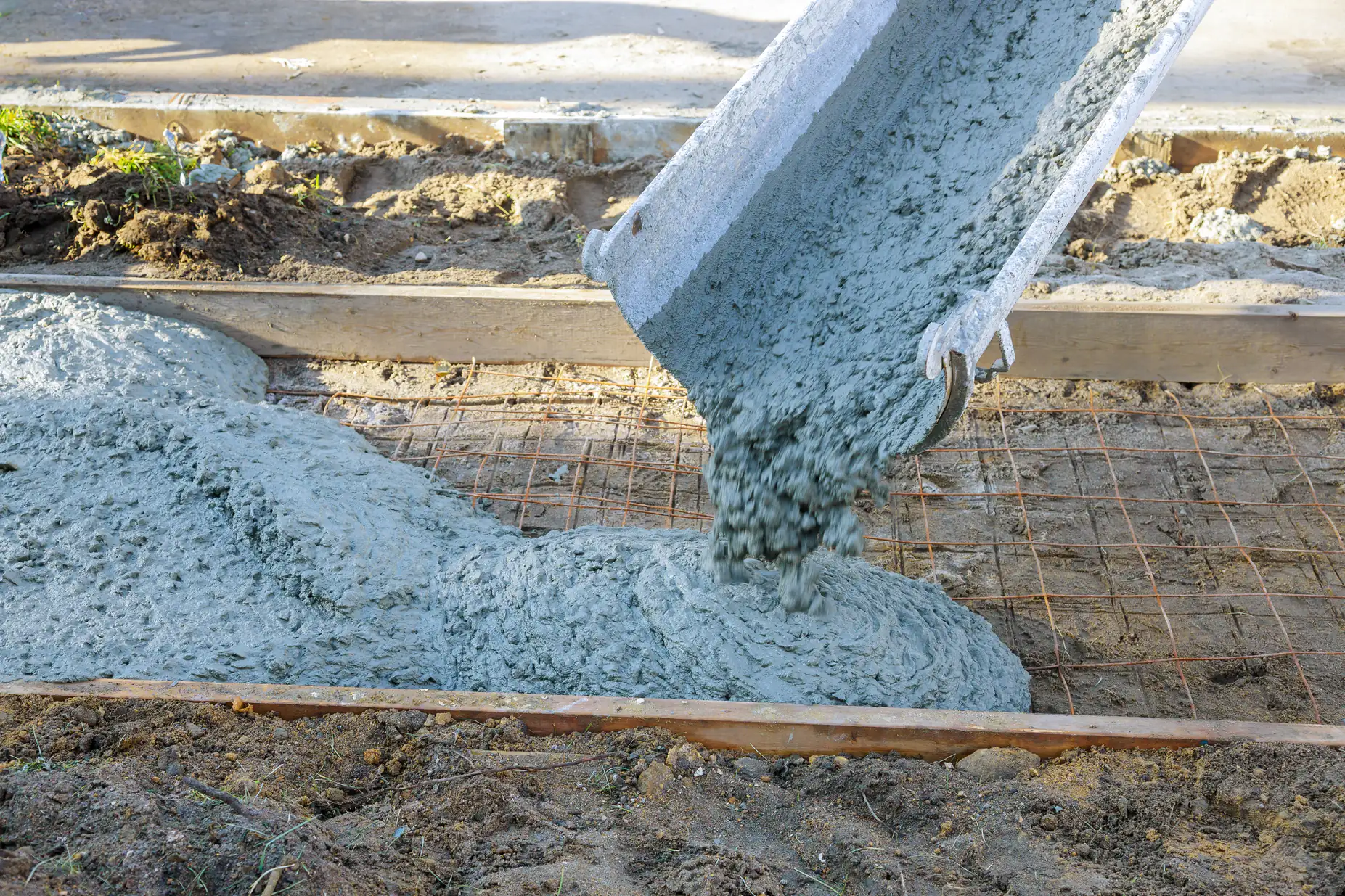
Our crews use high-grade hot mix asphalt applied at proper temperatures, not the shortcuts that cause early failure. For concrete work, we use Portland cement mixes with rebar reinforcement where needed. We also offer decorative stamped concrete if you want something beyond standard finishes.
The Hills sits in a high-value market where property appearance matters. We’ve paved driveways for townhomes, condos, and single-family houses throughout this community. Most of our work comes from referrals, which tells you something about how the finished product holds up.

First, we look at your property and assess the existing conditions. Is there proper drainage? What’s the subgrade situation? How much traffic will this surface handle? These factors determine the approach and materials.
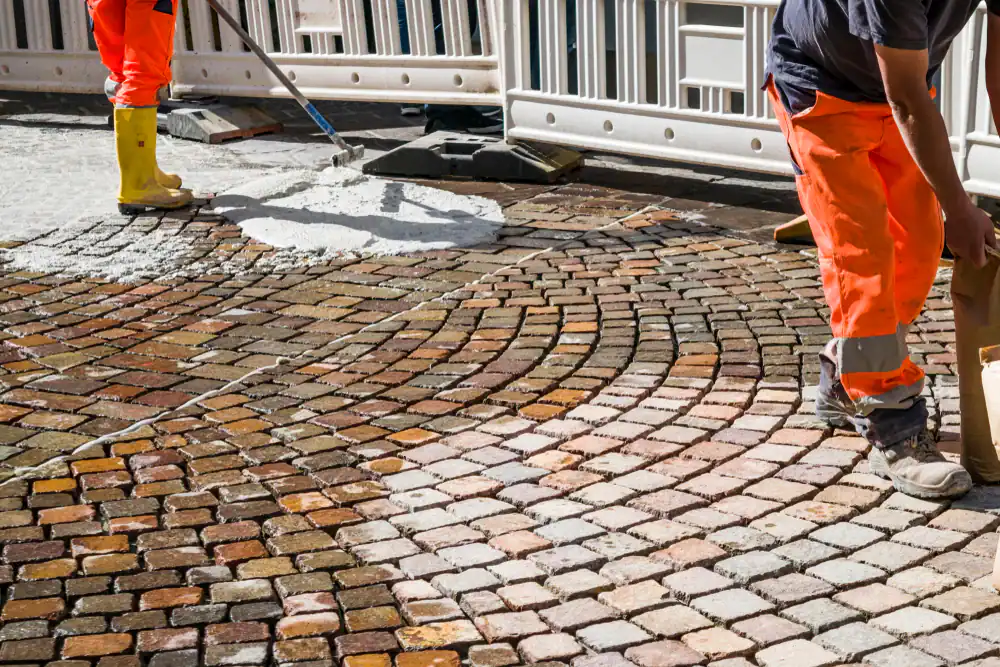
Next comes site preparation. We excavate to the proper depth, grade for drainage, and compact the subgrade. This foundation work is where most cheap jobs fail. You can’t see it once the asphalt goes down, but it’s the difference between a driveway that lasts and one that doesn’t.
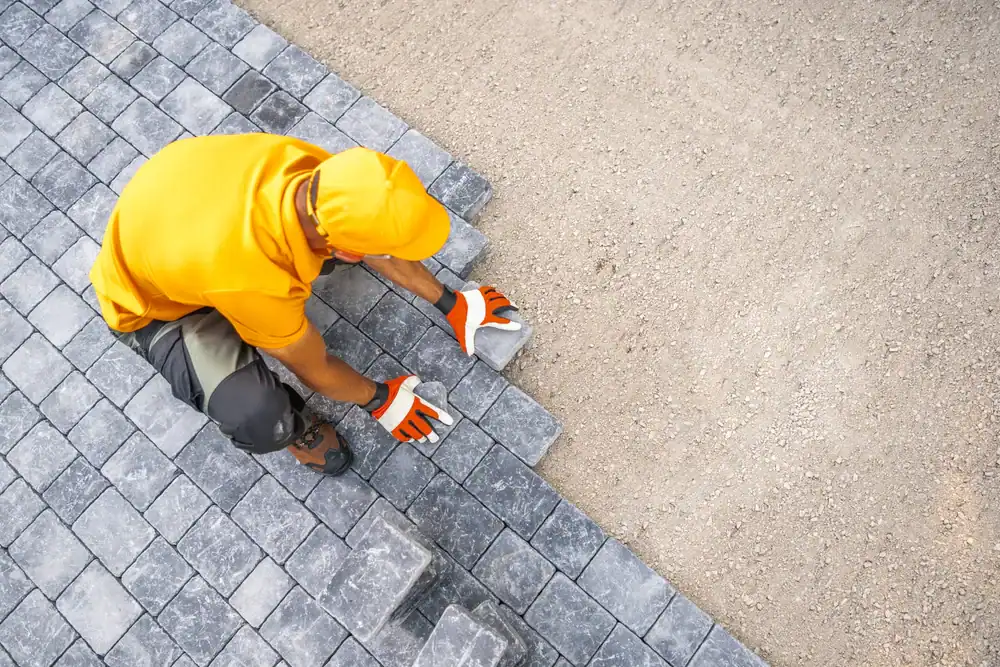
Then we install the asphalt or concrete. For asphalt, we use hot mix applied at the right temperature with proper compaction using commercial-grade equipment. For concrete, we pour Portland cement mixes with appropriate reinforcement and finish to your specifications.
Most residential driveways in The Hills take one to three days depending on size and scope. We give you a clear timeline upfront and stick to it. You’ll know when we’re starting, what to expect each day, and when you can use the surface again.
Ready to get started?
We handle new installations, complete replacements, resurfacing, and repairs for both residential and commercial properties. That includes driveways, parking lots, walkways, and any other paved surfaces on your property.
For The Hills specifically, drainage is critical. Properties here need proper grading to handle water runoff, especially with the freeze-thaw cycles we get from December through February. We make sure water moves away from your foundation and doesn’t pool on the surface where it can cause damage.
Material selection matters in Morris County. We use asphalt mixes designed for this climate and traffic conditions. The binder content, aggregate size, and mix temperature all affect long-term performance. We’re not just throwing down the cheapest material available—we’re installing surfaces engineered for local conditions.
You also get transparent pricing with no surprise charges. We detail exactly what work we’re doing, what materials we’re using, and what the total cost will be. If conditions change during excavation and additional work is needed, we discuss it with you before proceeding. No one likes unexpected bills, and we don’t operate that way.
A properly installed asphalt driveway in The Hills should last 15-20 years with basic maintenance like sealcoating every few years. The key word is “properly installed”—that means correct subgrade preparation, proper drainage, quality materials, and professional installation.
Morris County weather is tough on pavement. The freeze-thaw cycles we get every winter cause water to expand and contract in any cracks or weak points. If the foundation isn’t right or the asphalt wasn’t applied correctly, you’ll see premature failure well before that 15-year mark.
Maintenance extends the life considerably. Sealcoating every 2-3 years protects the surface from water penetration and UV damage. Filling cracks promptly prevents small issues from becoming big problems. Neglect maintenance and even a well-installed driveway will deteriorate faster than it should.
Asphalt costs less upfront and handles freeze-thaw cycles better because it has some flexibility. It needs sealcoating every few years but repairs are straightforward. Concrete costs more initially but can last longer with minimal maintenance if installed correctly.
For The Hills properties, both work well depending on your priorities. Asphalt gives you that classic black surface and better value for larger areas like long driveways. Concrete offers more design options with stamped patterns and colors, plus it doesn’t need sealcoating.
The climate here favors asphalt slightly because concrete can crack more easily when water freezes underneath. But proper installation with good drainage and reinforcement makes concrete perfectly viable. It really comes down to budget, aesthetics, and how much ongoing maintenance you want to deal with.
Start with insurance and licensing. Any paving company working on your property should carry general liability insurance and proper coverage. Ask for proof—legitimate contractors provide it without hesitation. This protects you if something goes wrong during the project.
Check their local experience. A contractor who’s worked in Morris County understands the soil conditions, drainage requirements, and climate factors that affect pavement performance here. They should be able to explain how they handle freeze-thaw cycles and what materials they use for this area.
Get detailed quotes from multiple contractors. The quote should specify materials, preparation work, timeline, and total cost. Be wary of prices significantly lower than others—cheap bids usually mean shortcuts on preparation or materials. You’re better off paying fair market rate for work that lasts than saving money upfront and dealing with problems in a few years.
Poor drainage is the number one cause. Water that pools on or under the surface freezes in winter, expands, and creates pressure that cracks the asphalt. This is especially problematic in The Hills where we get consistent freeze-thaw cycles from December through February.
Inadequate base preparation is the second major issue. If the subgrade isn’t properly compacted or graded, the asphalt above will settle unevenly and crack. You can’t see the base once the asphalt is down, which is why cheap installations often fail—they skip the foundation work that actually matters.
Using low-quality materials or incorrect installation techniques also causes premature failure. Asphalt needs to be applied at the right temperature with proper compaction. Too cold and it won’t bond correctly. Insufficient compaction leaves air pockets that lead to cracking. These aren’t things you can easily verify as a homeowner, which is why contractor selection matters.
Asphalt driveways typically run $3-7 per square foot depending on site conditions, access, and preparation needed. A standard two-car driveway around 600 square feet would cost $1,800-4,200. Concrete costs more, usually $6-12 per square foot, so that same driveway would be $3,600-7,200.
These ranges exist because every property is different. If we need to remove old pavement, address drainage issues, or deal with difficult access, costs increase. Properties in The Hills with steep grades or limited equipment access require more labor and time.
Material costs have risen significantly. Asphalt cement went from $299 per ton in 2016 to $460 per ton in 2021, and it hasn’t come back down. Concrete and aggregate prices have also increased. Anyone quoting prices from five years ago isn’t being realistic about current market conditions.
Late spring through early fall is ideal for asphalt work in New Jersey. Asphalt needs warm temperatures for proper installation—ideally above 50°F at night and 70°F during the day. The material has to be applied hot and needs time to cure properly.
Summer is peak season, which means longer wait times and sometimes higher prices due to demand. Spring and fall offer good weather with potentially better availability. We can do repairs in cooler weather if necessary, but new installations really need those warmer temperatures.
Winter is generally not suitable for asphalt installation in Morris County. Cold temperatures prevent proper compaction and curing. Emergency repairs can be done with cold patch material, but it’s a temporary fix until proper repairs can be made in warmer months. Plan your project for spring if possible to avoid the summer rush.