
Hear from Our Customers

Your driveway shouldn’t need patching every spring. Your parking lot shouldn’t puddle after every rainstorm. And you shouldn’t be calling around for emergency pothole repairs when the ground thaws in March.
Proper paving work in Somerset County means understanding that New Jersey’s freeze-thaw cycles will destroy anything that isn’t built right the first time. Water gets into cracks, freezes, expands, and turns minor surface issues into structural failures. That’s why the base matters more than the top coat, why drainage determines how long your asphalt lasts, and why the crew doing the work needs to know what they’re doing—not just how to operate a roller.
When pavement contractors actually do the job correctly, you get years without callbacks. No standing water. No premature cracking. No surprise repair bills when you’re trying to budget for other property needs. Just a surface that does its job quietly while you focus on everything else.
Platinum Paving is a third-generation contractor based in Dover, serving Morris, Sussex, and Somerset Counties for over 20 years. We’re the crew that shows up when we say we will, finishes in the timeline we quoted, and doesn’t disappear when you call six months later with a question.
We’re fully licensed and insured throughout Somerset County, BBB accredited, and we’ve worked on enough driveways, parking lots, and municipal projects around Basking Ridge to know what holds up and what doesn’t. We’re not the cheapest option you’ll find—and that’s actually a good thing for you. You’re paying for high-grade hot mix asphalt applied at the right temperature, proper compaction that hits target density, and a base that’s engineered for this climate.
Most paving companies near you will give you a number and show up with a crew. We’ll give you a 12-18 page condition report with photos, explain why we’re recommending what we’re recommending, and make sure you understand what you’re paying for before we pour anything.

First, we assess your existing pavement and drainage. Most failures start with water going where it shouldn’t, so we’re looking at grading, runoff patterns, and whether your base is still doing its job. If it’s not, no amount of new asphalt on top will fix the problem.
Next, we prepare the site. That means removing damaged material, regrading if needed, and making sure the base is compacted correctly. Shortcuts here cost you years of lifespan. We use heavy rollers to hit the density specs that actually matter—not just smooth it out and call it done.
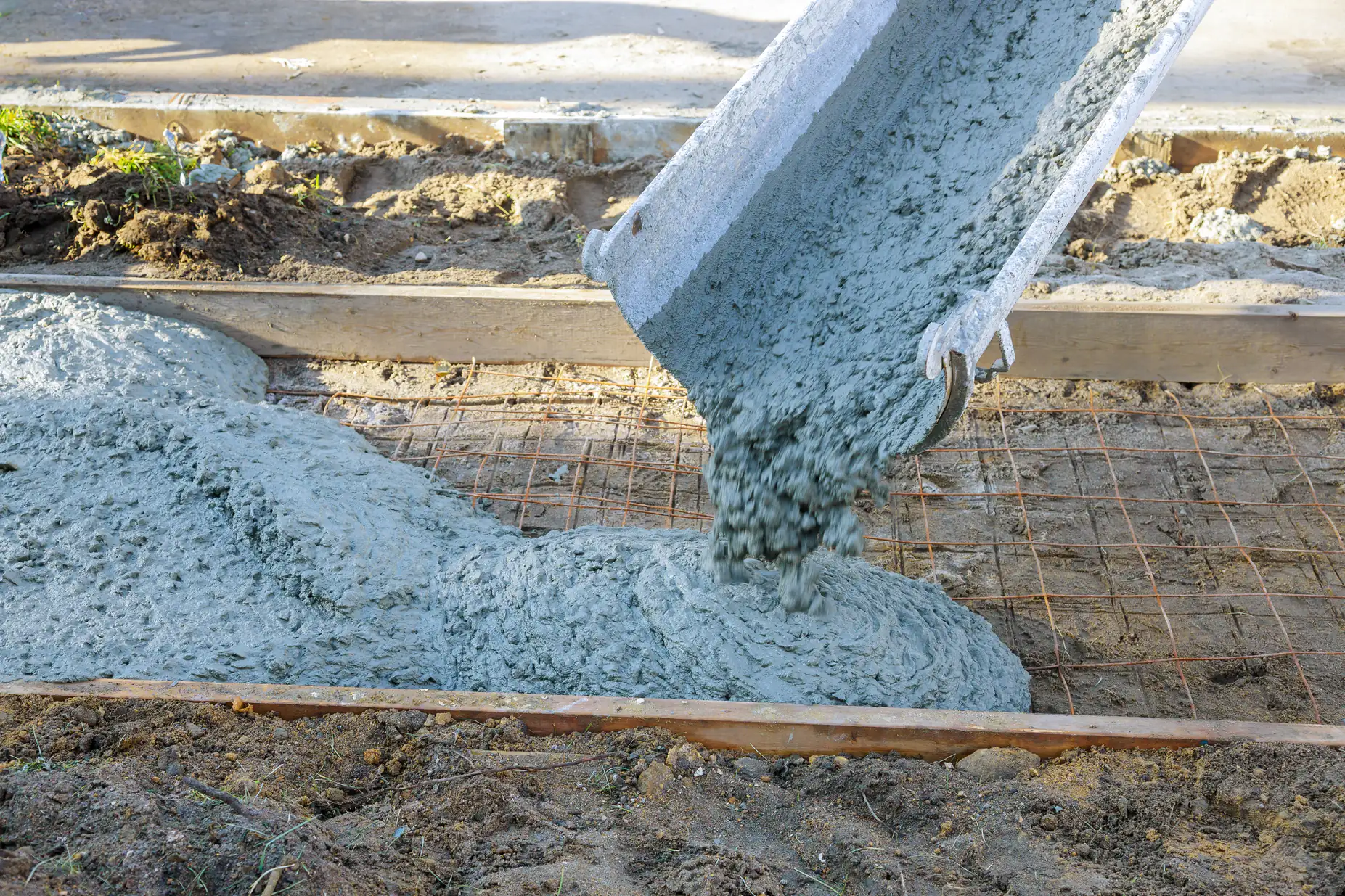
Then we install the asphalt or concrete. For blacktop work, we’re using high-grade hot mix asphalt designed for New Jersey’s temperature swings, applied when it’s hot enough to compact properly. For concrete, that’s Portland cement with rebar reinforcement. We can also do decorative stamped patterns if you want your driveway or patio to look like something other than a flat gray slab.
Most residential projects finish in one to three days. Commercial work depends on size and complexity, but we’ll give you a realistic timeline upfront—and we’ll stick to it. You’ll get progress updates, and if something changes, you’ll know before it affects your schedule.
Ready to get started?
You’re getting the full scope—site prep, grading, base work, paving, compaction, and final grading. We handle drainage solutions because poor drainage kills more asphalt than anything else in this climate. If water isn’t flowing away from your building and toward proper drainage points, your pavement won’t last. Period.
We also handle sealcoating, crack filling, pothole repair, and parking lot striping. If you’re managing a commercial property in Somerset County, we can set you up on a maintenance schedule that keeps small problems small instead of waiting until you need a full resurface.
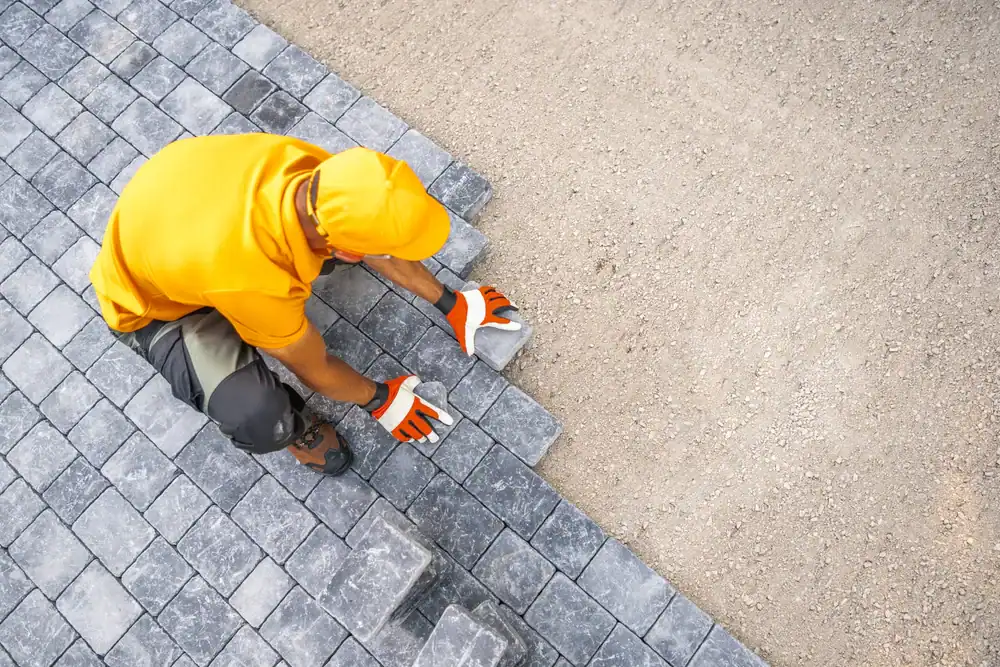
For residential customers around Basking Ridge, that means driveways, walkways, and paver patios. For commercial clients, it’s parking lots, loading zones, and site work. We’re working with the same materials and methods either way—the only difference is scale.
And because this is New Jersey, we’re accounting for winter. That means understanding how salt affects your surface, how freeze-thaw cycles create failures, and what you can do now to avoid emergency repairs in March. Most pavement companies near you will show up and pave. We’ll show up and explain what’s going to happen to that pavement over the next five years—and how to prevent it.
Properly installed asphalt in North Jersey typically lasts 15-20 years before needing replacement, but that number depends entirely on how it was built and how it’s maintained. If your base wasn’t compacted correctly or your drainage is pushing water under the surface, you’ll see failures in 5-7 years instead.
New Jersey’s freeze-thaw cycles are brutal on pavement. Water seeps into small cracks, freezes, expands, and turns minor surface issues into structural problems. That’s why the base and drainage matter more than the thickness of your top coat. A two-inch overlay on a failing base is just an expensive temporary fix.
If you sealcoat every 2-3 years and address cracks when they’re still small, you’ll get the full lifespan out of your asphalt. If you ignore it until potholes form, you’re looking at costly repairs or early replacement. Most property owners around Basking Ridge who stay on top of maintenance get 18-20 years without major work.
Late spring through early fall is ideal—specifically May through October when temperatures consistently stay above 50°F. Asphalt needs to be applied hot and compacted while it’s still workable, and cold weather makes that nearly impossible to do correctly.
Summer is the busiest season for paving contractors, which means longer wait times and less flexibility on scheduling. Spring and fall often give you better availability and sometimes better pricing, plus crews aren’t working in 95-degree heat, which can actually make for better quality control.
Winter paving is possible in emergency situations, but it’s not ideal. The asphalt cools too quickly, compaction suffers, and you won’t get the same long-term performance. If you’re planning work around your property in Somerset County, reach out in early spring to get on the schedule for late spring or summer installation. That gives you the best weather window and the most options for timing.
Residential driveway paving in North Jersey typically runs $7-15 per square foot depending on site conditions, access, and whether you need base work or just an overlay. Commercial parking lot work can range lower per square foot due to economies of scale, but every project is different.
Here’s what affects your cost: if we’re tearing out old asphalt and rebuilding the base, that’s more expensive than resurfacing over a solid existing base. If your property has drainage issues, we need to address those or the new pavement won’t last. If access is tight or we’re working around landscaping, that adds labor time.
Asphalt prices have been volatile the last few years due to oil market fluctuations and supply chain issues. What cost $10 per square foot two years ago might be $12 now. That’s why we give you clear upfront pricing with no surprise charges—you’ll know exactly what you’re paying and what’s included before we start. Most driveways in Basking Ridge run $4,000-8,000 depending on size and scope.
Yes, and here’s why: sealcoating protects your asphalt from UV damage, water infiltration, and chemical breakdown from oil and salt. In New Jersey, where we salt roads heavily all winter, that protection matters. Sealcoating every 2-3 years can double the lifespan of your driveway.
Think of it like painting your house. The paint isn’t structural, but it protects the wood underneath from rot and weather damage. Sealcoat does the same thing for asphalt—it’s a protective layer that keeps the elements from degrading the pavement itself.
You shouldn’t sealcoat brand new asphalt immediately. Wait 6-12 months to let the surface cure and oils evaporate. After that, plan on sealcoating every 2-3 years depending on traffic and exposure. If you’re seeing faded gray asphalt instead of deep black, or if small cracks are starting to show up, it’s time. Most property owners around Somerset County who sealcoat regularly avoid the bigger repair bills that come from neglect.
Poor drainage is the number one killer of asphalt in New Jersey. When water sits on the surface or seeps into the base, it weakens the foundation. Then freeze-thaw cycles do the rest—water expands when it freezes, pushing pavement apart from underneath. That’s how you get alligator cracking and potholes.
The second biggest cause is improper installation. If the base wasn’t compacted to the right density, if the asphalt was applied too cold, or if the thickness isn’t adequate for the load it’s carrying, you’ll see premature failure. Residential driveways need 2-3 inches of compacted asphalt over 4-6 inches of compacted base. Anything less is a shortcut that costs you later.
Tree roots, heavy vehicles on pavement designed for cars, and skipping maintenance also contribute. If you’ve got a 20-year-old maple tree next to your driveway, those roots are eventually going to push up through the asphalt. If you’re parking a commercial truck on a residential driveway, the pavement will fail faster than it should. And if you ignore small cracks until they become big cracks, water gets in and the damage accelerates. Most failures around Basking Ridge come down to drainage and installation quality—fix those two things and your pavement will last.
It depends on the condition of what’s underneath. If your existing asphalt has a solid base, minimal cracking, and no drainage issues, an overlay can work and costs significantly less than full removal and replacement. If the base is failing, the surface is alligatored, or water is pooling, an overlay is just putting new asphalt on top of a problem—and you’ll see the same failures come through in a year or two.
We assess this during the initial site visit. We’re looking at crack patterns, surface deflection, drainage flow, and base stability. If the existing pavement moves when you drive over it, the base is compromised and needs to be rebuilt. If it’s solid but the surface is worn, an overlay makes sense.
Here’s the honest answer most paving companies near you won’t tell you upfront: overlays are cheaper now but might cost you more long-term if the underlying issues aren’t addressed. Full removal and replacement costs more upfront but gives you another 15-20 years of lifespan. We’ll walk you through both options, explain what we’re seeing on your property in Somerset County, and let you make the call based on your budget and timeline. No pressure, no upselling—just clear information so you can decide what makes sense for your situation.