
Hear from Our Customers

Your driveway stops turning into a cracked mess every spring. Water drains where it’s supposed to instead of pooling near your foundation or creating ice patches. The surface holds up through New Jersey’s 55-75 freeze-thaw cycles each winter without crumbling at the edges or developing potholes that cost thousands to fix later.
Proper installation means you’re not calling someone back in two years because the base wasn’t prepared correctly. It means your parking lot doesn’t embarrass your business or create liability issues when customers navigate around craters. Most residential driveways we install are done in 2-3 days, and if the work is done right, you’re looking at 15-25 years before you need to think about replacement.
The difference isn’t just how it looks when we’re finished. It’s how it performs five winters from now when your neighbor’s driveway is falling apart and yours still looks solid.
We operate throughout Morris, Sussex, and Somerset County. We’re not a crew passing through from out of state. We understand how Somerset County’s clay soil affects base preparation and why drainage solutions here need to account for specific grading challenges that don’t exist everywhere.
When we say we’ll be there Tuesday at 8 a.m., we show up Tuesday at 8 a.m. When we give you a quote, that’s what you pay—no surprise charges when the job’s done. We’ve completed enough driveways and commercial parking areas in Blackwells Mills and surrounding towns to know what works and what causes problems down the road.
You can drive past our work. You can talk to property owners who’ve used us. That’s the kind of accountability you get when a paving company actually operates in the community instead of just advertising here.

First, we look at your property and give you an upfront quote that breaks down materials, labor, and timeline. No vague estimates that change later. If there are drainage issues or base problems that need addressing, we tell you before work starts, not after we’ve torn everything up.
Once we start, proper excavation comes first. That means removing old pavement and enough soil to create a stable base—usually 8-12 inches deep for driveways. We grade for drainage so water moves away from your foundation and doesn’t pool on the surface. Then we compact the base material in layers, not all at once, because shortcuts here cause failures later.
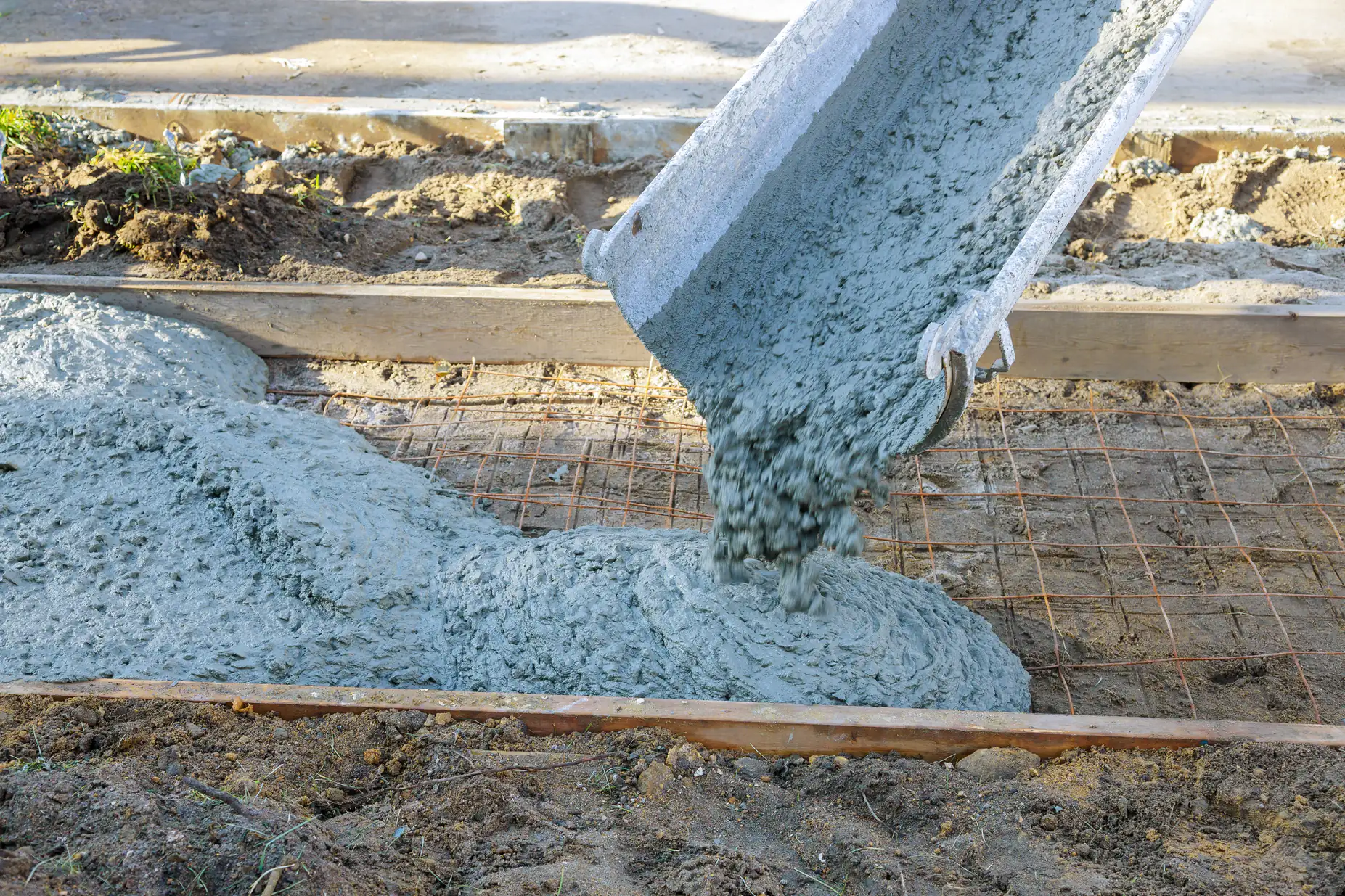
For asphalt, we use high-grade hot mix applied at proper temperature—not the recycled material some companies use to cut costs. For concrete, we’re talking Portland cement mixes with rebar reinforcement, not thin pours that crack the first winter. The surface gets finished, compacted again, and then it needs time to cure before you can use it. We’ll tell you exactly how long that is based on weather conditions and what we installed.
Ready to get started?
You’re getting proper site preparation, which matters more than most people realize. That includes excavation to the right depth, grading that prevents water problems, and base material that’s compacted correctly. We’re not skipping steps to finish faster or cut costs.
For residential driveways in Blackwells Mills, that typically means 2-3 inches of asphalt over a compacted stone base, with attention to how it meets your garage and connects to the street. For commercial parking lots, we’re talking about proper thickness for the traffic load you’ll see, line striping, and drainage solutions that prevent standing water and ice formation.
Somerset County properties deal with specific challenges. The freeze-thaw cycles here are brutal—water gets into small cracks, freezes, expands, and turns minor issues into major failures. That’s why proper installation and drainage matter so much. A driveway that might hold up fine in a milder climate fails here if it’s not done right.
We also handle repairs, sealcoating, and maintenance for existing pavement. Sometimes you don’t need full replacement. Sometimes crack sealing and a fresh sealcoat buy you another 5-10 years. We’ll tell you honestly what makes sense for your situation and budget.
Most residential driveways in Somerset County run between $3.50 and $6 per square foot for asphalt installation, which typically puts total project costs somewhere between $2,600 and $8,000 depending on size and site conditions. New Jersey prices run about 15-25% higher than national averages because of labor costs and the fact that pavement here takes more abuse from weather.
Concrete costs more upfront—usually $6-12 per square foot installed—but lasts longer if that fits your budget and goals. The wild card is always site preparation. If your property has drainage issues, poor soil conditions, or needs significant grading work, that adds to the cost. But addressing those problems during installation is way cheaper than dealing with premature pavement failure two years later.
We give you a detailed quote upfront that breaks down what you’re paying for. No surprises when the work’s done.
Late spring through early fall gives you the best conditions—basically late April through early October when temperatures consistently stay above 50°F. Asphalt needs warm weather to cure properly. If it’s too cold, the material doesn’t compact right and you end up with problems.
Summer is peak season, which means higher prices and longer wait times. If your schedule is flexible, late spring or early fall often saves you money because demand is lower. You’re looking at potentially hundreds or even thousands in savings just by timing it right.
Winter paving is possible in emergency situations, but it’s not ideal. The material doesn’t perform as well in cold temperatures, and you’re paying premium rates for work that’s harder to do properly. If you can wait until spring, wait.
A properly installed asphalt driveway should give you 15-25 years before you’re looking at replacement, assuming you keep up with basic maintenance like sealcoating every 3-5 years and fixing cracks before they spread. Somerset County’s freeze-thaw cycles are tough on pavement, so maintenance matters more here than in milder climates.
The biggest factor is installation quality. If the base wasn’t prepared correctly or drainage wasn’t addressed, you might see failures in 5-7 years instead of 20. That’s why the cheapest quote often costs you more in the long run. Proper excavation, base preparation, and grading aren’t optional steps—they’re what determines whether your driveway lasts or fails early.
Sealcoating protects the surface from water intrusion, UV damage, and chemical exposure from oil or gas. It’s not just cosmetic. Regular sealcoating can extend your driveway’s life by 10-15 years compared to never maintaining it.
Water is the main culprit, especially combined with freeze-thaw cycles. Water seeps into small cracks, freezes when temperatures drop, expands, and makes the crack bigger. Do that 55-75 times each winter and small cracks become big problems fast. Eventually water reaches the base layer, weakens it, and you get potholes or sections that collapse.
Poor drainage makes everything worse. If water pools on your driveway instead of draining away, it has more opportunity to work its way into the pavement. That’s why proper grading and drainage solutions during installation matter so much. A driveway that sheds water properly lasts way longer than one where water sits.
The other common cause is poor installation—thin asphalt over an inadequate base, no compaction, or skipped steps to finish the job faster. That kind of work might look fine initially, but it fails early. A crack that costs under $50 to seal professionally can turn into thousands in repairs once the base layer is compromised.
Most residential driveway work in Somerset County doesn’t require a permit if you’re repaving an existing driveway in the same footprint. But if you’re expanding your driveway, changing drainage patterns, or doing work that affects the right-of-way near the street, you probably need approval from the local municipality.
Commercial paving projects almost always require permits, and there are specific requirements for ADA compliance, drainage, and stormwater management that vary by municipality. It’s not something you want to guess about because doing unpermitted work can create problems when you try to sell the property or if a neighbor complains.
We handle this kind of thing regularly and can tell you what’s required for your specific project. In most cases, if permits are needed, we can help you navigate that process. It’s better to know upfront than to deal with code enforcement issues after the work is done.
Asphalt costs less upfront and handles freeze-thaw cycles better because it has some flexibility. It needs more maintenance—sealcoating every few years—but repairs are usually simpler and cheaper. Most residential driveways in Somerset County are asphalt because it makes sense for the climate and budget.
Concrete lasts longer and needs less maintenance, but it costs roughly double what asphalt does initially. It can crack in cold weather if it’s not installed with proper expansion joints and reinforcement. Decorative options like stamped patterns give you more design flexibility if that matters for your property’s appearance.
The honest answer depends on your budget, how long you plan to stay in the property, and what kind of maintenance you’re willing to do. If you’re planning to be there 20+ years and want something you can mostly ignore after installation, concrete might make sense. If you want lower upfront costs and don’t mind periodic sealcoating, asphalt is usually the better choice for New Jersey driveways.