
Hear from Our Customers

A driveway installed right doesn’t just look better. It drains properly, so water never pools where it can freeze and crack the surface. It’s built on a compacted base that won’t shift when the ground thaws in spring.
You’re looking at 15 to 25 years of use instead of 5 years before major repairs. That’s the difference between contractors who know what they’re doing and those who just lay blacktop and hope for the best.
In Watchung, where property values average over $800,000, your driveway isn’t just functional. It’s the first thing people see. Proper paving protects that investment and keeps your curb appeal where it should be.
We work across Morris, Sussex, and Somerset Counties. We’re grounded in Morris County, and we’ve seen what happens when contractors cut corners on base prep or use cold asphalt in October.
We’re licensed and insured, which shouldn’t be remarkable but somehow is in this industry. When we give you a price, that’s the price. When we say we’ll finish by Friday, we finish by Friday.
Watchung homeowners deal with steep driveways, drainage challenges, and weather that punishes bad installation. We’ve handled all of it. You’re not getting a crew that learned paving last summer.

First, we look at your property. Drainage matters more than most homeowners realize. Water is what kills asphalt, so we figure out where it’s going before we do anything else.
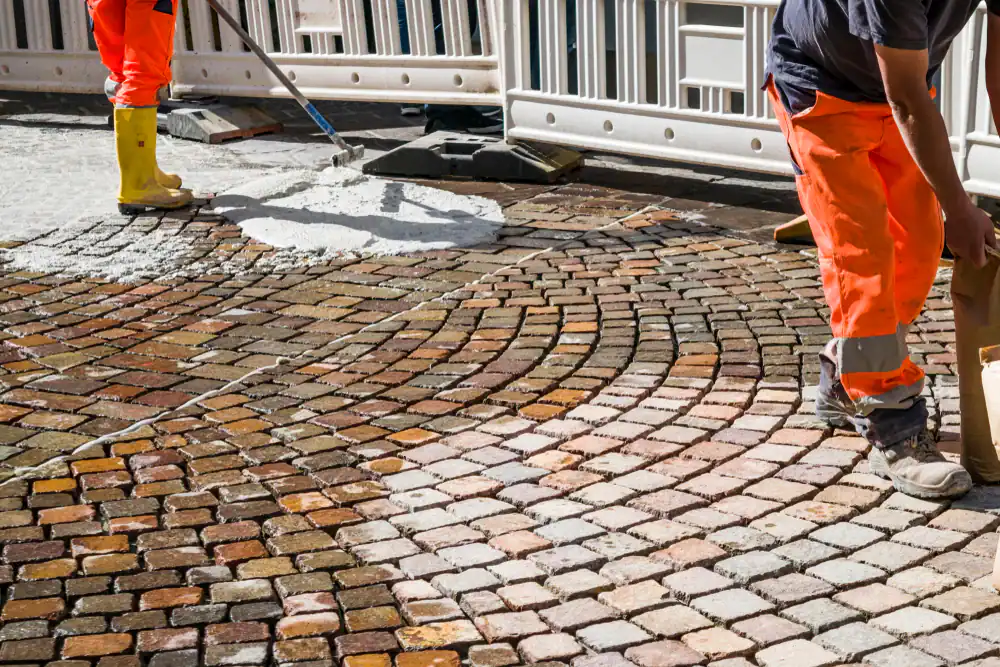
Next comes site prep and base work. We excavate to the right depth, compact the subgrade, and build a stone base that won’t shift. This is where most problems start, so we don’t rush it.
Then we apply high-grade hot mix asphalt at the proper temperature. It needs to be hot enough to compact correctly but not so hot it scorches. We use heavy rollers to hit target density, which is what gives you a surface that holds up under traffic and weather.
Final grading ensures water runs off instead of sitting on your driveway. You’ll get a surface that’s smooth, properly sloped, and built to handle New Jersey winters without falling apart in three years.
Ready to get started?
You get a site analysis that accounts for drainage, slope, and soil conditions specific to your property. Every job in Watchung is different because the terrain here doesn’t cooperate with cookie-cutter approaches.
We handle permits when needed. Most residential driveways don’t require them, but some do depending on size and location. We know the difference and we take care of it.
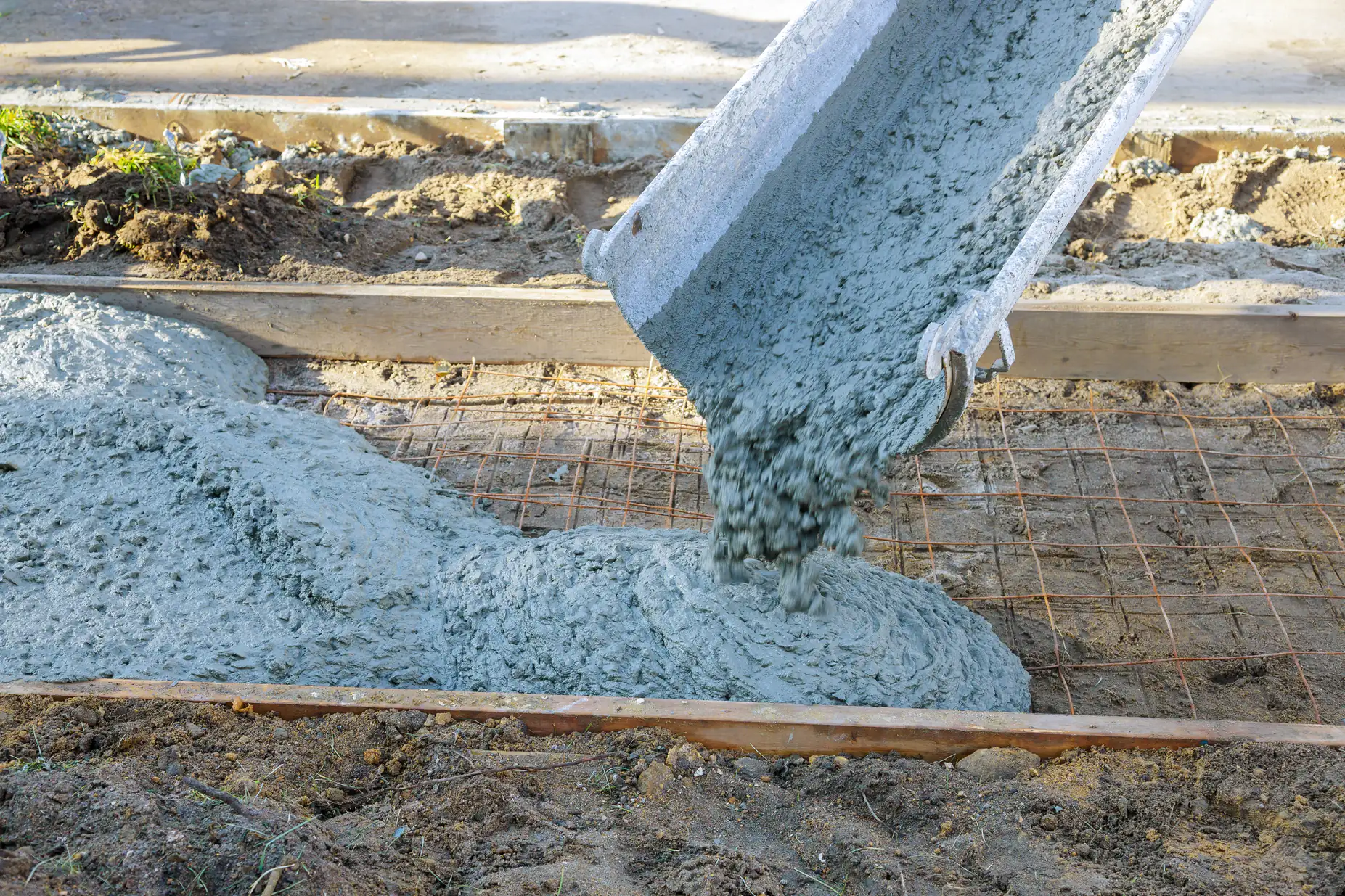
Material quality matters. We use Portland cement mixes with rebar reinforcement for concrete work. For asphalt, it’s high-grade HMA applied at temperature. Not the recycled stuff that breaks down in two years.
You also get clear pricing upfront. No surprise charges when we’re halfway done. And if you request a quote online, you’ll hear back within 24 to 48 hours. Watchung has plenty of paving companies near me when you search, but not all of them return calls or show up when they say they will.
A properly installed asphalt driveway lasts 15 to 25 years in New Jersey if you maintain it. That means sealcoating every few years and fixing small cracks before they turn into big problems.
The key word is “properly installed.” If the contractor skips base prep or uses thin asphalt, you’re looking at failure in 5 to 7 years. New Jersey’s freeze-thaw cycles are brutal. Water gets into cracks, freezes, expands, and breaks apart anything that wasn’t built right from the start.
Watchung’s climate makes this worse because of elevation and temperature swings. You need a contractor who understands how to build for local conditions, not someone following a generic process they use everywhere.
Asphalt costs less upfront and handles freeze-thaw cycles better because it flexes slightly. Concrete is more expensive but lasts longer and works well for decorative applications like stamped patterns.
In Watchung, most homeowners choose asphalt for cost and performance. It’s easier to repair, and when installed correctly, it holds up to snow plowing and de-icing salt without major issues. Concrete can crack if the base settles or if freeze-thaw cycles are severe.
That said, concrete makes sense for certain applications. Paver patios, walkways, and decorative areas benefit from concrete’s versatility. We install both, and the right choice depends on your property, budget, and how you plan to use the space.
You can drive on new asphalt within 24 to 48 hours in most cases. It needs time to cool and cure enough to handle vehicle weight without leaving tire marks or indentations.
Heavy vehicles or sharp turns should wait a bit longer, especially in hot weather. Asphalt stays softer when it’s warm outside, so if we finish your driveway in July, give it a few extra days before parking your truck on it.
We’ll give you specific guidance based on weather conditions and the type of asphalt we used. Some mixes cure faster than others. The goal is a surface that’s fully hardened and ready for normal use without risking damage during the curing process.
Yes, sealcoating extends the life of your asphalt by protecting it from water, UV damage, and chemicals like oil or de-icing salt. Plan on sealcoating every two to three years depending on traffic and weather exposure.
New driveways shouldn’t be sealcoated immediately. Wait at least six months to a year so the asphalt has time to cure fully. Sealcoating too early traps oils in the asphalt that need to evaporate, which can cause problems down the road.
In Watchung, where winters are harsh and summers get hot, sealcoating is one of the best things you can do to protect your investment. It’s not expensive, and it prevents the kind of damage that leads to costly repairs or full replacement.
Cracks happen when water gets under the asphalt and freezes, when the base wasn’t compacted properly, or when the asphalt layer is too thin. You can’t prevent all cracking, but proper installation and maintenance reduce it significantly.
The base is everything. If the stone base isn’t compacted correctly or if the subgrade isn’t stable, the asphalt will crack as the ground shifts. Water infiltration makes it worse because freeze-thaw cycles break apart anything that’s already weak.
Regular sealcoating and crack filling stop small problems from becoming big ones. Once a crack forms, water gets in. If you catch it early and seal it, you’re fine. If you ignore it, that crack turns into a pothole and you’re looking at expensive repairs instead of simple maintenance.
Cost depends on size, site conditions, and whether you need excavation or just resurfacing. A typical residential driveway runs anywhere from a few thousand dollars to significantly more if there are drainage issues or steep grades.
Watchung properties often have challenging terrain. If your driveway is steep or if drainage needs to be rerouted, that adds to the cost. But it’s necessary. Skipping proper drainage to save money now means you’ll pay more later when the driveway fails.
We give you clear pricing upfront with no surprise charges. You’ll know exactly what you’re paying for and why. Material costs have been volatile lately due to oil prices, but we lock in your price once we give you a quote.