
Hear from Our Customers

You stop worrying about potholes swallowing your front axle every March. Your driveway doesn’t turn into a drainage disaster when it rains. Visitors aren’t dodging cracks on their way to your front door.
That’s what proper paving looks like in Peapack and Gladstone. The base gets excavated to the right depth. Drainage gets handled before asphalt goes down. Materials are applied at the correct temperature and compacted properly.
Most driveways installed this way last over 20 years with basic maintenance. Commercial parking lots with heavy traffic need resurfacing sooner, but the foundation holds for decades when it’s built right the first time. You’re not dealing with emergency repairs or apologizing for your property’s appearance.
We’re a family-owned paving company based in Dover, serving Morris, Sussex, and Somerset Counties. We’ve been doing asphalt and concrete work in this area since before half the fly-by-night contractors showed up.
That means when you call, you’re talking to people who understand New Jersey’s climate challenges and local permit requirements. We know what materials work best in Peapack and Gladstone and how to prep surfaces for freeze-thaw cycles that destroy poorly installed pavement.
We’re licensed, insured, and established locally. Not the kind of operation that disappears after collecting payment.

First, we look at your existing surface and drainage situation. If water’s pooling or the base has settled, that gets addressed before new pavement goes down. Skipping this step is why cheap jobs fail within three years.
Next comes excavation and base preparation. For driveways, that’s typically 4-6 inches of compacted stone base. Parking lots handling heavier loads need more. The base gets graded for proper drainage and compacted in layers.
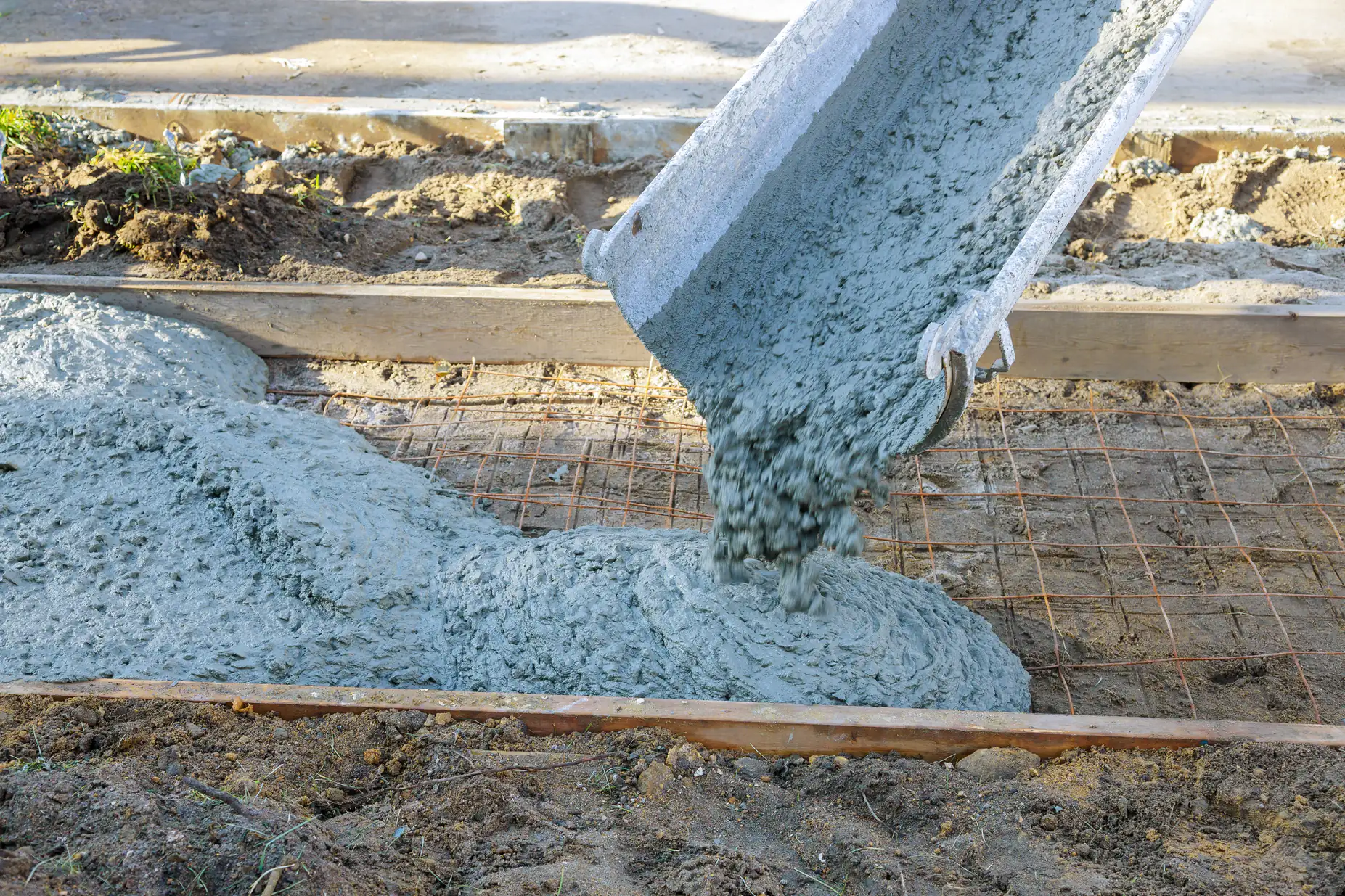
Then we install the asphalt or concrete. For asphalt, we use high-grade hot mix applied at the right temperature and compacted with commercial equipment. For concrete, we use Portland cement mixes with rebar reinforcement. The surface gets finished to your specs—standard broom finish or decorative stamped patterns for concrete, smooth or textured for asphalt.
You get a callback within 24-48 hours of requesting a quote. Projects get completed on schedule without surprise costs showing up halfway through.
Ready to get started?
You’re getting proper excavation, not just a thin layer of asphalt over whatever’s there now. Base preparation includes grading for drainage so water doesn’t pool on your surface or undermine the foundation.
Materials matter in Peapack and Gladstone’s climate. Summers hit 90+ degrees. Winters drop below freezing for weeks at a time. Cheap asphalt cracks. Thin concrete breaks. We use high-grade hot mix asphalt that stays flexible through temperature swings and Portland cement mixes strong enough to handle freeze-thaw cycles.
The work includes proper compaction with commercial equipment, not hand tampers that leave soft spots. Edges get finished cleanly. Transitions to existing surfaces get handled correctly. You’re not left with a mess or half-finished details.
For commercial projects, we handle ADA compliance, striping, and traffic management during installation. Residential work includes protecting landscaping and cleaning up completely when we’re done.
Properly installed asphalt typically lasts 15-20 years in New Jersey, sometimes longer with regular maintenance. The key word is “properly installed.”
That means adequate base preparation, correct asphalt thickness for your application, and proper compaction. Driveways need at least 2-3 inches of asphalt over a compacted stone base. Parking lots handling commercial traffic need thicker asphalt and a more robust base.
New Jersey’s freeze-thaw cycles are brutal on pavement. Water seeps into small cracks, freezes, expands, and turns minor damage into major problems. Quality installation prevents water infiltration in the first place. Sealcoating every 2-3 years adds another layer of protection and can extend your pavement’s life significantly. Most of our customers in Somerset County get over 20 years from their driveways with basic maintenance.
The difference shows up in about three years. Cheap paving skips excavation, uses thin asphalt layers, or doesn’t compact properly. The result is pavement that cracks, settles, or fails quickly.
Quality work starts below the surface. The existing material gets excavated to the proper depth. The base gets built in compacted layers with correct grading for drainage. Asphalt goes down at the right thickness for your application and gets compacted with commercial equipment, not hand tools.
Materials matter too. High-grade hot mix asphalt resists cracking better than cheap mixes. Proper installation temperature and compaction create a dense, durable surface. The price difference is usually 20-30%, but quality work lasts three times longer. You’re not calling for repairs every spring or replacing failed pavement in five years.
Usually, yes. Most municipalities in Somerset County require permits for new driveway installation or significant repaving work. Requirements vary by town and project scope.
Permits ensure work meets local codes for drainage, setbacks, and environmental regulations. Your contractor should handle permit applications as part of the job. If they’re not mentioning permits, that’s a red flag.
The permit process typically takes 1-2 weeks. It involves submitting plans showing the driveway location, drainage details, and sometimes soil erosion controls. There’s a fee, usually a few hundred dollars depending on project size. Skipping permits can cause problems if you sell your property later or if neighbors complain about drainage issues. We handle all permit requirements for projects in Peapack and Gladstone as part of our standard service.
Water is the main culprit. It seeps through the surface, gets trapped in the base, and causes damage through freeze-thaw cycles. Poor drainage makes it worse.
Prevention starts with proper installation. The base needs correct grading so water runs off instead of pooling. Adequate compaction prevents settling that creates low spots where water collects. Using quality asphalt mix and applying it at the right thickness gives you a surface that can handle temperature changes without cracking.
Maintenance extends your pavement’s life significantly. Sealcoating every 2-3 years fills minor surface cracks before water gets in. Fixing small cracks promptly prevents them from spreading. Keeping edges clean and supported stops them from crumbling. In Peapack and Gladstone’s climate, these steps are the difference between pavement that lasts 10 years and pavement that lasts 25 years. Regular maintenance costs a fraction of premature replacement.
Residential driveways typically run $3-$7 per square foot installed, depending on site conditions and project complexity. A standard two-car driveway (600 square feet) costs $1,800-$4,200.
But here’s what matters more than the price: what’s included. Cheap quotes often skip excavation, use thin asphalt, or don’t include proper base work. You’re paying for pavement that fails in a few years.
Quality installation costs more upfront but less over time. Proper excavation, adequate base preparation, correct asphalt thickness, and professional compaction mean your driveway lasts 20+ years instead of needing replacement in five. Commercial parking lot paving runs $2-$5 per square foot for resurfacing, more for full-depth replacement. Site access, drainage requirements, and base conditions affect pricing. We provide detailed written estimates that break down exactly what you’re getting, not vague line items that hide shortcuts.
Both work well in New Jersey’s climate when installed correctly. The choice usually comes down to budget, aesthetics, and how you’ll use the surface.
Asphalt costs less upfront, typically $3-$7 per square foot vs $5-$10+ for concrete. It handles freeze-thaw cycles well and is easier to repair if damage occurs. Asphalt needs sealcoating every 2-3 years but lasts 15-20 years with proper maintenance. It’s the practical choice for most residential driveways and commercial parking lots.
Concrete costs more initially but needs less maintenance over its 25-30 year lifespan. It offers more design options—stamped patterns, decorative finishes, different colors. Concrete stays cooler in summer and doesn’t need sealcoating. The tradeoff is higher upfront cost and more expensive repairs if cracking occurs. For Peapack and Gladstone properties where appearance matters and budget allows, concrete delivers long-term value. For commercial applications or budget-conscious projects, asphalt makes more sense.