
Hear from Our Customers

Somerset gets hit hard between December and March. Temperatures swing above and below freezing almost daily. Water seeps into cracks, freezes overnight, expands, and breaks your pavement apart from the inside.
That’s why you see new potholes every spring. And why patching them never seems to stick.
Proper asphalt installation stops this cycle before it starts. We’re talking about engineered base layers that drain water away, not trap it. Hot mix asphalt applied at the right temperature so it compacts correctly. Grading that prevents pooling in the first place.
The result? A driveway or parking lot that doesn’t crack apart the moment winter ends. Fewer emergency repairs. Lower costs over time. And a surface that actually looks good year after year instead of turning into a patchwork of fixes.
We’ve been handling driveways, parking lots, and roadways across Somerset County since the early 2000s. We’re not new to how the soil shifts here or how drainage needs to be managed in this area.
Owner Dominick Stanko runs jobs personally. He’s on site, not just sending a crew. That means you get someone who knows the difference between asphalt that’s applied correctly and asphalt that’ll fail in three years.
We’re BBB accredited, fully licensed in New Jersey, and insured. Every quote is upfront with no surprise charges. And if you request a quote online, we’ll call you back within 24 to 48 hours. Not next week. Not when we feel like it.

First, we assess your site. That means looking at drainage, checking the existing base, and figuring out what needs to be removed or repaired before any asphalt goes down. If your base is weak, new pavement won’t fix it.
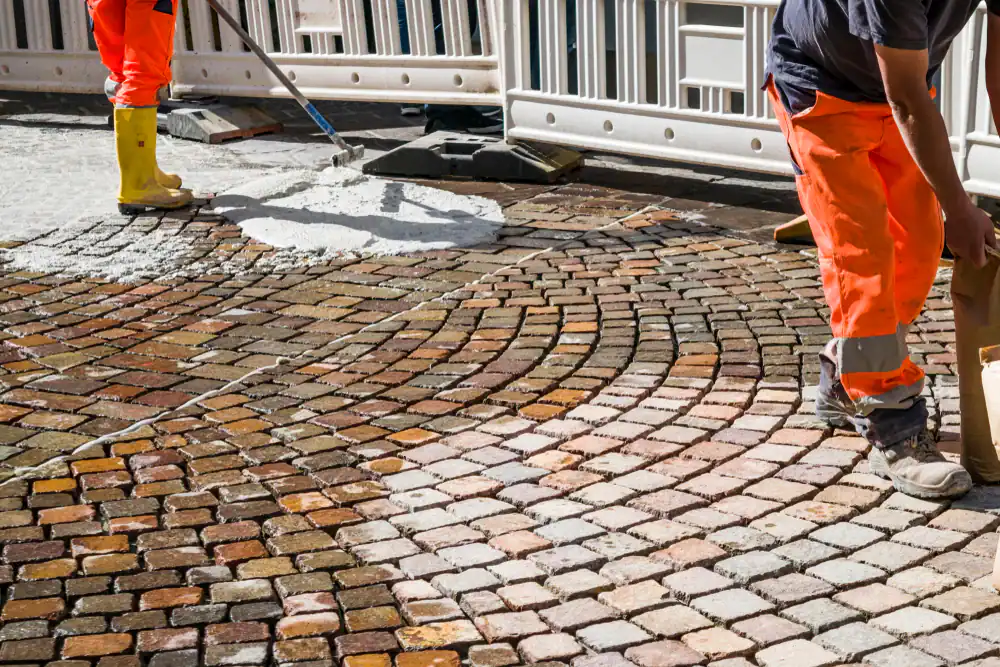
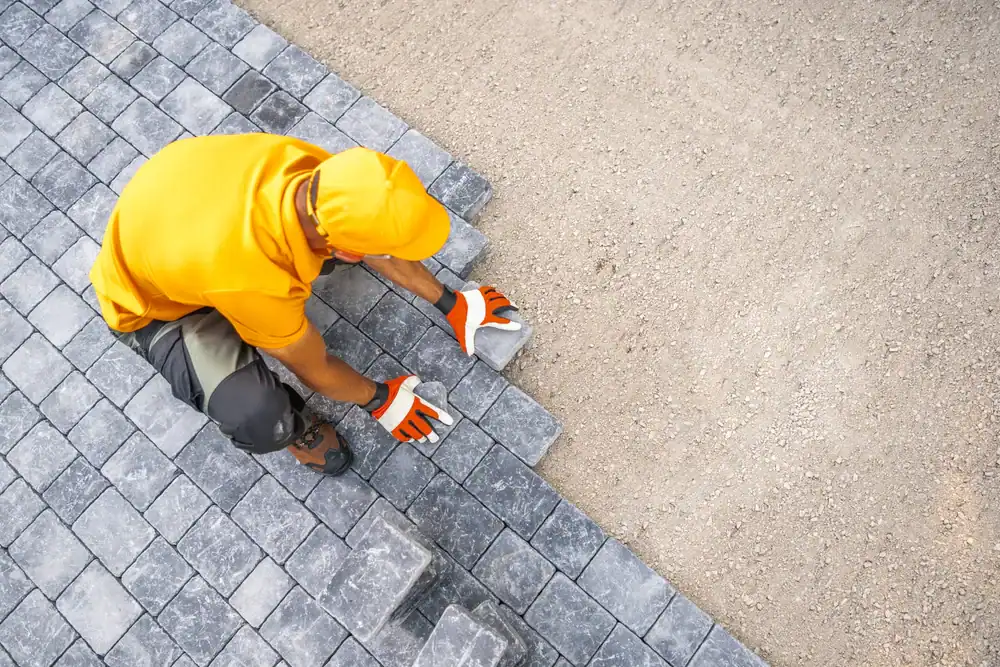
Next comes site prep. We excavate to the right depth, grade for proper water runoff, and compact a robust aggregate base. This step matters more than most people realize. Skip it or rush it, and your driveway will sink or crack within a couple years.
Then we apply high-grade hot mix asphalt at the proper temperature. Too cold and it won’t compact right. Too hot and it can scorch. We use commercial-grade equipment to lay it evenly and compact it correctly.
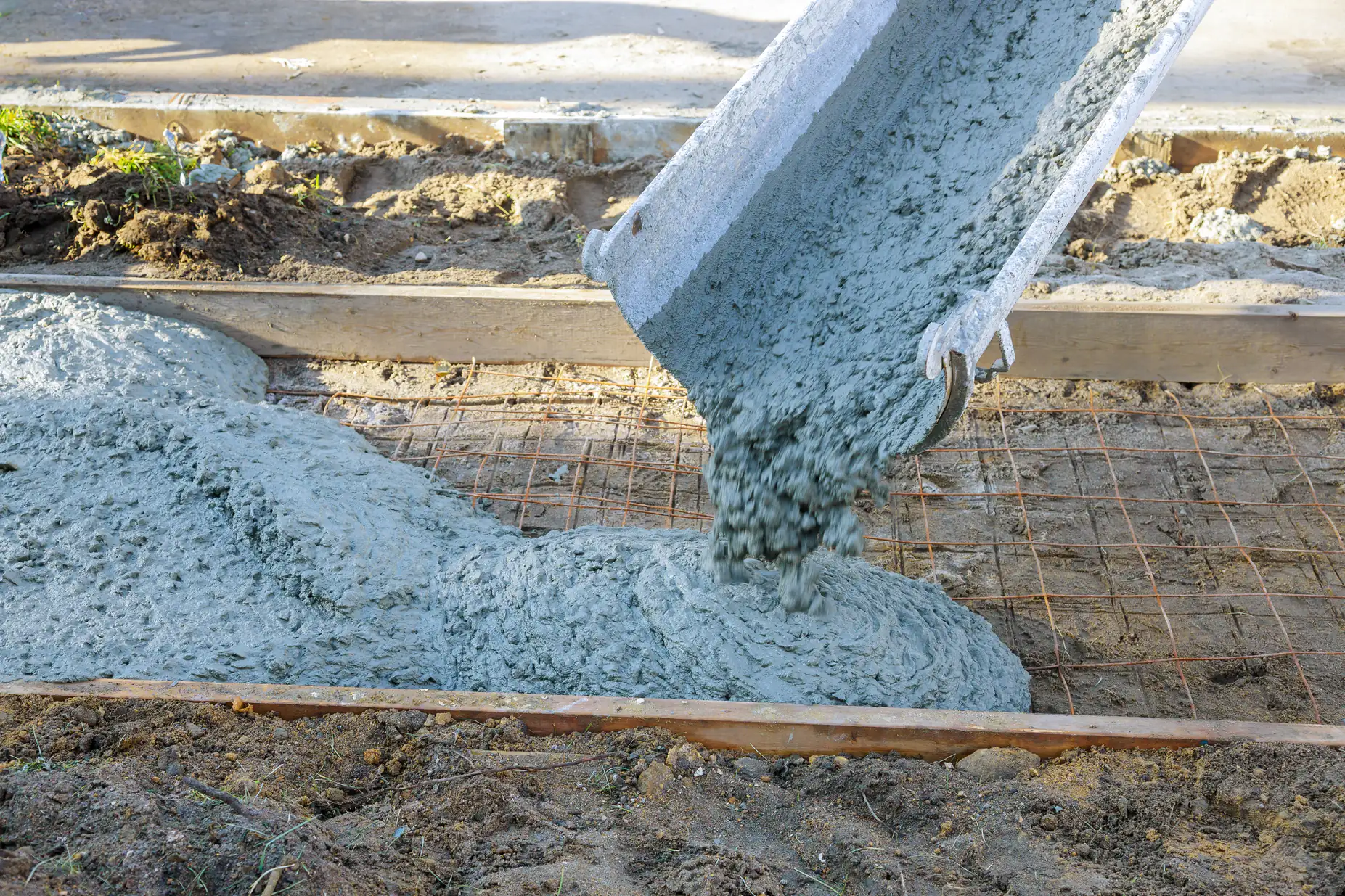
For concrete work, we use Portland cement mixes with rebar reinforcement. If you want decorative stamped patterns, we handle that too. The process takes longer, but concrete done right lasts decades.
Once everything’s cured, we clean up and walk you through maintenance basics. Most jobs finish on schedule. No dragging it out for weeks.
Ready to get started?
Every job starts with a site evaluation and an upfront quote. No hidden fees or surprise charges halfway through. We break down what’s included so there’s no confusion about what you’re paying for.
We handle full driveway installations, parking lot construction, road resurfacing, pothole patching, sealcoating, and striping. If it involves asphalt or concrete, we’ve done it hundreds of times across Somerset County.
Somerset sits in an area with clay-heavy soil that expands and contracts with moisture. That means your base layer needs extra attention. We account for local soil conditions when we prep your site, not just follow a generic process.
You also get a 24-48 hour callback guarantee when you request a quote online. We don’t make you wait a week to hear back. And when we schedule your job, we show up on time and finish within the agreed timeframe. Good paving companies in this area book out 4-6 weeks by May, so calling early gets you priority scheduling.
New asphalt typically lasts 15 to 20 years in Somerset if it’s installed correctly and maintained. That means proper base prep, correct asphalt application, and sealcoating every few years.
But here’s the catch. Somerset experiences some of the highest freeze-thaw cycles in New Jersey. If your contractor skips steps during installation or uses subpar materials, you can lose 20-30% of that lifespan. A 20-year driveway turns into a 12-year driveway that needs major repairs.
The key is drainage. Water is your pavement’s biggest enemy. If it pools on the surface or seeps into the base, freeze-thaw cycles will destroy your asphalt fast. Proper grading and a compacted aggregate base prevent that. Sealcoating every 2-3 years adds another layer of protection by filling small cracks before water gets in.
Late April through early October is the ideal window for asphalt paving in Somerset. Asphalt needs consistent temperatures above 50°F to cure properly. Too cold and it won’t compact right, which leads to premature cracking.
Spring and fall are the busiest seasons because everyone’s thinking the same thing. By May, most reputable paving contractors are booked 4-6 weeks out. If you call in February or March, you get priority scheduling and avoid the rush.
Winter paving is possible for emergency repairs, but it’s not ideal for full installations. The asphalt doesn’t bond as well in cold weather, and you’re more likely to have issues down the road. If your project can wait until spring, wait. If it can’t, make sure your contractor knows how to handle cold-weather application, because most don’t.
Driveway paving costs in Somerset typically range from $3 to $7 per square foot for asphalt, depending on the condition of your existing base, drainage needs, and project size. Concrete runs higher, usually $8 to $15 per square foot.
A standard two-car driveway (about 600 square feet) costs between $1,800 and $4,200 for asphalt. If your base needs significant repair or you’re dealing with drainage issues, expect to be on the higher end of that range.
Here’s what affects price: excavation depth, amount of aggregate base needed, grading complexity, and whether we’re tearing out old pavement or starting fresh. Decorative options like stamped concrete or colored asphalt add to the cost but also boost curb appeal. The cheapest quote isn’t always the best deal. If a contractor’s price seems too low, they’re either cutting corners on materials or skipping critical prep work. Both will cost you more in repairs within a few years.
Yes, and here’s why. Sealcoating protects your asphalt from UV damage, water penetration, and chemical spills like oil or gasoline. In Somerset, where freeze-thaw cycles are brutal, sealcoating fills small cracks before they turn into big problems.
You should sealcoat every 2-3 years. New asphalt needs about 6-12 months to cure before the first sealcoat application. After that, it’s regular maintenance that extends your pavement’s life significantly.
Skipping sealcoating means water seeps into tiny surface cracks. When that water freezes, it expands and widens those cracks. Next thing you know, you’re looking at pothole repairs or even a full resurfacing job. Sealcoating costs a fraction of what you’d pay to fix neglected asphalt. It’s not optional if you want your driveway to last the full 15-20 years.
Potholes form when water gets into your pavement’s base layer, freezes, expands, and weakens the structure. Traffic or weight on that weakened spot causes the surface to collapse. Somerset’s winter weather makes this happen fast.
Here’s the cycle: a small crack appears in your asphalt. Water seeps in. Overnight temperatures drop below freezing. The water expands as it turns to ice, pushing the pavement apart. When it thaws, a gap remains. Your car drives over it, and the pavement crumbles into a pothole.
This is why you see more potholes in late winter and early spring. The freeze-thaw cycle has been repeating for months, and your pavement finally gives out. Proper installation with good drainage and a solid base prevents this. Sealcoating helps too by keeping water out of surface cracks. Once a pothole forms, patching it is a temporary fix. If the base is compromised, that spot will fail again unless you address the underlying issue.
Sometimes, but not always. It depends on the condition of your existing pavement and base. If your current driveway has minor surface cracks but a solid base, an overlay can work. If it’s sinking, has major cracks, or the base is failing, an overlay just covers up problems that’ll resurface quickly.
We assess your existing driveway before recommending an overlay. If the base is compromised, we’ll tell you. Paving over a bad base is like putting new carpet over a rotting floor. It looks fine for a few months, then everything fails.
An overlay costs less upfront than a full tear-out and replacement, but it’s not always the right move. In Somerset, where soil conditions and freeze-thaw cycles are tough on pavement, a weak base will continue to deteriorate underneath new asphalt. If your driveway is more than 15-20 years old or has significant structural issues, a full replacement is usually the smarter long-term investment.