
Hear from Our Customers

A well-installed driveway doesn’t puddle after rain. It doesn’t develop cracks every spring or sink where your car parks. It stays level, drains properly, and handles temperature swings from 21°F winters to 86°F summers without buckling.
That only happens when the base is done right. Most paving problems start below the surface—soft subsoil, poor compaction, or inadequate drainage. Fix those first, and the asphalt or concrete on top will perform for 20 to 30 years.
You’ll also avoid the headache of calling someone back in two years because sections are already failing. Proper work costs more upfront, but it eliminates the cycle of patching and resurfacing that homeowners in Glen Ridge deal with when corners get cut.
We work across Morris, Sussex, and Somerset Counties. We’re based here, so we know what Glen Ridge properties deal with—older homes with unique grading challenges, strict municipal codes, and homeowners who expect quality that matches their investment.
We’re not a crew that shows up, lays asphalt, and disappears. We handle site prep, drainage, base work, and the final surface. If something needs fixing before we pave, we’ll tell you. If your project needs a permit or inspection, we’ll walk you through it.
Most of our work comes from referrals. That happens when people see the driveway still looks good five years later.

First, we look at your property. We check the existing surface, drainage patterns, and soil conditions. If there’s an old driveway, we’ll assess whether it needs full removal or if the base can be reused.
Next, we give you a clear price. No surprises, no “we’ll figure it out later” line items. You’ll know what materials we’re using, how thick the base will be, and how long the project will take.
Once you approve, we schedule the work. We excavate if needed, grade for proper drainage, compact the aggregate base, and then install either hot mix asphalt or reinforced concrete depending on what you chose. For asphalt, we apply it at the right temperature and compact it while it’s still workable. For concrete, we use Portland cement with rebar and finish it to your specs—smooth, broom-finished, or stamped.
After installation, we clean up and walk you through any maintenance recommendations. For asphalt, that means sealcoating in a year or two. For concrete, it means keeping expansion joints clear and avoiding harsh de-icers.
Ready to get started?
Every project starts with proper excavation and grading. We remove unsuitable material, establish the right slope for drainage, and compact the subgrade. Then we install a 4-to-6-inch aggregate base and compact that in lifts.
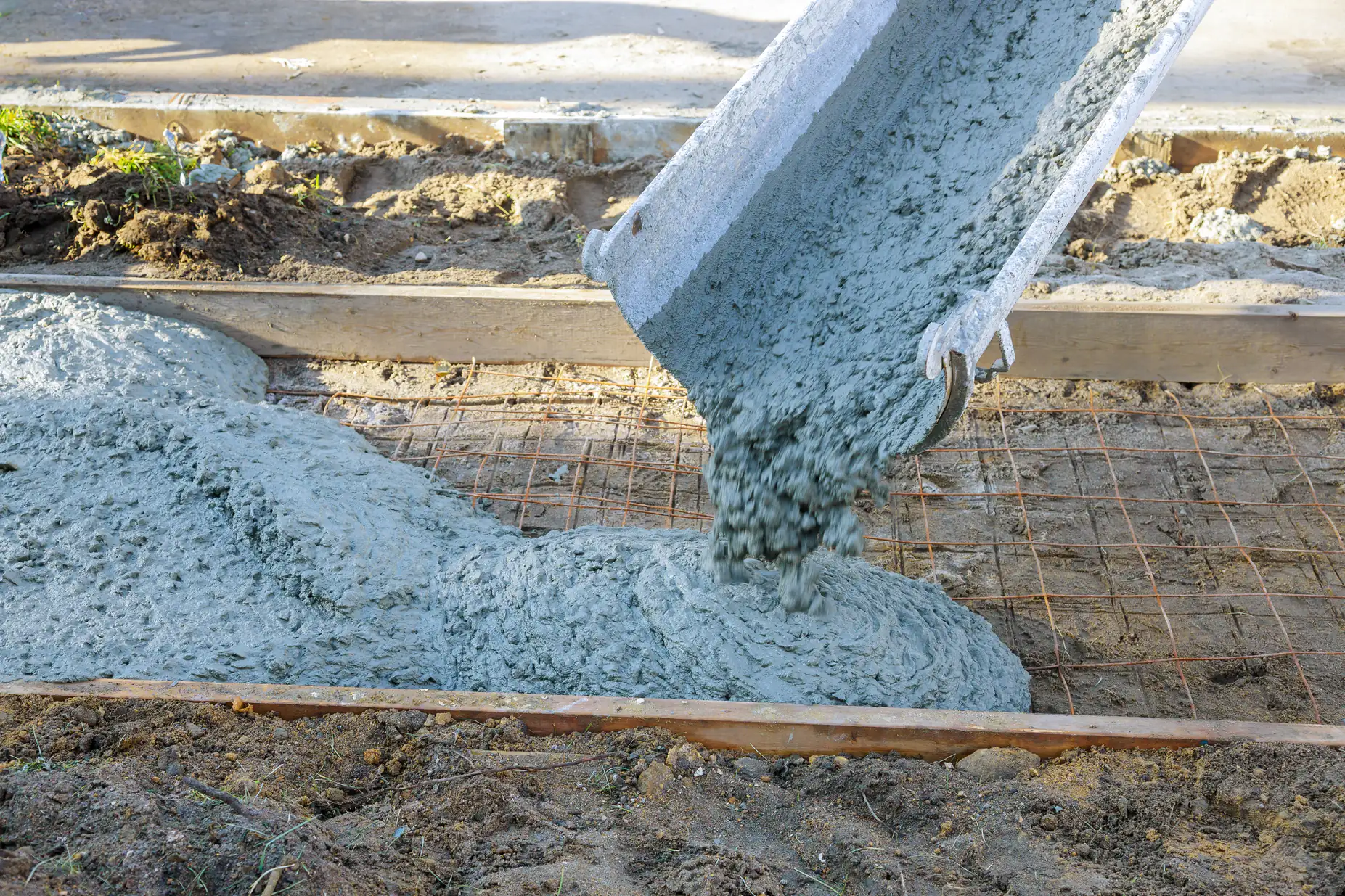
For asphalt driveways, we use high-grade hot mix asphalt applied at proper temperature—usually 2 to 3 inches thick for residential drives. For concrete, we pour Portland cement reinforced with rebar, typically 4 inches thick with control joints every 10 feet.
Glen Ridge properties often have mature trees and older utility lines, so we locate those before digging. We also handle any required permits and coordinate inspections if your township requires them.
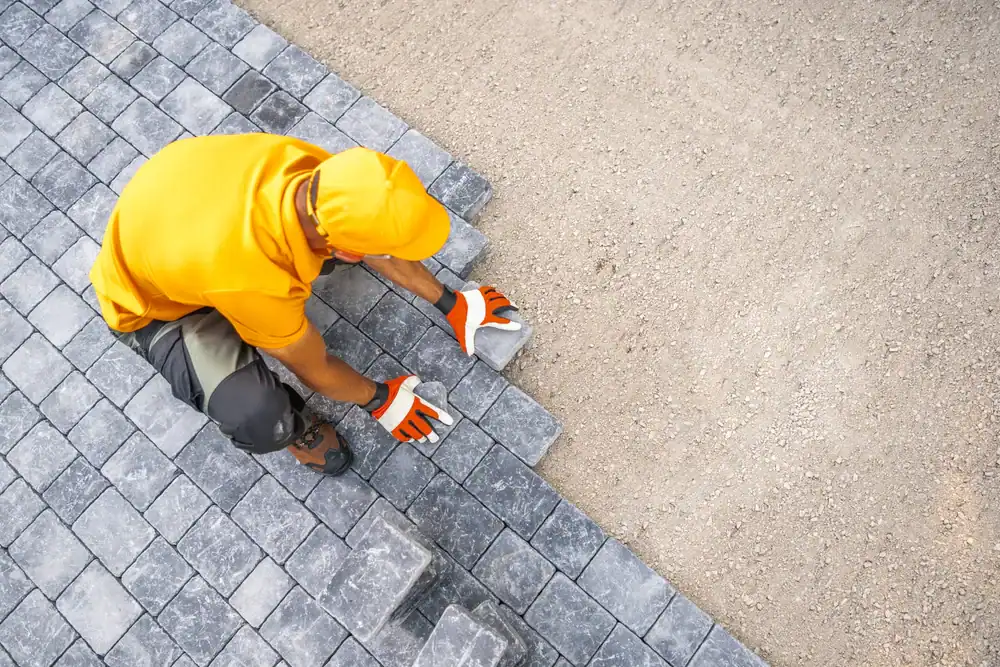
If you want decorative options, we offer stamped concrete in various patterns. For asphalt, we can integrate paver borders or aprons. We’ll also address any drainage issues—installing catch basins, French drains, or regrading as needed so water moves away from your foundation.
You’ll get a project timeline upfront. Most residential driveways take 2 to 4 days depending on size and complexity. We stick to that schedule unless weather forces a delay, and if that happens, we’ll let you know immediately.
A properly installed asphalt driveway in Glen Ridge typically lasts 15 to 20 years, sometimes longer with maintenance. That lifespan depends entirely on three things: base preparation, material quality, and how well you maintain it.
The base matters most. If the aggregate base is properly compacted and at least 4 inches thick, the asphalt on top won’t shift or crack prematurely. Skimping here is why some driveways fail in 5 years while others last 25.
Sealcoating every 2 to 3 years adds another 5 to 7 years of life. It protects against UV damage, water penetration, and the oil and gas drips that break down asphalt. Most homeowners in Morris County who sealcoat regularly get 20-plus years from their driveways without major repairs.
Asphalt costs less upfront and handles freeze-thaw cycles better because it flexes slightly. Concrete costs more but lasts longer and offers more design options like stamped patterns or colored finishes.
In Glen Ridge’s climate, both work well if installed correctly. Asphalt needs sealcoating every few years and can soften in extreme heat. Concrete doesn’t need sealcoating but can crack if the base settles or if you use too much de-icing salt in winter.
Most homeowners choose asphalt for cost and performance. It’s easier to repair if damage occurs, and it blends well with the traditional look of older Glen Ridge properties. Concrete makes sense if you want a decorative finish or plan to stay in the home long-term, since it can last 30 years with minimal maintenance.
Most residential driveways in Glen Ridge run between $8,000 and $15,000 for asphalt, depending on size and site conditions. Concrete typically costs 40% to 50% more. A standard two-car driveway is about 600 square feet, so figure $4 to $7 per square foot for asphalt and $6 to $10 for concrete.
Those prices include excavation, base work, and installation. If your property has drainage issues, tree roots, or requires significant grading, expect to add $2,000 to $5,000. Decorative options like stamped concrete or paver borders also increase cost.
The cheapest bid usually means a thinner base or lower-grade materials. That driveway might look fine for a year, but it’ll crack and settle faster. Paying for proper depth and compaction upfront saves you from repaving in 7 years instead of 20.
Late spring through early fall—typically May through October—offers the best conditions for paving in New Jersey. Asphalt needs temperatures above 50°F to compact properly, and concrete cures best when it’s not too hot or too cold.
Summer is peak season, so schedule early if you want work done between June and August. Spring and fall often have better availability and sometimes better pricing since demand is lower.
Avoid paving in winter or early spring when the ground is still freezing and thawing. That movement will crack fresh pavement before it even has a chance to settle. If you’re planning a project, reach out in late winter to get on the schedule for spring installation.
Glen Ridge typically requires a permit if you’re changing the driveway’s footprint, altering drainage, or connecting to the street. If you’re repaving within the existing boundaries and not changing the grade, you usually don’t need one—but it’s worth confirming with the township before work starts.
Permits ensure the work meets local codes for setbacks, drainage, and stormwater management. They also protect you if there’s ever a dispute about property lines or runoff affecting neighboring properties.
We handle permit applications as part of the project if one is required. It adds a week or two to the timeline but eliminates the risk of having to redo work that doesn’t meet code. Most townships in Morris County have straightforward processes, and inspections are usually quick once the work is complete.
If your driveway has widespread cracking, sunken areas, or poor drainage, it probably needs full replacement. Resurfacing only works if the base is still solid and the damage is mostly surface-level—minor cracks, fading, or rough texture.
Check for alligator cracking, which looks like interconnected cracks forming a pattern. That means the base is failing. Also look for areas where water pools after rain. That’s a grading problem that resurfacing won’t fix.
When we evaluate your driveway, we’ll probe the base to check its condition. If it’s stable and properly compacted, resurfacing can add 8 to 10 years of life at about half the cost of replacement. If the base is compromised, resurfacing is just putting new asphalt over a problem that’ll resurface in a year or two.