
Hear from Our Customers

Your driveway shouldn’t turn into a cracked mess every winter. When water seeps into pavement, freezes, and expands, it splits asphalt from the inside out. That cycle repeats dozens of times between November and March in Butler, NJ.
The difference between a driveway that lasts five years and one that lasts twenty comes down to what happens before the asphalt goes down. Proper excavation, a compacted aggregate base, and grading that moves water away from the surface—not toward it.
You’re not just paying for blacktop. You’re paying for a foundation that won’t shift when the ground freezes, drainage that prevents standing water, and materials applied at the right temperature so they bond correctly. That’s what keeps your driveway smooth when your neighbor’s is buckling.
We’ve spent over two decades working in Butler, NJ and throughout Morris, Sussex, and Somerset counties. We’re not the paving company that shows up, lays asphalt, and disappears. We’re the ones who come back when you call because we live and work in this market.
Butler’s clay-heavy soils retain moisture longer than sandy soils, which means prolonged freeze-thaw stress on your pavement. We account for that during site prep. We also know that drainage issues here aren’t optional fixes—they’re the reason your driveway either lasts or fails.
You’ll get clear pricing upfront, a 24-48 hour callback guarantee when you request a quote online, and work that sticks to the schedule. No surprises, no runarounds.

First, we assess your site. That means looking at drainage, soil composition, and any existing damage that signals bigger problems underneath. If water’s pooling or the base is compromised, we address it before any asphalt goes down.
Next comes excavation and grading. We remove old pavement if needed, dig down to stable soil, and build a compacted aggregate base. This is where most paving companies near me cut corners. We don’t. The base determines whether your driveway lasts five years or twenty.
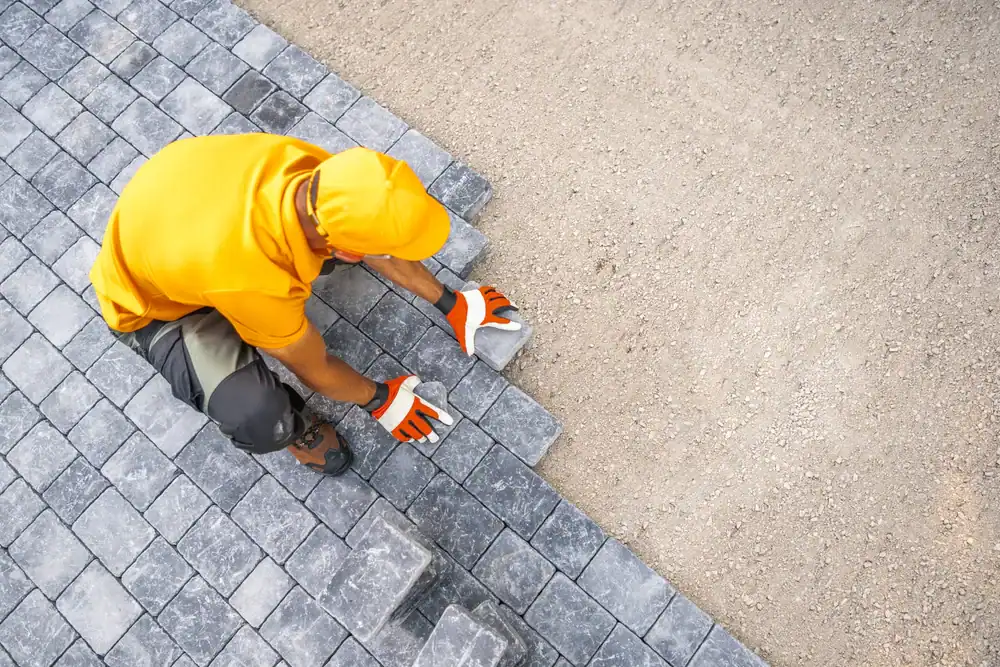
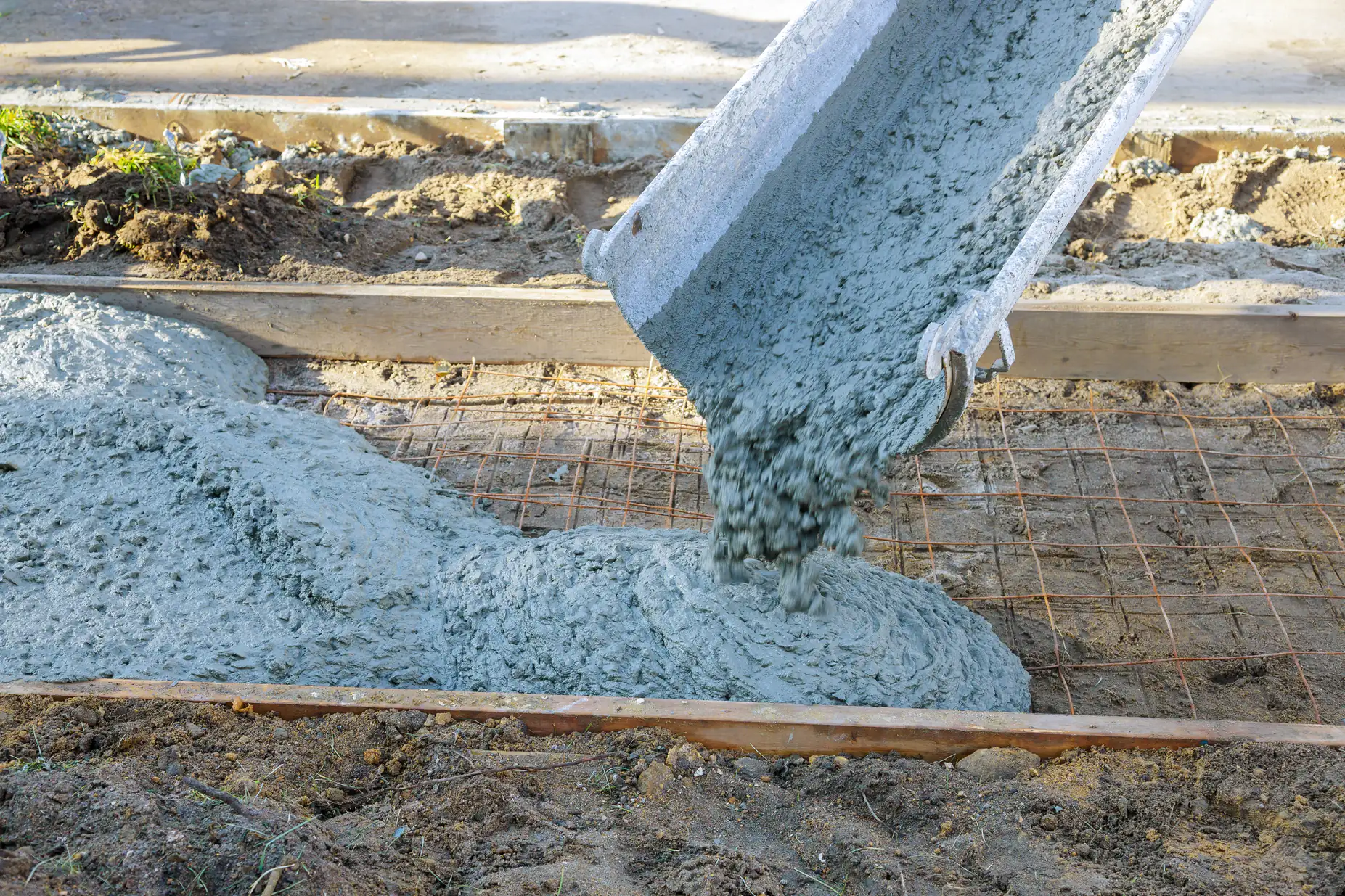
Then we apply high-grade hot mix asphalt at the proper temperature or pour Portland cement mixes with rebar reinforcement for concrete projects. For decorative work, we offer stamped concrete patterns and paver patios that hold up to weather and traffic.
Finally, we handle the details: proper compaction, smooth transitions at edges, and any line striping or ADA compliance for commercial projects. You get a surface that drains correctly, looks clean, and handles daily use without cracking apart by spring.
Ready to get started?
Every job starts with proper site preparation—grading for drainage, excavation to stable soil, and a compacted base that won’t shift when the ground freezes. That’s not an upsell. It’s how you prevent the cracks and settling that destroy driveways in Butler, NJ.
For asphalt work, we use hot mix asphalt applied at the right temperature with professional paving machines, not hand tools. For concrete, you get Portland cement mixes reinforced with rebar, not thin pours that crack under pressure. If you want decorative options, we install stamped concrete and paver stones that add curb appeal without sacrificing durability.
Commercial projects get the same attention to foundation work, plus line striping, ADA-compliant surfaces, and parking lot layouts designed to handle drainage. Butler gets enough rain and snow without turning your lot into a skating rink. We make sure water moves off the surface, not into it.
A properly installed asphalt surface here lasts 15-20 years with basic maintenance. Concrete can go 25-30 years. But only if the work’s done right the first time. That’s what separates a $3,000 repair bill in five years from a driveway that’s still solid two decades later.
Most residential driveway projects in Butler, NJ run between $3,000 and $7,000, depending on size, material, and site conditions. That’s for full installation with proper base prep, not just resurfacing.
If your existing driveway has drainage issues, a failing base, or significant cracking, you’ll need excavation and regrading before new asphalt goes down. Skipping that work means you’re paving over problems that will resurface within a year or two. The cost difference between doing it right and doing it twice is usually a few thousand dollars now versus a full replacement later.
Concrete costs more upfront but lasts longer—25 to 30 years compared to 15 to 20 for asphalt. Decorative options like stamped concrete or paver patios add to the price but also boost curb appeal and property value. In some New Jersey markets, a quality driveway can increase your home’s value by up to $20,000.
Late spring through early fall gives you the best conditions for paving in Butler, NJ. Asphalt needs temperatures above 50 degrees and dry weather to cure properly. Summer’s ideal, but spring and fall work well if the forecast’s clear.
Winter paving is risky. Cold temperatures prevent asphalt from compacting correctly, and moisture in the ground can cause the base to shift. If you’re dealing with damage from last winter, fall is the time to fix it before freeze-thaw cycles start again.
Concrete has a bit more flexibility with temperature, but it still needs time to cure without freezing. If you’re planning a project, schedule it early in the season. Paving companies near me book up fast once the weather warms up, and waiting until late fall means you’re gambling with the forecast.
Freeze-thaw damage happens when water gets into cracks, freezes, and expands. That expansion splits pavement apart from the inside. The cycle repeats every time temperatures drop below freezing and then rise again—sometimes dozens of times each winter in Butler, NJ.
The best prevention is proper drainage and a solid foundation. Water that can’t drain away from your driveway will find its way into cracks. Once it’s in there, freezing temperatures do the rest. Grading your driveway so water runs off instead of pooling is critical.
Sealcoating helps too, but only if the surface is already in good shape. Sealing over existing cracks won’t stop freeze-thaw damage—it just hides it temporarily. If you’ve got cracks wider than a quarter-inch or areas where the surface is already breaking apart, you need repairs before winter hits. A few hundred dollars in fall maintenance beats a few thousand in spring repairs.
Asphalt costs less upfront and handles freeze-thaw cycles better because it flexes slightly as temperatures change. It typically lasts 15 to 20 years in Butler, NJ with routine maintenance like sealcoating every few years. Repairs are straightforward—you can patch sections without replacing the whole driveway.
Concrete costs more initially but lasts longer—25 to 30 years if installed correctly. It doesn’t need sealcoating, and it holds up well to heavy loads. The downside is that cracks are harder to repair, and salt can damage the surface over time if you’re not careful with winter de-icing.
For decorative work, concrete gives you more options. Stamped patterns, color treatments, and exposed aggregate finishes add curb appeal. Asphalt is functional and durable, but it’s always going to look like blacktop. If appearance matters and you’re planning to stay in your home long-term, concrete might be worth the extra cost. If you want something cost-effective that you can maintain easily, asphalt makes more sense.
Most residential driveways in Butler, NJ take two to four days from start to finish, depending on size and site conditions. That includes excavation, base prep, paving, and curing time. Larger or more complex projects—like driveways with significant drainage issues or commercial parking lots—can take longer.
Day one is usually excavation and grading. We remove old pavement if needed, dig down to stable soil, and install the aggregate base. Day two is compaction and final grading to make sure water drains correctly. Day three is when the asphalt or concrete goes down.
For asphalt, you can typically drive on it within 24 to 48 hours, though it’s best to avoid heavy loads for the first week. Concrete needs more time—usually seven days before you can drive on it, and 28 days to reach full strength. Weather delays can push timelines back, especially if rain’s in the forecast. We’ll give you a realistic schedule upfront and keep you updated if anything changes.
Most residential driveway projects in Butler, NJ don’t require a permit if you’re repaving an existing driveway within the same footprint. If you’re expanding the driveway, changing the grade, or altering drainage patterns, you’ll likely need approval from the local building department.
Commercial projects almost always require permits, especially if you’re installing new parking lots, adding ADA-compliant features, or making changes that affect stormwater runoff. Morris County has specific regulations around impervious surfaces and drainage, and ignoring them can lead to fines or orders to redo the work.
We handle permit coordination as part of the project when needed. It’s easier to get approval before work starts than to fix code violations after the fact. If you’re unsure whether your project needs a permit, we’ll check with the township and make sure everything’s squared away before we break ground.