
Hear from Our Customers

Your pavement should last 15 to 30 years, not fall apart in two. That only happens when the base is prepared correctly, drainage is handled before the first pour, and the asphalt mix is applied at the right temperature with proper compaction.
Most paving failures don’t start at the surface. They start underneath with poor grading, inadequate base material, or water that was never directed away from the foundation. When winter hits and water freezes in those gaps, you’re looking at cracks, heaving, and potholes by spring.
Proper paving means you’re not calling someone back in 18 months to patch the same spot. It means your property looks clean, functions well, and doesn’t become a liability when the weather turns. That’s what you’re paying for—durability that actually matches the timeline you were promised.
Platinum Paving is a family-owned paving company based in Morris County. We’ve been handling residential driveways, commercial parking lots, and roadway projects across Budd Lake, Flanders, Hackettstown, and the surrounding area since the early 2000s.
We’re licensed, insured, and we guarantee callbacks within 24 to 48 hours when you request a quote online. No runaround. No disappearing after the deposit clears.
North Jersey weather is tough on pavement. We see more freeze-thaw cycles than most of the state, which means installation has to account for expansion, drainage, and base stability from day one. That’s not something you learn from a YouTube video—it’s what comes from two decades of paving through every season this area throws at you.

First, we assess your site. That means looking at drainage patterns, soil conditions, and how water moves across your property during heavy rain. If there’s a grading issue or poor runoff, we address it before anything gets paved.
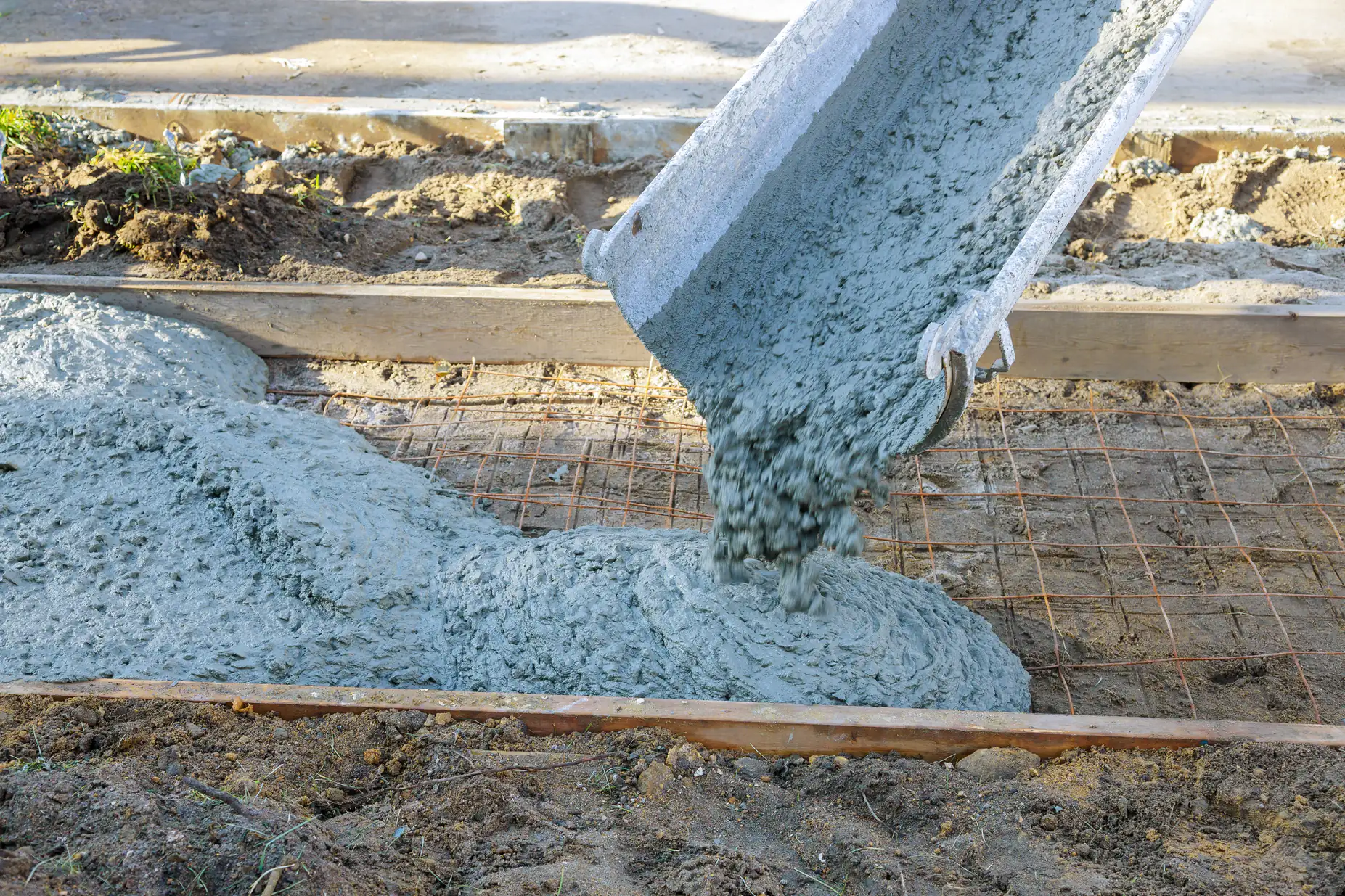
Next, we excavate and prep the base. For asphalt, that typically means 4 to 6 inches of compacted aggregate depending on soil type and expected load. For concrete, we use rebar-reinforced Portland cement mixes to prevent cracking under pressure. The base has to be level, compacted to 95% density or higher, and properly sloped.
Then we install the surface. Asphalt gets applied hot—between 275 and 300 degrees—and rolled with heavy vibratory equipment to hit 92 to 96% of maximum theoretical density. Concrete gets poured, finished, and cured under controlled conditions. Both processes are time-sensitive and weather-dependent.
Finally, we clean up, mark edges if needed, and walk you through maintenance recommendations. For asphalt, that usually means sealcoating every 2 to 3 years. For concrete, it’s about keeping joints sealed and addressing any surface wear early.
Ready to get started?
We handle residential driveway paving, commercial parking lot construction, roadway resurfacing, patching, sealcoating, and line striping. If it involves asphalt or concrete and it’s in Morris, Sussex, or Somerset County, we’ve probably done it.
Budd Lake sits right in the freeze-thaw zone. That means your pavement takes a beating every winter when water seeps into small cracks, freezes, expands, and turns minor damage into major problems. We account for that during installation by using high-grade hot mix asphalt designed for temperature swings and by installing proper drainage solutions like catch basins, French drains, and graded surfaces that move water away from your foundation.
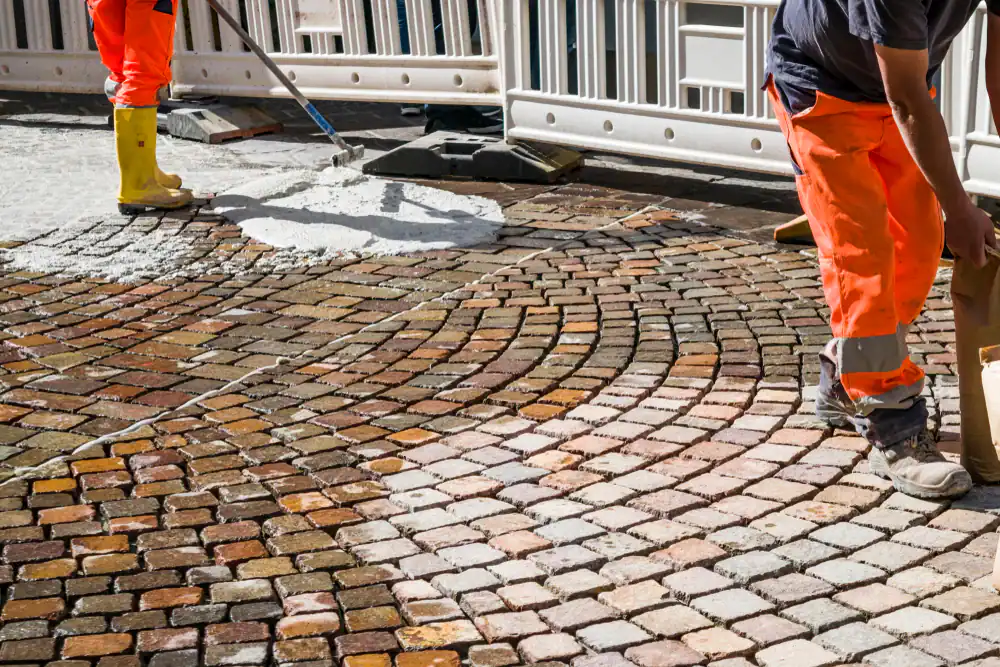
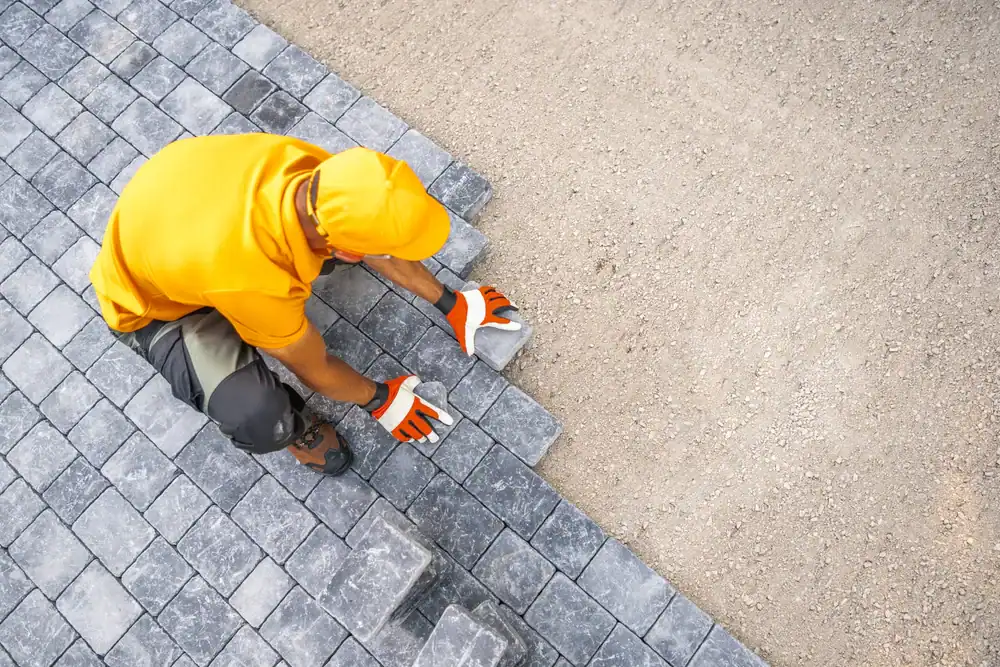
For decorative work, we offer stamped concrete patterns and paver stone installations for patios, walkways, and entryways. These aren’t just aesthetic upgrades—they’re functional surfaces that need the same attention to base prep and drainage as any driveway or parking lot.
Pricing is transparent. You’ll get a detailed estimate with line items, material specs, and a timeline before any work starts. No hidden fees. No surprise charges when the job’s done.
Asphalt driveways typically run $3 to $7 per square foot depending on site conditions, base prep requirements, and thickness. Concrete costs a bit more—usually $4 to $8 per square foot—but lasts longer and requires less maintenance over time.
A standard two-car driveway in Budd Lake is around 600 to 800 square feet. That puts asphalt in the $1,800 to $5,600 range and concrete between $2,400 and $6,400. If your site has drainage issues, poor soil, or needs significant excavation, expect those numbers to go up.
The cheapest bid isn’t always the best value. Contractors who skip base prep or use thinner asphalt layers might come in lower, but you’ll be repaving in two to three years instead of fifteen. Pay attention to what’s included in the estimate—material grade, base depth, compaction specs, and warranty terms matter more than the bottom-line number.
You can walk on new asphalt within 24 hours and drive on it lightly after 48 to 72 hours. Full curing takes about 6 to 12 months, but that doesn’t mean you can’t use it—it just means the surface is still hardening and you should avoid sharp turns, heavy loads, or parking in the same spot repeatedly during that period.
For the first week, avoid turning your steering wheel while the vehicle is stationary. That can scuff or gouge fresh asphalt. Also, keep heavy equipment, dumpsters, or trailers off the surface for at least 7 days.
Concrete takes longer. You can walk on it after 24 to 48 hours, but you’ll need to wait at least 7 days before driving on it. Full strength develops over 28 days. During that time, avoid heavy loads and keep the surface moist if temperatures are high—concrete that dries too fast can crack prematurely.
Asphalt is cheaper upfront, easier to repair, and handles freeze-thaw cycles better because it’s flexible. It expands and contracts with temperature changes without cracking as easily as concrete. The tradeoff is maintenance—you’ll need to sealcoat every 2 to 3 years to protect it from UV damage, water infiltration, and surface wear.
Concrete costs more initially but lasts longer with less maintenance. It’s rigid, so it doesn’t develop ruts or soft spots under heavy loads. It also reflects heat better in summer, which can be a plus if you’re in a sunny area. The downside is that when concrete cracks, repairs are more visible and expensive. Salt and deicing chemicals can also damage the surface over time if it’s not sealed properly.
In Budd Lake, both work well if installed correctly. Asphalt is the more common choice for residential driveways because of cost and repairability. Concrete is popular for decorative applications, high-end homes, or areas where you want a cleaner, more finished look.
Ask for their license number and proof of insurance before signing anything. In New Jersey, paving contractors should carry general liability insurance and workers’ compensation coverage. If someone gets hurt on your property and the contractor isn’t insured, you could be liable.
A legitimate paving company will provide this information without hesitation. If they dodge the question, make excuses, or say they’ll send it later, walk away. Unlicensed contractors are common in this industry, and they’re the ones who disappear when the work fails or someone gets injured on the job.
You can verify a contractor’s credentials through the New Jersey Division of Consumer Affairs or by checking with your local municipal building department. It takes five minutes and it’s worth it. The cheapest bid from an uninsured contractor isn’t a deal—it’s a liability waiting to happen.
Cracks usually start with water infiltration or poor base preparation. When water seeps into small gaps and freezes, it expands with up to 30,000 psi of pressure. That turns hairline cracks into major damage within a season or two. North Jersey sees about 40% more freeze-thaw cycles than southern parts of the state, so this is a bigger issue here.
Prevention starts during installation. Proper grading and drainage keep water from pooling on the surface or seeping into the base. A well-compacted aggregate base—at least 4 to 6 inches deep—provides a stable foundation that won’t shift or settle. And applying asphalt at the right temperature with proper compaction ensures a dense, durable surface that resists cracking.
After installation, sealcoating every 2 to 3 years protects the surface from UV damage, water penetration, and oxidation. Fill small cracks as soon as you notice them—before water gets in. And keep your driveway clear of standing water by maintaining proper drainage around the edges.
We handle both. Commercial work includes parking lot construction, roadway paving, patching, sealcoating, and line striping for businesses, warehouses, apartment complexes, and municipal projects across Morris, Sussex, and Somerset Counties.
Commercial paving has different requirements than residential. You’re dealing with heavier loads, higher traffic volumes, ADA compliance for accessible parking, and stricter drainage and grading standards. The base has to be thicker—usually 6 to 8 inches of compacted aggregate—and the asphalt layer needs to be designed for the expected load and usage pattern.
We also coordinate around your business hours. If you need paving done overnight or on weekends to avoid disrupting operations, we can schedule it. Same goes for phased work where we pave sections at a time so your lot stays functional throughout the project. Every commercial job gets a detailed timeline, traffic management plan, and clear communication from start to finish.