
Hear from Our Customers

North Jersey weather doesn’t give asphalt or concrete a break. Freeze-thaw cycles happen 40 to 50 times a year around Ampere North, and if your base isn’t prepared right, you’ll see cracks by the second winter.
When the work is done correctly, you’re not calling someone back in two years to patch holes. The surface drains properly, so water doesn’t pool and seep into cracks. The base is thick enough to handle the clay soil that shifts underneath most properties in Morris and Essex Counties.
You get a driveway or lot that looks clean, functions well, and doesn’t become a maintenance headache. That’s what happens when the installation accounts for local conditions instead of treating every job the same.
We’ve spent over 20 years working in Morris, Sussex, and Essex Counties. We’re not a crew that showed up last season with a truck and a lowball estimate.
We know the soil composition around Ampere North. We know which townships require permits and how to handle drainage on sloped properties. We use high-grade hot mix asphalt applied at the right temperature, and our concrete work includes rebar reinforcement because shortcuts don’t hold up here.
When you work with us, you’re working with a licensed, insured company that shows up when we say we will and finishes the job without surprise charges. We’re grounded in Morris County, and we’ve built our reputation on doing it right the first time.

First, we come out to look at your property. We check the existing surface, drainage, soil conditions, and any grading issues. Then we give you an upfront quote that breaks down what’s included—no vague line items or surprises later.
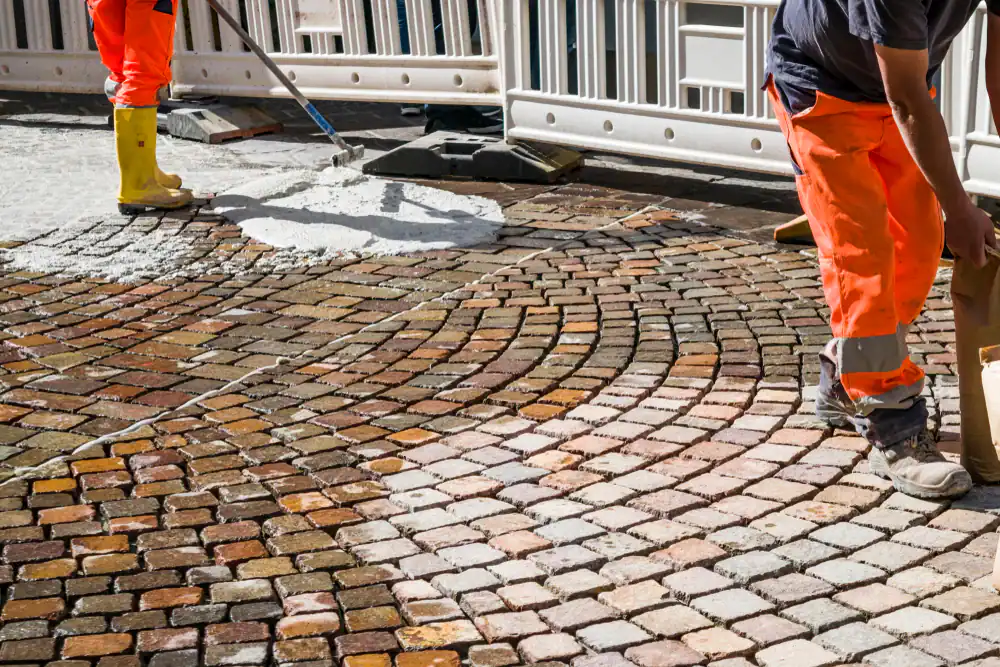
Once you’re ready to move forward, we handle permits if your township requires them. We prep the site by excavating to the right depth, grading for proper drainage, and laying a compacted aggregate base. This step matters more than most people realize, especially with the clay soil common around Ampere North.
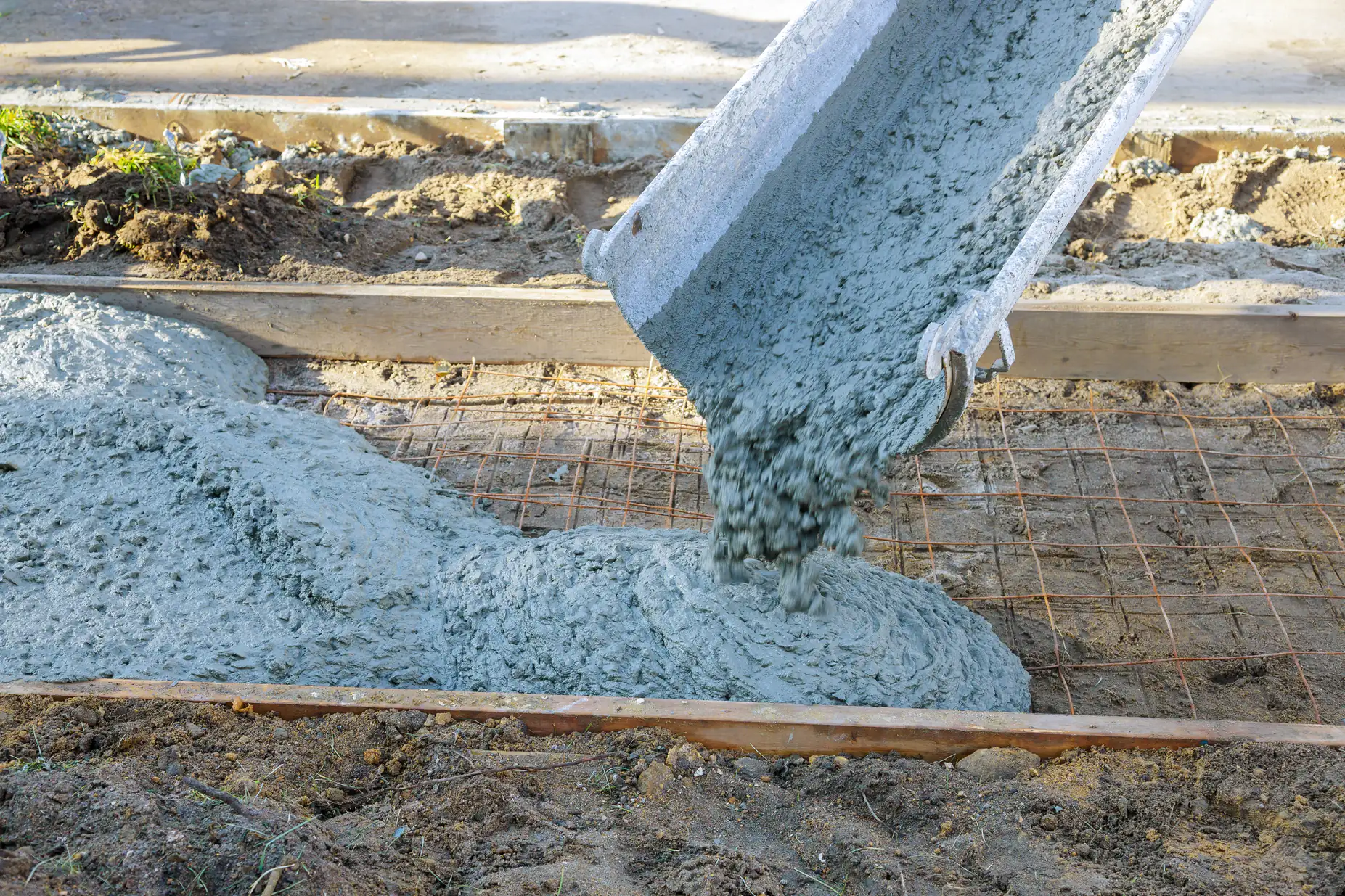
Then we lay the asphalt at 300 degrees or pour the concrete with rebar reinforcement. We compact everything properly, ensure the surface is smooth and level, and clean up the site when we’re done. You’ll typically be able to use your driveway within 24 to 48 hours, depending on the scope of work.
Ready to get started?
Every job starts with proper site prep. That means excavation, grading, and a compacted base designed for North Jersey’s soil and weather. Without this, even the best asphalt or concrete will fail.
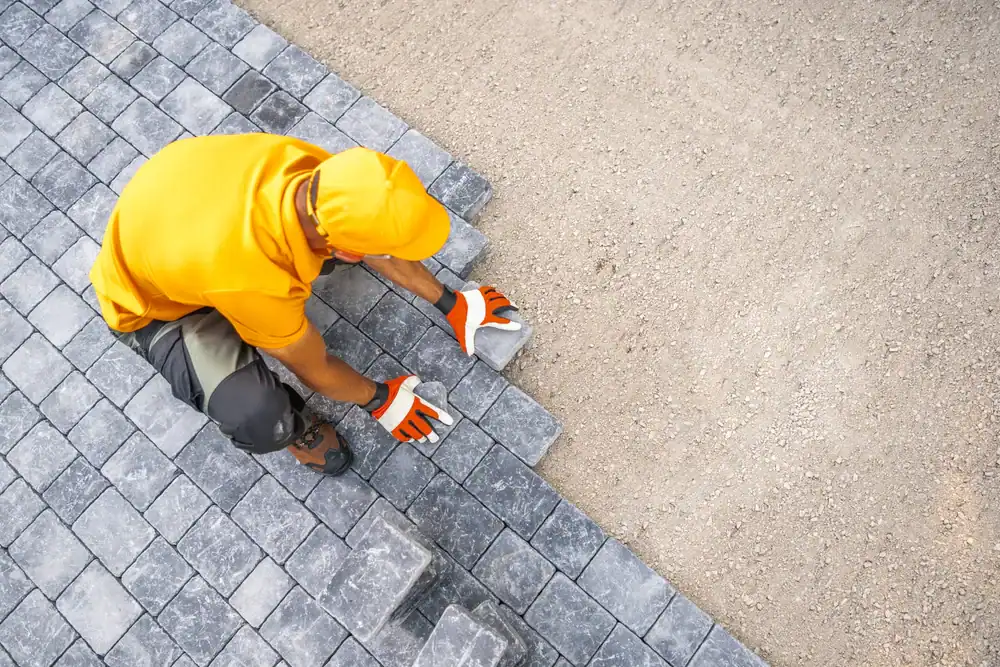
For asphalt driveways and parking lots, we use high-grade hot mix applied at the correct temperature. For concrete work, we use Portland cement mixes with rebar reinforcement. If you want decorative options, we offer stamped concrete patterns for patios and walkways.
Around Ampere North and nearby towns like East Orange, Newark, and Caldwell, drainage is critical. Properties here deal with clay soil that doesn’t absorb water well, so we grade every surface to direct water away from structures. We also offer sealcoating services to extend the life of your asphalt and protect it from UV damage and freeze-thaw cycles. Whether you’re looking at a residential driveway, a commercial parking lot, or paver patios for outdoor spaces, the process is built around durability and proper installation.
A properly installed asphalt driveway in North Jersey should last 20 to 30 years. The key word is “properly installed.” If the base isn’t thick enough or the grading doesn’t account for drainage, you’ll start seeing cracks and settling within a few years.
Around Ampere North, the freeze-thaw cycles are brutal. Water gets into small cracks, freezes, expands, and breaks the asphalt apart from the inside. That’s why we use polymer-modified sealers that stay flexible in temperatures from -30°F to 140°F.
The base preparation matters just as much as the asphalt itself. We excavate deep enough to account for the clay soil, lay a compacted aggregate base, and grade everything so water runs off instead of pooling. When those steps are done right, your driveway holds up to traffic, weather, and time without constant repairs.
Asphalt is more flexible, which helps it handle freeze-thaw cycles without cracking as easily. It’s also faster to install and typically costs less upfront. Concrete is more rigid and can last longer if it’s reinforced properly, but it’s more prone to cracking in cold climates if water gets underneath.
For most residential driveways around Ampere North, asphalt makes sense. It’s durable, cost-effective, and easier to repair if you ever need to patch a section. Concrete works well for decorative applications like stamped patios or walkways where aesthetics matter more than flexibility.
Both materials need proper base preparation and drainage. The soil around Morris and Essex Counties is heavy clay, which shifts and holds water. If the base isn’t compacted and graded correctly, neither asphalt nor concrete will perform well long-term. We walk through the pros and cons based on your property and budget during the estimate.
Ask for their license number and insurance certificate before you sign anything. A legitimate contractor will provide both without hesitation. In New Jersey, paving contractors need a home improvement contractor license, and you can verify it through the state’s Division of Consumer Affairs.
Insurance matters because if someone gets hurt on your property during the job, you could be liable if the contractor isn’t covered. Some door-to-door crews operate without insurance, and that risk falls on you. We’re BBB accredited and carry full liability coverage, and we’ll show you the documentation upfront.
You should also check reviews and ask for references from recent jobs in your area. A contractor who’s been working in North Jersey for years will have a track record you can verify. If someone offers a price that’s significantly lower than other quotes, there’s usually a reason—and it’s often because they’re cutting corners on materials, base prep, or insurance.
Water and poor base preparation are the two biggest culprits. North Jersey gets 40 to 50 freeze-thaw cycles every winter. Water seeps into small cracks, freezes, expands, and breaks the asphalt apart. If the base isn’t thick and stable, the asphalt has nothing solid to rest on, and it cracks under pressure.
The clay soil around Ampere North, East Orange, and Caldwell makes this worse. Clay holds water and shifts when it freezes, which causes the base to move. If the contractor didn’t excavate deep enough or compact the aggregate base properly, the asphalt will settle unevenly and crack within a couple of years.
Drainage is the other piece. If water pools on your driveway instead of running off, it’s going to find its way into the surface. We grade every job so water moves away from the asphalt and toward proper drainage points. When the base is solid and the grading is right, your driveway can handle the weather without falling apart.
Most residential driveways in this area run between $3 and $7 per square foot for asphalt, depending on the size, condition of the existing surface, and how much prep work is needed. Concrete costs more, usually between $8 and $15 per square foot, because of material costs and labor.
If your current driveway needs to be removed, or if there are drainage issues that require regrading, that adds to the cost. Properties with clay soil often need a thicker base, which also affects the price. We give you an upfront quote that breaks down what’s included so there are no surprises.
The cheapest bid isn’t always the best value. If a contractor is significantly lower than everyone else, they’re probably skipping steps—thinner base, lower-grade asphalt, no proper compaction. Those shortcuts cost you more in the long run when you’re repairing or replacing the driveway in five years instead of twenty. We price our work based on doing it right, and we’ll walk you through exactly what you’re paying for.
It depends on the condition of the existing surface. If the current driveway is structurally sound with no major cracks, settling, or drainage issues, we can overlay new asphalt on top. That saves time and money because we’re not excavating and hauling away the old material.
But if the base has failed—meaning there are deep cracks, potholes, or areas where the driveway has sunk—an overlay won’t fix the problem. You’ll just be putting new asphalt over a bad foundation, and it’ll fail again quickly. In those cases, we remove the old surface, fix the base, and start fresh.
Around Ampere North, a lot of older driveways were installed without proper base preparation, especially on properties with clay soil. If that’s the case, removal and reinstallation is the only way to get a driveway that lasts. We’ll assess your current surface during the estimate and tell you honestly whether an overlay will work or if you need a full replacement.