
Hear from Our Customers

A driveway that doesn’t crack apart every spring. That’s the difference between contractors who know North Jersey’s freeze-thaw cycles and ones who don’t.
When temperatures swing from 15°F to 50°F in a week—which happens here constantly—water gets into poorly installed asphalt, freezes, expands, and destroys your investment from the inside out. Most driveways around Kinnelon weren’t built to handle that kind of punishment.
Proper installation means intricate site prep with grading that actually moves water away from your foundation. It means a robust aggregate base that won’t shift when the ground freezes. It means high-grade hot mix asphalt applied at the right temperature, not whatever’s left in the truck from the last job.
The result? A surface that holds up for 15-20 years instead of needing repairs every other season. Smooth enough that you’re not worried about your kids tripping. Clean enough that it actually adds to your property value instead of dragging it down.
We’ve been working in Kinnelon and throughout Morris, Sussex, and Somerset Counties for over two decades. That’s twenty winters watching what fails and what holds up.
We’re not the cheapest option, and that’s intentional. Homeowners in Kinnelon have properties worth $600K to $700K. You’re not looking for contractors with leftover materials who disappear after two years when the driveway starts falling apart.
What you get instead is transparent pricing up front, callbacks within 24-48 hours, and installations designed specifically for the unstable conditions we deal with here—crazy winters, damp springs, hot humid summers. We’re grounded in Morris County because this is where we live and work, and our reputation depends on driveways that actually last.

First, we evaluate your site for drainage issues and soil conditions. Clay soil around here expands and contracts with moisture, which is why so many driveways crack prematurely. We need to see what we’re working with before we can give you an accurate estimate.
Next comes excavation and base preparation. This is where most problems start—or get prevented. We install a proper aggregate base with the right depth and compaction. Then we grade everything so water moves away from your house, not toward it.
The asphalt itself gets applied at the correct temperature using high-grade hot mix. Not warm. Not lukewarm from sitting in the truck. Hot. That’s what creates a durable bond that won’t separate or crack under stress.
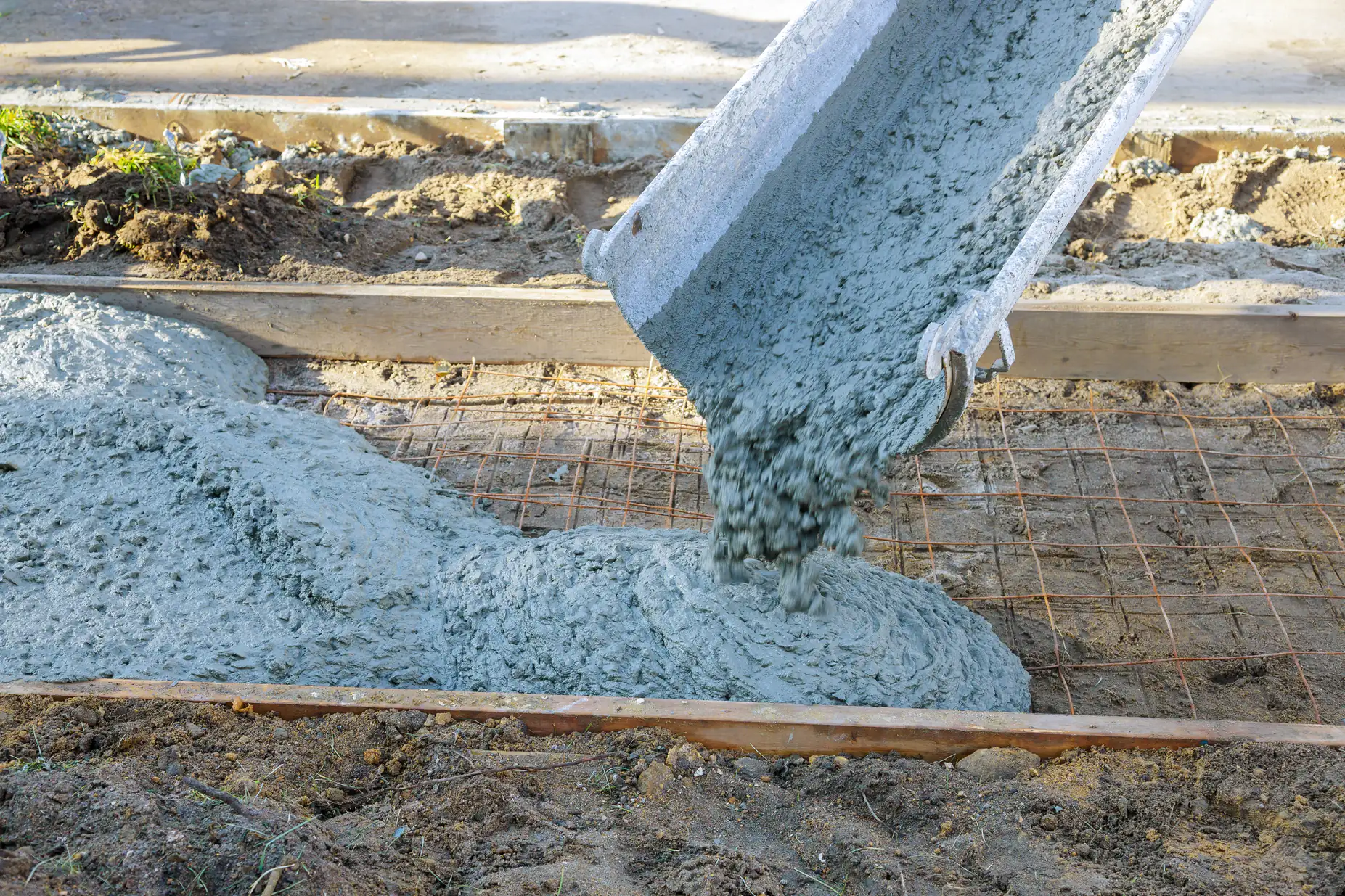
For concrete work, we use Portland cement mixes with rebar reinforcement. If you want decorative stamped patterns, we can do that too, but the foundation work stays the same—proper prep, proper materials, proper installation.
Timeline depends on weather. We work between mid-April and mid-October when temperatures allow asphalt to cure correctly. Rush jobs in cold weather are how you end up with failures.
Ready to get started?
Site evaluation comes first—we look at drainage, existing damage, soil conditions, and how water currently moves across your property. In Kinnelon, with all the elevation changes and clay soil, this step matters more than most contractors admit.
You get a detailed estimate with clear pricing. No surprises halfway through when we “discover” something that should have been obvious from the start. If your base needs more work, we tell you before we start, not after.
The actual installation includes full excavation if needed, aggregate base prep, grading for proper drainage, and asphalt application at the right temperature and thickness for residential driveways. For concrete, that means rebar reinforcement and proper curing time.
We also handle sealcoating, which extends the life of your asphalt by protecting it from UV damage, water penetration, and chemical spills. Most homeowners should sealcoat every 2-3 years, but it depends on traffic and exposure.
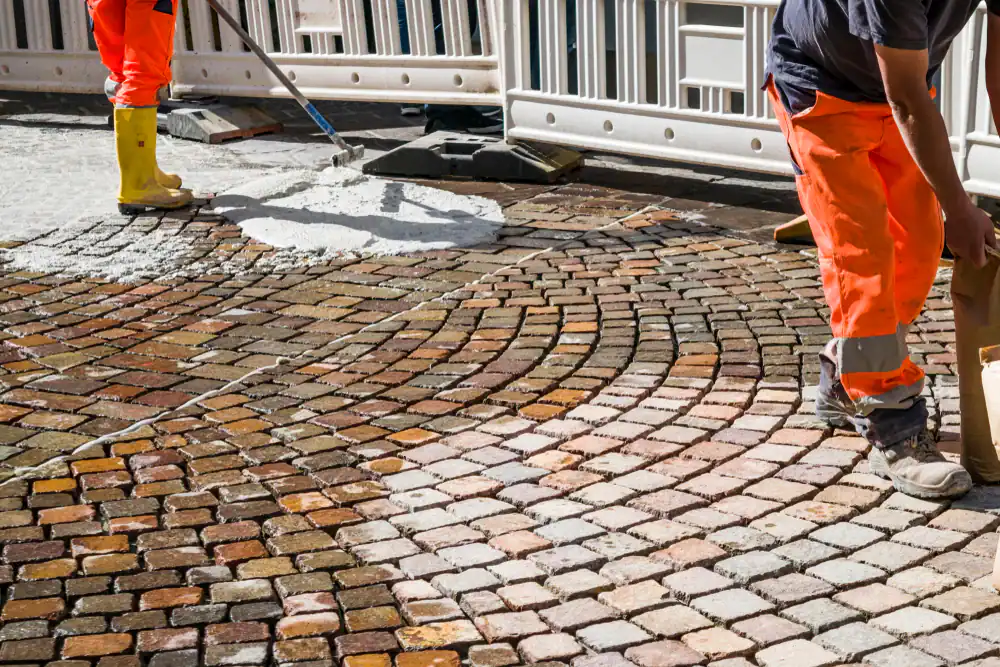
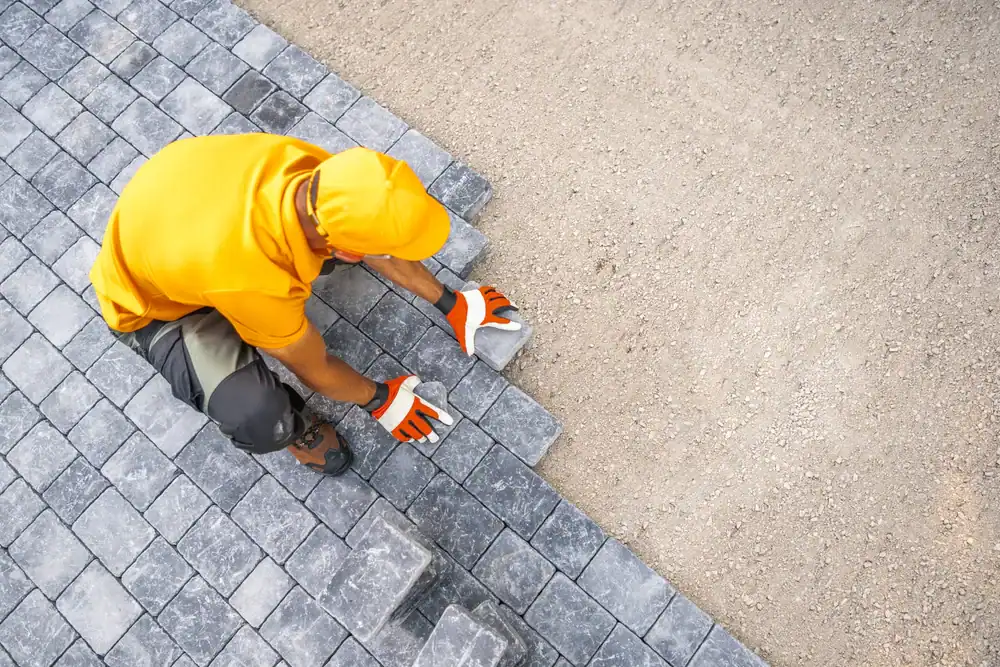
Parking lots, walkways, paver patios—we handle those too. The process adjusts based on the project, but the fundamentals stay the same: proper preparation, quality materials, installation that accounts for North Jersey weather.
A properly installed asphalt driveway should last 15-20 years in Morris County, but that number depends entirely on installation quality and maintenance. North Jersey’s freeze-thaw cycles are brutal—we get 40-50 cycles per year, which is 40% more than Central or South Jersey.
If the base wasn’t installed correctly, or if drainage wasn’t addressed, you’ll start seeing cracks within 2-3 years. Water gets in, freezes, expands, and destroys the asphalt from underneath. That’s not a material problem—that’s an installation problem.
Regular sealcoating every 2-3 years adds another 5-7 years to the lifespan by preventing water penetration and UV damage. Small cracks should be filled promptly before they turn into bigger problems. But even with perfect maintenance, a driveway built wrong from the start won’t make it past 10 years.
Late spring through early fall—roughly mid-April to mid-October. Asphalt needs warm temperatures to be applied and cured correctly. If it’s too cold, the material won’t compact properly and you’ll end up with premature failure.
Summer is ideal because you get consistent temperatures and lower chance of rain delays. But summer also books up fast, especially with homeowners trying to finish projects before school starts. If you’re planning a driveway for next year, start the conversation in winter so you can get on the schedule for spring.
Fall works too, but you’re racing against temperature drops. Once overnight lows consistently hit the 40s, installation quality suffers. Some contractors will push it and install in cold weather anyway because they need the work. That’s a gamble you don’t want to take with a $10K-$15K investment.
Usually it’s one of three things: poor base preparation, drainage issues, or low-quality materials. Sometimes it’s all three.
The base is the foundation. If a contractor skips proper excavation or uses insufficient aggregate depth, the driveway will shift and crack as the ground freezes and thaws. Clay soil around Kinnelon expands when wet and contracts when dry, which puts constant stress on anything built on top of it. A proper base absorbs that movement. A cheap base doesn’t.
Drainage is the other major culprit. Water needs somewhere to go. If it pools on or under your driveway, it will freeze in winter and destroy the asphalt. Proper grading moves water away before it becomes a problem.
Low-quality asphalt or asphalt applied at the wrong temperature won’t bond correctly. Some contractors use “leftover” materials from commercial jobs to save money. That asphalt might be too cold or the wrong mix design for residential driveways. It looks fine for a year or two, then falls apart.
For a standard two-car driveway in Kinnelon—around 600-800 square feet—you’re typically looking at $4,000 to $8,000 for asphalt, depending on the condition of the existing base and how much prep work is needed. If we need to excavate and rebuild the base, that number goes up.
Concrete costs more—usually $8 to $12 per square foot installed, so that same driveway could run $5,000 to $10,000 or higher. Decorative stamped concrete adds another $3-$5 per square foot.
The cheapest bid isn’t always the best value. If a contractor is significantly lower than everyone else, they’re cutting corners somewhere—thinner asphalt, inadequate base prep, lower-grade materials, or poor drainage work. You’ll pay for those shortcuts in repairs within a few years.
We price based on doing the job right the first time: proper excavation, quality materials, correct installation. That costs more upfront but saves you money over the 15-20 year lifespan of the driveway.
Yes, if you want it to last. Sealcoating protects asphalt from UV rays, water penetration, and chemical damage from oil or gas spills. It’s basically a protective layer that prevents the asphalt from breaking down prematurely.
Most driveways should be sealcoated every 2-3 years. If your driveway gets heavy use or full sun exposure, lean toward every 2 years. If it’s shaded and sees light traffic, you can stretch it to 3 years.
New driveways shouldn’t be sealcoated immediately—wait 6-12 months to let the asphalt cure fully. After that, regular sealcoating can add 5-7 years to the total lifespan of your driveway.
The process takes a day or two depending on weather. The driveway needs to be clean and dry, temperatures need to be above 50°F, and you’ll need to stay off it for 24-48 hours while it cures. It’s a small investment that prevents much bigger repair bills down the road.
It depends on the condition of the existing driveway. If the base is solid and the current asphalt just has surface wear, we can install a new layer on top—that’s called an overlay. It’s faster and less expensive than full replacement.
But if the existing driveway has structural problems—major cracks, settling, drainage issues, or a failing base—an overlay just covers up problems temporarily. Within a year or two, those same issues will telegraph through the new asphalt and you’re back where you started, except now you’ve paid twice.
We evaluate the existing surface before recommending a solution. If the base is compromised, full removal and reinstallation is the only way to get a driveway that lasts. That means excavation, new aggregate base, proper grading, and fresh asphalt.
An overlay might save you $2,000-$3,000 upfront, but if it fails in three years, you’ve wasted that money. Full replacement costs more initially but gives you a proper 15-20 year lifespan. We’ll tell you honestly which approach makes sense for your specific situation.