
Hear from Our Customers

A driveway that cracks within two years isn’t bad luck. It’s poor installation. When water gets into those cracks and freezes, it exerts up to 30,000 psi of pressure against your pavement. That hairline crack becomes a pothole by spring.
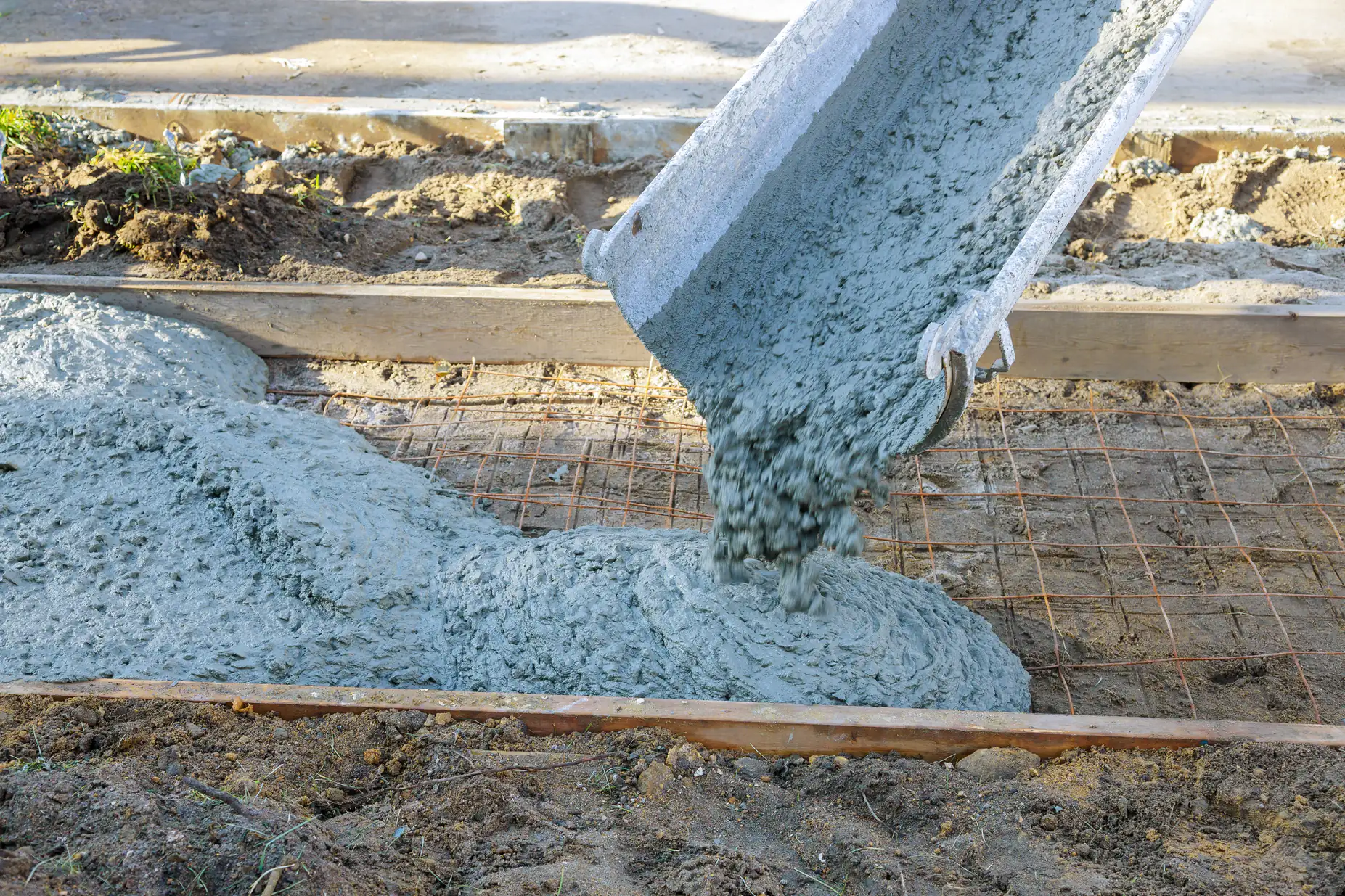
Proper base preparation stops this. We’re talking compacted layers of crushed stone that distribute weight evenly and prevent settling. Hot mix asphalt applied at the right temperature. Concrete with rebar reinforcement that can handle what North Jersey throws at it.
Your pavement should last 15-20 years with basic maintenance. Not five years before you’re calling someone else to fix what the first contractor messed up. When the base is right and the materials are right, you’re not dealing with premature failures or surprise repair bills.
We work throughout Morris, Somerset, and Sussex Counties. We’re based in Dover, which means we understand exactly what your property deals with. North Jersey gets 40% more freeze-thaw cycles than Central or South Jersey. That’s not a minor difference.
We’ve been handling residential driveways and commercial parking lots in this area long enough to know which shortcuts lead to callbacks. You won’t find us skipping the milling step or rushing a pour because the weather’s turning. Our crews know that proper compaction and temperature control aren’t optional.
When you request a quote online, you’ll hear back from us within 24-48 hours. We give you clear pricing upfront because nobody likes surprise charges halfway through a job.

First, we assess your existing surface and drainage situation. Poor drainage is behind most premature pavement failures, so we identify where water’s going before we start tearing anything up.
Next comes removal and base prep. If your old asphalt or concrete is failing, we remove it completely. Then we grade and compact the base in layers. This isn’t the exciting part, but it’s the part that determines whether your new pavement lasts three years or twenty.
For asphalt work, we apply hot mix at the proper temperature and compact it while it’s still workable. For concrete, we use Portland cement mixes with rebar reinforcement and proper curing time. If you want decorative stamped patterns, we handle that too.
Final grading ensures water runs away from your foundation. We don’t leave until the surface is smooth, properly sloped, and ready to handle traffic. Most residential driveways are ready to use within 24-48 hours for concrete, or the same day for asphalt once it cools.
Ready to get started?
We handle everything from single-family driveways to commercial parking lots. That includes new installation, complete replacement, and repair work when your existing pavement still has life left but needs attention.
Asphalt driveways are popular in this area because they handle freeze-thaw cycles better than most people expect when they’re installed correctly. Concrete driveways cost more upfront but can last longer with less maintenance. We’ll walk you through both options based on your property’s specific conditions.
For commercial properties, parking lot work includes proper striping, ADA-compliant spaces, and drainage solutions that prevent standing water. A typical 10,000 square foot parking lot replacement runs $22,500 to $32,500, but crack sealing and sealcoating can extend your existing lot’s life by 10-15 years. That’s worth considering before you commit to a full replacement.
Ten Mile Run sits in Somerset County, where soil conditions and local regulations affect how we approach each job. We pull the necessary permits and make sure your project meets local codes. You shouldn’t have to think about that stuff.
A properly installed asphalt driveway in New Jersey should last 15-20 years with regular maintenance. That maintenance means sealcoating every 2-3 years and addressing cracks before they spread.
The lifespan depends heavily on installation quality. If the contractor skips proper base preparation or applies asphalt at the wrong temperature, you’ll see failures within 3-5 years. Water penetration is the main enemy, and it gets in through cracks that form when the base wasn’t compacted correctly or when the asphalt mix wasn’t right for our climate.
North Jersey’s freeze-thaw cycles are particularly brutal. When water freezes in a crack, it expands with massive force. That’s why catching small cracks early matters so much. A $200 crack seal now prevents a $3,000 section replacement later.
Asphalt costs less upfront and handles freeze-thaw cycles well when installed properly. It needs sealcoating every few years and shows wear faster than concrete. Concrete costs more initially but requires less maintenance over its lifetime and offers more design options like stamped patterns.
In terms of durability, concrete typically lasts 25-30 years compared to asphalt’s 15-20 years. But concrete can crack if the ground underneath shifts, and those cracks are more visible and harder to repair than asphalt cracks.
For New Jersey specifically, both work fine. Your choice usually comes down to budget and aesthetics. Asphalt gives you that classic look and lower initial cost. Concrete gives you more curb appeal options and less ongoing maintenance. We install both, so we’re not pushing you toward either one based on what’s easier for us.
If more than 30% of your pavement surface shows damage, replacement usually makes more sense than patching. Large areas of alligatoring (interconnected cracks that look like reptile skin), widespread potholes, or significant settling all point toward replacement.
Surface cracks, minor potholes, and edge deterioration can typically be repaired if the base underneath is still solid. We can tell by looking at the crack patterns and testing a few spots. If water has compromised the base layer, repairs won’t hold because the foundation is failing.
Age matters too. If your driveway is already 15-18 years old and showing moderate damage, replacement gives you another 15-20 years of life. Repairs on old pavement buy you maybe 2-3 more years before you’re back to the same conversation. Sometimes the math just favors starting fresh.
Verify they’re licensed and bonded according to New Jersey’s 2024 requirements. That means $500,000 in general liability insurance and workers compensation coverage. If they can’t show you proof, walk away. You’re liable if an uninsured worker gets hurt on your property.
Ask about their base preparation process specifically. Contractors who skip steps usually skip the base work because you can’t see it once the asphalt or concrete goes down. If they can’t explain how they handle grading, compaction, and drainage, that’s a red flag.
Get everything in writing: scope of work, materials being used, project timeline, and total cost. Be suspicious of quotes that come in way below everyone else’s. Low bids usually mean shortcuts, and those shortcuts become your problem in two years when the pavement fails. References from recent jobs in your area tell you more than a website full of stock photos.
Late spring through early fall gives you the best conditions for both asphalt and concrete work. Asphalt needs ambient temperatures above 50°F for proper compaction, and concrete needs consistent temperatures for proper curing. That typically means May through October in North Jersey.
Summer is peak season, which means longer lead times. If you’re flexible, late spring or early fall often means faster scheduling. We can sometimes work into November if the weather cooperates, but we won’t rush a job just to squeeze it in before winter.
Emergency repairs happen year-round because potholes don’t wait for good weather. But if you’re planning new installation or a complete replacement, don’t wait until October to call. Book it in summer for fall work, or call in early spring for late spring installation.
Yes, if you want it to last. Sealcoating protects asphalt from UV damage, water penetration, and chemical spills like oil or gas. Without it, your asphalt oxidizes and becomes brittle. Brittle asphalt cracks easily, and cracks let water reach the base.
You should sealcoat every 2-3 years after the initial installation. New asphalt needs 6-12 months to cure before the first sealcoat application. After that, regular sealcoating can extend your driveway’s life by 10-15 years compared to never sealing it.
The cost is minimal compared to early replacement. A typical residential driveway sealcoat runs a few hundred dollars. Replacing that same driveway runs several thousand. The math isn’t complicated. Skipping maintenance doesn’t save money—it just guarantees you’ll spend more later when the damage gets too extensive to repair.