

Hear from Our Customers

A driveway that lasts 20 years instead of needing repairs every three. That’s what happens when the base is prepared right, the hot mix asphalt goes down at the correct temperature, and compaction is done properly.
You’re not just getting a black surface. You’re getting drainage that directs water away from your foundation. A smooth, even finish that doesn’t crack after the first winter. And a surface that handles the 55 to 75 freeze-thaw cycles New Jersey throws at it every year without turning into a pothole minefield.
Most asphalt failures start underneath. Water gets into a poorly compacted base, freezes, expands by 9%, and pushes everything up. Then it thaws and the pavement settles unevenly. That’s how you end up with a $300-$800 pothole repair bill for something that could’ve been prevented with proper installation from the start.
We’ve been handling residential and commercial paving across Morris, Sussex, and Somerset Counties for more than 20 years. We’re a family-owned operation, third generation, and the owner is on every job site.
We’re not the cheapest paving company near you, and that’s intentional. You’re paying for materials that last, installation techniques that actually work, and a crew that shows up when scheduled. Our customers tell us they picked us because we did exactly what we said we’d do, no surprises.
We’re fully licensed and insured, and we guarantee a callback within 24-48 hours when you request a quote online. Morris Plains is part of our home territory. We know what the soil conditions are like here, how water moves through these neighborhoods, and what it takes to build asphalt that holds up in this climate.

First, we assess your existing surface and drainage situation. If there’s old asphalt, we remove it completely. If the base is compromised, we excavate and rebuild it with proper compaction. This is where most paving contractors cut corners, and it’s why their work fails in three years.
Next, we grade for drainage. Water is the enemy of asphalt. If it pools or seeps into the base, you’ll have problems no matter how good the top layer is. We make sure water moves away from your property and doesn’t sit on the surface.
Then we bring in high-grade hot mix asphalt at the right temperature. Too cold and it won’t compact properly. Too hot and it can scorch. We apply it in lifts, compact it with commercial-grade equipment, and finish with a smooth roller pass. Most driveways are ready to use within 24-48 hours.
The final step is cleanup. We haul away all debris, sweep the area, and leave your property cleaner than we found it. You get a driveway or parking lot that looks professional and performs for decades, not just seasons.

Ready to get started?
Every paving job starts with site preparation. That means proper excavation, base installation with crushed stone, and grading for drainage. We don’t just pave over what’s there and hope it works.
You get high-grade hot mix asphalt applied at the proper temperature and compacted to the right density. We use commercial equipment, not homeowner-grade tools. The difference shows up in how long your pavement lasts and how well it handles Morris County‘s freeze-thaw cycles.
For commercial properties in Morris Plains, Morristown, Parsippany, and throughout our service area, we handle ADA compliance requirements, parking lot striping, and traffic flow design. For residential customers in Dover, Madison, Florham Park, and surrounding towns, we install driveways that improve curb appeal and property value.
We also offer sealcoating services to extend the life of your asphalt, crack filling to prevent water infiltration, and patching for areas that need repair before they turn into bigger problems. And if you want decorative options, we install stamped concrete for walkways and entryways.
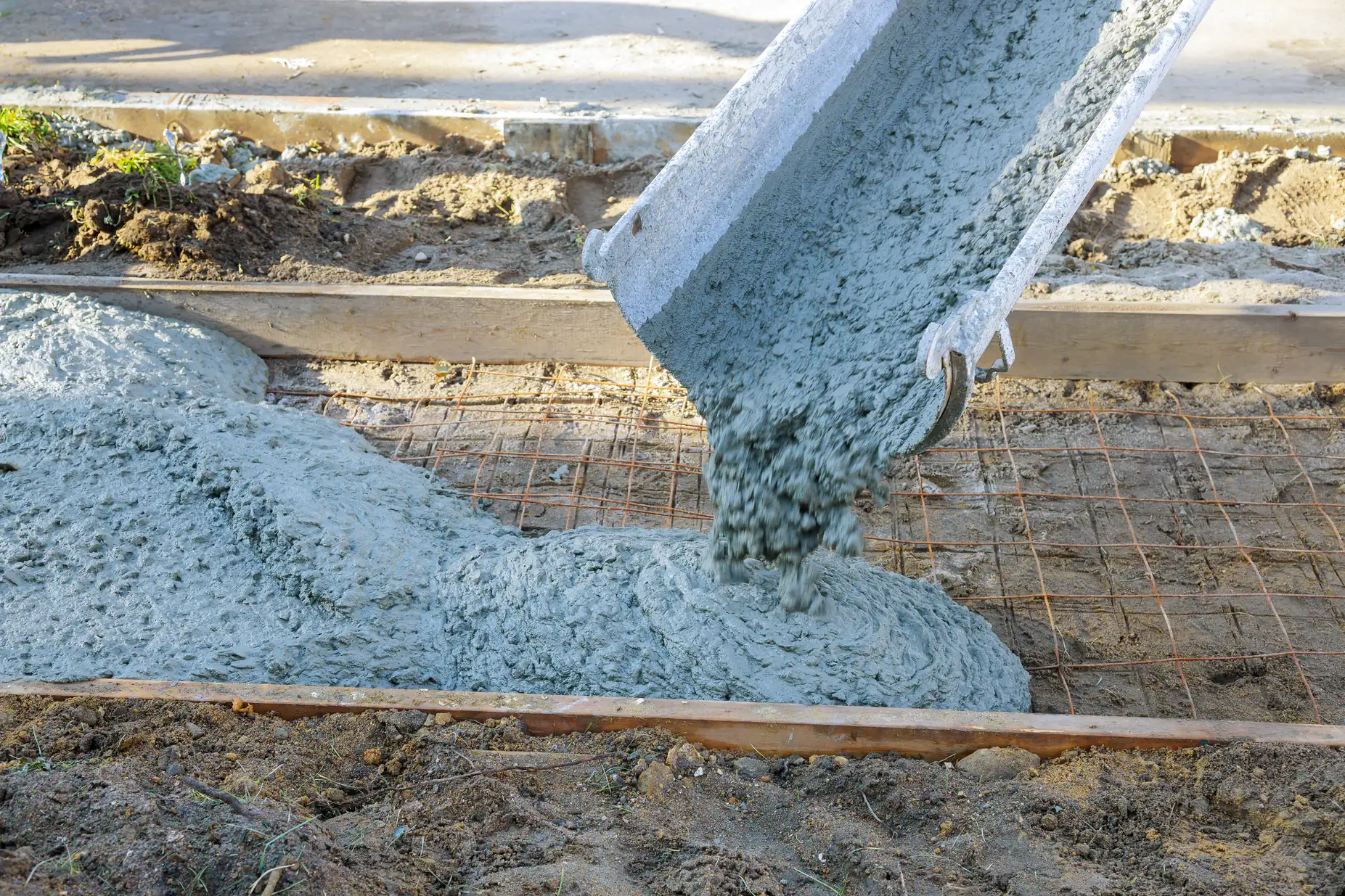
Properly installed asphalt can last 15-20 years in New Jersey if it’s maintained. That means sealcoating every 2-3 years and fixing cracks before they spread.
The lifespan depends on three things: base preparation, installation quality, and maintenance. If the base isn’t compacted correctly or drainage isn’t addressed, you’ll see failures in 3-5 years no matter how good the asphalt is. North Jersey’s 55-75 freeze-thaw cycles every winter are brutal on pavement. Water gets into cracks, freezes, expands by 9%, and breaks apart the asphalt from underneath.
That’s why proper installation matters more than the asphalt itself. A well-built base with good drainage will outlast a cheap job by a decade or more. And regular sealcoating protects the surface from UV damage, water penetration, and oxidation that makes asphalt brittle.
There’s no real difference. Blacktop and asphalt are the same material—hot mix asphalt made from aggregate and bitumen. The terms are used interchangeably, though “blacktop” is more common in residential conversations and “asphalt” is used in commercial contexts.
What matters more than the name is the mix quality and installation process. High-grade hot mix asphalt (HMA) uses better aggregate, has a higher bitumen content, and is engineered for durability. Cheaper mixes use lower-quality materials and won’t hold up as well under traffic and weather stress.
The installation process makes the biggest difference. Proper compaction, correct temperature during application, and adequate thickness determine how long your driveway lasts. A 2-inch layer of high-quality asphalt over a well-prepared base will outperform a 4-inch layer of cheap material over poor base prep every time.
Most residential driveways in Morris Plains run between $3,000 and $8,000 depending on size, base condition, and drainage requirements. That’s for complete removal and replacement with proper base preparation.
Asphalt costs 25-50% less than concrete, which is why it’s the most common choice for driveways in New Jersey. But the final price depends on what’s happening underneath. If your existing base is solid and drainage is good, you might just need resurfacing, which costs significantly less. If the base has failed or there are drainage issues, you’re looking at full reconstruction.
Here’s what drives the cost: excavation depth, amount of base material needed, drainage solutions like French drains or catch basins, and the thickness of the asphalt layer. A standard driveway needs 2-3 inches of asphalt over 4-6 inches of compacted base. Cutting corners on base prep to save money now means you’ll pay for repairs within a few years. We give you upfront pricing with no surprise charges so you know exactly what you’re getting.
Late spring through early fall is ideal for asphalt paving in New Jersey. You need consistent temperatures above 50°F for proper compaction and curing. Cold weather prevents the asphalt from compacting correctly, which leads to premature failure.
Most paving companies near Morris Plains are busiest in May, June, September, and October. These months offer the best weather conditions—warm days, low humidity, and minimal rain. Summer works too, but extreme heat can make the asphalt too soft during installation, and afternoon thunderstorms can delay projects.
Winter paving is possible but not recommended unless it’s an emergency repair. The asphalt doesn’t bond as well in cold temperatures, compaction is harder to achieve, and you won’t get the same longevity. If you’re planning a driveway project, schedule it in spring or fall. You’ll get better results, and we have more availability to focus on your job without rushing through it.
Most residential driveway paving projects in Morris Plains don’t require a permit if you’re repaving within the existing footprint. But if you’re expanding the driveway, changing drainage patterns, or adding new impervious surface area, you’ll likely need approval from the borough.
Commercial paving projects almost always require permits, especially for parking lots. You’ll need to meet ADA compliance standards, stormwater management requirements, and local zoning regulations. Morris County has specific rules about how much impervious surface you can add to a property and where water runoff can go.
The safest approach is to check with Morris Plains Borough Hall before starting any paving project. We can help you understand what’s required and handle the permit process if needed. It’s better to get approval upfront than deal with violations later. Some towns also require inspections during construction to verify proper drainage and base preparation, so it’s worth knowing the local requirements before you start.
Sealcoat every 2-3 years, fill cracks as soon as they appear, and keep the surface clean. Those three things will double the life of your asphalt driveway in Morris County.
Sealcoating protects against UV damage, water penetration, and chemical spills like oil or gasoline. It’s not just cosmetic—it actually extends the pavement’s lifespan by preventing oxidation that makes asphalt brittle. Wait 6-12 months after installation before applying the first sealcoat so the asphalt has time to cure properly.
Crack filling is critical in New Jersey because of freeze-thaw cycles. A small crack turns into a pothole fast when water gets in, freezes, and expands. Fill cracks when they’re still narrow—once they’re wider than a quarter-inch, you’re looking at more extensive repairs. And keep your driveway clean. Leaves, dirt, and debris trap moisture against the surface, which accelerates deterioration. A quick sweep or rinse every few weeks makes a difference.