
Hear from Our Customers

Most driveways and parking lots fail because of what you can’t see. The base wasn’t excavated deep enough. The grading doesn’t account for water flow. The asphalt layer is too thin or wasn’t compacted right.
When the work is done correctly from the start, you’re not calling for repairs every other year. Water drains where it should. Freeze-thaw cycles don’t create spiderweb cracks across your driveway. Your pavement holds up under traffic, weather, and time.
That’s the difference between a surface that looks good for a season and one that protects your investment for decades. Proper base preparation, quality hot mix asphalt applied at the right temperature, and compaction that creates a dense, resilient finish. It costs more upfront because it involves more work, but it eliminates the cycle of constant patching and premature replacement.
We’ve been working in Morris, Sussex, and Somerset Counties for over 20 years. That means understanding how Raritan’s clay soil shifts, where water tends to pool after storms, and what mix designs hold up best in this climate.
Our owner shows up for every job. Not just at the start, but throughout the process to make sure the work meets our standards before calling it finished. You’re not dealing with a crew that disappears halfway through or a company that subcontracts your project to the lowest bidder.
We’re licensed, insured, and BBB accredited with an A+ rating. When permits are needed, we handle them. When drainage issues come up during excavation, we address them before pouring asphalt over a problem that’ll resurface in six months.

It starts with a site visit and written estimate that breaks down materials, labor, and timeline. No vague quotes that balloon later.
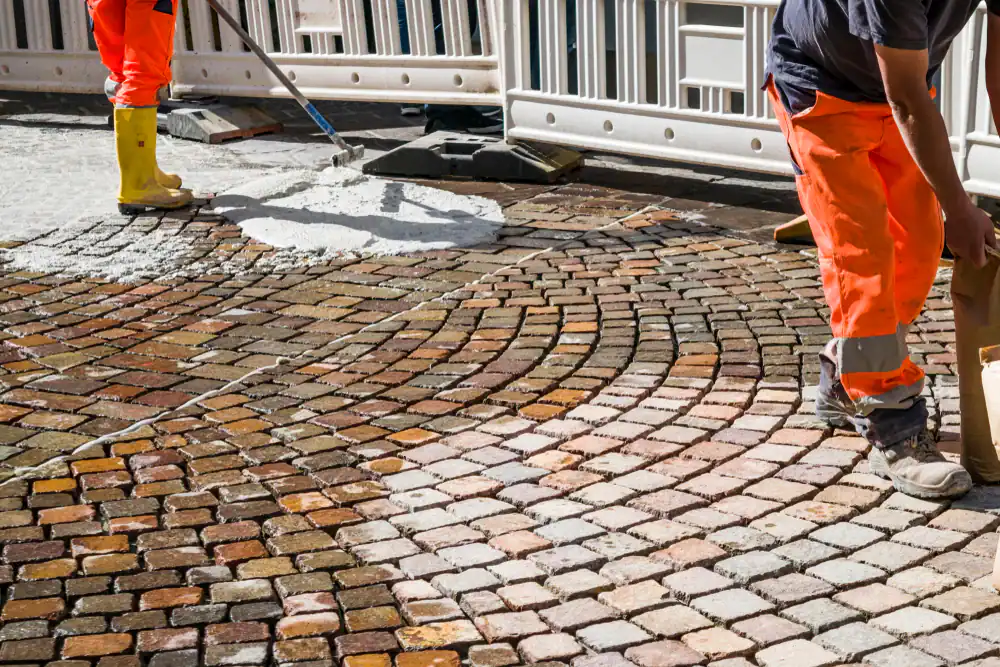
Excavation comes first if needed, removing old pavement or digging down to stable soil. Then grading to establish proper pitch for drainage, because standing water is what kills pavement in New Jersey. A compacted base layer goes in next, creating the foundation that prevents settling and cracking.
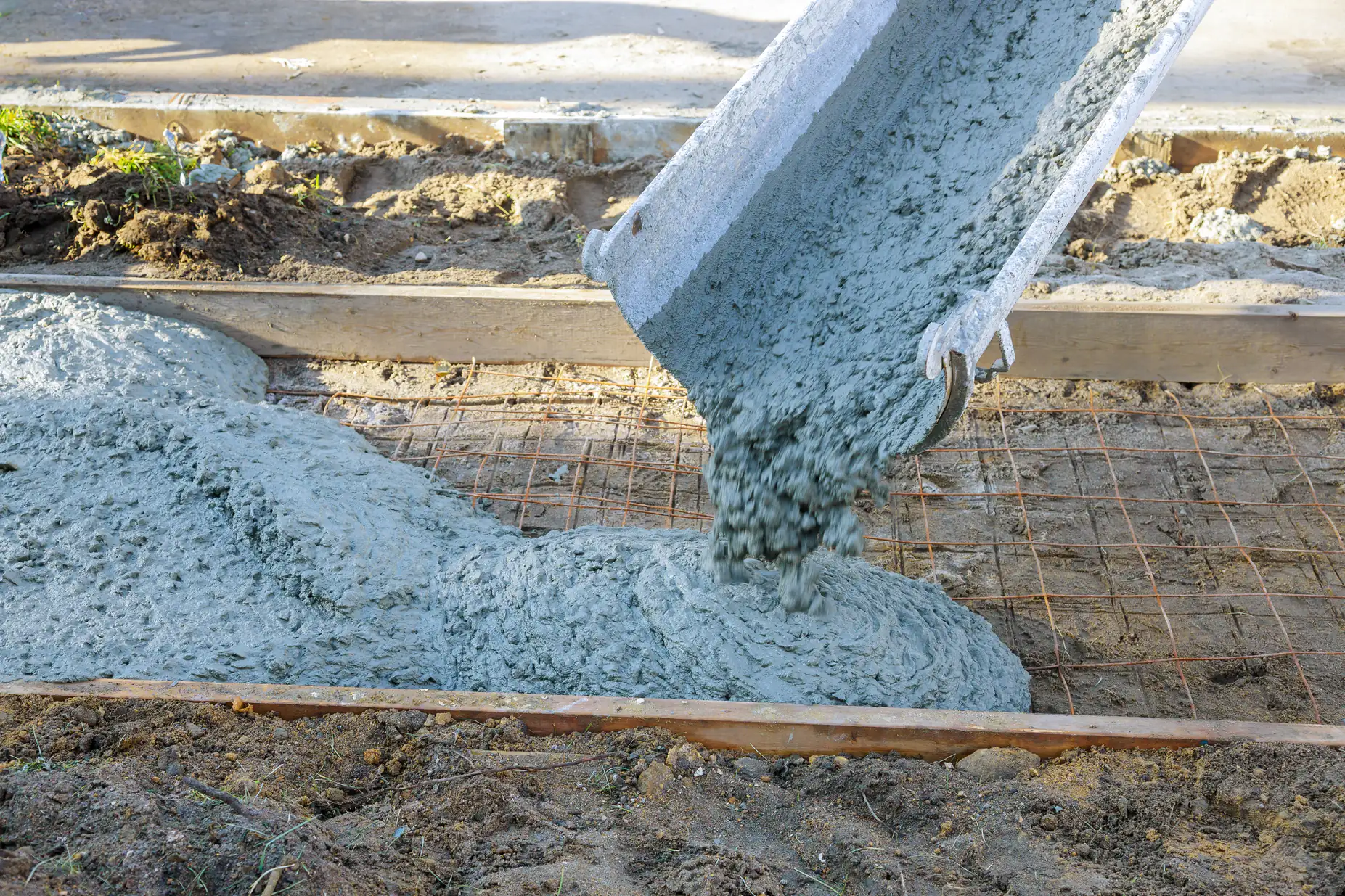
For asphalt work, hot mix asphalt gets applied at the proper temperature and compacted with commercial rollers to create a dense, smooth surface. For concrete projects, forms are set, rebar is placed for reinforcement, and Portland cement mixes are poured and finished. Decorative stamped patterns are available if that’s the look you want.
Cleanup and disposal are included. If landscaping was disturbed during excavation, we restore it. The job isn’t done until the site is clean and the pavement is cured enough for use.
Ready to get started?
Residential driveways, commercial parking lots, roadway resurfacing, and patching all fall under the scope. Both asphalt and concrete services, depending on what makes sense for your property and budget.
Raritan’s location in Somerset County means dealing with temperature swings that put constant stress on pavement. Winter freezing expands any water that’s seeped into cracks. Summer heat causes thermal expansion. Without proper installation designed for these conditions, you’re looking at premature failure.
That’s why base preparation matters so much here. The clay soil common in this area shifts and settles, which is why excavation depth and compaction can’t be shortcuts. Drainage design has to account for local rainfall patterns and property grading. Materials need to be spec’d for the climate, not just whatever’s cheapest that week.
You also get transparent pricing with a 24-48 hour callback guarantee on quote requests. Timelines are clear from the start, and the work is backed by warranties covering defects in workmanship and installation issues.
With professional installation and regular maintenance, you’re looking at 15-20 years for a properly installed asphalt driveway or parking lot. That assumes sealcoating every 2-3 years and addressing small cracks before they become big problems.
The lifespan depends heavily on what happens before the asphalt goes down. If the base wasn’t excavated deep enough or compacted properly, you might see failure in 3-5 years regardless of the asphalt quality. If drainage wasn’t designed correctly and water pools on the surface, freeze-thaw damage accelerates.
New Jersey’s climate is tough on pavement. You need installation that accounts for that from the beginning, not just a cheap surface layer that looks good for a season. The difference between a 5-year driveway and a 20-year driveway is usually what you can’t see underneath.
Cheap contractors skip excavation, use thin asphalt layers, and don’t compact properly. They might quote 20-30% less, but the pavement fails in a few years and costs more to replace than doing it right the first time.
Professional paving includes proper site preparation with adequate excavation and base installation. The asphalt layer is thick enough to handle traffic and weather. Compaction is done with commercial equipment, not just a hand tamper. Drainage is designed into the grading so water doesn’t pool and seep into cracks.
You’ll also see differences in materials. High-grade hot mix asphalt applied at the correct temperature creates a denser, more durable surface than cold mix or recycled asphalt that wasn’t processed properly. For concrete work, Portland cement mixes with rebar reinforcement hold up better than thin pours without proper reinforcement.
The price difference is real, but so is the quality difference. One lasts three times longer with far less maintenance.
Water is getting into small cracks, freezing overnight, and expanding. That expansion makes the cracks bigger. By spring, you’ve got spiderweb patterns across the surface and edges that are starting to crumble.
This happens when the asphalt wasn’t sealed properly or when the base underneath wasn’t installed correctly. If water can penetrate through the asphalt layer and into the base material, freeze-thaw cycles cause the base to heave and settle. That movement creates more cracks on the surface, which let in more water, which causes more damage.
The fix isn’t just filling cracks every year. It’s either installing a proper base and drainage system from the start, or if the damage is extensive, removing the failed pavement and starting over with correct installation. Sealcoating every 2-3 years helps prevent water penetration, but it can’t fix a base that was never installed right. Morris County’s clay soil and temperature swings make proper installation even more critical here than in other regions.
Residential driveways typically run between $3-$7 per square foot depending on site conditions, access, and how much prep work is needed. Commercial parking lots can vary more based on size, traffic requirements, and whether striping and curbing are included.
Those numbers assume professional installation with proper excavation, base prep, and quality materials. If someone quotes significantly less, ask what they’re skipping. Thinner asphalt? No base work? Minimal compaction? Those shortcuts show up as failures within a few years.
Material costs have been volatile lately due to oil price fluctuations and supply chain issues. A quote that’s valid for 30 days might not be the same price six months later. That’s why getting the work done when you’re ready makes sense, rather than waiting and hoping prices drop. The site visit and written estimate will break down exactly what you’re paying for so there aren’t surprises when the invoice comes.
It depends on whether you’re replacing an existing driveway in the same footprint or expanding it, changing drainage patterns, or affecting right-of-way areas. Most straight replacements don’t require permits, but any changes to size, location, or drainage usually do.
Raritan’s municipal requirements also cover how close paving can come to property lines, what slope is required for drainage, and whether curb cuts need approval. If your property is in a historic district or has easements, additional restrictions might apply.
A licensed paving contractor handles permit applications when needed and makes sure the work meets local codes. That protects you if there’s ever a question about compliance during a property sale or assessment. It’s worth asking upfront what’s required for your specific project rather than assuming no permits are needed and finding out later that the work doesn’t meet code.
Late spring through early fall, typically May through October. Asphalt needs warm temperatures to cure properly, and you want dry conditions for installation. Cold weather makes the asphalt cool too quickly, preventing proper compaction. Rain delays work and can compromise the base if water saturates the prepared area.
Spring and fall often provide the most consistent weather windows. Summer works too, but extreme heat can make the asphalt too soft during installation. You also want to avoid paving right before winter, since new asphalt benefits from a full season of curing before facing freeze-thaw cycles.
Scheduling fills up during peak season, so calling a few months ahead makes sense if you want the work done during optimal conditions. If you’re dealing with emergency repairs or damage that’s getting worse, sometimes paving in less-than-ideal conditions is better than waiting and letting water damage spread. That’s a case-by-case call based on what’s happening with your specific pavement.