
Hear from Our Customers

Morris County winters are brutal on pavement. Those hairline cracks you see in October become spiderwebs by March. Water seeps in, freezes, expands, and tears your surface apart from the inside.
Proper installation stops that cycle before it starts. We’re talking about the right asphalt thickness for your specific use, grading that moves water away from your foundation, and compaction that squeezes out air pockets where water hides. When those elements work together, your driveway or parking lot doesn’t just survive winter—it ignores it.
Most homeowners in Madison don’t realize their $750,000 property can lose thousands in perceived value from a deteriorating driveway. Commercial properties face worse: liability from potholes, customers avoiding cracked parking lots, and repair bills that could’ve funded prevention three times over.
We’ve served Morris County for over 20 years. We’re not a franchise or a crew that shows up from three states away. We know Madison’s soil conditions, drainage challenges, and exactly how winter hits your specific neighborhood.
Dominick runs the company and still walks every job site. When you call, you’re talking to someone who’s seen every type of paving failure this area can produce—and knows how to prevent it. That’s why customers pick us even when we’re not the cheapest quote. They’ve done their research and understand that quality installation costs less than cheap work that fails.

We start with a site visit. You show us what needs work, we examine drainage patterns and foundation conditions, and we discuss whether asphalt or concrete makes more sense for your situation and budget.
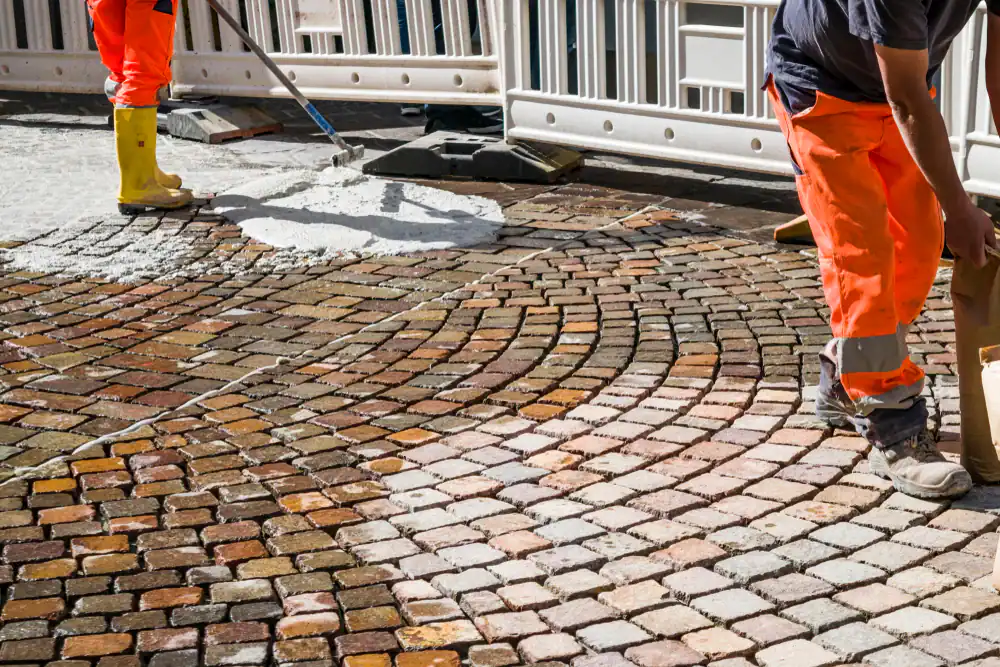
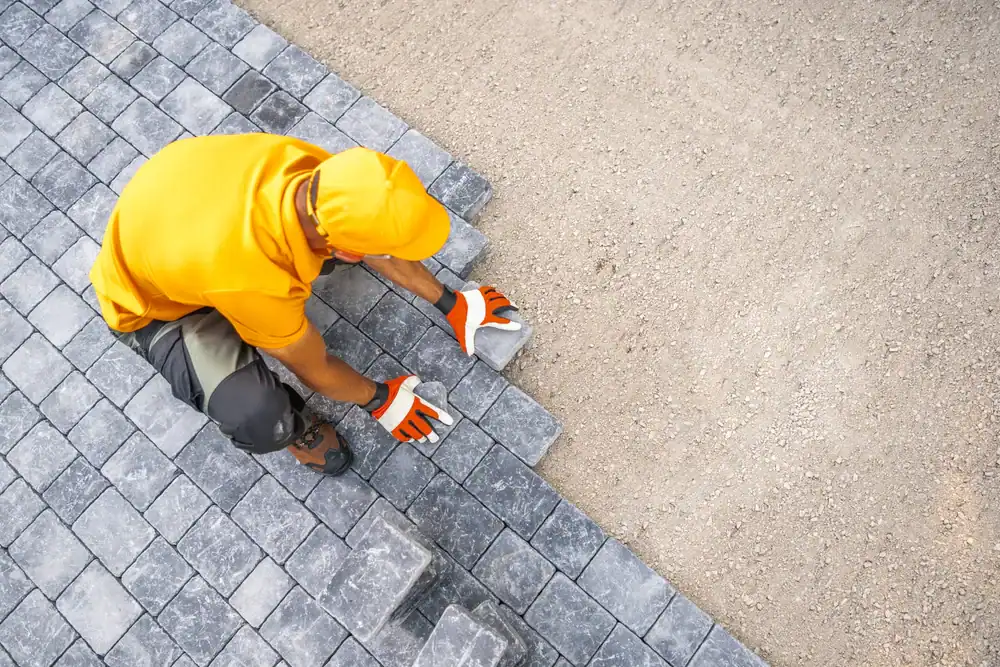
Next comes preparation—the part most paving companies near me rush through. We excavate to the right depth, grade for proper water runoff, and lay a stable base. Shortcuts here guarantee failure later, so we don’t take them.
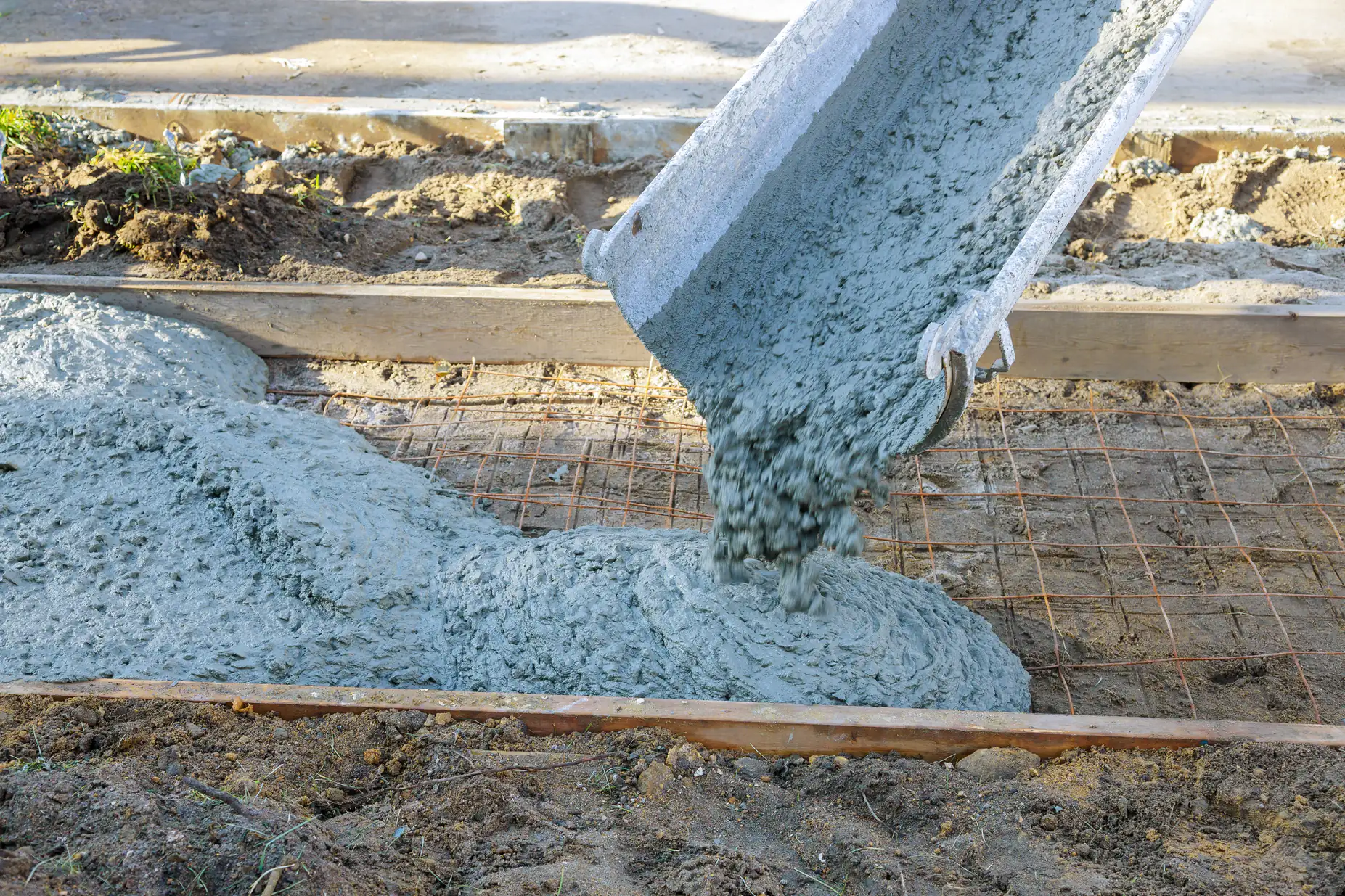
Installation means applying hot mix asphalt at the correct temperature or pouring concrete with proper reinforcement. For asphalt, we use industrial rollers to compact the surface and eliminate air voids. For concrete, we place rebar and control joints exactly where they need to go. The material matters, but installation technique matters more.
Curing time depends on what we installed. Asphalt needs 24-48 hours before you can drive on it. Concrete takes longer—about a week for light use, longer for heavy loads. We’ll tell you exactly what to expect before we start.
Ready to get started?
Every job starts with proper site prep. That means excavation, grading for drainage, and base material that won’t shift or settle. We’re removing the conditions that cause pavement failure, not just covering them up.
For asphalt work, we use high-grade hot mix asphalt designed for New Jersey’s climate. The mix gets applied at the right temperature and thickness—typically 2-3 inches for residential driveways, more for commercial parking lots that handle heavier loads. Compaction happens while the asphalt is still hot, creating a dense surface that water can’t penetrate.
Concrete projects get Portland cement mixes with rebar reinforcement. We can do standard finishes or decorative stamped patterns if you want something beyond basic gray. Control joints go in at specific intervals to manage cracking as the concrete expands and contracts with temperature changes.
Madison properties often need custom drainage solutions. We factor in your property’s slope, nearby structures, and where water naturally wants to go. Proper grading directs runoff away from foundations and prevents the pooling that leads to potholes and settling. You get upfront pricing that covers the actual work required—no surprise charges when we discover “unexpected” issues that any experienced contractor should’ve anticipated.
A properly installed asphalt driveway in Madison typically lasts 15-20 years, sometimes longer with maintenance. That number assumes correct installation—proper thickness, good base preparation, and thorough compaction.
The real variable is maintenance. Sealcoating every 2-3 years protects the surface from UV damage and water penetration. It’s not optional if you want your pavement to hit that 20-year mark. Without it, you’re looking at significant deterioration by year 10.
Morris County’s freeze-thaw cycles accelerate wear. Water gets into small cracks, freezes, expands, and turns minor damage into major problems. Regular crack sealing catches issues while they’re still cheap to fix. Foundation work costs ten times more than sealing cracks, and about 75% of unsealed cracks become potholes within three years.
Asphalt costs less upfront—typically $3-7 per square foot versus $4-10 for concrete. It handles temperature fluctuations better because it’s flexible, which matters in New Jersey. Asphalt also gets installed faster and you can use it sooner.
Concrete lasts longer without maintenance and offers more design options if appearance matters to you. It stays cooler in summer and won’t soften in extreme heat. The lighter color shows less oil staining, though it will show salt stains in winter.
For most Madison homeowners, asphalt makes more sense for driveways. It performs well in our climate, costs less, and repairs are simpler. Concrete works better for decorative applications like walkways or patios where you want specific aesthetic effects. Commercial properties often choose asphalt for large parking areas because the cost difference becomes significant at scale.
Potholes start with water penetration. Water seeps into cracks or air pockets in the pavement, then freezes when temperatures drop. Ice takes up more space than water, so it pushes the pavement apart from inside. When it melts, you’re left with a void. Traffic pressure collapses the weakened surface into that void—that’s your pothole.
Prevention happens during installation. Proper compaction eliminates air pockets where water can hide. Correct thickness provides enough material to resist cracking under load. Good base preparation ensures the foundation won’t shift and crack the surface above it.
After installation, maintenance takes over. Sealcoating blocks water from entering small surface cracks. Crack filling catches damage early, before water can penetrate deep enough to cause real problems. Once a pothole forms, you’re doing repair work that costs significantly more than the prevention would have. The foundation material under a pothole has usually lost its load-bearing capacity, so you’re rebuilding structure, not just filling a hole.
Asphalt needs 24-48 hours before you can drive on it. You can walk on it sooner, but keep heavy loads off until it’s fully set. Hot weather speeds curing, cold weather slows it down. We schedule most asphalt work for late spring through early fall when temperatures support proper curing.
Concrete takes about seven days before it can handle vehicle traffic, and it doesn’t reach full strength for about a month. Light foot traffic is fine after 24 hours. Avoid driving heavy vehicles or equipment on new concrete for at least a week.
Temperature matters more than you’d think. Asphalt needs to be applied and compacted while hot—that’s why we can’t do quality asphalt work in winter. Concrete won’t cure properly if it freezes before it sets, and extreme heat can cause it to dry too fast and crack. We’ll tell you the realistic timeline for your specific project based on current weather and what we’re installing.
Yes. Commercial paving requires heavier base preparation and thicker asphalt because parking lots handle more weight and traffic than residential driveways. We’re typically looking at 3-4 inches of asphalt minimum, sometimes more depending on expected loads.
Parking lot projects include striping, ADA-compliant spaces, and drainage systems that handle runoff from larger surface areas. Your parking lot is often the first thing customers see, so appearance matters. Cracked, pothole-filled asphalt sends the wrong message about your business.
We work around your business hours when possible to minimize disruption. Larger projects get phased so you don’t lose all your parking at once. You’ll get a comprehensive warranty covering both materials and workmanship—we stand behind commercial work the same way we do residential. Timeline depends on size and complexity, but we’ll give you a realistic schedule upfront and stick to it.
Every estimate covers site preparation, materials, labor, and cleanup. Site prep includes excavation to the proper depth, grading for drainage, and base material installation. We spell out exactly what thickness of asphalt or concrete you’re getting and what type of mix we’re using.
You’ll see line items for compaction equipment, any necessary drainage work, and finishing details. If your project needs saw cutting for clean edges or tie-ins to existing pavement, that’s in there. We include disposal of excavated material—you’re not getting a surprise bill for hauling away dirt.
What you won’t see are vague allowances or “to be determined” costs. We examine your site before quoting so we can account for actual conditions. If we find ledge rock or groundwater issues during excavation that genuinely couldn’t be predicted, we discuss it immediately—not after the work is done. Most experienced paving contractors can anticipate site challenges during the estimate phase. That’s what you’re paying for.