
Hear from Our Customers

A well-installed driveway or parking lot doesn’t just look better. It drains correctly, so water doesn’t pool and freeze into cracks every winter. It holds up under the weight of your vehicles without sinking or developing ruts. And it doesn’t need patching every other spring because someone cut corners on the base.
When you’re comparing paving companies near me, the difference isn’t just price. It’s whether the contractor knows how to prep the ground for Hamburg’s soil conditions, uses the right asphalt mix for our climate, and actually reinforces concrete properly. Most failures happen because of what you can’t see: poor grading, inadequate base material, or skipping steps to finish faster.
You want a surface that protects your property value and doesn’t become a safety hazard when it starts breaking down. That means hiring someone who understands that North Jersey pavement needs more than a quick overlay and a coat of sealer.
We’ve spent over 30 years working in Hamburg and the surrounding areas. We’re not a crew that shows up from out of state during paving season. We know what winter does to pavement here because we live here and fix the problems every spring.
Our owner is on every job. That’s not something you hear often with paving contractors, but it matters when decisions need to be made about drainage or base depth. We’re licensed, insured, and we don’t disappear after the job is done.
Hamburg homeowners deal with a specific set of challenges: hilly terrain, older properties with drainage issues, and weather that swings from 90 degrees in July to below freezing by October. We account for all of it before we lay a single inch of asphalt or pour any concrete.

First, we assess your property. That means looking at drainage patterns, checking soil stability, and measuring how much base material you actually need. If your driveway slopes toward your foundation or the ground is too soft, we address it before paving. Skipping this step is why driveways fail early.
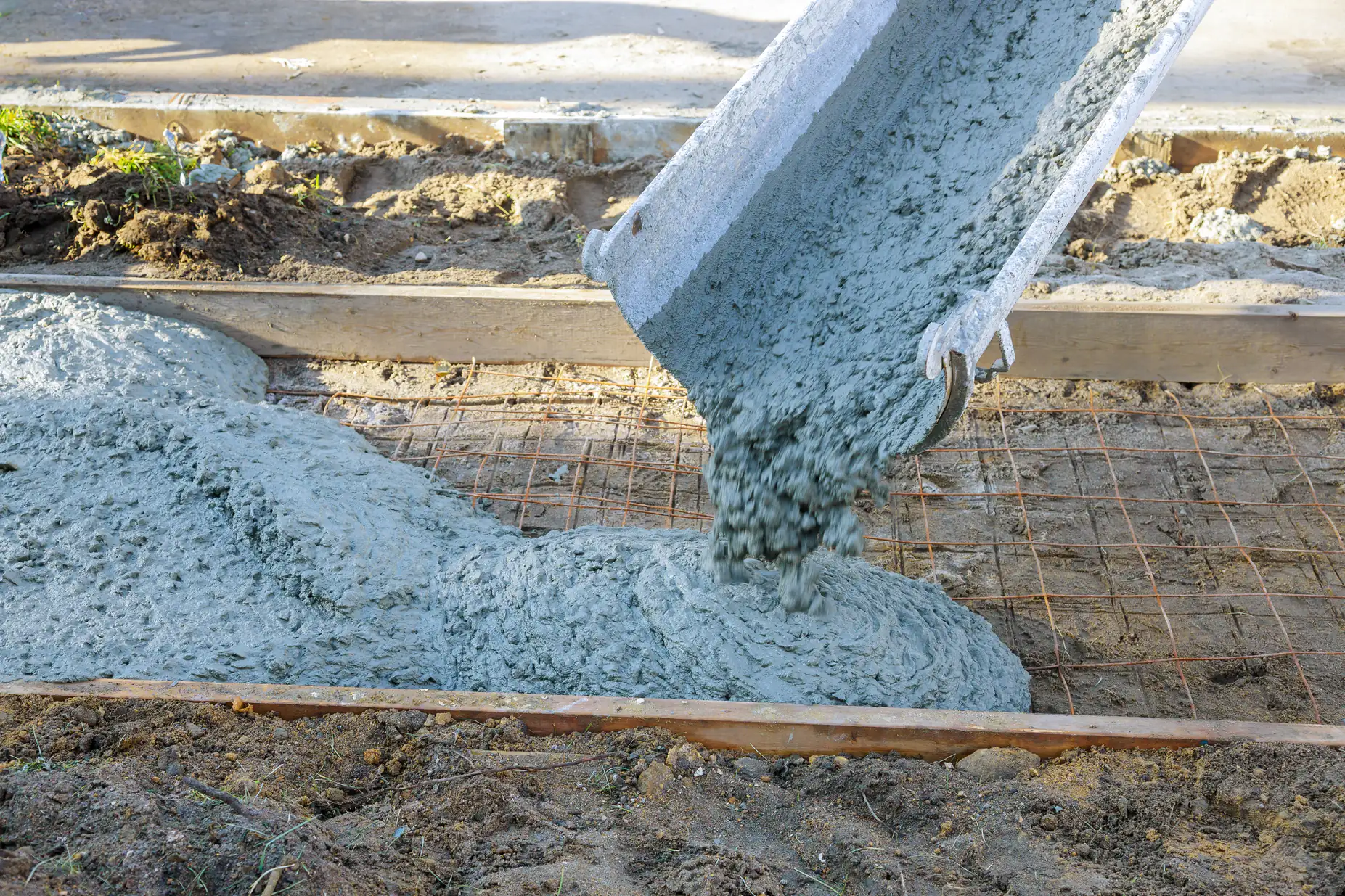
Next, we excavate and grade. For asphalt, we install a compacted aggregate base—usually 4 to 8 inches depending on your soil and traffic load. For concrete, we add rebar reinforcement and make sure the forms are set to proper slope. This is the part that determines whether your pavement lasts 10 years or 30.
Then we pave. We use high-grade hot mix asphalt applied at the right temperature, or Portland cement mixes that cure properly in our climate. We’re not rushing to squeeze in another job before dark. Once it’s down, we compact it correctly and let it cure. You’ll know exactly when you can drive on it, and we don’t leave until the site is clean.
Ready to get started?
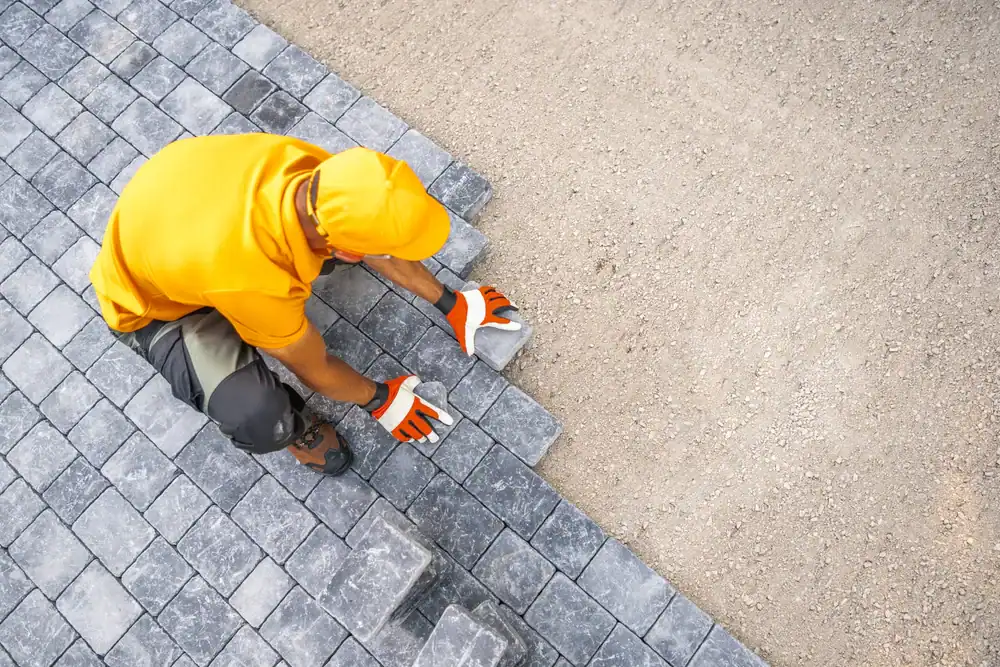
You get a full site evaluation and a written estimate with clear pricing. No surprise charges when the job is done. We handle everything from excavation and grading to final compaction and cleanup. If you need decorative stamped concrete or paver patios, we do that too.
Hamburg properties often need more than just a new surface. You might need improved drainage, a wider apron to handle two cars, or repairs to existing pavement that’s sinking. We’ll tell you what actually needs to be done and what can wait. Our goal is to give you a surface that works, not upsell you on things that don’t make sense for your property.
We also offer sealcoating and maintenance services. Asphalt needs to be sealed every few years to protect it from UV damage and water infiltration. Concrete benefits from joint sealing and occasional crack repair. Regular maintenance extends the life of your pavement significantly, and we can put you on a schedule so you’re not guessing when it’s time.
All our work comes with a warranty on materials and workmanship. We’re available 24/7 for emergency repairs if something unexpected happens. And if you submit a quote request online, we’ll get back to you within 24 to 48 hours.
Properly installed asphalt in Hamburg typically lasts 15 to 25 years, but that depends entirely on how it’s built. North Jersey has some of the highest freeze-thaw cycles in the state, which means water gets into small cracks, freezes, expands, and breaks apart the pavement. If your base isn’t thick enough or the asphalt wasn’t compacted correctly, you’ll see failure in under five years.
The key is using the right materials and methods for our climate. That means a solid aggregate base, high-grade hot mix asphalt, proper compaction, and good drainage so water doesn’t sit on the surface. Sealcoating every 2 to 3 years adds another layer of protection against UV rays and moisture.
If someone quotes you a price that seems too good to be true, they’re probably skimping on base depth or using a thinner layer of asphalt. You’ll pay less upfront and more later when you’re repaving the whole thing in a few years.
Asphalt is more flexible, which helps it handle freeze-thaw cycles without cracking as easily. It’s also faster to install and typically costs less upfront. You can drive on it within a day or two, and it’s easier to repair if damage does occur. The tradeoff is that it needs sealcoating every few years and has a softer surface that can indent under heavy loads in summer heat.
Concrete is more rigid and durable long-term. It doesn’t need sealcoating, and it holds up better under extreme weight. It also offers more design options—you can do stamped patterns, colored finishes, or decorative borders. The downside is that it costs more, takes longer to cure (usually a week before you can drive on it), and if it does crack, repairs are more visible and complicated.
For Hamburg homeowners, both work well if installed correctly. Asphalt makes sense if you want lower upfront cost and don’t mind periodic maintenance. Concrete makes sense if you want a longer-lasting surface with more aesthetic options and are willing to pay more initially.
Late spring through early fall is ideal—basically May through October. Asphalt needs to be applied when temperatures are consistently above 50°F, and it cures best in warm, dry conditions. If it’s too cold, the asphalt cools too quickly and doesn’t compact properly, which leads to premature failure.
Fall is often the sweet spot. You avoid the extreme heat of summer, which can make fresh asphalt too soft, and you’re ahead of winter weather. Concrete is a bit more forgiving with temperature, but it also cures best in moderate conditions without freezing overnight.
That said, if you need emergency repairs or your pavement is creating a safety hazard, we can work in less-than-ideal conditions. We just adjust our methods and materials accordingly. But if you’re planning a new driveway or parking lot, scheduling it for late spring or early fall gives you the best results and the longest lifespan for your pavement.
For asphalt, you’re typically looking at $3 to $7 per square foot depending on the size, condition of the existing base, and site accessibility. A standard two-car driveway (about 600 square feet) usually runs between $2,500 and $5,000. Concrete costs more—usually $6 to $12 per square foot, so that same driveway could be $4,000 to $8,000 or higher if you want decorative finishes.
Those ranges account for proper excavation, base installation, and quality materials. If your property has drainage issues, steep slopes, or requires significant prep work, costs go up. If you just need an overlay on existing asphalt in good condition, costs go down.
We give you a written estimate after evaluating your property. We’re not going to lowball you to win the job and then hit you with extra charges. The price we quote includes everything needed to do the job right. Some paving contractors near me will quote cheaper, but you need to ask what’s included and whether they’re cutting corners on base depth or material quality.
Yes, and every 2 to 3 years is the standard recommendation. Sealcoating protects asphalt from UV damage, water infiltration, and chemical spills like oil or gasoline. Without it, the surface oxidizes and becomes brittle, which leads to cracking. Once water gets into those cracks and freezes, the damage accelerates fast.
Fresh asphalt should cure for at least 6 to 12 months before the first sealcoat. After that, you’re looking at resealing every couple of years depending on traffic and weather exposure. If you park heavy vehicles or your driveway gets full sun all day, you might need it more often.
Sealcoating isn’t expensive compared to repaving, and it can double the life of your asphalt. We offer it as part of our maintenance services, and we can set you up on a schedule so you don’t have to remember when it’s due. It’s one of those small investments that saves you from a much bigger one down the road.
If you have a few small cracks or a pothole or two, repairs usually make sense. We can patch those areas, seal cracks, and get you a few more years out of the existing pavement. But if more than 30% of your driveway is damaged, or if the base has failed and the surface is sinking or heaving, repaving is the better investment.
Signs that you need a full repave: widespread cracking (alligatoring), multiple potholes, standing water that won’t drain, or large sections that have sunk or shifted. At that point, patching is just a temporary fix. The underlying issues will keep causing new damage, and you’ll spend more on repeated repairs than you would on doing it right once.
We’ll walk your property and give you an honest assessment. If repairs will buy you several more years, we’ll tell you. If the pavement is too far gone and you’re throwing money away on patches, we’ll tell you that too. Our job is to give you the information you need to make the right call for your situation and budget.