
Hear from Our Customers

Your driveway stops being something you apologize for when guests pull up. No more explaining away the cracks or the sunken spots near the garage. Just clean, level pavement that looks intentional.
You’re not calling someone back in two years because water pooled in the wrong place and froze everything apart. Proper base prep and drainage design mean the surface stays intact through freeze-thaw cycles that destroy shortcuts.
The difference shows up when your neighbors are patching and resurfacing while your driveway still looks like it was poured last year. That’s what happens when the installation is done right the first time, with materials that match the climate and a crew that knows Morris County weather doesn’t mess around.
We’ve been working in Morris County for over two decades. We’re not new to North Jersey winters or the way water moves through Succasunna soil after a heavy rain.
We’re licensed, insured, and BBB accredited because that matters when you’re trusting someone with a project that costs thousands. We show up when we say we will, we finish on schedule, and we don’t leave your property looking like a construction zone.
Most of our work comes from people who’ve seen what we did for their neighbor or colleague. That’s how it works when you do the job right and don’t oversell what you can deliver.

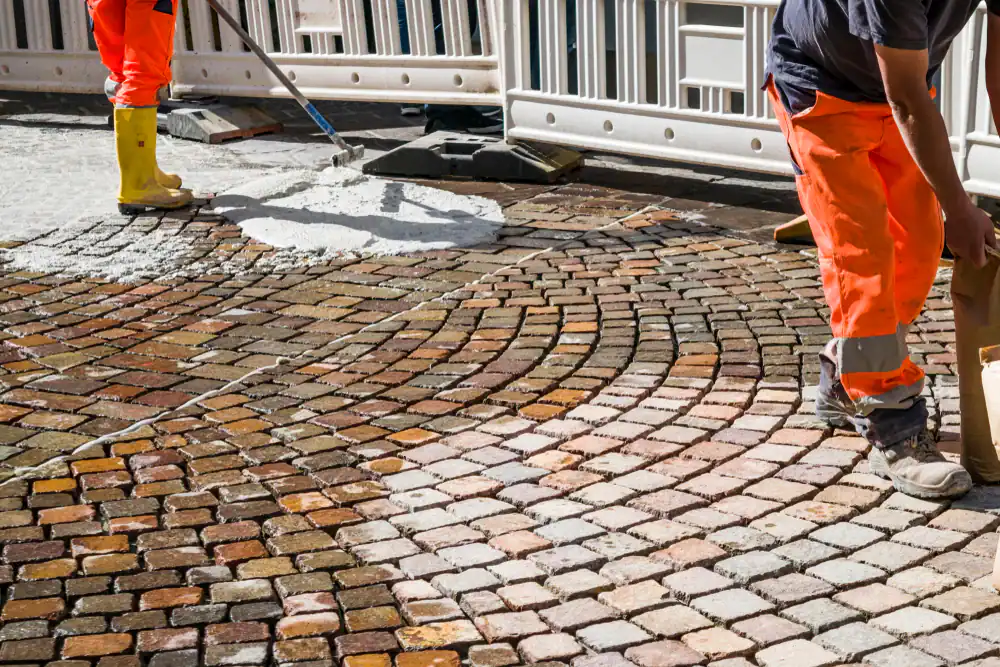
First, we remove the old surface completely. Not just the top layer—everything that’s compromised. If the base is unstable, nothing you put on top will last.
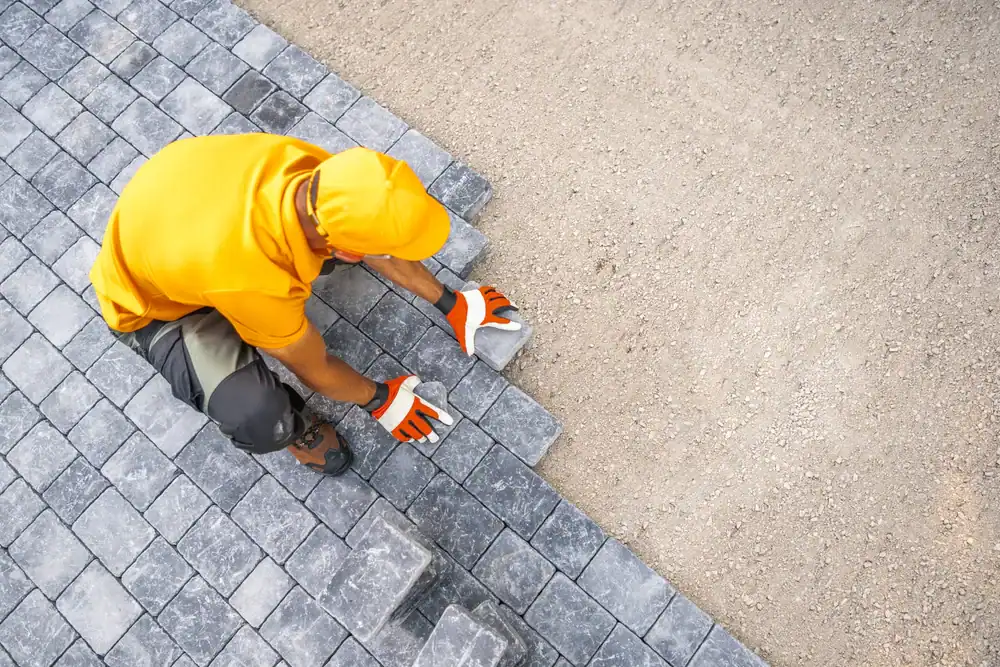
Next comes grading and base preparation. This is where drainage gets designed properly so water moves away from your foundation and doesn’t pool on the pavement. We compact the base with commercial equipment, not a rented plate tamper.
Then we install the new surface—asphalt or concrete, depending on what makes sense for your property and budget. Asphalt goes down hot and gets compacted immediately. Concrete gets poured, finished, and cured properly before you drive on it.
The timeline depends on the size of the job, but most residential driveways take two to three days from start to finish. Commercial projects take longer. Either way, you’ll know the schedule before we start, and we’ll keep you updated if weather or site conditions change anything.
Ready to get started?
You get complete site prep—excavation, grading, and base installation with proper compaction. We handle permits and utility marking so you don’t have to track down who needs to approve what.
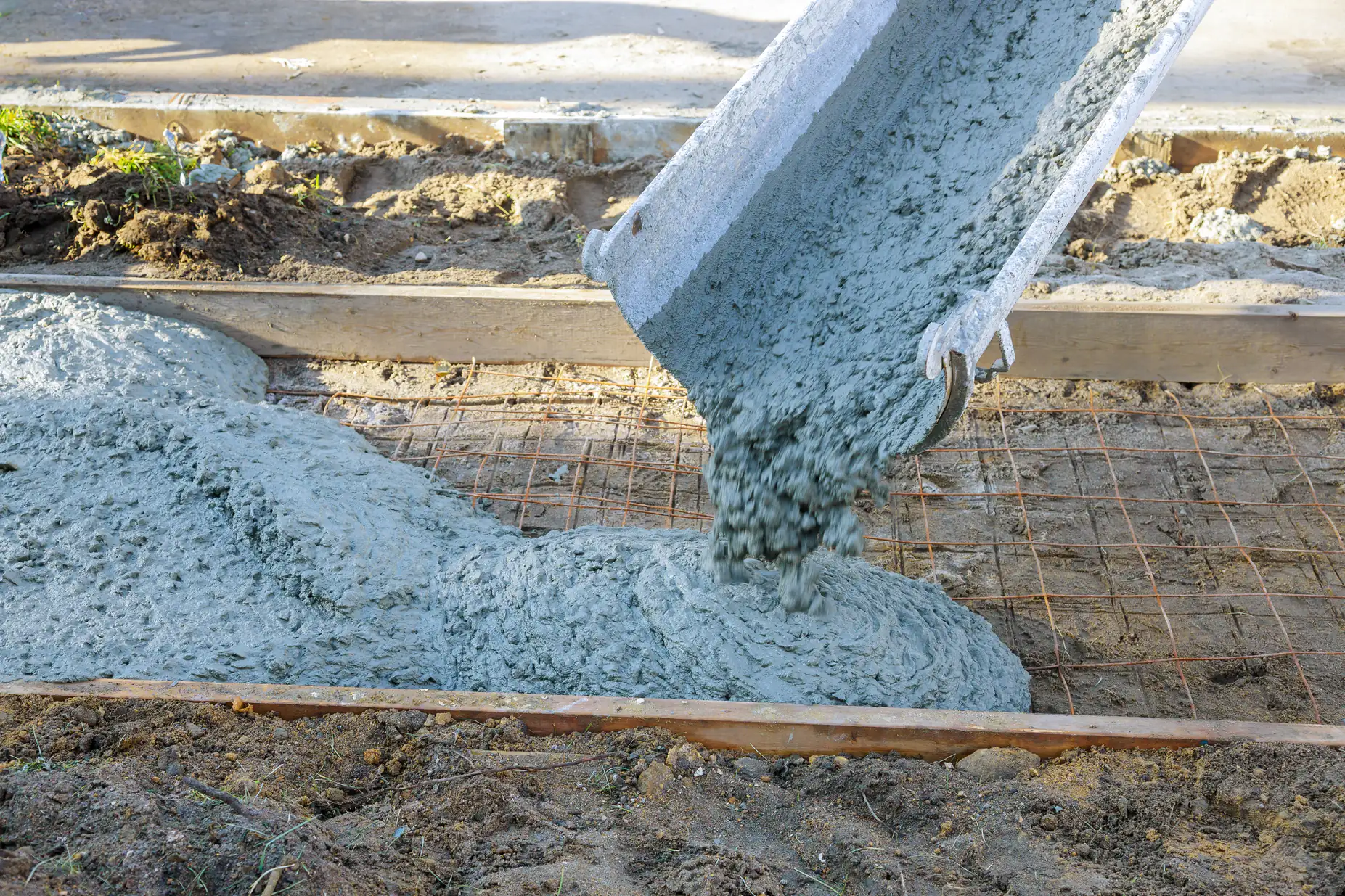
The paving itself uses high-grade hot mix asphalt applied at the right temperature, or Portland cement concrete with rebar reinforcement if that’s the better choice for your project. We’re not locked into one material because we sell it—we recommend what actually works.
Succasunna’s freeze-thaw cycles are some of the harshest in Morris County. That’s why base prep and drainage matter more here than in other parts of New Jersey. Water that doesn’t drain properly will freeze, expand, and crack your pavement within two winters.
We also offer decorative stamped concrete for patios and walkways, plus sealcoating and maintenance services to extend the life of asphalt surfaces. Most asphalt driveways last 15 to 20 years with proper maintenance. Concrete lasts longer but costs more upfront. We’ll walk through both options so you can decide what makes sense.
Asphalt driveways typically run $5 to $8 per square foot installed. Concrete costs more—usually $7 to $13 per square foot. Those numbers include removal of the old surface, proper base prep, and installation.
A standard two-car driveway in Succasunna is around 600 to 800 square feet. That puts asphalt in the $3,000 to $6,400 range and concrete between $4,200 and $10,400. Larger driveways or complicated layouts cost more.
The real cost comparison happens over 20 years when you factor in maintenance. Asphalt needs sealcoating every few years and occasional patching. Concrete requires less maintenance but costs significantly more upfront. When you add it all up, the total investment evens out more than most people expect. We’ll give you a transparent quote that breaks down exactly what you’re paying for so you can make the call that fits your budget and timeline.
Asphalt handles freeze-thaw cycles better than concrete. It’s flexible, so it expands and contracts with temperature swings without cracking as easily. The dark surface also absorbs heat, which melts snow and ice faster than concrete.
Concrete lasts longer—30 years or more compared to asphalt’s 15 to 20 years. It also offers more design options if you want decorative finishes or stamped patterns. But it costs more upfront and can crack when water seeps into joints and freezes.
For most Succasunna homeowners, asphalt makes more sense. The climate here is tough on pavement, and asphalt’s flexibility gives it an edge. If you’re planning to stay in the house long-term and want something that requires less maintenance over decades, concrete might be worth the extra cost. We install both, so we’ll walk through what works best for your property and budget without pushing you toward the more expensive option.
Most residential driveways take two to three days from start to finish. Day one is demolition and base prep. Day two is grading, compaction, and installation. Day three is cleanup and any final touches.
Weather affects the timeline. Asphalt can’t be installed in freezing temperatures or during heavy rain. Concrete needs dry conditions and moderate temps to cure properly. If the forecast changes, we’ll adjust the schedule and let you know immediately.
You can’t drive on new asphalt for 24 to 48 hours after installation. Concrete takes longer—usually seven days before it’s safe for vehicle traffic. We’ll give you a clear timeline before we start so you can plan around it. If you need access during the project, we’ll work with you to phase the job so part of your driveway stays usable.
Cracks happen for three reasons: poor base prep, improper drainage, or shortcuts during installation. We don’t cut corners on any of those, which is why our work holds up.
If you see cracks forming within the first year, that’s usually a sign something wasn’t done right. We stand behind our work, so if there’s an installation issue, we’ll come back and fix it. That’s part of being licensed, insured, and actually accountable.
Normal wear over time is different. Asphalt will eventually develop small cracks after years of freeze-thaw cycles—that’s just the reality of North Jersey weather. Sealcoating every few years and filling cracks early extends the lifespan significantly. Concrete can crack too, especially if water gets into the joints and freezes. Proper installation minimizes that risk, but no pavement lasts forever without maintenance. We’ll walk you through what to expect and what kind of upkeep makes sense for your driveway.
Most residential driveway projects in Succasunna don’t require a permit if you’re repaving within the existing footprint. If you’re expanding the driveway, changing the grade, or affecting drainage patterns, you’ll likely need approval from the township.
We handle permit applications and coordinate with local building departments so you don’t have to figure out who to call or what forms to file. We also arrange utility marking before we dig, which is required by law in New Jersey.
Skipping permits when they’re required creates problems down the road—especially if you sell the house and the buyer’s inspector flags unpermitted work. We make sure everything is done by the book so you don’t deal with headaches later. If your project needs a permit, we’ll tell you upfront and build that timeline into the schedule.
Ask for proof. Licensed contractors in New Jersey should have a Home Improvement Contractor registration number issued by the state. You can verify it online through the New Jersey Division of Consumer Affairs.
Insurance matters just as much. General liability covers property damage during the project. Workers’ comp protects you if someone gets injured on your property. Any legitimate paving company will provide certificates of insurance without hesitation.
New regulations that took effect in January 2025 require contractors to carry bonds as well, which adds another layer of protection if the job isn’t completed or isn’t done correctly. If a contractor hesitates when you ask for documentation, that’s a red flag. We’re licensed, insured, BBB accredited, and happy to provide proof of all of it before you sign anything.