
Hear from Our Customers

Your driveway or parking lot shouldn’t need explaining. It shouldn’t have puddles that never drain, cracks that spread every winter, or uneven sections that make customers wonder what else you’re cutting corners on.
Proper paving means water flows away from your foundation, not toward it. It means a surface that holds up through twenty New Jersey winters without turning into a repair project. And it means your property looks like someone who takes quality seriously owns it.
That’s what happens when the base is compacted right, the grade accounts for Essex Fells’ drainage patterns, and the materials are chosen for this climate. Not the cheapest option. The one that works.
We’ve spent over 20 years working in Essex Fells and the surrounding areas. We know what mature oak roots do to asphalt. We know how Essex County soil shifts. We know the difference between a driveway that lasts five years and one that lasts twenty.
You’ll find our work throughout Morris, Sussex, and Somerset County. We’re licensed by the NJ Division of Consumer Affairs, fully insured, and we don’t disappear after the job’s done.
Essex Fells homeowners and business owners choose us because we show up when we say we will, price jobs transparently, and install pavement that doesn’t become your problem two winters later.

First, we assess your property’s drainage, soil stability, and existing pavement condition. This isn’t a quick glance from the driveway. We’re looking at how water moves, where the ground settles, and what’s causing current problems.
Then we create a plan specific to your property. That includes proper base preparation, grading that directs water away from structures, and material selection based on your traffic patterns and budget. For asphalt, we use high-grade hot mix applied at the right temperature. For concrete, Portland cement with rebar reinforcement.
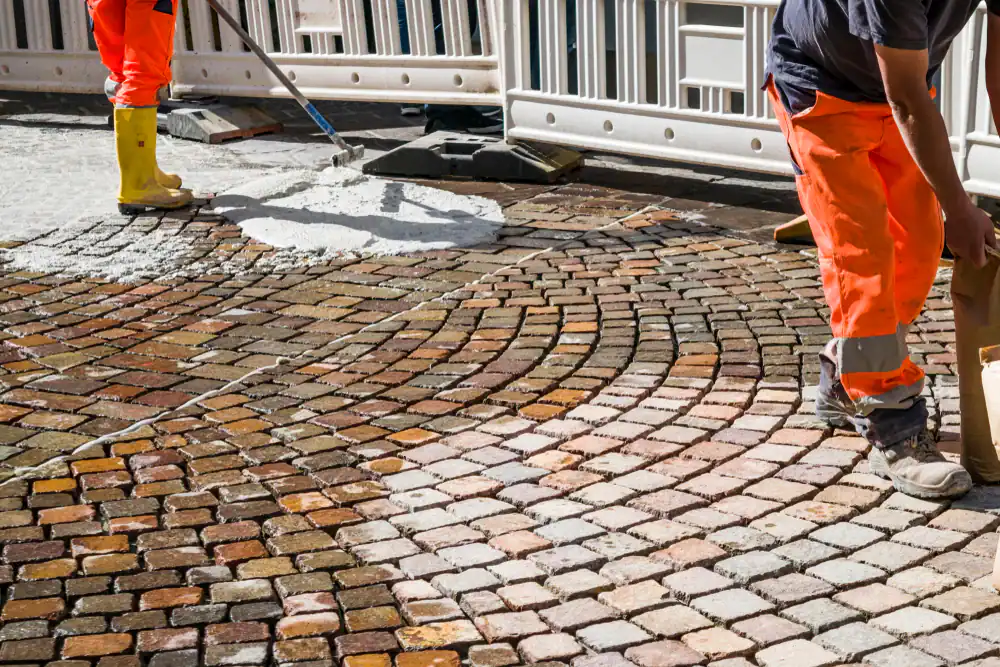
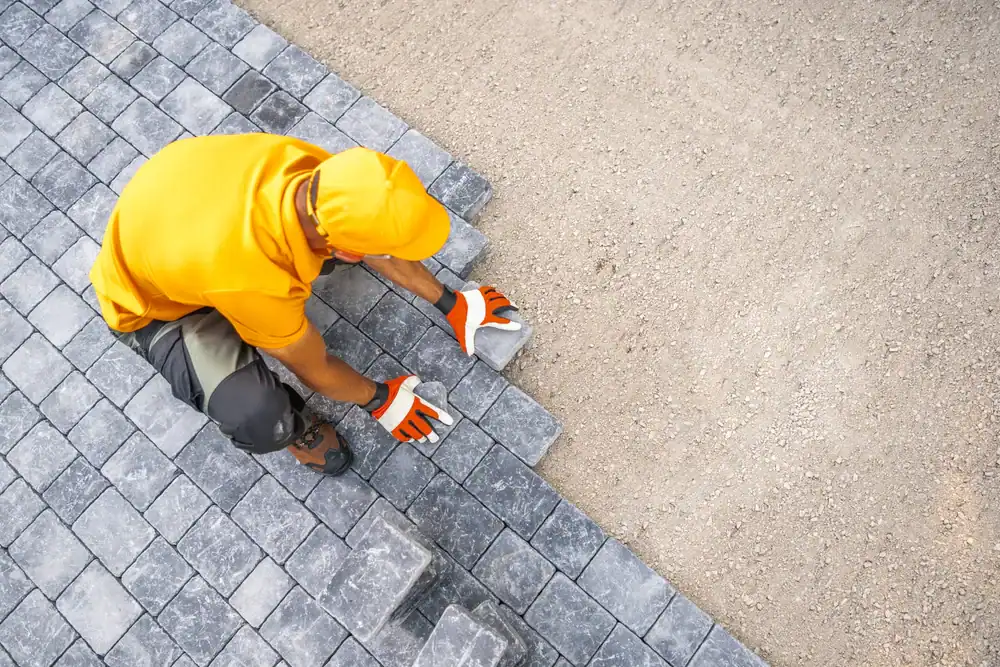
Installation starts with excavation and base prep. This is where most cheap jobs fail. We compact the aggregate base in layers, install drainage solutions where needed, and ensure the grade is correct before any asphalt or concrete goes down.
Most residential driveways take two to three days. Commercial parking lots run three to five days depending on size. We coordinate timing to minimize disruption, and for businesses, we can work off-hours when it makes sense.
Ready to get started?
You’re getting a site-specific plan that accounts for Essex Fells’ conditions. That means evaluating your property’s natural drainage patterns, soil type, and existing issues before we touch anything.
Base preparation is non-negotiable. We excavate to proper depth, install compacted aggregate base, and grade for water management. Poor base work is why driveways fail early. We don’t skip it.
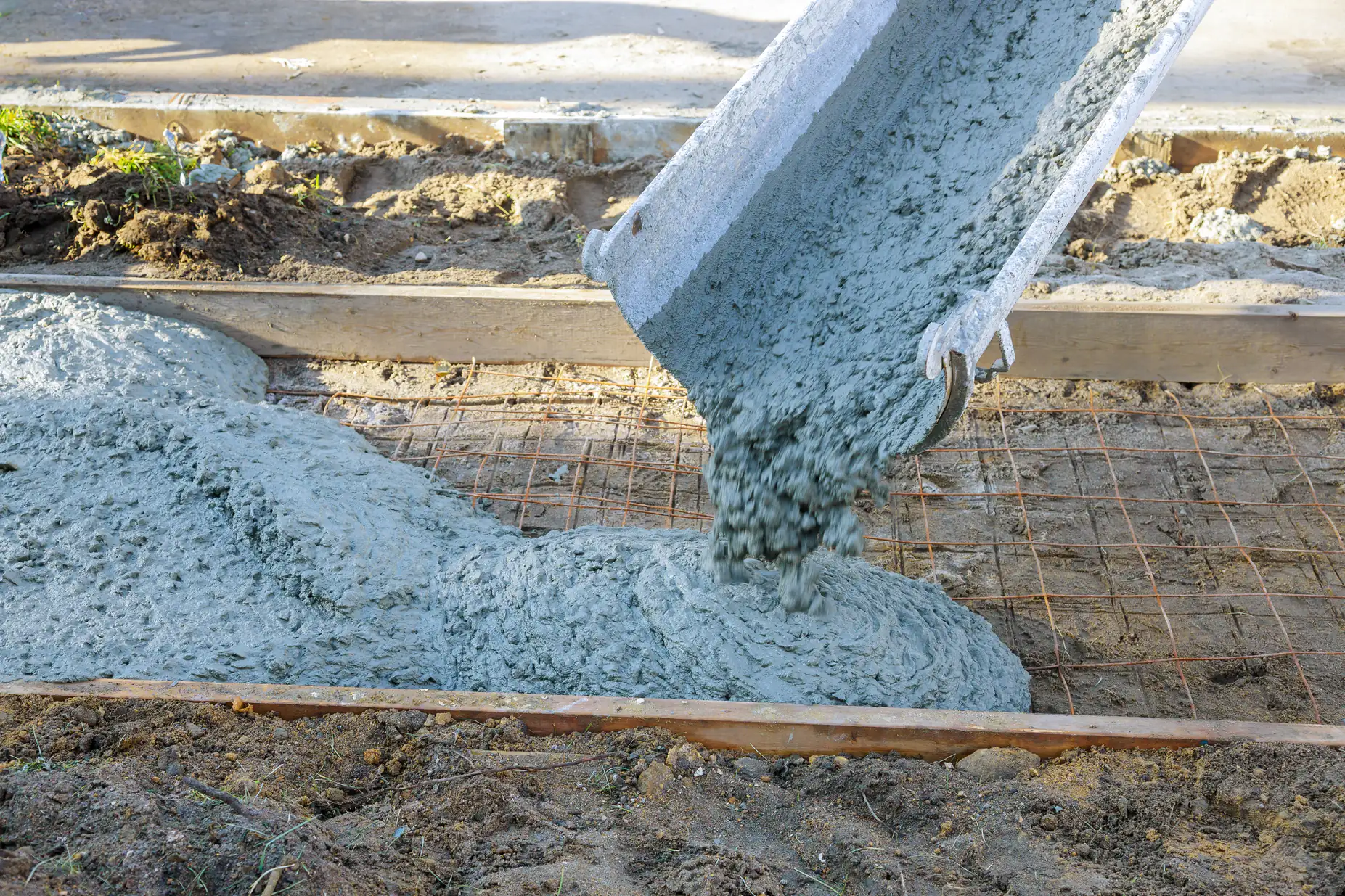
For asphalt paving, we use hot mix asphalt applied at proper temperature with correct compaction. For concrete work, you’re getting Portland cement mixes with rebar reinforcement, and we offer decorative stamped patterns if you want something beyond standard finish.
Drainage solutions are built in. Essex County gets heavy rainfall, and freeze-thaw cycles destroy pavement when water can’t escape. We install systems that direct water away from your pavement and foundation, not just hope it works out.
You’ll get clear upfront pricing with no surprise charges, a timeline we actually stick to, and a finished surface built to handle decades of New Jersey weather. That’s the difference between a paving company near me and a paving contractor who knows what they’re doing.
Properly installed asphalt lasts 15 to 20 years in Essex County when maintained correctly. That means sealcoating every few years and addressing small cracks before they spread.
The lifespan depends entirely on installation quality. If the base isn’t compacted right or drainage isn’t addressed, you’ll see failure in five years or less. Water is the enemy. When it gets under the pavement and freezes, it destroys everything.
Essex Fells has mature trees, heavy rainfall, and freeze-thaw cycles that test pavement. Your contractor needs to account for local soil conditions and drainage patterns, not just lay asphalt and hope. We’ve seen too many driveways installed by companies that don’t understand Morris County conditions, and those homeowners end up repaving within a decade.
Asphalt typically runs $3 to $8 per square foot in Essex Fells. Concrete costs $5 to $12 per square foot. Asphalt is usually 25% to 50% less expensive than concrete for the same area.
But cost isn’t the only factor. Asphalt handles freeze-thaw cycles better and is easier to repair. Concrete lasts longer without maintenance and offers decorative options like stamped patterns. Both need proper installation to hit their expected lifespan.
For a standard two-car driveway (about 600 square feet), you’re looking at $1,800 to $4,800 for asphalt or $3,000 to $7,200 for concrete. Site conditions affect pricing. If we need extensive excavation, drainage work, or base repair, costs go up. That’s why we assess your property before quoting, not after.
Check for a New Jersey Home Improvement Contractor license through the Division of Consumer Affairs. Legitimate contractors carry liability insurance and workers’ compensation coverage, and they’ll show you proof without hesitation.
Ask for references from recent local projects. Drive by those properties and see the work yourself. Good contractors have nothing to hide and plenty of examples within a few miles.
Get a detailed written estimate that breaks down materials, labor, timeline, and payment schedule. If someone shows up, walks your driveway for two minutes, and gives you a price on the spot, that’s a red flag. Proper estimates require measuring, assessing drainage and soil conditions, and understanding what your property actually needs. We’ve cleaned up too many jobs from contractors who gave lowball quotes, did substandard work, and disappeared when problems showed up.
Late spring through early fall is ideal for paving in Essex County. We need consistent temperatures above 50 degrees for asphalt to cure properly, and we need dry conditions for base preparation.
Most paving happens between May and October. Summer is peak season because weather is predictable and materials perform best in warm temperatures. But early fall works well too, as long as we’re done before temperatures drop consistently.
Winter paving is possible for emergency repairs, but it’s not ideal for new installations. Cold temperatures affect how asphalt compacts and cures. If you’re planning a driveway or parking lot project, schedule it for late spring or summer. You’ll get better results, and we have more flexibility with timing.
Poor drainage is the number one cause of premature pavement failure. Water gets under the asphalt, freezes, expands, and destroys the base. Once the base fails, the surface cracks and settles.
Inadequate base preparation is the second biggest issue. If the aggregate base isn’t compacted properly or isn’t thick enough for your soil conditions, the pavement will settle unevenly. That creates low spots where water pools, which accelerates deterioration.
Tree roots, heavy vehicles on residential-grade pavement, and skipping maintenance also shorten lifespan. But most early failures come down to installation shortcuts. A contractor who doesn’t grade for drainage, doesn’t compact the base in layers, or uses substandard materials will give you a driveway that looks fine for a year or two, then falls apart. That’s why choosing a paving contractor based on price alone usually costs more in the long run.
Most residential driveway repaving doesn’t require a permit in Essex Fells if you’re staying within your existing footprint. But if you’re expanding your driveway, changing drainage patterns, or working near the street, you likely need approval from the borough.
Commercial paving projects almost always require permits, especially for parking lots or areas that affect stormwater management. Essex Fells has specific requirements for drainage and runoff that need to be addressed in your paving plan.
We handle permit coordination as part of our service when needed. It’s easier to get it right from the start than deal with violations or required removal later. If you’re unsure whether your project needs approval, we’ll check with the borough before starting work. That’s part of doing the job correctly.