
Hear from Our Customers

You’re not just getting a smooth surface. You’re getting a driveway that doesn’t crack apart after one winter. A parking lot where water drains away from your building instead of pooling near the foundation. Pavement that holds up for 15 to 20 years because the base was done right the first time.
Most paving problems don’t start at the surface. They start six inches down where you can’t see them. Poor drainage. Inadequate compaction. Base material that shifts when the ground freezes. That’s where corners get cut, and that’s where your money disappears.
When the work is done correctly, you’re looking at fewer repairs, no surprise potholes in spring, and a surface that actually protects your property value instead of dragging it down. That’s what happens when a paving contractor knows Morris County soil conditions and doesn’t skip steps to save an hour.
We’ve been handling residential and commercial paving across Morris, Sussex, and Somerset Counties for over 20 years. We’re not a crew that shows up from out of state. We know what White Meadow Lake properties deal with—the soil, the drainage challenges, the freeze-thaw cycles that hit North Jersey 40% harder than the rest of the state.
That local knowledge matters when you’re choosing materials, planning drainage, and timing installation. We use high-grade hot mix asphalt applied at the right temperature, Portland cement mixes with rebar reinforcement for concrete work, and we offer decorative stamped patterns if that’s your thing.
You’ll get a clear estimate with no surprise charges, a 24 to 48-hour callback guarantee when you request a quote online, and a crew that shows up when we say we will. We’re BBB accredited, fully licensed and insured, and we’ve built our reputation on doing the boring stuff right—like proper base prep and compaction—so you don’t have problems later.

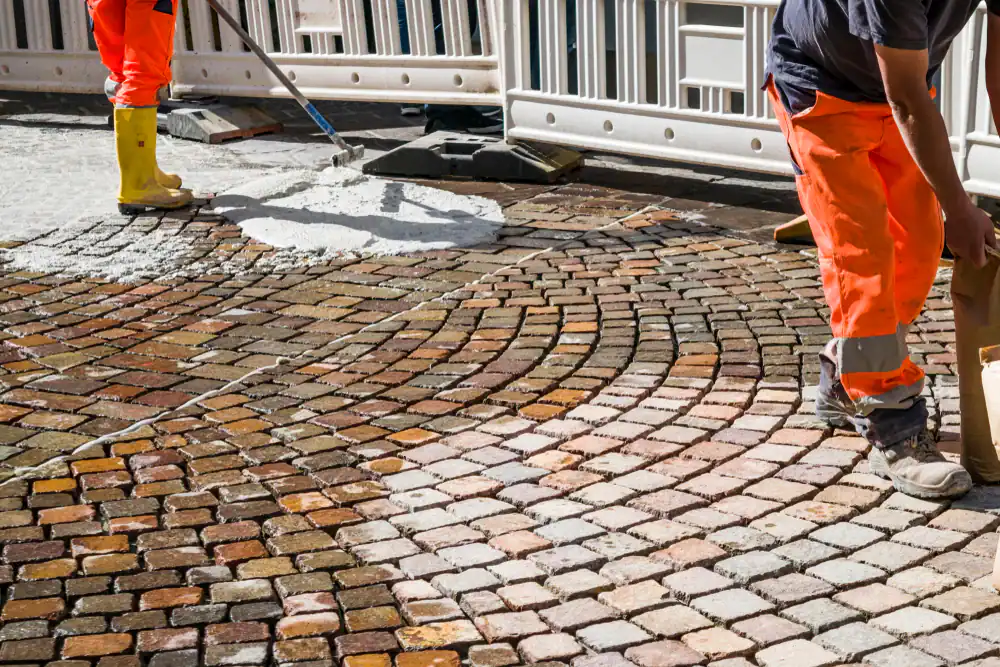
First, we assess your site. That means looking at drainage patterns, checking soil conditions, and measuring the area. If there’s an old surface, we remove it completely—no paving over problems.
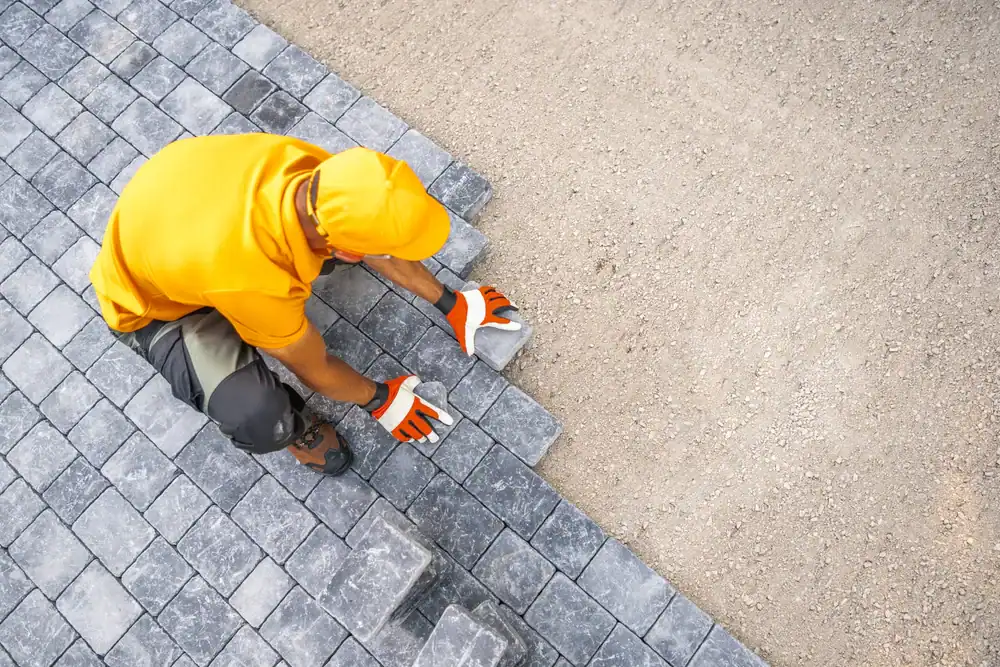
Next comes excavation and base prep. We dig to the proper depth based on your soil type and what the surface will handle. For a residential driveway, that’s typically 8 to 12 inches. Commercial parking lots go deeper. We install a compacted aggregate base that won’t shift or settle, and we grade everything so water flows away from buildings and foundations.
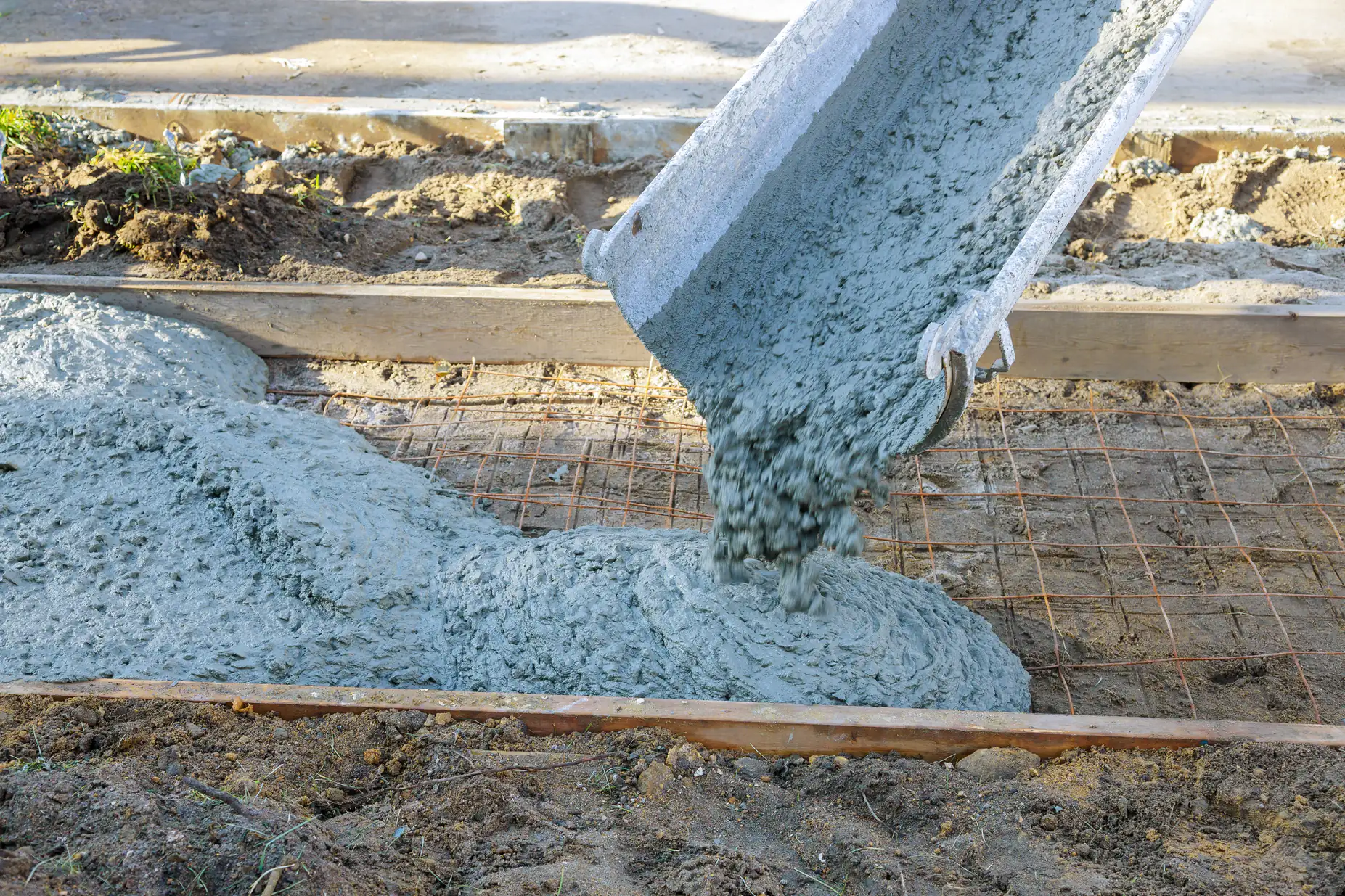
Then we bring in the asphalt or concrete. For asphalt, we use professional-grade equipment to lay hot mix at the correct temperature, then compact it in multiple passes to eliminate air pockets. For concrete, we pour Portland cement mixes with rebar reinforcement, finish the surface, and let it cure properly—no shortcuts.
Finally, we walk the site with you, clean up completely, and make sure you understand how to maintain what we just installed. You’re left with a surface that looks clean and performs reliably, not one that starts failing in six months.
Ready to get started?
You’re getting complete site preparation—excavation, grading, and a properly compacted base that won’t settle. We handle drainage planning so water doesn’t pool on your pavement or near your foundation. That’s critical in White Meadow Lake, where North Jersey gets more annual precipitation and heavier snowfall than central or southern parts of the state.
For asphalt work, we use high-grade hot mix asphalt designed for temperature extremes. New Jersey winters can drop below freezing for weeks, and summers hit 90-plus degrees. The asphalt mix has to handle both without cracking or softening. We apply it at the proper temperature and compact it with professional equipment—not the light stuff that leaves soft spots.
For concrete, you’re getting Portland cement mixes with rebar reinforcement. If you want decorative stamped patterns for walkways or patios, we do that too. Every concrete pour is finished correctly and given adequate curing time.
We also offer sealcoating and repair services. Sealcoating extends asphalt life by protecting it from UV damage, water penetration, and chemical spills. Repairs address cracks and potholes before they turn into expensive replacements. Fall is the best time to handle this in Morris County—before freeze-thaw cycles start doing damage you’ll see in spring.
A properly installed asphalt driveway or parking lot in White Meadow Lake typically lasts 15 to 20 years with basic maintenance. That lifespan depends heavily on three things: base preparation, drainage, and how well you maintain the surface.
North Jersey’s freeze-thaw cycles are the biggest threat to asphalt longevity. When water seeps into small cracks and freezes, it expands with up to 30,000 psi of pressure. That turns hairline cracks into potholes overnight. Properties in Morris County experience about 40% more freeze-thaw cycles than homes in Central or South Jersey, which means your pavement takes more abuse.
Regular sealcoating every two to three years adds a protective layer that keeps water out and extends your asphalt’s life. Addressing small cracks early—before they become structural problems—also makes a huge difference. If the base was installed correctly and drainage was planned properly, you’re looking at decades of reliable performance. If those steps were skipped, you might see problems within five years.
The difference is in the base preparation and materials, not the top layer you can see. A cheap paving job looks fine for the first year. Then it starts cracking, settling, or developing drainage issues because the base wasn’t done right.
Professional paving starts with proper excavation to the correct depth based on soil conditions and load requirements. We compact a solid aggregate base in layers, not all at once. We grade for drainage so water flows away from your property. We use high-grade asphalt applied at the proper temperature, and we compact it with commercial equipment that eliminates air pockets and soft spots.
Cheap paving skips steps. Contractors might pave over old surfaces, use inadequate base material, skip proper compaction, or apply asphalt that’s too cool to bond correctly. Those shortcuts save them time and money upfront, but they cost you thousands in repairs within a few years. You can’t see the base after it’s paved, which is exactly why some contractors cut corners there. Professional work costs more initially because it takes longer and uses better materials, but it lasts three times as long.
Asphalt cracks in winter because water gets into small surface cracks, freezes, expands, and breaks the pavement apart. Morris County’s climate makes this worse because we get more freeze-thaw cycles than most of New Jersey—temperatures swing above and below freezing repeatedly throughout winter.
If your asphalt is cracking every single winter, the real problem is usually poor drainage or an inadequate base. Water that can’t drain away from the surface finds its way into tiny cracks. When it freezes, it expands with enough force to widen those cracks into serious structural damage. By spring, you’re looking at potholes that weren’t there in the fall.
Proper installation prevents most of this. A well-compacted base doesn’t shift when the ground freezes. Correct grading moves water off the pavement before it can seep in. Sealcoating adds a protective barrier that keeps water out of small cracks before they become big problems. If your driveway or parking lot is cracking every year, it’s a sign that one or more of those steps was skipped during installation. Fixing it usually means addressing the base and drainage issues, not just patching the surface.
Driveway paving costs in White Meadow Lake typically range from $3 to $7 per square foot for asphalt, depending on site conditions, access, and the amount of prep work required. A standard two-car driveway runs between $3,000 and $8,000. Concrete costs more—usually $6 to $12 per square foot—but lasts longer and requires less maintenance.
The variables that affect price include how much excavation is needed, whether there’s an old surface to remove, soil conditions, drainage challenges, and how accessible your property is for equipment. If your driveway has steep grades, poor drainage, or requires significant base work, expect costs on the higher end. Properties with easy access and good existing drainage cost less.
Be cautious of quotes that seem unusually low. A price that’s 30% to 40% below other estimates usually means corners are being cut—thinner asphalt, inadequate base material, poor compaction, or skipped drainage work. Those shortcuts might save you money now, but they’ll cost you more in repairs within a few years. A clear written estimate that breaks down materials, labor, and prep work is a good sign you’re dealing with a contractor who does the job correctly.
Asphalt paving works best when air temperatures are consistently above 50 degrees Fahrenheit, which in Morris County usually means late spring through mid-fall. Cold weather paving is possible in some situations, but it’s not ideal and comes with risks.
Asphalt needs to be applied hot—typically between 275 and 300 degrees—and it needs to stay warm enough during compaction to bond properly. When air temperatures drop below 50 degrees, the asphalt cools too quickly. That leads to poor compaction, weak bonding, and a surface that’s more likely to crack or fail prematurely. Ground temperature matters too. If the soil is cold or frozen, it pulls heat out of the asphalt even faster.
Fall is actually the best time to pave in White Meadow Lake. Temperatures are moderate, humidity is lower, and you’re getting your pavement ready before winter freeze-thaw cycles start. Spring is the second-best option, once the ground has thawed and temperatures are stable. Summer works, but extreme heat can make asphalt too soft during curing. Winter paving is a last resort and usually only happens for emergency repairs—not new installations. If a contractor is pushing you to pave in January, that’s a red flag.
Permit requirements for driveway paving in White Meadow Lake depend on the scope of work and whether you’re changing the driveway’s footprint or drainage patterns. Repaving an existing driveway in the same location usually doesn’t require a permit, but expanding the driveway, adding new pavement, or altering drainage often does.
Morris County and local municipalities have specific rules about impervious surfaces, stormwater management, and setbacks from property lines. If your project increases the amount of impervious surface on your property beyond a certain threshold, you may need to submit a stormwater management plan. That’s especially common for larger properties or commercial projects.
The safest approach is to check with Rockaway Township or your local building department before starting work. A reputable paving contractor will know local requirements and can often handle permit applications as part of the project. If a contractor tells you no permits are ever needed or brushes off the question, that’s a warning sign. Unpermitted work can create problems when you sell your property or file an insurance claim, and you may be required to remove or redo the work to bring it into compliance.