
Hear from Our Customers

You’re tired of looking at cracked asphalt. Tired of water pooling in the same spot every time it rains. Tired of wondering if a customer’s going to trip in your parking lot.
Good pavement fixes all of that. It drains properly because the grading was done right from the start. It stays smooth because the base was compacted correctly and the asphalt was applied at the right temperature. It looks professional because someone actually cared about the finished product.
When your pavement works the way it should, you stop thinking about it. No more liability concerns. No more explaining away the cracks. Just a clean, functional surface that does its job and makes your property look like someone’s actually taking care of it.
We work across Morris County, and we’ve seen what happens when pavement isn’t done right. We’ve repaired plenty of driveways that failed after two winters because someone skipped the base work or used cold asphalt.
We’re a local, family-owned paving company. We’re licensed and insured. We use high-grade hot mix asphalt applied at proper temperature, and we don’t cut corners on site prep. Parsippany has over 825 corporate headquarters, and we’ve handled commercial asphalt projects for businesses that can’t afford downtime or sloppy work.
You’re not hiring a national chain. You’re hiring a crew that knows Morris County weather, understands local drainage issues, and shows up when we say we will.

First, we assess your site. That means looking at drainage, checking the existing base, and figuring out what grade of asphalt mix makes sense for your specific situation. Not every job needs the same approach.
Next comes site preparation. We excavate the old pavement if needed, then grade and compact a solid aggregate base. This step matters more than most people realize—if the base isn’t right, your new asphalt won’t last. We slope everything properly so water drains away from your foundation or building.
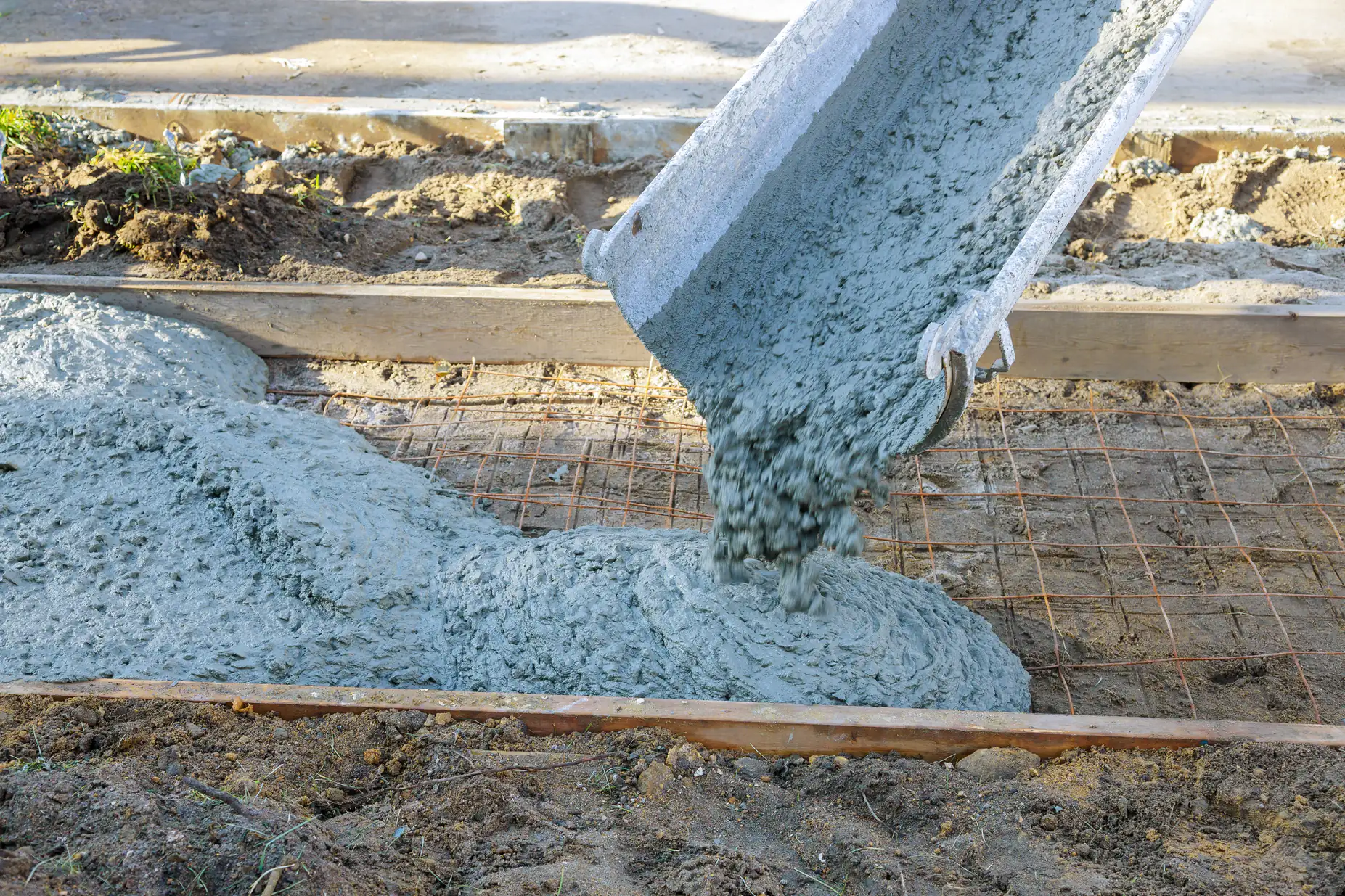
Then we apply hot mix asphalt at the correct temperature and compact it into a dense, resilient surface. For concrete work, we use Portland cement mixes with rebar reinforcement where it’s needed. Most residential driveways get completed in one to two days. Commercial projects depend on size, but we work efficiently and keep disruption minimal.
After installation, we clean up completely. No leftover debris, no mess in your landscaping. Just finished pavement that’s ready to use.
Ready to get started?
You get proper site preparation—not the shortcut version. That includes grading for drainage, compacting a robust aggregate base, and making sure water flows away from structures. In Parsippany and across Morris County, winter freeze-thaw cycles destroy pavement that wasn’t built with a solid foundation.
You get materials that match the job. We use high-grade hot mix asphalt that’s applied at the right temperature and compacted for density. For concrete, we use strong Portland cement mixes, often with rebar for added strength. If you want decorative stamped concrete or paver patios, we handle that too.
You get a crew that understands Morris County conditions. Temperature swings, heavy snow, summer heat—your pavement needs to handle all of it. We select asphalt mixes and application methods that hold up to local weather patterns, not generic solutions that fail after a few seasons.
And you get transparent pricing with no surprise charges. We give you a clear estimate upfront, stick to our schedule, and finish the job without dragging it out or adding costs you didn’t agree to.
Properly installed asphalt pavement lasts 15 to 20 years in Morris County if you maintain it. That means sealcoating every few years and addressing cracks before they spread.
The key word is “properly installed.” If the base wasn’t compacted right, or the asphalt was applied when it was too cold, or drainage wasn’t addressed, you’ll see problems within the first few winters. New Jersey weather is tough on pavement—freeze-thaw cycles, snow plows, temperature swings from 10 degrees in January to 95 in July.
Asphalt that’s built with a solid aggregate base, proper grading for drainage, and high-grade hot mix applied at the correct temperature will hold up. Asphalt that was rushed or done cheap won’t make it past year five without significant cracking and deterioration.
Asphalt costs 25% to 50% less than concrete and handles New Jersey winters better because it flexes with temperature changes instead of cracking. Concrete is more rigid, which means freeze-thaw cycles cause more damage over time.
Asphalt can be installed faster—most residential driveways are done in one to two days. Concrete takes longer to cure, and you can’t drive on it for about a week. If you need a quick turnaround, asphalt makes more sense.
Concrete does offer more design options if you want decorative stamped patterns or specific colors. And some people prefer the look. But for durability in Morris County’s climate and cost-effectiveness, asphalt is the smarter choice for most driveways and parking lots. It’s easier to repair, too—patching asphalt is straightforward, while fixing concrete often means replacing entire sections.
Driveway paving costs depend on size, site conditions, and whether we’re starting from scratch or resurfacing existing pavement. A typical residential driveway in Parsippany runs anywhere from a few thousand dollars to significantly more for larger or more complex projects.
The price includes excavation if needed, base preparation, grading for proper drainage, and asphalt installation. If your property has drainage issues or needs significant grading work, that adds to the cost. If we’re just resurfacing a driveway that has a solid base, it’s less expensive.
Asphalt prices do fluctuate with oil costs, and timing matters—prices typically increase at the start of each month during paving season. We give you a clear, upfront estimate with no hidden charges. If you want an accurate number for your specific property, the best approach is to have us come out and assess the site. We’ll measure, check drainage, look at the existing base if there is one, and give you a detailed quote that covers everything.
Asphalt paving in winter isn’t ideal because asphalt needs to be applied at specific temperatures to compact properly and create a durable surface. When it’s too cold, the asphalt cools too quickly and doesn’t bond correctly.
Most paving contractors in New Jersey work from spring through fall when temperatures are consistently above 50 degrees. That’s when you get the best results and the longest-lasting pavement.
If you have an emergency repair—like a pothole that’s creating a safety hazard—there are temporary patching solutions that can get you through winter until proper paving weather returns. But for new driveways or full resurfacing, waiting for warmer weather means you’ll get pavement that actually lasts. Rushing a paving job in freezing temperatures just means you’ll be calling someone back to fix it sooner than you should have to.
Yes, but not right away. New asphalt needs time to cure—usually six months to a year—before you apply sealcoating. Sealing too early traps oils in the asphalt that need to evaporate.
After that initial curing period, sealcoating every two to three years protects your driveway from water penetration, UV damage, and chemical spills like oil or gasoline. It’s the difference between pavement that lasts 20 years and pavement that starts falling apart after 10.
Sealcoating isn’t complicated, but it does need to be done right. The surface has to be clean and dry, and you need to use quality sealant—not the bargain-bin stuff from a big box store. If you see small cracks forming before it’s time to sealcoat, get them filled. Water getting into cracks is what causes bigger problems down the road, especially during freeze-thaw cycles in Morris County winters.
Look for contractors who are licensed and insured—that protects you if something goes wrong. Ask how long they’ve been working in Morris County and whether they handle both site preparation and paving, or if they subcontract parts of the job.
Good pavement contractors will assess your drainage before giving you a quote. If someone gives you a price without looking at how water flows across your property, that’s a red flag. Drainage issues are the number one cause of pavement failure.
Ask what type of asphalt mix they use and whether it’s applied hot. Ask about base preparation—how deep they excavate, what aggregate they use, how they compact it. Contractors who know what they’re doing will answer these questions clearly. Contractors who don’t will give you vague answers or get defensive. Also ask for references or examples of similar projects they’ve completed in the area. You want someone with a track record, not someone learning on your driveway.