
Hear from Our Customers

Most overlays fail within two years because the base wasn’t done right. Cracks reflect back through at about an inch per year, and you’re stuck paying for repairs again.
When the foundation is engineered correctly from the start, your pavement handles New Jersey’s clay soil shifts and temperature swings without breaking down. That means no emergency calls to blacktop contractors every spring, no water pooling near your foundation, and no embarrassing first impression when someone pulls up to your property.
You get a surface that looks clean, drains properly, and lasts 15 to 20 years with basic maintenance. The kind of pavement that doesn’t become a problem you think about every time it rains or freezes.
We’ve worked across northern New Jersey for over two decades. We know how the soil behaves in Six Mile Run, NJ, where water tends to collect, and what asphalt mix designs hold up against the climate here.
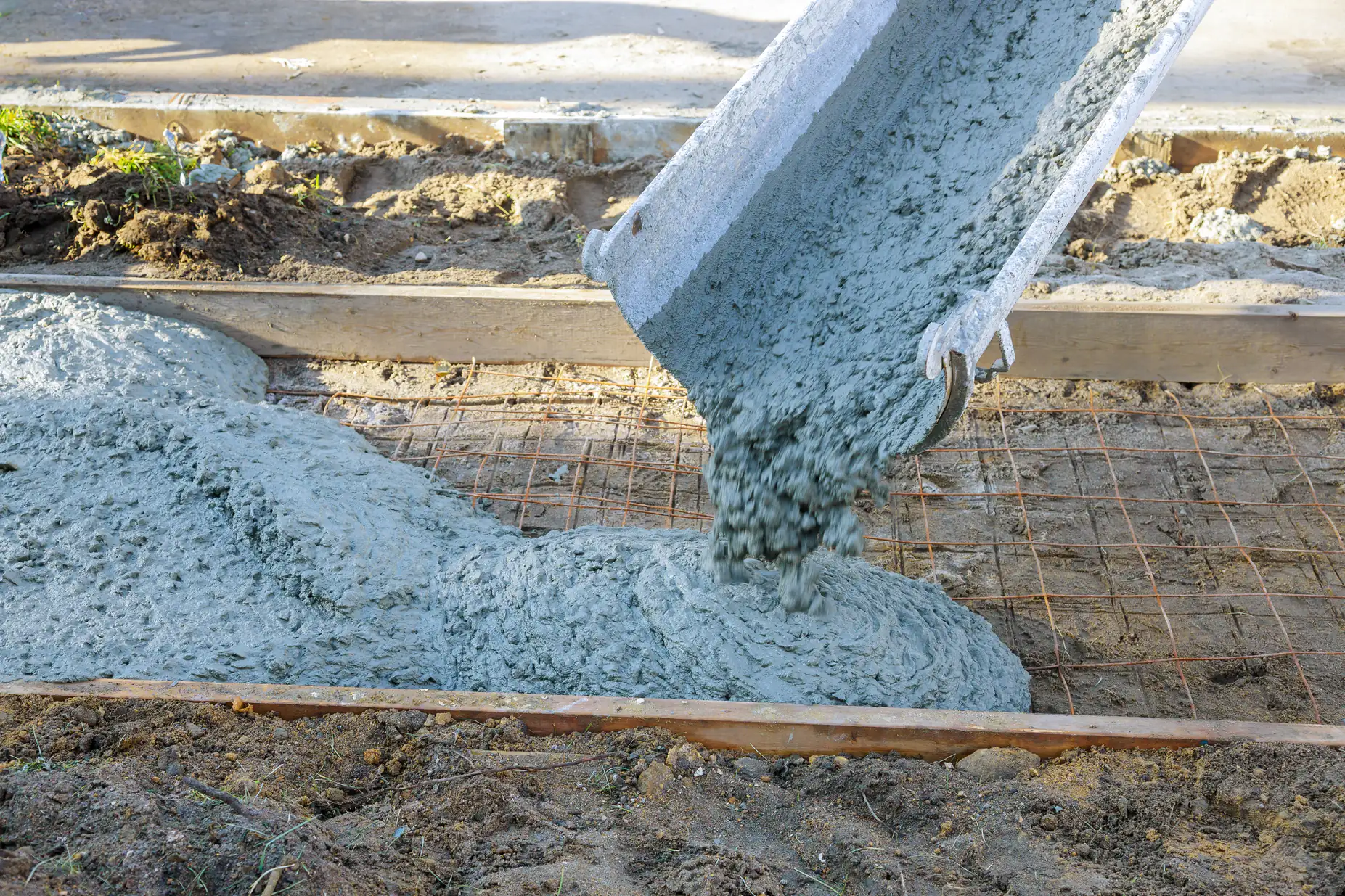
We’re not the cheapest paving contractors you’ll find. But when you’re looking at a 15-year investment, the difference between proper excavation and shortcuts shows up fast. We use high-grade hot mix asphalt applied at the right temperature, Portland cement mixes reinforced with rebar for concrete work, and commercial equipment that compacts everything to the density it needs.
You’ll get a callback within 24 to 48 hours after requesting a quote online. The price we give you upfront is what you pay—no surprise charges halfway through the job.

First, we assess your site. That means looking at drainage patterns, soil conditions, and how the existing pavement failed if you’re replacing something. Most problems start with water, so we identify where it’s going and make sure the new design moves it away from your foundation.
Next comes excavation and base prep. This is the step cheap asphalt companies skip or rush, and it’s why their work fails early. We dig down to stable soil, compact a robust aggregate base in layers, and grade everything so water flows off the surface instead of pooling.
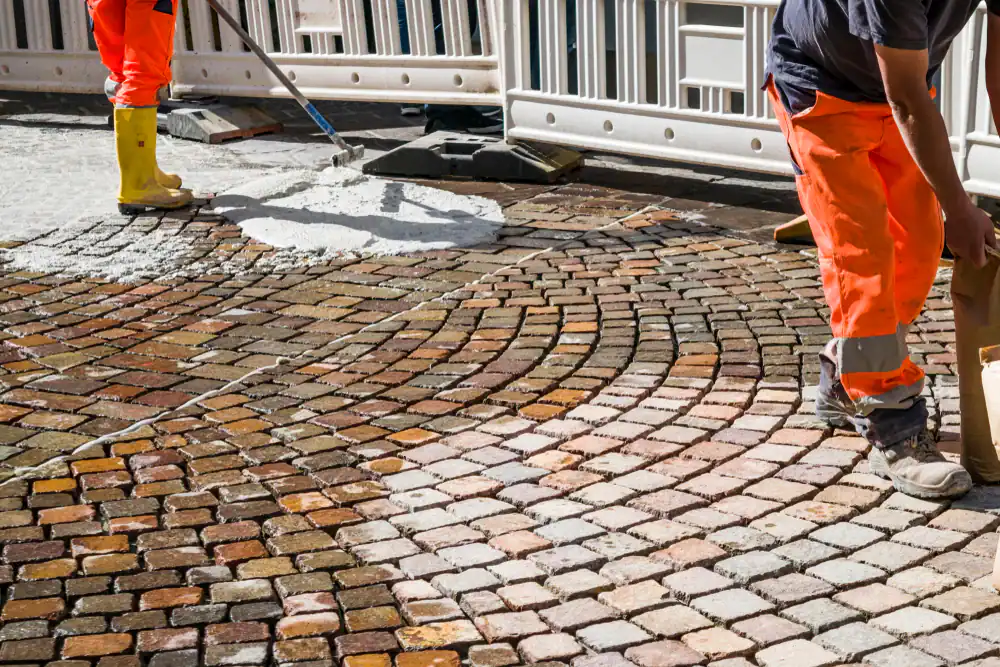
Then we pave. For asphalt, that’s hot mix applied at the proper temperature and compacted while it’s still workable. For concrete, it’s Portland cement with rebar reinforcement and your choice of finish—standard broom texture or decorative stamped patterns.
The job gets done on schedule. You’re not waiting around wondering when the crew will show up or how long your driveway will be torn apart. We keep you informed through each phase and finish when we said we would.
Ready to get started?
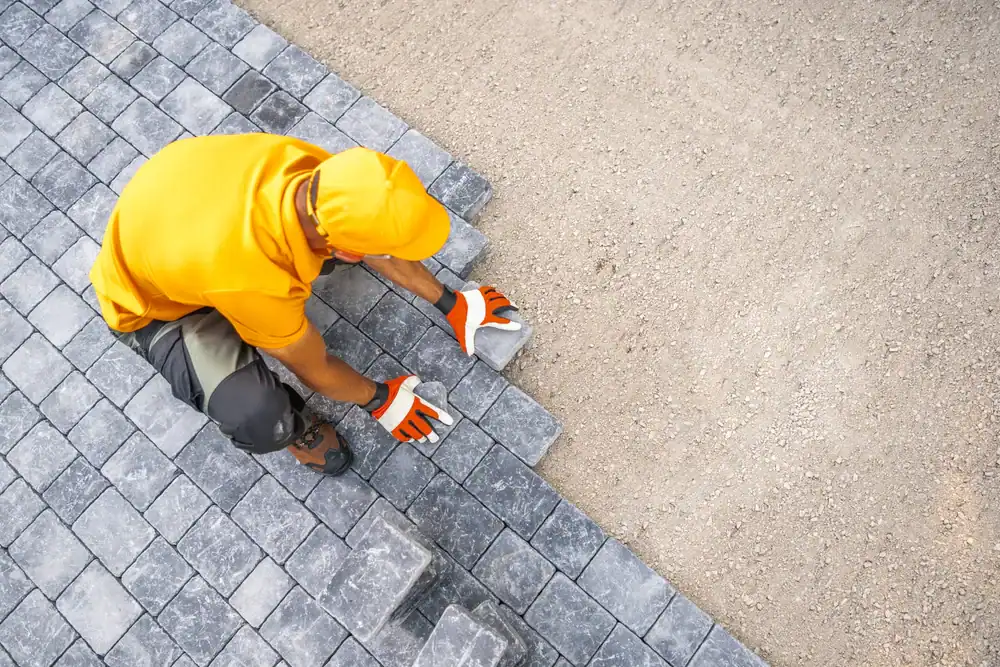
We handle both asphalt and concrete projects throughout Six Mile Run, NJ and surrounding areas like Somerset, NJ, Hillsborough, NJ, Bound Brook, NJ, and Manville, NJ. Residential work includes new driveway installation, full replacements, and paver patios. Commercial projects cover parking lot paving, asphalt repair, and sealcoating for property managers who need surfaces that handle heavy traffic.
New Jersey’s freeze-thaw cycles are brutal on pavement. When water seeps into small cracks, freezes, and expands, it breaks apart anything that wasn’t installed with proper drainage and thickness. That’s why we use mix designs chosen specifically for this climate and make sure every surface is graded to shed water before it becomes a problem.
Spring through fall is ideal for paving work—temperatures need to stay consistently above 50°F for asphalt to cure correctly. Fall is especially popular because property owners want fresh pavement in place before winter damage starts. If you’re planning a project, reaching out to paving companies near you in early fall gives you the best chance of getting scheduled before the season closes.
Properly installed asphalt typically lasts 15 to 20 years in New Jersey, depending on climate exposure, traffic volume, and how well you maintain it. The key word is “properly installed.”
Most failures happen because the base wasn’t prepared correctly. If the contractor skips proper excavation or doesn’t compact the aggregate base in layers, the pavement will start cracking within a couple of years no matter how good the asphalt itself is. New Jersey’s clay soil shifts with moisture changes, and freeze-thaw cycles destroy anything that doesn’t have a stable foundation underneath.
Maintenance matters too. Sealcoating every few years protects the surface from UV damage and water infiltration. Fixing small cracks before they spread keeps water from getting under the pavement and causing bigger problems. If you stay on top of basic upkeep, a well-built driveway in Six Mile Run, NJ can easily hit that 20-year mark.
An overlay means paving new asphalt over your existing surface. A full replacement means tearing out the old pavement, fixing the base, and starting fresh.
Overlays are cheaper and faster, but they only work if the existing pavement is structurally sound. If your current driveway has major cracks, drainage issues, or a failing base, an overlay just covers up the problem temporarily. Those cracks will reflect back through the new layer at about an inch per year, and you’ll be looking at another repair in 18 to 24 months.
Full replacement costs more upfront but fixes the actual problem. We remove the failed pavement, address any drainage or soil issues, rebuild the base correctly, and then pave. It’s the difference between a band-aid and a real solution.
Most driveways in northern New Jersey that are cracking badly need full replacement. If you’re not sure which approach makes sense for your situation, we’ll walk the site with you and explain what’s happening underneath before recommending anything.
It depends on the scope of work and local requirements in your specific municipality. Some towns require permits for new driveways or significant changes to existing ones, especially if the work affects drainage or increases impervious surface area.
If you’re replacing an existing driveway with the same footprint and materials, many municipalities don’t require a permit. But if you’re expanding the paved area, changing the grade, or adding new pavement where there wasn’t any before, you’ll likely need approval.
We handle permit requirements as part of the project. That includes checking with your local building department, submitting the necessary paperwork, and making sure the work meets code. You don’t need to figure out the bureaucracy yourself—we know what Six Mile Run, NJ and surrounding Somerset County towns require, and we make sure everything is filed correctly before we start.
Because water is getting in, freezing, expanding, and breaking the pavement apart. It’s called freeze-thaw damage, and it’s the main reason driveways fail in New Jersey.
When temperatures drop below freezing, any water trapped in cracks or under the pavement turns to ice and expands with enough force to break asphalt and concrete. Then it thaws, more water seeps in, and the cycle repeats all winter. By spring, small cracks have turned into major damage.
This happens for two reasons. Either the pavement wasn’t thick enough or properly compacted to begin with, or water isn’t draining away from the surface like it should. If your driveway holds puddles after it rains, that water is going to find its way into the pavement and cause problems when it freezes.
Fixing it means addressing both issues—rebuilding the base so it’s stable and grading the surface so water runs off instead of sitting there. Sealcoating helps too by filling small cracks before they let water in. But if the foundation is wrong, no amount of sealcoating will stop the freeze-thaw cycle from destroying your driveway.
Residential driveways typically run between $3 and $7 per square foot for asphalt, depending on site conditions, thickness, and how much prep work is needed. A standard two-car driveway is usually 600 to 800 square feet, so you’re looking at $1,800 to $5,600 for most projects.
That range exists because every site is different. If we’re working with good drainage and stable soil, the job is straightforward. If we need to excavate deeper, bring in more base material, or address water problems, the cost goes up. Same thing if you’re on a steep grade or have limited access for equipment.
Full replacements cost more than overlays because there’s more labor involved—tearing out old pavement, hauling it away, and rebuilding the base. But if your driveway is already failing, an overlay just delays the problem and costs you more in the long run when you have to redo it in two years.
We give you an upfront quote that breaks down exactly what’s included. No vague estimates or surprise charges later. You’ll know what the project costs before we start, and that’s what you’ll pay when we’re done.
Asphalt needs consistent temperatures above 50°F to cure properly, so we typically pave from April through October in New Jersey. Cold weather paving is possible with special mix designs and techniques, but it’s not ideal for residential driveways.
When temperatures drop, asphalt cools too quickly and doesn’t compact to the density it needs. That leads to a weaker surface that’s more likely to crack and fail early. The ground temperature matters too—if the soil is cold or frozen, it pulls heat out of the asphalt before it can be compacted correctly.
Fall is actually one of the best times to pave. The ground is warm from summer, temperatures are stable, and contractors have more availability than they do in the spring rush. If you’re planning a project, reaching out in late summer or early fall gives you the best chance of getting scheduled before the season closes.
Concrete is a bit more flexible with temperature, but it still needs to cure without freezing. If you’re looking at a winter project, we can discuss timing and what makes sense for your specific situation. Most property owners in Six Mile Run, NJ schedule paving work between May and October to avoid weather complications.