
Hear from Our Customers

Your driveway stops cracking every spring. Water drains where it’s supposed to instead of pooling near your foundation or freezing into destructive ice pockets. You’re not calling someone back in two years because the surface is already falling apart.
That’s what proper base preparation gets you. Most paving failures in Highland Lakes don’t happen because of bad asphalt—they happen because the foundation wasn’t excavated deep enough, the grading doesn’t account for water flow, or the compaction work got rushed.
When the base is engineered correctly for Morris County’s clay soil and drainage patterns, your pavement handles the weather. It flexes through temperature swings without cracking. It sheds water before freeze-thaw cycles can destroy it from below. And it stays level because it was built on stable ground, not just poured over whatever was there before.
We’ve been handling residential and commercial paving across Morris, Sussex, and Somerset Counties for over 20 years. We’re BBB accredited, fully licensed, and we actually answer the phone after your job is finished.
Dominick, the owner, is on-site from start to finish. Not just for the estimate—for the excavation, the grading, the asphalt application, everything. That’s how we maintain quality control and why our work holds up when other driveways in the neighborhood start failing.
Highland Lakes properties deal with challenging drainage conditions and heavy freeze-thaw cycles. We’ve worked enough jobs in this area to know where water goes, what the soil does, and how to build pavement that performs long-term in these conditions.

First, we assess your property’s drainage patterns and soil conditions. If water isn’t flowing away from your driveway and foundation, we fix that before any paving happens. This step determines whether your surface lasts five years or twenty.
Next comes excavation and base preparation. We remove the old material, dig down to stable soil, and build up a compacted stone base that won’t shift or settle. For Highland Lakes properties, that usually means going deeper than you’d expect because of local soil composition.
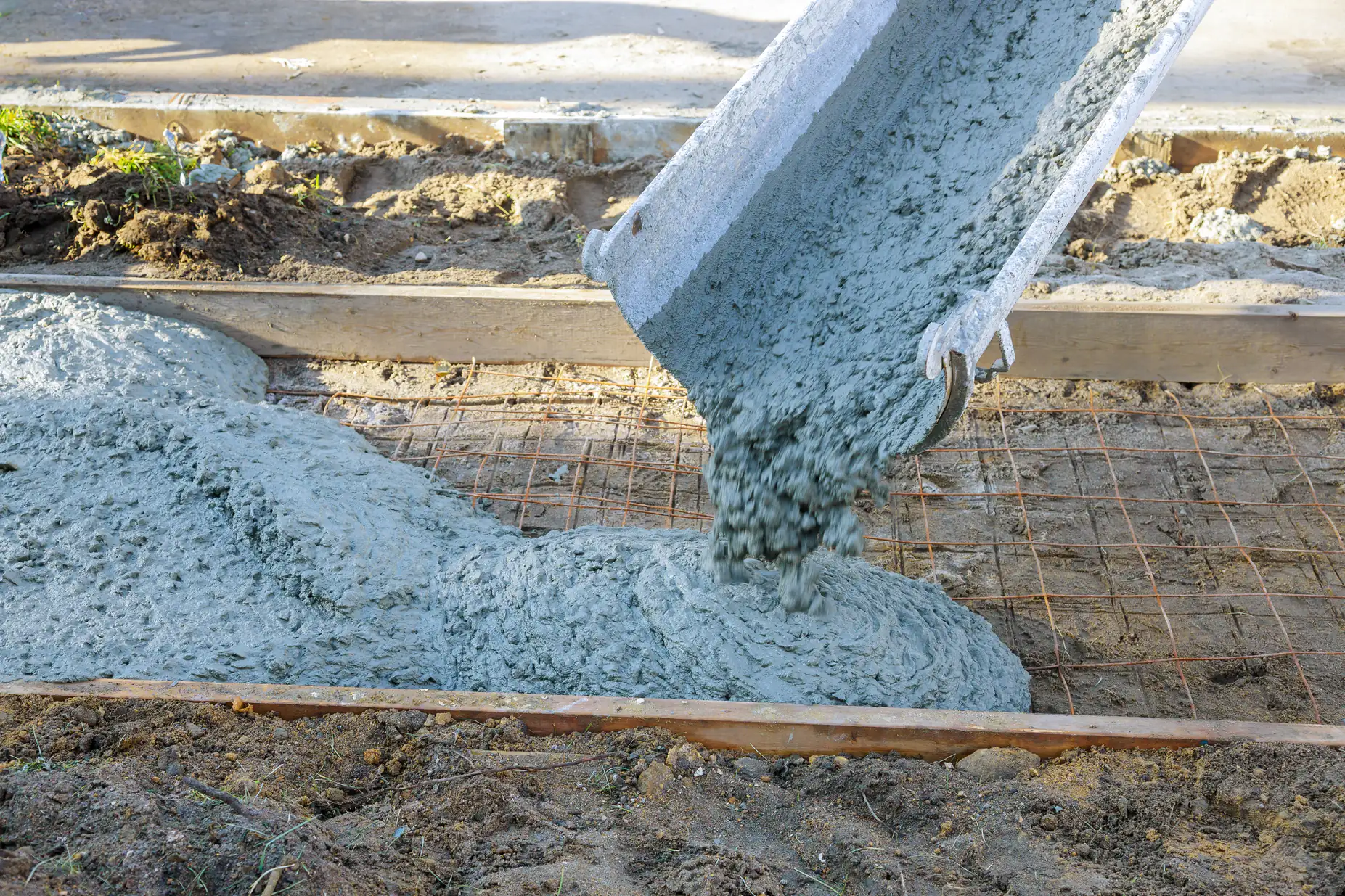
Then we apply high-grade hot mix asphalt at the proper temperature, or Portland cement concrete with rebar reinforcement if that’s the better choice for your situation. The material goes down in layers, gets compacted correctly, and cures under conditions that ensure proper bonding.
Most Highland Lakes driveway projects take two to three days from excavation to final pass. You’ll know the timeline upfront, and we stick to it. No surprises, no extended disruptions, no crew that disappears for a week between phases.
Ready to get started?
You’re getting full-service paving—driveways, parking lots, roadways, patching, resurfacing, and decorative stamped concrete if that fits your project. We handle everything from small residential repairs to large commercial installations.
Highland Lakes driveway paving typically costs between $8 and $12 per square foot for quality work that includes proper base preparation and drainage solutions. That’s not the cheapest number you’ll hear, but it reflects materials and methods that actually last through Morris County weather.
With 19% of Morris County properties at risk of severe flooding over the next 30 years, drainage isn’t optional anymore. We design every job with water management built in—proper slope, drainage channels where needed, and grading that directs water away from structures and pavement.
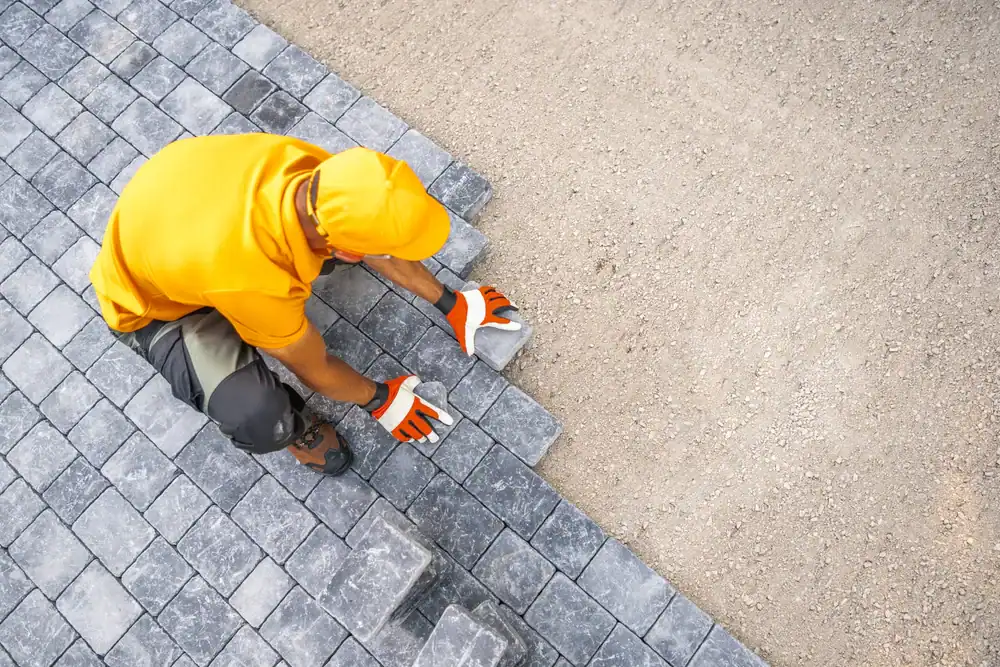
For commercial properties, we handle ADA compliance, traffic flow optimization, and parking lot layouts that maximize space while meeting code requirements. For residential work, we offer decorative options like stamped concrete patterns and paver stone integration if you want something beyond standard blacktop.
A properly installed asphalt driveway in Highland Lakes should last 20 to 30 years with basic maintenance. That lifespan depends entirely on foundation work and drainage—not just the asphalt itself.
Most driveways that fail early weren’t built with adequate base depth or proper water management. Highland Lakes deals with freeze-thaw cycles every winter, and water is the enemy. If water gets into cracks, freezes, and expands, it destroys pavement from within.
When the base is excavated to stable soil, built up with compacted stone, and graded to shed water effectively, asphalt holds up. You’ll need to seal coat every few years and fill minor cracks as they appear, but the surface stays intact and functional for decades. Cheap installations that skip foundation work start cracking within five years.
Asphalt is generally the better choice for Highland Lakes residential driveways because it flexes slightly with temperature changes and handles freeze-thaw cycles better than concrete. It’s also faster to install and costs less upfront.
Concrete is more durable under heavy loads and works well for commercial applications or decorative residential projects where you want stamped patterns. It lasts longer without resurfacing, but it’s more expensive initially and takes longer to cure before you can use it.
For Morris County weather conditions and typical residential use, asphalt performs better. It’s easier to repair if damage does occur, and it doesn’t show salt stains the way concrete does after winter snow removal. If you’re looking for decorative options, we can integrate paver stones or stamped concrete in specific areas while using asphalt for the main driveway surface.
Because they’re cutting corners you won’t see until the driveway fails. The biggest cost in quality paving is labor—excavation, base preparation, proper compaction. That’s where cheap contractors save money.
They’ll skip adequate excavation depth, use thinner base material, rush the compaction process, or apply asphalt in weather conditions that compromise bonding. You get a surface that looks fine initially but starts cracking and settling within a few years because the foundation work wasn’t done right.
Quality paving costs more upfront because it includes the engineering and labor that make surfaces last. You’re paying for deeper excavation, proper drainage solutions, high-grade materials applied correctly, and a crew that doesn’t rush through critical steps. That’s the difference between a driveway that lasts five years and one that lasts twenty-five.
Drainage is the single most important factor in whether your driveway survives or fails. Poor drainage is the number one cause of pavement failure in Highland Lakes, and it’s not even close.
When water pools on or under your driveway, it creates problems year-round. In winter, that water freezes and expands, cracking pavement from below. In spring, it softens the base material and causes settling. Over time, water infiltration destroys even well-built surfaces if drainage wasn’t addressed during installation.
Highland Lakes properties often deal with clay soil that doesn’t drain naturally, plus elevation changes that direct water toward driveways and foundations. We assess every property’s specific drainage patterns before paving and build solutions into the design—proper slope, drainage channels, sometimes French drains or catch basins if needed. That engineering work is what separates driveways that last from ones that fail prematurely.
Look for contractors who talk about drainage and base preparation before they talk about asphalt. If someone gives you a quote without assessing your property’s water flow and soil conditions, they’re not planning to do the job right.
Check for proper licensing, insurance, and BBB accreditation. Ask how long they’ve been working in Morris County specifically—local experience matters because soil conditions and weather patterns vary. Find out if the owner will be present during your project or if you’re just getting a crew with minimal supervision.
Get written estimates that break down exactly what’s included: excavation depth, base material type and thickness, asphalt grade and application temperature, drainage solutions. Vague quotes that just list a price per square foot usually mean corners will be cut. And if a price seems too good to be true, it is—quality foundation work costs money, and there’s no way around that.
It depends on the extent of damage and what’s causing it. Surface cracks and minor deterioration can often be repaired with patching and seal coating. Widespread cracking, significant settling, or drainage-related damage usually means the base has failed and you need full replacement.
If your driveway has a few isolated cracks but the surface is generally intact and level, repairs make sense. We can fill cracks, patch damaged sections, and apply seal coating to extend the life of the pavement. That’s a cost-effective solution when the foundation is still solid.
But if you’re seeing alligator cracking (interconnected cracks that look like scales), large settled areas, or recurring problems in the same spots, the base has deteriorated. Patching won’t fix that—you’re just putting new asphalt over a failed foundation, and it’ll break down again quickly. In those cases, full removal and proper reconstruction is the only real solution. We’ll assess your specific situation and tell you honestly which approach makes sense.