
Hear from Our Customers

Your driveway takes a beating every winter. Ice forms in small cracks, expands, and turns hairline fractures into potholes by spring. Most homeowners in Kenvil and surrounding Morris County areas know this cycle too well.
Proper installation stops this before it starts. High-grade hot mix asphalt applied at the right temperature, with correct base preparation, creates a surface that flexes with temperature changes instead of cracking apart. The difference shows up years later when your neighbors are calling for emergency repairs and you’re not.
Commercial properties face the same issues on a larger scale. A failing parking lot doesn’t just look bad—it creates liability risks and tells customers you cut corners. We do more than patch problems. We build pavement that performs through decades of Morris County weather while requiring minimal maintenance.
We’ve worked in Kenvil, Dover, Rockaway, and throughout Morris County for over twenty years. We’re based in Dover at 188 Baker Street, not some distant location that treats North Jersey as just another service area.
The owner supervises every job. You get upfront pricing with no surprise charges, and when we say we’ll be there Tuesday morning, we show up Tuesday morning. Our crew knows local soil conditions, drainage patterns, and exactly which asphalt mixes hold up best in this climate.
We’re BBB accredited and fully licensed through the NJ Division of Consumer Affairs. Most of our work comes from referrals—homeowners and property managers who’ve watched our pavement hold up while others deteriorate.

First, we assess your existing surface and base. Many paving contractors skip this step and just lay new asphalt over failing foundations. That’s why you see new driveways failing within two years.
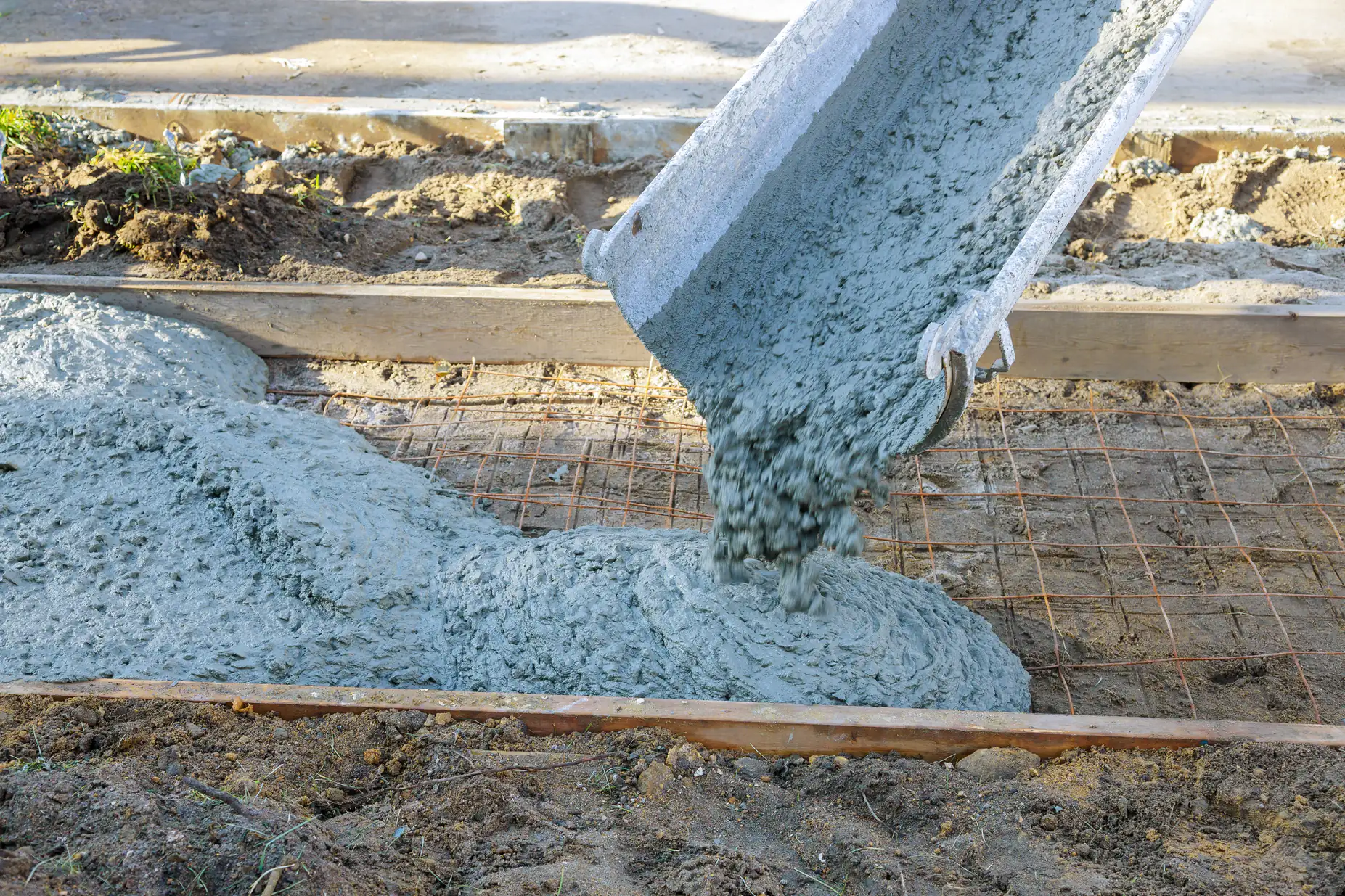
We excavate to proper depth, address drainage issues, and install a compacted stone base that won’t shift. For asphalt work, we use hot mix asphalt applied at temperatures between 275-300°F—hot enough to compact properly but not so hot it damages the mix. For concrete projects, we use Portland cement with rebar reinforcement, not surface mesh that provides minimal structural support.
Grading matters more than most people realize. Water needs somewhere to go, and if we don’t account for runoff, you’ll have standing water that accelerates deterioration. We slope everything correctly the first time.
The actual paving happens fast once prep work is complete. Asphalt needs 24-48 hours before you can drive on it. Concrete requires several days to cure properly. We’ll tell you exactly when you can use your new surface—and what to avoid during the first few weeks.
Ready to get started?
Residential driveways in Kenvil typically need 3-4 inches of compacted asphalt over 6-8 inches of stone base. Commercial parking lots require thicker asphalt—often 4-6 inches—to handle heavier loads. We calculate this based on your actual usage, not generic estimates.
Concrete paving costs more upfront but lasts longer in high-traffic areas. We offer both standard and decorative stamped concrete for patios, walkways, and areas where you want more visual appeal than blacktop provides. Stamped patterns add texture and color without the maintenance headaches of paver stones.
Morris County properties deal with clay soil that shifts with moisture changes. We account for this during base preparation, using proper compaction techniques and sometimes adding geotextile fabric to prevent base migration. These details separate pavement that lasts from pavement that fails prematurely.
You also get clear communication throughout the project. We respond to quote requests within 24-48 hours, provide detailed written estimates, and keep you informed about schedule changes if weather interferes. No disappearing acts, no vague timelines, no surprise charges when the work is done.
Properly installed asphalt paving lasts 20-30 years in Morris County with basic maintenance. That means sealcoating every 3-4 years and addressing small cracks before they expand. Without maintenance, expect 12-15 years before major repairs become necessary.
The key word is “properly installed.” Asphalt laid over inadequate base material or applied at incorrect temperatures fails much faster. You’ll see edge cracking, alligator patterns, and potholes within 5-7 years when installation shortcuts were taken.
Climate matters too. Morris County’s freeze-thaw cycles are particularly hard on pavement. Water seeps into small cracks, freezes, expands, and breaks apart the asphalt structure. This happens repeatedly throughout winter. Quality installation with proper drainage and crack sealing prevent most of this damage.
Asphalt costs less upfront and handles freeze-thaw cycles better because it flexes slightly with temperature changes. Concrete costs more initially but lasts longer—often 30-40 years—and offers more design options through stamping and coloring.
For Kenvil driveways, asphalt makes sense for most homeowners. It’s ready to use in 1-2 days, repairs are straightforward, and it performs well in our climate. Concrete works better for decorative applications or when you want a lighter-colored surface that doesn’t absorb as much heat in summer.
Maintenance differs significantly. Asphalt needs sealcoating every few years to protect against UV damage and water penetration. Concrete doesn’t need sealing but can stain more easily and requires joint sealing to prevent water infiltration. Both need prompt crack repair to prevent minor issues from becoming major problems.
Asphalt driveways in Kenvil typically run $4-$7 per square foot installed, depending on site conditions and current material costs. A standard two-car driveway of 600 square feet costs $2,400-$4,200. Concrete costs more—usually $8-$12 per square foot—putting that same driveway at $4,800-$7,200.
These prices assume normal conditions: reasonable access, standard excavation depth, and no major drainage issues. Costs increase when we need to remove extensive old pavement, address significant drainage problems, or work around difficult site access. We’ll identify these factors during the initial assessment.
Material costs fluctuate with oil prices since asphalt is petroleum-based. We provide written quotes that lock in pricing for 30 days, protecting you from market volatility. Beware of contractors who give verbal estimates or vague price ranges—you need specific numbers in writing before work begins.
Late spring through early fall offers the best conditions for paving in Morris County. Asphalt needs ambient temperatures above 50°F for proper compaction, and you want several dry days before and after installation. May through October typically provides these conditions.
Summer is busiest because everyone wants paving done in good weather. If you’re flexible on timing, late spring or early fall often means shorter wait times and occasionally better pricing. We can usually schedule work within 2-3 weeks during these shoulder seasons versus 4-6 weeks in peak summer.
Emergency repairs happen year-round, but permanent fixes should wait for proper weather. Cold-patch asphalt works temporarily for winter potholes, but it’s not a long-term solution. Plan major paving projects for warm weather, and you’ll get better results that last longer.
Most driveway repaving projects in Kenvil don’t require permits if you’re replacing existing pavement within the same footprint. New driveways or expansions that change drainage patterns or add impervious surface area typically need approval from Roxbury Township.
We handle permit requirements as part of our service when they’re necessary. This includes submitting site plans, coordinating inspections, and ensuring work meets local codes. You don’t need to navigate township offices or figure out what documentation they need.
Homeowner associations sometimes have additional requirements beyond township regulations. If you’re in an HOA community, check whether they require approval for paving work or have restrictions on materials and colors. We’ve worked with most local HOAs and can provide documentation they typically request.
Wait 6-12 months before the first sealcoating application. New asphalt needs time to cure fully before sealing. After that, sealcoat every 3-4 years to protect against UV damage, water penetration, and chemical spills from vehicles.
Address cracks immediately when they appear. Small cracks spread quickly through freeze-thaw cycles. Crack sealing costs $1-$3 per linear foot and prevents water from reaching the base material. Ignored cracks turn into potholes that require expensive patching or even full-depth repairs.
Keep your driveway clean. Sweep away debris, remove oil stains promptly, and avoid using metal shovels or plows that gouge the surface. Don’t park heavy vehicles like dumpsters or moving trucks in the same spot for extended periods—concentrated weight creates depressions. These simple habits extend pavement life significantly and protect your investment.