
Hear from Our Customers

You stop worrying about cracks turning into potholes overnight. That’s what proper paving does in Newton, NJ.
Sussex County sees 40% more freeze-thaw cycles than Central Jersey. Water gets into hairline cracks, freezes, expands with 30,000 psi of pressure, and destroys your asphalt from the inside out. Most paving companies near me don’t account for this when they lay blacktop.
When your driveway or parking lot is built right from the start, you’re not calling for emergency repairs every spring. You’re not dealing with standing water that turns into ice patches. You’re not watching small cracks become $2,000 problems over a single winter.
Proper base preparation, the right asphalt mix applied at the correct temperature, and attention to drainage means your pavement does its job for 15-20 years instead of needing major work in five. That’s the difference between a surface that survives North Jersey weather and one that fights it.
We’ve spent over 20 years working across Morris, Sussex, and Somerset Counties. We’re based in Morris County and we know exactly what Newton’s weather does to asphalt and concrete.
Most of our work in Sussex County involves fixing problems that shouldn’t exist. Driveways that pool water because nobody graded them properly. Parking lots with potholes after two winters because someone used the wrong mix or laid it too thin. Blacktop that crumbles at the edges because the base wasn’t compacted.
We handle residential driveways, commercial parking lots, and municipal paving work. You get upfront pricing, a 24-48 hour callback guarantee when you request a quote online, and work that actually gets finished on schedule. No surprises, no excuses about weather, no disappearing after the deposit clears.

First, we look at your existing surface and drainage. If water isn’t flowing away from your property, new asphalt won’t fix that. We assess the base, check for soft spots, and figure out if you need full removal or if we can overlay.
Demo and base prep come next if you’re starting fresh. Old asphalt gets removed, the base gets properly graded and compacted. This step matters more than most homeowners realize—a solid base is what keeps your driveway from sinking or cracking prematurely.
Then we bring in hot mix asphalt at the right temperature and lay it at the proper thickness for your use case. A residential driveway needs different specs than a commercial parking lot that sees truck traffic. We compact it correctly, pay attention to transitions and edges, and make sure water drains where it should.
You can typically drive on new asphalt within 24-48 hours, but it takes about a year to fully cure. We’ll tell you exactly when you can park on it, when to avoid sharp turns, and when you should schedule your first sealcoating to extend the surface life.
Ready to get started?
We handle both asphalt and concrete work. That includes new driveway installation, parking lot paving, asphalt repairs, sealcoating, and decorative paver patios if you want something beyond standard blacktop.
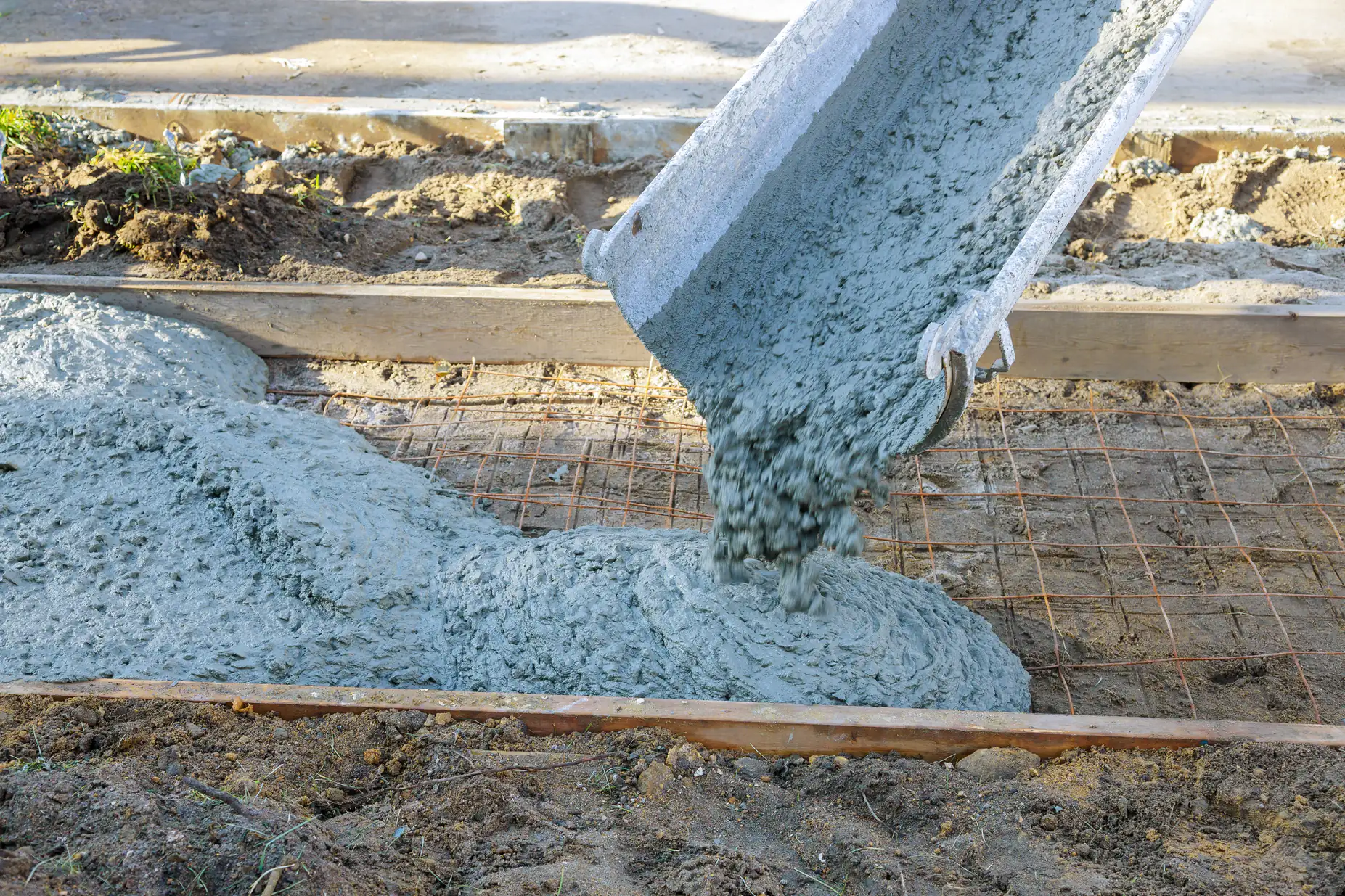
For asphalt work, we use high-grade hot mix asphalt applied at proper temperature. Not the recycled mix that some asphalt companies near me use to cut costs. For concrete, we use Portland cement mixes with rebar reinforcement and can do stamped patterns if you want decorative work.
Newton properties often need drainage solutions because of how Sussex County terrain works. We install proper grading, add catch basins where needed, and make sure water moves away from your foundation. Ignoring drainage is how you end up with ice dams in winter and standing water that destroys your pavement.
You also get clear communication throughout the project. We show up when we say we will, we finish on schedule, and if weather delays something, you’ll know about it immediately. The price we quote is the price you pay—no surprise charges for “unforeseen conditions” that any experienced paving contractor should have spotted during the estimate.
Properly installed asphalt in Newton should last 15-20 years before needing replacement, but that depends entirely on installation quality and maintenance.
Sussex County’s freeze-thaw cycles are the main enemy. When water seeps into cracks, freezes, and expands, it creates pressure that breaks apart asphalt from below. If your pavement contractor didn’t prepare the base correctly or used substandard materials, you might see serious deterioration in 5-7 years instead.
Regular maintenance extends life significantly. Crack sealing every few years prevents water infiltration. Sealcoating every 3-4 years protects the surface from UV damage and oxidation. These small investments—a few hundred dollars—prevent the need for $5,000+ repaving jobs. Most driveways that fail early do so because of deferred maintenance, not because the asphalt itself wore out.
An overlay means adding a new layer of asphalt on top of your existing surface. Full replacement means tearing everything out and starting from the base up.
Overlay works when your current asphalt has minor surface damage but the base is still solid. If you’ve got some cracking and wear but no major potholes, heaving, or drainage issues, overlay saves money and time. We typically mill down the existing surface slightly, make repairs to any damaged areas, then apply 1.5-2 inches of new asphalt on top.
Full replacement is necessary when the base has failed, when you have significant drainage problems, or when the existing asphalt is too deteriorated to support an overlay. If your driveway has sunken areas, large potholes, or alligator cracking throughout, overlay just covers up problems temporarily. You need to remove the old material, regrade and compact the base properly, then install new asphalt at the correct thickness. It costs more upfront but actually fixes the underlying issues.
Late spring through early fall—roughly late April through October—gives you the best conditions for asphalt paving in Newton.
Asphalt needs to be applied and compacted at specific temperatures to cure properly. Ambient temperatures should consistently stay above 50°F, and ground temperatures matter too. Cold ground pulls heat out of fresh asphalt too quickly, preventing proper compaction. That’s why we won’t install asphalt in winter no matter how much you’re willing to pay.
Summer and early fall are ideal because temperatures are stable and you’re less likely to hit weather delays. Fall is actually a smart time to pave because you’re preparing your surface before winter hits. Fresh asphalt that’s had a few months to cure handles its first winter better than asphalt installed in late fall that doesn’t have time to properly set. If you’re planning paving work, contact us in spring to get on the schedule for summer completion.
Most residential driveways in Newton run between $3,000 and $8,000 depending on size, condition, and scope of work.
A standard two-car driveway overlay—where the base is good and we’re just adding new asphalt on top—typically costs $3-5 per square foot. Full replacement with base work runs $7-12 per square foot because of demo, disposal, and base preparation. If you need significant grading work or drainage solutions, that adds to the cost.
The cheapest quote isn’t always the best value. Some asphalt companies near me cut costs by using thinner applications, recycled materials, or skipping base prep. You’ll save $1,000 upfront and spend $3,000 fixing it in three years. We give you upfront pricing that includes proper materials and methods—no hidden charges for “extra base work” that should have been included from the start. Get multiple quotes, ask what thickness they’re installing, and verify they’re licensed. We’re licensed (13VH08981600) and BBB accredited.
Yes, but not immediately. Wait 6-12 months after installation before applying the first sealcoat.
Fresh asphalt needs time to cure. The oils in new asphalt have to oxidize and harden properly before sealcoating. If you seal too early, you trap those oils and prevent proper curing. We recommend waiting at least one full summer before the first sealcoat application.
After that initial waiting period, sealcoating every 3-4 years protects your investment. Sealant blocks UV rays that break down asphalt binders, prevents water infiltration, and resists damage from gas and oil drips. It’s a $200-400 maintenance item that extends your driveway’s life by years. Think of it like changing your car’s oil—small regular maintenance that prevents expensive repairs. In Newton’s climate where winter is harsh and UV exposure is significant in summer, sealcoating isn’t optional if you want your asphalt to last its full lifespan.
You can pave asphalt over concrete in some situations, but it’s not always the best solution.
If your concrete is in good structural condition—no major cracking, heaving, or settling—asphalt overlay is possible. We’d typically apply a tack coat to help the asphalt bond to the concrete, then lay at least 2-3 inches of asphalt on top. This works for driveways where the concrete is sound but you want the look and feel of asphalt, or where the concrete has minor surface damage.
However, if your concrete has failed structurally, paving over it just transfers those problems to your new asphalt. Cracks will telegraph through. Settled areas will remain settled. In those cases, removal makes more sense even though it costs more upfront. We remove the concrete, prepare the base properly, and install asphalt that will actually last. An honest paving contractor will tell you when overlay won’t work instead of taking your money for a job that’ll fail in two years.