
Hear from Our Customers

Your driveway stops being a problem. No more standing water after rain. No more cracks spreading across the surface every winter. No more wondering if you hired the wrong contractor.
When pavement is installed correctly, it drains properly, compacts evenly, and flexes with temperature changes instead of breaking apart. That means fewer repairs, lower maintenance costs, and a surface that actually looks good years later.
You also get clear pricing before work starts, a crew that shows up when they say they will, and someone who answers the phone when you call. That shouldn’t be rare, but in this industry, it is.
We’ve been working in Morris, Sussex, and Somerset Counties since before Troy Hills became one of Money magazine’s Best Places to Live. We’ve paved driveways through every kind of winter North Jersey can throw at us.
We’re not the cheapest option, and that’s intentional. Cheap paving cracks within a year because corners get cut—thin asphalt layers, poor drainage planning, no proper base prep. You end up paying twice.
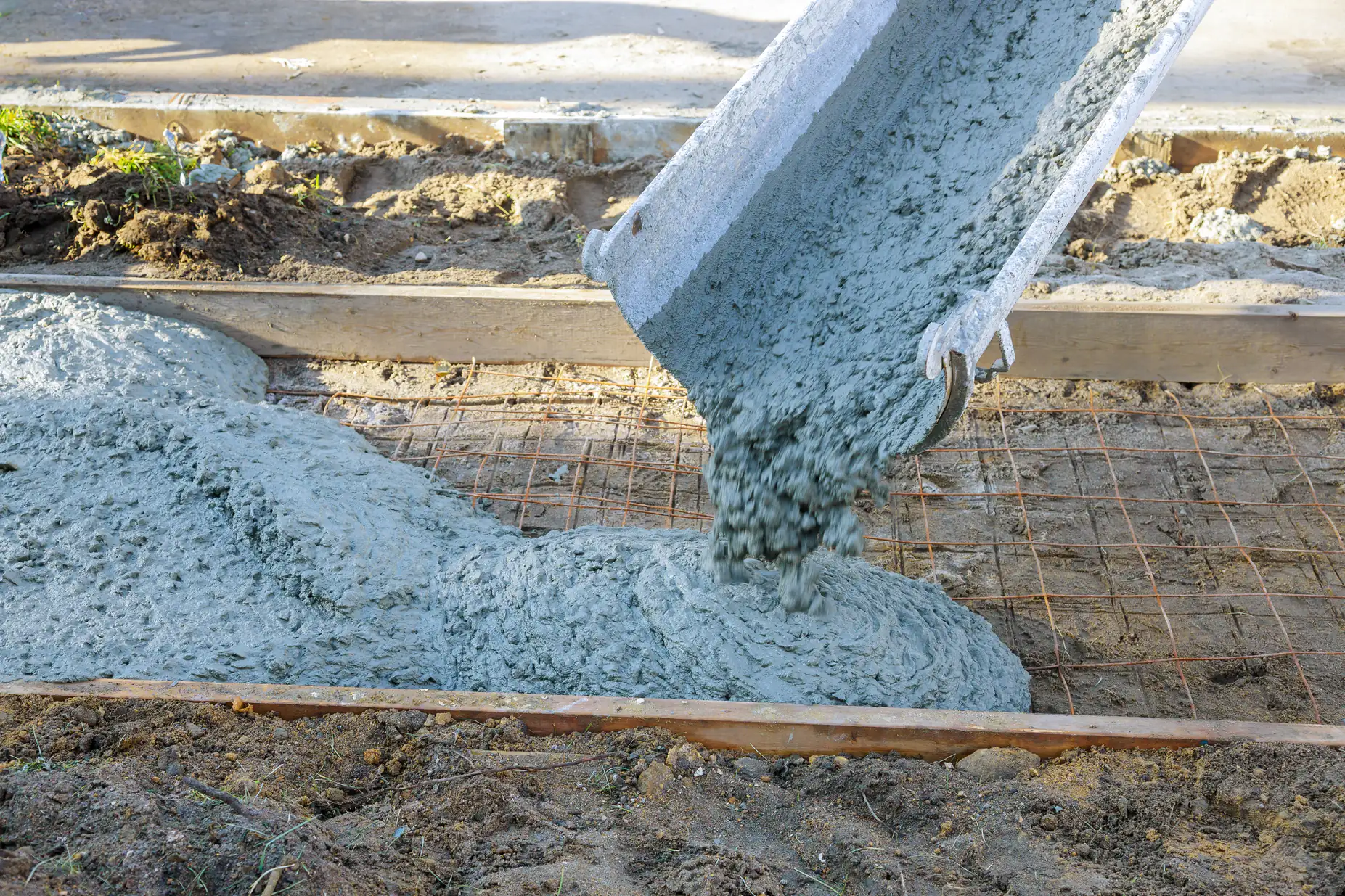
We use high-grade hot mix asphalt applied at the right temperature, proper compaction, and Portland cement mixes with rebar reinforcement for concrete work. It costs more upfront because it lasts longer.

First, we assess your property. That means checking drainage, soil stability, and any existing pavement issues. If water’s pooling somewhere or the ground’s shifting, we need to know before we pave.
Then we give you a detailed estimate. You’ll see exactly what materials we’re using, how thick the asphalt or concrete will be, and what the timeline looks like. No surprise charges later.
Once you approve, we prep the site—grading for proper drainage and compacting a solid aggregate base. Then we lay the asphalt or pour the concrete, compact it correctly, and let it cure. For asphalt, that’s usually 24-48 hours before you can drive on it. For concrete, it’s longer.
You get a callback within 24-48 hours if you request a quote online, and we stay available throughout the project to answer questions.
Ready to get started?
You’re getting more than just asphalt or concrete. The base prep matters as much as the surface. We excavate to the right depth, compact a strong aggregate base, and grade everything so water flows away from your home.
For asphalt driveways, we use hot mix asphalt applied at proper temperature and compacted to the right density. That prevents premature cracking. For concrete, we use Portland cement mixes with rebar reinforcement and proper joint placement to handle Troy Hills’ freeze-thaw cycles.
Troy Hills sits in Morris County, which experiences 40% more freeze-thaw cycles than Central or South Jersey. That means your pavement takes more punishment. We account for that in material selection and installation methods.
If you want decorative options, we offer stamped concrete patterns for patios and walkways. For commercial properties, we handle parking lots, loading areas, and high-traffic surfaces built to last under heavy use.
A properly installed asphalt driveway in Troy Hills typically lasts 20-30 years with regular maintenance. That means sealcoating every 2-3 years and fixing small cracks before they spread.
The lifespan depends heavily on installation quality. If the base isn’t compacted correctly or the asphalt layer is too thin, you’ll see cracking within the first few winters. North Jersey’s freeze-thaw cycles are brutal—water gets into cracks, freezes, expands, and breaks the pavement apart.
We install asphalt at a minimum of 2-3 inches thick over a properly compacted base. Thicker is better for driveways with heavy vehicles. Proper drainage is just as important—standing water accelerates deterioration.
Late spring through early fall is ideal—basically late April through early October when temperatures stay consistently above 50°F. Asphalt needs warm weather to compact properly and cure correctly.
Fall is actually the sweet spot. Temperatures are moderate, conditions are usually dry, and you’re getting ahead of winter. If you sealcoat in the fall, you’re creating a protective barrier before the freeze-thaw cycles start.
Avoid paving in winter or early spring when the ground is still cold and wet. Cold temperatures prevent proper compaction, and moisture in the base can cause settling and cracking later. If you’re planning a project, reach out in late summer to get on the schedule for fall.
For residential asphalt driveways, expect to pay between $3-$7 per square foot depending on site conditions, driveway size, and material quality. A standard two-car driveway (about 600 square feet) typically runs $2,000-$4,500.
Concrete costs more—usually $6-$12 per square foot—but lasts longer with less maintenance. Decorative stamped concrete runs higher because of the additional labor.
The price varies based on how much excavation is needed, whether we’re removing old pavement, and what kind of base prep is required. Properties with drainage issues or unstable soil cost more to prep correctly. We give you an upfront quote that breaks down exactly what you’re paying for, so there’s no confusion.
Asphalt handles freeze-thaw cycles better in North Jersey’s climate. It flexes slightly with temperature changes instead of cracking, and it’s easier to repair if damage does occur. It also costs less upfront.
Concrete lasts longer—40-50 years versus 20-30 for asphalt—and requires less maintenance. But it’s more expensive initially, and if it cracks, repairs are more visible and complicated. Concrete also needs proper joint placement to handle expansion and contraction.
For most Troy Hills homeowners, asphalt makes sense. It performs well in our climate, costs less, and looks clean when properly maintained. If you want decorative options or a longer lifespan and don’t mind the higher cost, concrete works. We’ll walk through both options based on your property and budget.
Watch for these red flags: no written estimate, vague answers about material thickness or base prep, pressure to decide immediately, and prices significantly lower than other quotes.
A legitimate paving contractor will explain exactly what materials they’re using, how thick the asphalt or concrete will be, and what kind of base preparation is involved. If they can’t answer those questions or won’t put it in writing, walk away.
Also ask about compaction methods and drainage planning. Proper compaction requires the right equipment and multiple passes. Drainage should be graded so water flows away from your home and doesn’t pool on the pavement. Contractors who skip these steps save time and money but leave you with pavement that fails early.
No. Sealcoating every 2-3 years is sufficient for most driveways in Troy Hills. Over-sealcoating can actually cause buildup and cracking.
Sealcoating protects asphalt from UV damage, water penetration, and chemical breakdown from road salt. It extends your driveway’s lifespan by 10-15 years when done correctly. Fall is the best time—moderate temperatures and dry conditions let the sealant cure properly before winter.
You’ll know it’s time to sealcoat when the asphalt starts looking faded or gray instead of deep black, or when you see small cracks forming. Catching those cracks early with sealcoating prevents them from spreading during winter freeze-thaw cycles. If you wait too long, you’re looking at patching or resurfacing instead.