
Hear from Our Customers

You get pavement that doesn’t crack apart after one winter. Vernon Center sits in Sussex County, where freeze-thaw cycles hit harder than most of New Jersey. Water seeps into small cracks, freezes, expands, and breaks apart driveways that weren’t built to handle it.
Proper excavation depth matters. So does compacted aggregate base that won’t shift when the ground freezes. And grading that directs water away from your foundation instead of pooling against it.
This isn’t the exciting part of the job. But it’s what determines whether your driveway lasts seven years or twenty-five. Most paving companies near me skip steps to save time. We don’t, because you’ll pay for those shortcuts later—in repairs, resurfacing, or full replacement.
When the base is right, the surface holds. When drainage works, water doesn’t sit and freeze. And when materials are applied at proper temperature with correct thickness, you’re not calling someone back in two years.
We work throughout Morris, Sussex, and Somerset Counties. We know Sussex County building codes, which projects need permits, and how Vernon Center’s clay soil affects drainage. That local knowledge matters when you’re planning a driveway or parking lot that needs to last.
We’re licensed, bonded, and insured under New Jersey’s new contractor requirements signed in 2024. That means you’re protected financially, and we’re accountable to state standards that didn’t exist a few years ago.
You’ll get clear pricing upfront. No surprise charges when the job’s done. And if you request a quote online, we’ll call you back within 24 to 48 hours. We’re not the cheapest option in the area, and that’s intentional. Cheap work costs more when you’re replacing it early.

First, we excavate to the right depth for your soil type. Vernon Center’s clay soil requires specific base preparation that sandy soil doesn’t. We remove existing material, grade for drainage, and compact the subgrade so it won’t settle unevenly.
Next comes the aggregate base layer. This gets compacted in lifts, not dumped in one pass. Proper compaction prevents shifting and settling, which causes those wavy sections you see in poorly installed driveways. We slope everything away from structures so water moves off the surface instead of pooling.
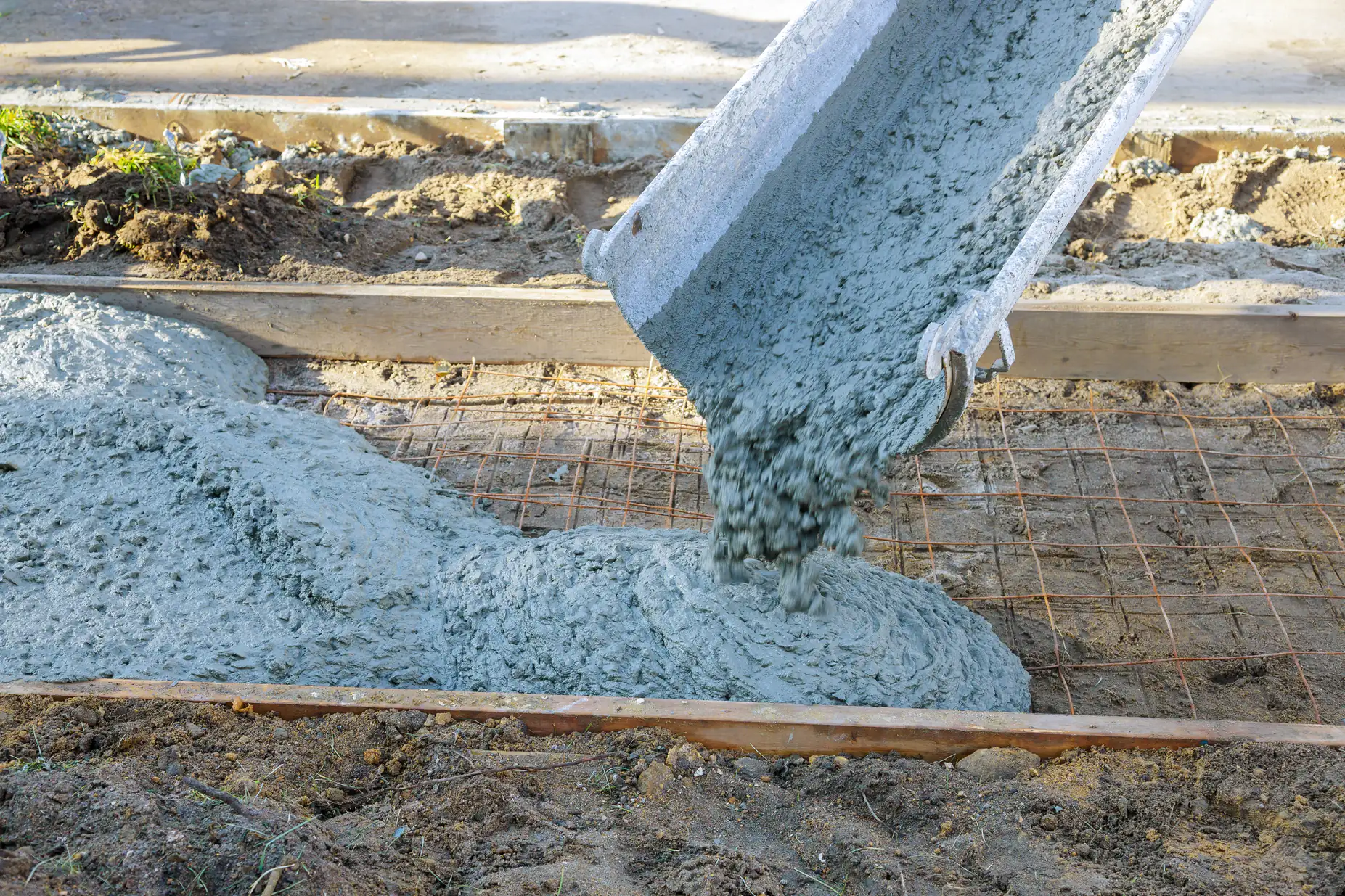
For asphalt, we apply hot mix asphalt at the correct temperature. Too cold and it won’t compact properly. Too hot and it can become unstable. Thickness matters too—residential driveways need at least two inches of compacted asphalt over a solid base. For concrete, we use Portland cement mixes with rebar reinforcement. Expansion joints go in the right places to handle freeze-thaw movement without cracking.
Finally, edges get finished, and we clean up completely. For asphalt, you’ll need to stay off it for a day or two while it cures. Concrete takes longer—usually about a week before you can drive on it.
Ready to get started?
You get site assessment and proper permits handled for you. Vernon Center projects sometimes need Sussex County approval depending on scope and drainage impact. We know which projects require permits and which don’t, so you’re not guessing or dealing with compliance issues later.
Material selection matters here. We use high-grade hot mix asphalt designed for New Jersey’s temperature swings—from summer heat that softens pavement to winter cold that makes it brittle. For concrete work, we offer standard gray or decorative stamped patterns if you want something beyond basic functionality.
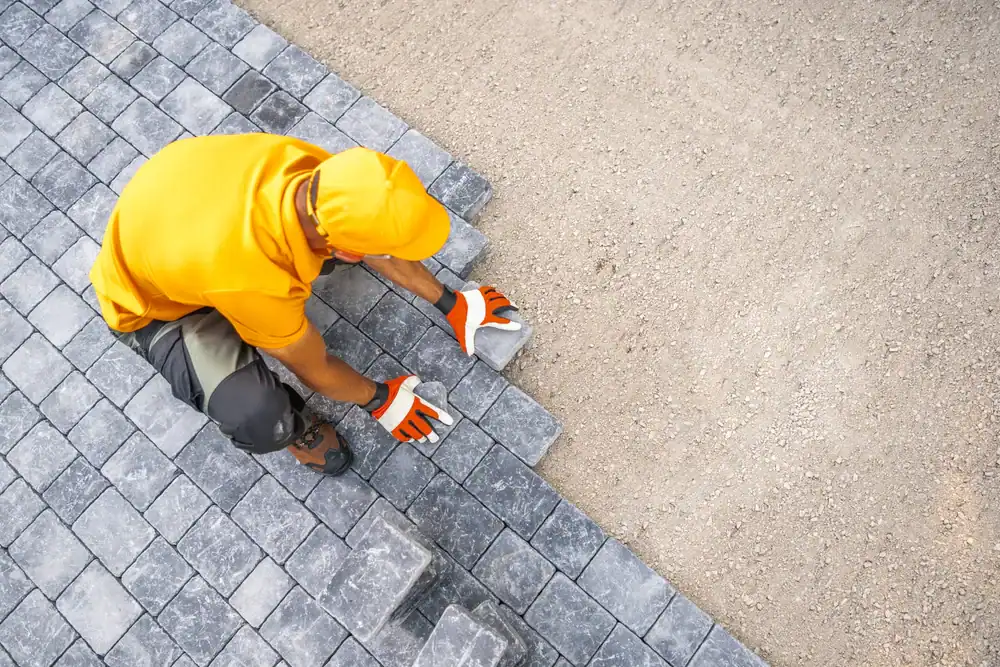
Paver patios are another option, especially for areas where you want more design flexibility than poured concrete offers. Pavers handle freeze-thaw cycles well because individual stones can shift slightly without cracking the whole surface.
Every project includes proper base work, grading for drainage, and cleanup when we’re done. We’re not leaving piles of dirt or broken asphalt in your yard. And if something needs adjustment during the job, we’ll tell you before we do it—no surprise changes or charges.
The warranty covers our work, and we’ll explain exactly what that means for your specific project. Different materials and applications have different coverage, and we’re upfront about what’s realistic versus what sounds good in marketing.
Properly installed asphalt lasts 20 to 30 years here if you maintain it. That means sealcoating every few years and fixing small cracks before they turn into potholes. Vernon Center’s freeze-thaw cycles are tough on pavement, but the base work matters more than the surface.
If the foundation wasn’t done right—wrong depth, poor compaction, bad drainage—you’ll see problems in five to seven years regardless of surface quality. Water is the enemy. When it gets under the pavement and freezes, it pushes everything apart.
Some asphalt companies skip base preparation and sell you a driveway that looks good for a few years but fails early. The surface is only as good as what’s underneath it. We excavate deeper than minimum requirements because Sussex County’s clay soil needs it.
Simple driveway repairs usually don’t require permits. Full replacement or new installation might, depending on size and whether you’re changing drainage patterns. Commercial projects almost always need permits, especially for parking lots that affect stormwater runoff.
Sussex County and New Jersey have specific requirements for projects that impact drainage or exceed certain square footage. We handle permit applications as part of the job, so you’re not navigating building department requirements yourself.
Permit requirements exist for good reasons—they ensure proper drainage, adequate base depth, and compliance with local codes. Skipping permits might seem easier, but it creates problems if you ever sell the property or need insurance coverage for damage. We pull permits when required and document everything properly.
Asphalt costs less upfront and handles freeze-thaw cycles better because it flexes slightly. Concrete costs more but lasts longer and offers more design options like stamped patterns or decorative finishes. Both work in Vernon Center if installed correctly.
Asphalt needs sealcoating every few years to protect the surface from water and UV damage. Concrete doesn’t need sealcoating, but it can crack if the base settles or if expansion joints weren’t placed correctly. Repairs are easier with asphalt—you can patch sections and blend them in. Concrete repairs are more visible.
For residential driveways, most people choose asphalt because of cost and performance in cold climates. For decorative applications or areas where appearance matters more than budget, concrete or pavers make sense. We’ll walk through options based on your priorities, not what’s easier for us to install.
We’ll call you back within 24 to 48 hours after you request a quote online. Scheduling depends on weather, current projects, and time of year. Spring and fall are busy because everyone wants paving done when temperatures are moderate.
If you’re planning ahead, contact us in winter for spring work or in summer for fall installation. Last-minute requests are harder to accommodate during peak season, but we’ll tell you realistic timing instead of overpromising.
Weather affects paving work more than most construction. Asphalt needs to be applied in specific temperature ranges, and concrete won’t cure properly if it’s too cold or too hot. We won’t start a job if conditions aren’t right, even if that means rescheduling. Doing it wrong to meet a deadline costs you more in the long run.
Asphalt driveways need sealcoating every two to three years after the first year. This protects the surface from water penetration, UV damage, and chemical spills like oil or gasoline. Small cracks should be filled as soon as you notice them, before water gets underneath and causes bigger problems.
Concrete driveways need less maintenance but should be sealed every few years to prevent water absorption and staining. Watch for cracks at expansion joints and repair them promptly. Both asphalt and concrete benefit from regular cleaning—remove debris, dirt, and anything that holds moisture against the surface.
Avoid using metal shovels or sharp snow removal tools that can gouge the surface. Don’t use rock salt excessively on concrete—it can cause surface damage over time. And keep heavy vehicles or dumpsters off new pavement for at least a week after installation. The surface needs time to fully cure and harden before handling maximum weight.
Lower prices usually mean thinner asphalt, inadequate base preparation, or shortcuts that cause early failure. Some contractors skip compaction steps, use recycled asphalt without proper binder, or don’t excavate deep enough for local soil conditions. You’ll pay less now and more later when you’re replacing sections or doing full resurfacing.
Proper materials cost money. So does equipment, insurance, bonding, and skilled labor. New Jersey’s 2024 contractor requirements mandate $500,000 in liability insurance and surety bonds for consumer protection. Legitimate contractors factor those costs into pricing. Unlicensed or underinsured contractors don’t, which is why they’re cheaper.
We price based on doing the job right—correct depth, proper materials, adequate compaction, and appropriate drainage. That costs more than the minimum viable driveway, but it lasts two or three times longer. You’re not calling us back in five years because the surface is failing. And you’re not dealing with water problems that affect your foundation because drainage wasn’t handled correctly.