Summary:
You’ve probably heard a dozen different opinions about whether asphalt or concrete is “stronger.” Your neighbor swears by concrete. Your brother-in-law says asphalt is better for New Jersey winters. Online forums give you conflicting data about PSI ratings and lifespan claims that don’t match up.
Here’s what actually matters: material strength isn’t just about which can withstand more pressure in a lab. It’s about how that material performs on your property, under your vehicles, through twenty winters of freeze-thaw cycles and twenty summers of heat. This comparison cuts through the noise and gives you the real story about paving vs concrete—what each material does well, where each one struggles, and how to choose the right option for Sussex County conditions.
Paving vs Concrete: Understanding Material Fundamentals
Asphalt and concrete are fundamentally different materials that happen to serve the same purpose. Asphalt is a petroleum-based binder mixed with aggregates—flexible, dark, and designed to move slightly with temperature changes. Concrete is a rigid mixture of cement, water, and aggregates that cures into a rock-hard surface.
When people talk about strength, they’re usually referring to compressive strength—how much weight or pressure a material can handle before it fails. Concrete typically rates between 3,000 and 6,000 PSI for residential driveways. Asphalt comes in around 2,500 to 3,000 PSI with standard mixes.
But here’s where it gets interesting. At equal thickness, both materials actually provide similar load-carrying capability. A four-inch concrete slab and a four-inch asphalt surface both have what engineers call a Structural Number of 3.0. They can handle the same traffic loads. The real differences show up in how they respond to weather, how long they last, and what happens when damage occurs.
How Asphalt Flexibility Affects Long-Term Strength
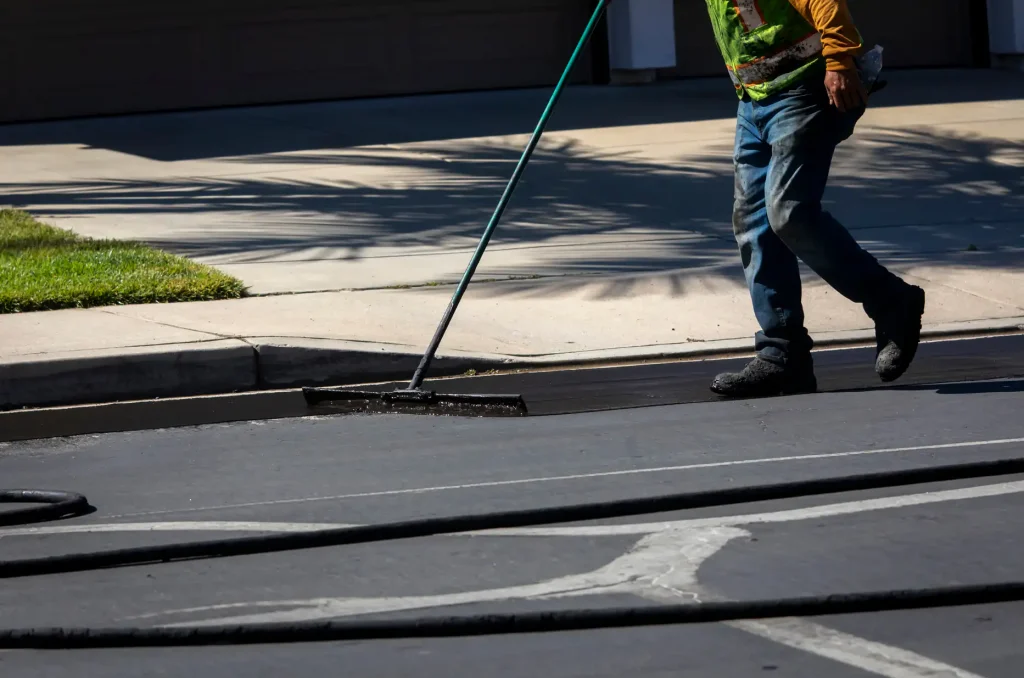
Asphalt’s flexibility is its superpower in climates like Sussex County. When temperatures drop and the ground beneath your driveway contracts, asphalt can bend slightly without cracking. When summer heat arrives, it expands without breaking apart.
This matters more than you might think. North Jersey experiences about 40% more freeze-thaw cycles than Central or South Jersey. Water seeps into tiny surface cracks during the day, then freezes overnight. Ice expands with enough force to split rock—and definitely enough to crack rigid pavement. Asphalt’s ability to flex with these movements means it’s less likely to develop the kind of structural cracks that destroy a driveway.
That said, this flexibility comes with trade-offs. Asphalt can develop ruts or indentations under heavy vehicles during extreme heat. It softens when temperatures climb into the 90s, especially if you park a heavy truck in the same spot repeatedly. The dark surface that helps melt snow in winter also absorbs heat in summer, making it more susceptible to heat-related damage.
The material also changes over time. Asphalt oxidizes when exposed to UV rays and oxygen, gradually becoming more brittle. This is why sealcoating every few years is essential—it protects the surface and maintains that flexibility that makes asphalt work well in our climate. Without proper maintenance, asphalt loses its primary strength advantage and starts cracking just like concrete would.
Proper installation makes a huge difference too. High-grade hot mix asphalt applied at the correct temperature, over a well-compacted base, will perform dramatically better than cheap asphalt thrown down over poor prep work. The flexibility only helps if the foundation underneath can support it.
Concrete's Rigid Strength and Weather Resistance
Concrete takes the opposite approach to strength. Instead of flexing with ground movement and temperature changes, it resists them through sheer rigidity. A properly installed concrete driveway is essentially a slab of manufactured stone sitting on your property.
This rigidity gives concrete some real advantages. It won’t develop ruts or soft spots during heat waves. Heavy vehicles can park in the same location for years without leaving impressions. The surface stays smooth and level as long as the slab remains intact. For properties with heavy equipment, RVs, or commercial vehicles, concrete’s compressive strength of 4,000 to 6,000 PSI provides confidence that the surface won’t deform under load.
Concrete also resists UV damage and oxidation better than asphalt. While asphalt gradually breaks down from sun exposure, concrete maintains its structural integrity for decades with minimal surface treatment. This is why you see concrete driveways that are 30 or 40 years old still functioning—the material itself doesn’t degrade the way asphalt does.
But that rigidity creates vulnerability in our climate. Concrete can’t bend with freeze-thaw cycles. When the ground beneath a concrete slab heaves from frost or settles from thaw, the concrete has to move with it or crack. And concrete cracks. Not might crack—will crack. The question is when and how severely.
This is why you see control joints cut into concrete driveways—those lines every few feet. Contractors cut them intentionally to control where cracks form. The slab will crack anyway, but the joints encourage it to crack along predetermined lines instead of random patterns across the middle. Even with these joints, concrete in freeze-thaw climates develops additional cracks over time.
Road salt and deicing chemicals pose another challenge. These chemicals can cause surface scaling and spalling on concrete, eating away at the top layer and creating a rough, pitted appearance. The damage isn’t just cosmetic—it weakens the surface and allows more water penetration, accelerating freeze-thaw damage.
When concrete does crack or get damaged, repairs are complicated and expensive. You can’t just patch a section and have it blend in. The repair will always be visible, and often the only real solution is replacing entire sections or the whole driveway. This is where concrete’s long lifespan gets tested—yes, it can last 40+ years, but only if you’re willing to live with the cracks and patches that develop along the way.
Want live answers?
Connect with a Platinum Paving expert for fast, friendly support.
Asphalt Versus Concrete: Strength and Durability Analysis
Durability and strength aren’t the same thing, and this is where the paving vs concrete decision gets more nuanced. A material can be strong in a lab but not durable in real-world conditions. What matters for your driveway is how these materials hold up through years of use in Sussex County weather.
Asphalt typically lasts 20 to 30 years in North Jersey with proper maintenance. That maintenance isn’t optional—it’s part of the deal. Sealcoating every two to three years protects the surface and extends its life. Skip the maintenance, and you’re looking at 10 to 15 years before you need replacement.
Concrete can last 30 to 50 years, sometimes longer. It doesn’t require the same regular maintenance as asphalt. But when it does need work—when cracks spread or sections settle—the repairs are more involved and more expensive. You’re trading regular small maintenance costs for infrequent large repair costs.
Climate Performance in North Jersey Conditions
Sussex County throws everything at your driveway. Freezing temperatures, snow, ice, road salt, temperature swings, summer heat, heavy rain, and UV exposure. How each material responds to this combination determines its real-world strength.
Asphalt handles freeze-thaw cycles better because of its flexibility. When water gets into small cracks and freezes, the material can expand slightly to accommodate the pressure instead of fracturing. The dark surface also melts snow and ice faster than concrete, reducing the amount of time water sits on the surface looking for cracks to infiltrate. Less standing water means less freeze-thaw damage over time.
Winter maintenance is easier with asphalt too. You can use metal snow shovels and plows without worrying about damaging the surface. Salt and deicing chemicals don’t cause the same scaling issues they do with concrete. The material is more forgiving of the aggressive winter treatment that driveways in our area require.
But summer heat tests asphalt’s limits. During heat waves when pavement temperatures climb above 140 degrees, asphalt softens. Park a heavy vehicle on hot asphalt and you might see indentations. Motorcycle kickstands can punch through. Sharp turns with heavy vehicles can leave marks. This doesn’t mean the asphalt is failing—it’s just behaving the way the material naturally behaves at high temperatures—but it’s something to be aware of.
Concrete stays rigid through summer heat. No softening, no ruts, no impressions. The light color also reflects more heat instead of absorbing it, which keeps the surface cooler and more comfortable to walk on barefoot. This is why concrete is often preferred in consistently hot climates.
The freeze-thaw challenge hits concrete harder though. Every winter brings dozens of cycles where temperatures cross the freezing point. Water in cracks freezes, expands with tremendous force, then thaws and allows more water to penetrate deeper. Over years, this creates the spiderweb cracking patterns you see on older concrete driveways. The cracks don’t mean the driveway is about to fail structurally, but they do allow more water infiltration and accelerate deterioration.
Clay soil conditions common in parts of Sussex County add another variable. Clay expands when wet and contracts when dry, creating ground movement that concrete struggles to accommodate. Asphalt’s flexibility handles this movement better. If your property has clay-heavy soil or drainage issues, asphalt typically performs better long-term regardless of its lower PSI rating.
Installation Quality and Long-Term Performance
The strength ratings and material properties only matter if the installation is done correctly. Poor installation will cause either material to fail prematurely, regardless of its theoretical advantages.
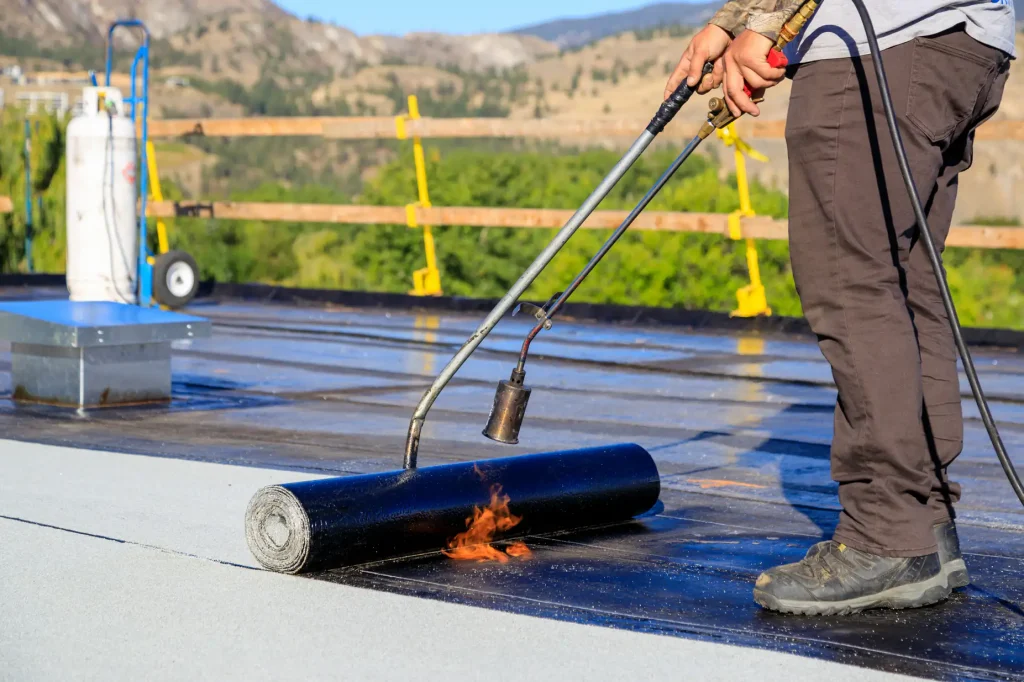
For asphalt, proper installation means excavating to the right depth, installing and compacting a stable aggregate base, and applying hot mix asphalt at the correct temperature. The asphalt needs to be compacted properly while it’s still hot to achieve the density that gives it strength. Corners cut during installation—thin asphalt layers, inadequate base preparation, improper compaction—will show up as failures within a few years.
Base preparation is especially critical. Most asphalt failures aren’t actually asphalt failures—they’re base failures. If the foundation beneath the asphalt isn’t properly compacted and graded for drainage, the asphalt will crack and settle no matter how good the material itself is. A well-prepared base with proper slope allows water to drain away from the pavement structure instead of pooling underneath and causing frost heave or settling.
Concrete installation requires even more precision. The mix needs the right proportions of cement, water, and aggregates. Too much water makes the concrete weaker. Too little makes it difficult to work with and can leave voids. Reinforcement with rebar or wire mesh helps control cracking. Proper curing—keeping the concrete moist for several days after placement—is essential for developing full strength.
The subgrade preparation matters just as much for concrete. The ground underneath needs to be uniform in composition and density. Wet spots or areas with different soil types will cause differential settling, which concrete can’t accommodate. This is why you sometimes see concrete driveways with one section higher than another—the subgrade wasn’t properly prepared.
Both materials benefit from proper drainage design. Water is the enemy of any pavement. If your driveway doesn’t slope away from your house and doesn’t direct water away from the pavement structure, you’re setting up either material for premature failure. Puddles on the surface, water pooling against your foundation, or standing water anywhere near the driveway will accelerate deterioration regardless of whether you chose asphalt or concrete.
Timing matters too. Asphalt needs to be installed when temperatures are warm enough for proper compaction. Concrete needs temperatures above freezing and time to cure before cold weather arrives. Rushing installation outside the proper season or weather window compromises the final product’s strength and durability.
This is where working with experienced local contractors makes a difference. Someone who understands Sussex County conditions, knows how to prepare for clay soils and freeze-thaw cycles, and won’t cut corners on base preparation will deliver a driveway that actually achieves the lifespan and performance the material is capable of.
Making the Right Material Choice for Your Property
The paving vs concrete decision isn’t about which material is objectively stronger. It’s about which strength characteristics match your priorities, your budget, and your property’s specific conditions.
Asphalt offers flexibility that handles freeze-thaw cycles well, faster installation, lower upfront costs, and easier repairs. It requires regular maintenance but rewards that maintenance with decades of reliable performance. Concrete provides rigid strength, longer lifespan, minimal maintenance, and better performance under heavy loads. It costs more initially and repairs are more complex, but you’re not sealcoating every few years.
Both materials can deliver 20+ years of service when installed properly over a well-prepared base. Both will perform well in North Jersey if you understand their characteristics and maintain them appropriately. The “stronger” choice is the one that fits how you’ll actually use your driveway, how long you plan to own your property, and which trade-offs you’re comfortable making.
If you’re still weighing your options and want guidance based on your specific situation, we can help. With expertise in both asphalt and concrete installation across Sussex County, we can assess your property conditions, discuss your priorities, and recommend the material that makes the most sense for your needs—not just what’s easier to sell.