Summary:
Why Local Paving Contractors Understand Somerset County Soil and Weather Better
Somerset County sits on clay-heavy soil that behaves differently than soil in other parts of New Jersey. When contractors from outside the area treat your property like every other paving job, they miss the foundation work that prevents your driveway from sinking or cracking within a few seasons.
Clay soil shifts during freeze-thaw cycles. It doesn’t drain water quickly. It requires specific base preparation depths and aggregate selection that contractors learn from years of working in this exact environment—not from a manual they read once.
North Jersey experiences freeze-thaw cycles 40 to 50 times every winter. Water seeps into small cracks, freezes, expands with up to 30,000 pounds per square inch of pressure, then thaws and contracts. This cycle repeats throughout the season, and if your contractor doesn’t account for it during installation, you’ll see the damage by spring.
How Clay Soil in Somerset County Affects Paving Installation
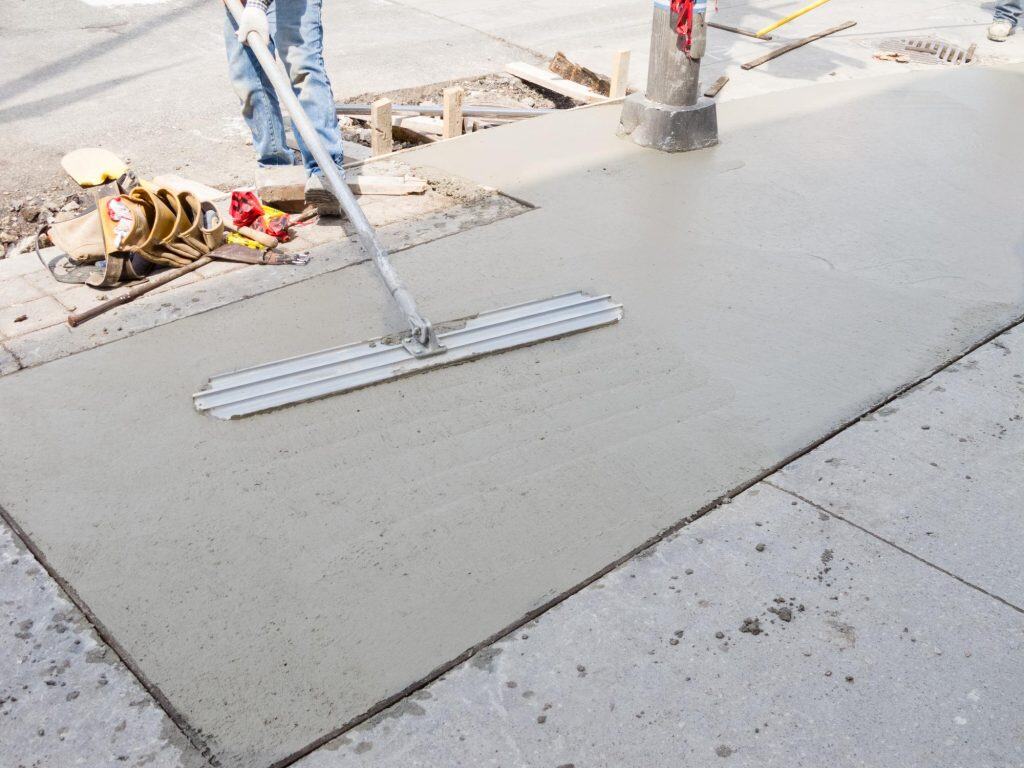
Clay soil doesn’t behave like sandy or loamy soil. It holds water. It expands when wet and contracts when dry. During winter, it freezes and shifts, putting pressure on anything sitting on top of it.
When a paving company doesn’t understand this, they skip critical steps. They don’t excavate deep enough. They don’t compact the base properly. They use aggregate that works in other regions but fails here. The result is pavement that looks fine for six months, then starts showing cracks, dips, or areas where water pools.
Proper base preparation for Somerset County properties means excavating to the right depth based on your specific soil conditions. It means using the correct type and amount of aggregate base material. It means compacting everything to engineering specifications—not just rolling over it a few times and calling it done.
We know this because we’ve seen what happens when it’s done wrong. We’ve been called back to properties where out-of-town crews cut corners. We understand that the work you can’t see—the foundation beneath your driveway or parking lot—determines whether your pavement lasts five years or twenty-five years.
Drainage is the other critical factor. Clay soil in Somerset County doesn’t absorb water quickly, so if your contractor doesn’t plan for where that water goes, it sits on or under your pavement. Water accelerates deterioration. It seeps into small cracks, freezes, expands, and turns minor issues into major structural problems.
As a local paving company, we factor in Somerset County’s significant rainfall and design drainage solutions that actually work for your property. We understand how water moves through your specific area. We know the stormwater management requirements that vary between townships. We build pavement that sheds water quickly instead of holding it.
This isn’t something you can fake with good marketing or low prices. It’s knowledge that comes from working in Somerset County year after year, learning what works and what fails, and building a reputation on results that last.
What Freeze-Thaw Cycles Mean for Your Driveway or Parking Lot
Freeze-thaw cycles are the biggest threat to pavement in Somerset County. Most property owners don’t think about them until they’re staring at cracks and potholes that seemingly appeared overnight.
Here’s what actually happens: Water gets into small cracks in your pavement—cracks you might not even notice. When temperatures drop below freezing, that water turns to ice and expands by about nine percent. The pressure from that expansion can reach 30,000 pounds per square inch. That’s enough force to break apart asphalt and concrete.
When temperatures rise again, the ice melts and the pavement contracts. But the damage is done. The crack is now bigger. More water gets in. The cycle repeats. What started as a hairline crack becomes a pothole within a single winter.
North Jersey experiences this cycle 40 to 50 times every year. That’s 40 to 50 opportunities for your pavement to fail if it wasn’t installed correctly. Somerset County sees everything from heavy spring rains to temperature swings that can go from below freezing at night to above freezing during the day.
Contractors who don’t work in this area regularly don’t account for this. They use asphalt mixes that work in milder climates. They don’t ensure proper compaction that prevents water infiltration. They don’t pay attention to the small details that determine whether your pavement survives its first winter intact.
As a local paving company in Somerset County, we use materials designed for these conditions. We know which asphalt mixes perform best when temperatures swing wildly. We understand proper compaction methods that create dense, water-resistant surfaces. We build pavement that handles the stress of constant expansion and contraction without falling apart.
The dark color of asphalt actually helps in winter—it absorbs heat from the sun and melts snow and ice faster than concrete. But only if the asphalt was installed correctly in the first place. Poorly installed asphalt becomes soft and prone to damage during hot summer months, then cracks during freeze-thaw cycles in winter.
Your contractor’s experience with Somerset County weather patterns directly impacts how long your pavement lasts. Local knowledge means we’ve seen what happens during the worst winters. We’ve learned which installation techniques prevent premature failure. We build pavement that performs well year after year, not just during the first season.
Want live answers?
Connect with a Platinum Paving expert for fast, friendly support.
Faster Response Times and Better Service from Local Paving Companies
When something goes wrong with your pavement, response time matters. A pothole in your parking lot becomes a liability. A crack that’s letting water underneath your driveway gets worse every day. Faded striping in your commercial lot creates confusion and safety issues.
As a local paving company, we can respond quickly because we’re nearby. We know the area. We can visit your property within days, not weeks. We understand that your time matters and that delays cost you money or create safety risks.
Out-of-town contractors often take weeks to return for small repairs or maintenance issues. They’re juggling jobs across multiple regions. Your property isn’t a priority because they’re not invested in the local community. That delay turns small problems into major expenses.
Why Local Reputation and Accountability Matter for Your Paving Project
We live and work in the same community as our customers. We shop at the same stores. We drive past our completed projects every day. Our reputation depends on doing quality work because word spreads quickly in local business networks.
When you hire a family-owned, local paving contractor , you get direct owner involvement. You’re not dealing with a regional manager who’s never seen your property. You’re working with people who have a personal stake in the outcome because our name is on the work.
This accountability matters more than most property owners realize. As a local contractor, we can’t afford poor workmanship. We can’t disappear after installation problems arise. We can’t ignore your calls or delay service because we know our reputation is on the line with every project.
You also get the benefit of long-term relationships. When you need maintenance, sealcoating, or repairs down the road, you’re calling someone who already knows your property. We understand your pavement’s history. We can create a maintenance schedule that makes sense for your specific situation.
Compare that to working with a large company from outside the area. They might offer a lower price upfront, but what happens when you need service two years later? Are they still operating in your area? Will they remember your project? Can you reach someone who actually cares about making things right?
We provide the kind of service and accountability that comes from being part of the community. We stand behind our work because our business depends on satisfied customers who refer their neighbors and colleagues.
How Local Paving Companies Navigate Somerset County Permits and Regulations
Every township in Somerset County has its own permit requirements, inspection protocols, and approval processes. What’s required in Somerville might be different from what’s required in Bridgewater or Bernardsville. Miss these requirements and your project can be shut down, leaving you with legal complications and expensive remediation.
As a local paving company, we maintain relationships with municipal officials. We understand the paperwork. We know how to get projects approved quickly without delays that cost you time and money. We’re familiar with local building codes and can navigate the permit process efficiently.
Permits aren’t just about following rules—they ensure your project meets safety, environmental, and structural standards. A typical permit review looks at proper grading and drainage to prevent flooding, material specifications like asphalt thickness, setbacks and property lines, driveway apron requirements for connections to public roads, and stormwater management regulations for larger projects.
Whether you need a permit depends on the scope of your project. Simple maintenance like crack filling and sealcoating typically doesn’t require permits. But repaving, widening, replacement, or new installation usually does. The rules vary by municipality, and checking with local authorities is essential.
We know which projects trigger permit requirements. We understand stormwater management regulations that affect drainage design—regulations that vary between townships and counties throughout Somerset County. We factor these requirements into our planning from the beginning instead of discovering them midway through your project.
Some areas have special considerations. Properties near wetlands, coastal regions, or floodplains face stricter regulations. Projects that impact bodies of water or change drainage patterns require additional approvals. As a local paving company, we know how to identify these issues before they become problems.
Getting permits right protects you legally and ensures your project meets standards that prevent future issues. Different projects require different permits, and requirements change based on factors like wetland proximity, drainage impact, and project scope. Missing these details can result in fines, stop-work orders, and the need to remove completed work.
When you work with us, we handle the permit process for you. We know what documentation is needed. We understand township-specific requirements. We can get your project approved without the delays and confusion that come from working with contractors who aren’t familiar with local regulations.
This expertise saves you time and headaches. It ensures your project moves forward smoothly. And it gives you confidence that the work is being done correctly from both a technical and legal standpoint.
Making the Right Choice for Your Somerset County Paving Project
Choosing a paving company based solely on price is a gamble that rarely pays off. The lowest bid often comes from contractors who cut corners on base preparation, use inferior materials, or don’t understand Somerset County’s soil and weather challenges.
Local knowledge translates to pavement that lasts. It means working with contractors who understand clay soil conditions, freeze-thaw cycles, drainage requirements, and municipal regulations. It means faster response times when you need service and accountability from people who live and work in your community.
When you’re ready to move forward with your paving project, look for a local company with a proven track record in Somerset County. Ask about their experience with local soil conditions and weather patterns. Confirm they’re licensed and insured. Check that they understand permit requirements for your specific township.
Your pavement is an investment in your property. Make sure you’re working with a contractor who has the expertise to protect that investment. We’ve been serving Somerset County property owners for over 20 years with the local knowledge and quality workmanship that creates results you can count on.