Summary:
That new driveway came with a warranty. You probably have the paperwork somewhere in a drawer. What you might not have is the maintenance schedule that keeps that warranty valid.
Most asphalt warranties require sealcoating within the first year, then every two years after that. Miss those windows and the warranty voids. When cracks show up three years later, you’re covering the repairs yourself.
In Sussex County, NJ, where winters hit hard and freeze-thaw cycles happen dozens of times each season, this matters more than you think. Here’s what actually protects your investment.
Driveway Sealing Requirements That Void Your Warranty
Your asphalt warranty isn’t automatic protection. It’s conditional. The conditions usually involve maintenance you need to perform on a schedule.
Most manufacturers require sealcoating within 12 months of installation. After that, you’re looking at resealing every two to three years depending on climate and traffic. Skip it and the warranty disappears.
The problem? Nobody explains this upfront. Contractors finish the job, hand you paperwork, and move on. You assume the driveway is covered. Then year four rolls around, cracks appear, and you discover the warranty expired because you didn’t maintain the surface properly.
Asphalt Sealing Timeline for New Driveways
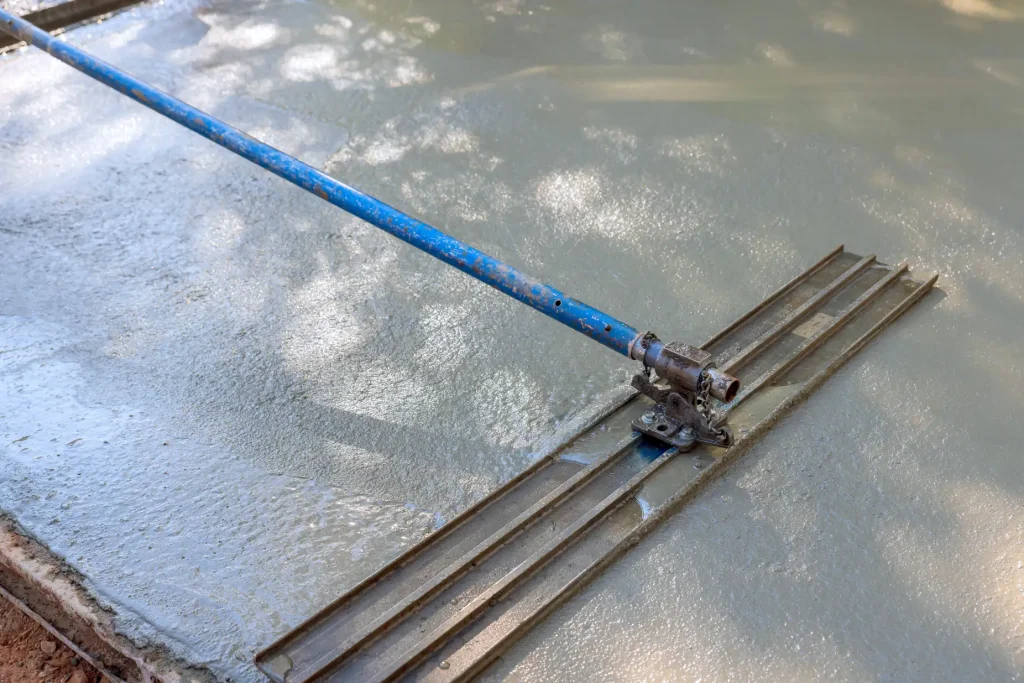
New asphalt needs time to cure before you can seal it. The oils in fresh asphalt have to evaporate and the surface needs to harden. Rush the process and the sealer won’t bond correctly.
Wait six to twelve months after installation before applying the first coat. Some contractors recommend waiting closer to a year, especially if your driveway was paved in late fall. The curing process slows down in cold weather.
During that first year, your driveway will look darker and feel slightly soft in hot weather. That’s normal. The surface is still releasing oils and settling into its final form.
Once you hit that 6-12 month window, schedule the first sealcoating. This creates the protective barrier that your warranty requires. Mark your calendar because this first application matters more than most people realize.
After the initial seal, you’re on a maintenance schedule. For residential driveways in Sussex County, NJ, that means resealing every two to three years. The harsh winters here push you toward the two-year mark rather than three.
Commercial properties with heavier traffic need attention every one to two years. The constant vehicle weight and turning movements wear through the protective layer faster than residential use.
Your warranty paperwork should specify the exact schedule. If it says every two years, that’s not a suggestion. Miss year four and the coverage ends. When problems develop in year five, you’re paying out of pocket for repairs that would have been covered if you’d followed the schedule.
Temperature matters too. Sealcoating needs to happen when temperatures stay consistently above 50°F, typically late spring through early fall in North New Jersey. The material won’t cure properly in cold weather, which means the application fails and your warranty requirement isn’t actually met even though you paid for the work.
What Happens When You Miss the Maintenance Window
Warranties aren’t forgiving. They’re contracts with specific terms. When you don’t meet those terms, the coverage ends. No exceptions, no grace periods.
Say your warranty requires sealcoating every two years. You seal at year two, but then life gets busy. Year four passes without attention. By year five, when cracks start spreading across your driveway, you call the contractor expecting warranty coverage.
They pull up your records. No sealcoating at year four. Warranty void. The repairs you thought were covered? You’re paying full price.
This happens constantly in Sussex County, NJ. Homeowners assume their driveway is fine because it looks okay. Meanwhile, water is working into tiny surface cracks you can barely see. Winter hits, that water freezes and expands, and the damage multiplies under the surface.
By the time visible problems appear, the underlying structure has deteriorated significantly. What started as a $400 sealcoating requirement becomes a $3,000 repair job. And because you missed the maintenance schedule, your warranty won’t cover any of it.
The freeze-thaw cycle in this area makes the timeline even less forgiving. Ice expands with enough force to crack rock. Your asphalt doesn’t stand a chance once water penetrates the surface. Properties near Lake Hopatcong see this effect amplified because temperature swings happen more frequently near the water.
One freeze-thaw cycle won’t destroy your driveway. Dozens of them over a single winter will. That’s why the two-year maintenance schedule exists. The protective seal prevents water from getting into those hairline cracks in the first place.
Skip the seal and water infiltrates. Freeze-thaw does its work. Cracks widen. More water gets in. The cycle accelerates. By spring, you’re looking at damage that could have been prevented with a $500 sealcoating job the previous fall.
Insurance won’t help either. This isn’t sudden damage from a storm or accident. It’s maintenance neglect, which policies specifically exclude. You’re covering the full cost of repairs or replacement.
Want live answers?
Connect with a Platinum Paving expert for fast, friendly support.
Cost of Asphalt Sealing vs. Replacement in Sussex County
Professional driveway sealcoating in Sussex County, NJ runs $250 to $600 for most residential driveways. That breaks down to roughly 25 to 50 cents per square foot depending on size and condition.
Full asphalt replacement costs $8 to $15 per square foot. For a standard two-car driveway of 600 square feet, you’re looking at $4,800 to $9,000 minimum. Compare that to $300 for preventive sealcoating every two years.
The math makes the decision obvious. Spend $300 now or $7,000 later. Yet homeowners skip the maintenance constantly, usually because they don’t understand what’s at stake or they’re trying to save money in the short term.
Sealing Blacktop Driveway Cost Breakdown
Professional sealcoating costs vary based on several factors. Driveway size matters most. Larger areas cost more in total but less per square foot because contractors spread their mobilization costs across more work.
A 400 square foot driveway typically runs $150 to $200. A 600 square foot driveway costs $210 to $300. Once you get above 1,000 square feet, you’re looking at $350 to $500 depending on condition and access.
Condition affects pricing significantly. If your driveway has extensive cracking, contractors need to fill those cracks before sealing. Crack filling adds $0.35 to $0.40 per square foot to your total cost.
Surface preparation also impacts the final bill. Driveways covered in oil stains, dirt, or vegetation require extra cleaning. Some contractors include this in their base price. Others charge separately, adding $0.27 to $0.39 per square foot for power washing.
Access matters too. If your driveway is difficult to reach or requires equipment to navigate tight spaces, expect higher labor costs. Sloped driveways take longer to seal properly because the material wants to run downhill during application.
Most contractors have minimum charges regardless of driveway size. Even if you only need 200 square feet sealed, you’ll likely pay $200 to $250 minimum to cover the contractor’s time and mobilization costs.
The type of sealer affects pricing as well. Basic asphalt emulsion sealers cost less but don’t last as long. Polymer-modified sealers cost more upfront but provide better protection and durability, especially in harsh climates like Sussex County, NJ.
Commercial-grade sealers used by professional contractors aren’t available at retail stores. These products contain additives that improve flexibility, UV resistance, and bonding strength. They cost more per gallon but deliver significantly better performance than DIY products.
Application method influences quality and cost. Hand-brushing takes longer but provides more even coverage and better penetration into surface voids. Spraying goes faster but can leave thin spots and overspray. Most reputable contractors use hand-brushing for residential driveways.
Seal Coat Driveway Cost: DIY vs. Professional Comparison
DIY sealcoating looks cheaper on paper. You can buy materials for $50 to $200 depending on driveway size. A 600 square foot driveway needs about 10 to 15 gallons of sealer, which costs $60 to $110 at retail stores.
Professional service for that same driveway costs $150 to $300. The upfront difference seems significant. Save $100 to $200 by doing it yourself. That’s the calculation most homeowners make.
The problem shows up in the results. DIY applications typically last one to two years before needing reapplication. Professional work lasts three to five years when done correctly.
Run the numbers over ten years. DIY requires five to ten applications at $75 to $100 each time. That’s $375 to $1,000 in materials alone, plus your time and labor for each application. Professional service needs two to three applications over the same period, costing $300 to $900 total.
The professional route often costs less long-term while delivering better protection. You also avoid the physical labor, equipment rental, and potential mistakes that come with DIY work.
Quality differences matter more than cost differences. Store-bought sealers are formulated to sit on shelves for months without separating. That stability comes at the expense of performance. The additives that make retail sealers shelf-stable reduce their protective capabilities once applied.
Professional contractors use commercial-grade materials that aren’t available to homeowners. These products contain higher concentrations of asphalt or coal tar, better sand fillers for traction, and polymer modifiers that improve flexibility and durability.
Application technique affects longevity as much as material quality. Professionals know how to prep the surface correctly, fill cracks properly, and apply the sealer at the right thickness. They understand how weather conditions affect curing and when to avoid application.
DIY jobs frequently fail because homeowners skip critical preparation steps. They don’t clean the surface thoroughly enough. They miss oil stains that prevent bonding. They apply sealer too thick in some spots and too thin in others. The result looks decent initially but fails within a year or two.
Your time has value too. A professional crew completes the job in a few hours. DIY sealcoating takes most homeowners a full day or two when you factor in preparation, application, and cleanup. That’s time you could spend on other priorities.
Driveway Sealing Contractors: How to Avoid Scams
Sealcoating scams run rampant in suburban New Jersey. Traveling crews move through neighborhoods offering deals that sound too good to pass up. They target homeowners who don’t understand the industry or what legitimate service should cost.
The most common scam involves “leftover material.” A contractor knocks on your door claiming they just finished a job nearby and have extra sealer. Rather than waste it, they’ll seal your driveway at a discount. You need to decide now though, because they’re leaving the area today.
This is almost always a scam. Reputable contractors don’t have significant leftover material. They calculate quantities carefully and any excess can be stored for future jobs. The “leftover material” pitch is a high-pressure sales tactic designed to prevent you from checking references or getting competing quotes.