Summary:
You’re standing in your driveway looking at cracks that weren’t there last year, or maybe you’re building new and trying to figure out which material makes sense. Either way, you’ve got questions about asphalt vs concrete paving—and you need answers that account for Sussex County winters, your budget, and what happens when you eventually sell.
Here’s what matters: the material you choose affects your property value, how much you’ll spend over the next 20 years, and whether you’ll be dealing with expensive repairs after every freeze-thaw cycle. Some materials handle North Jersey weather better than others. Some cost less upfront but more long-term. And yes, buyers notice the difference.
Let’s walk through what actually matters when you’re choosing between asphalt pavement vs concrete pavement for your property.
Asphalt Pavement vs Concrete Pavement: What You're Actually Comparing
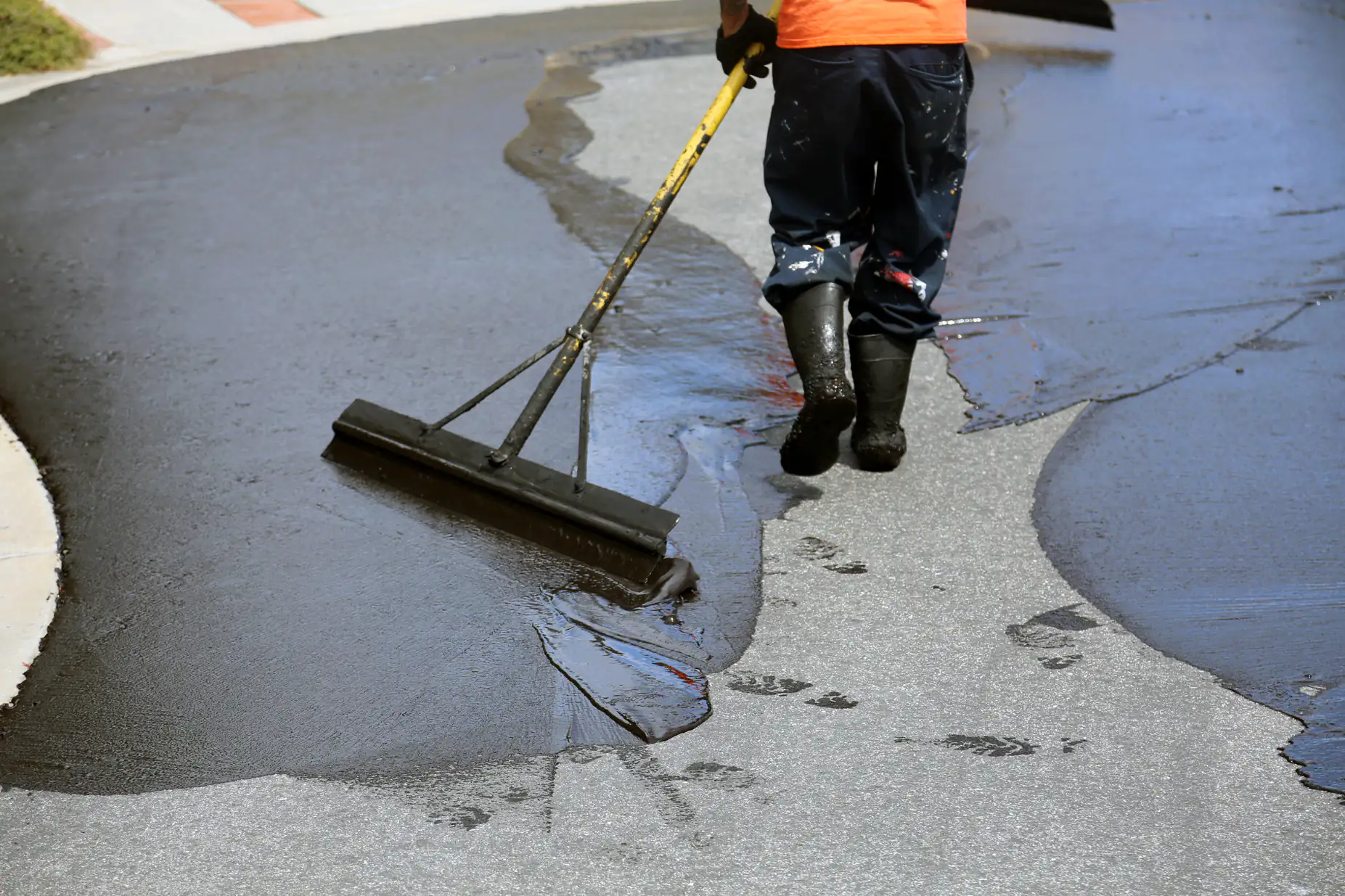
When you’re looking at asphalt vs concrete paving, you’re comparing two fundamentally different materials. Asphalt is petroleum-based—flexible, dark, and designed to move slightly with temperature changes. Concrete is cement-based—rigid, lighter in color, and built for long-term durability without much give.
That difference matters more than you might think, especially in Sussex County. Your driveway faces temperature swings from 18°F in January to 83°F in July, plus 38 inches of snow annually and constant freeze-thaw cycles. Materials that work great in Florida or Arizona don’t always hold up here.
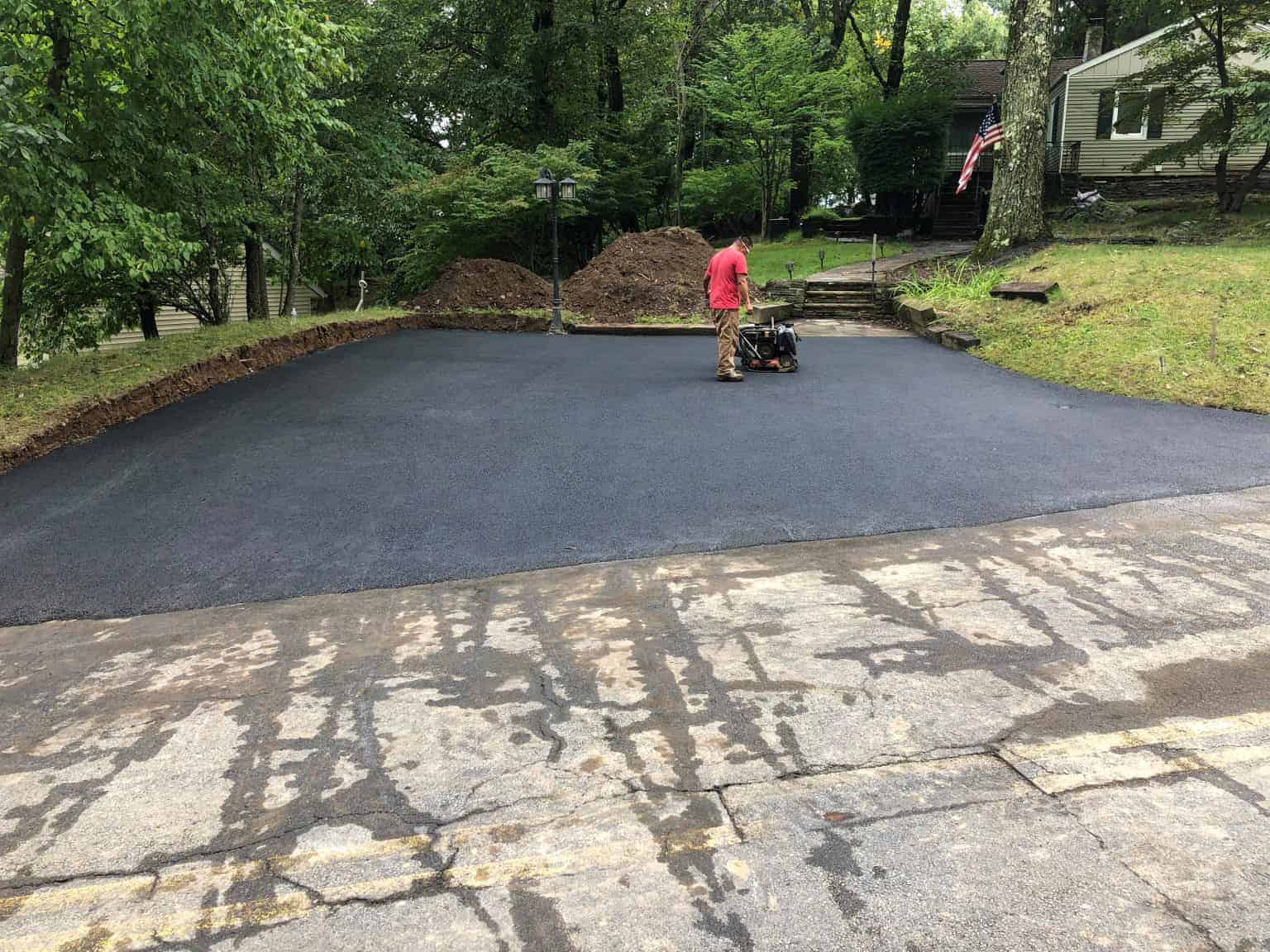
Asphalt typically costs less upfront—around $5 to $8 per square foot installed. Concrete runs $7 to $13 per square foot for basic installation. For a standard 600-square-foot driveway, you’re looking at $3,000 to $4,800 for asphalt versus $4,200 to $7,800 for concrete before you factor in maintenance.
Which Is Better Asphalt or Concrete for North Jersey Weather
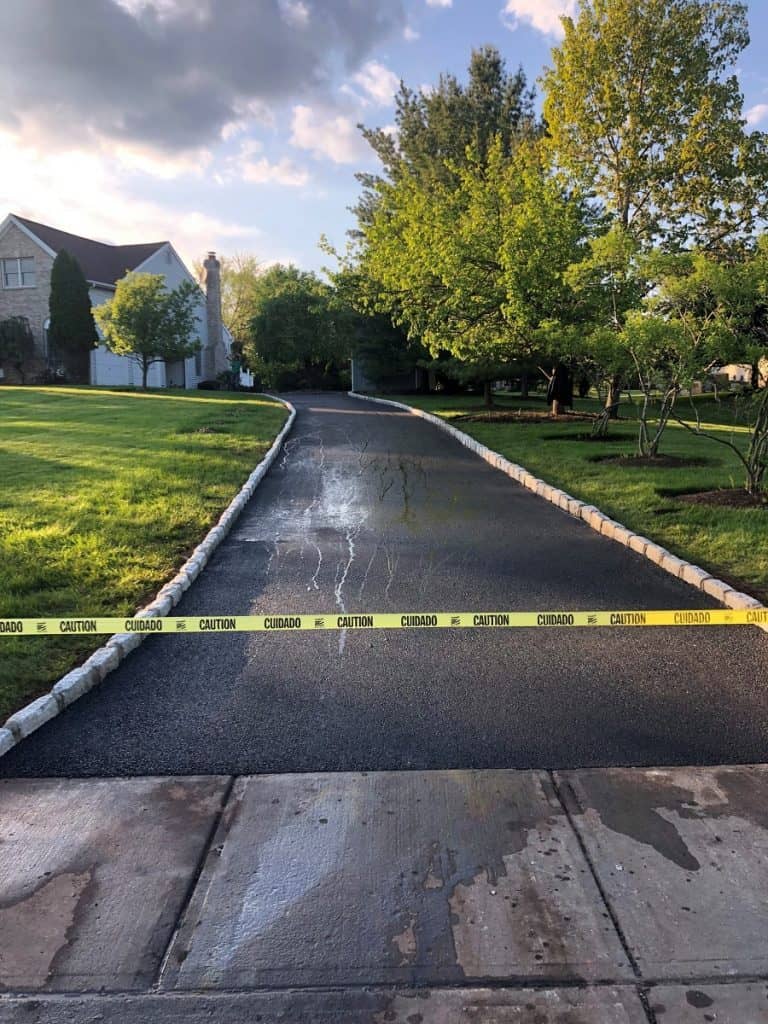
Sussex County weather doesn’t play favorites. Your driveway gets hammered by winter storms, road salt, snowplow scraping, and those brutal freeze-thaw cycles that happen when temperatures hover around freezing. Water seeps into small cracks during the day, freezes overnight, and expands with enough force to split rock—let alone pavement.
Asphalt handles this better than concrete in most cases. The flexibility in asphalt allows it to expand and contract with temperature changes without cracking as easily. When water freezes in asphalt, the material has some give. Concrete is rigid, so that same expansion creates stress that leads to cracks.
Here’s the practical difference: asphalt driveways near Lake Hopatcong and throughout Sussex County regularly last 20 to 30 years with proper maintenance. Concrete can last longer—30 to 50 years—but it’s more likely to develop cracks during harsh winters, and those repairs cost significantly more.
The dark surface of asphalt also melts snow faster than concrete. That’s not just convenient—it means less time with water sitting on your driveway, which reduces freeze-thaw damage over time. You’ll spend less time shoveling and dealing with ice buildup.
Road salt is another factor. While salt isn’t great for any pavement, concrete is particularly vulnerable to salt corrosion and surface spalling. That’s the flaking and chipping you see on older concrete driveways after years of winter salt exposure. Asphalt handles salt better, though you should still seal it regularly for protection.
Summer heat affects both materials differently. Asphalt can soften during extreme heat waves, which means heavy vehicles might leave slight indentations. Concrete stays solid but absorbs and retains heat, making it uncomfortably hot to walk on barefoot. Neither is perfect, but for Sussex County’s climate, asphalt’s flexibility gives it an edge during the weather extremes that matter most here.
Difference Between Asphalt and Concrete Driveway Maintenance Costs
The sticker price only tells part of the story. What you’ll actually spend over 20 years includes maintenance, repairs, and eventually resurfacing or replacement. This is where the difference between asphalt and concrete driveway costs gets interesting.
Asphalt requires sealcoating every two to three years. That’s a $150 to $300 job for most residential driveways, and it’s essential for protecting against water damage, UV rays, and oxidation. Skip it, and you’ll see cracks and deterioration much sooner. Over 20 years, you’re looking at six to eight sealcoating applications.
Concrete doesn’t need regular sealing the same way asphalt does, though occasional sealing helps prevent stains and extends lifespan. The maintenance is less frequent, which sounds great until you need repairs.
When asphalt cracks, repairs are straightforward and affordable. You can patch cracks, fill potholes, and even resurface the entire driveway for a fraction of replacement cost. The repairs blend in well, so your driveway looks uniform. Asphalt is also one of the most recycled materials in America, which makes resurfacing more economical.
Concrete repairs are a different story. Matching the color and texture of existing concrete is difficult, so repairs often stand out. When concrete cracks, fixing it properly usually costs more than comparable asphalt repairs—sometimes 30% to 40% more. And if you need to replace sections, you’re looking at significant expense.
Add it all up over 20 years, and the total cost difference shrinks considerably. Asphalt might run $5,000 to $8,300 total including maintenance. Concrete costs $5,400 to $9,800 over the same period. The cheaper upfront option isn’t necessarily the better long-term investment—it depends on how you value convenience, appearance, and whether you plan to stay in your home long enough to see that longevity pay off.
For most Sussex County homeowners, asphalt’s lower repair costs and easier maintenance make it the practical choice. You get reliable performance without the anxiety of expensive crack repairs every time winter does its damage.
Want live answers?
Connect with a Platinum Paving expert for fast, friendly support.
Asphalt vs Concrete Driveway Resale Value: What Buyers Actually Care About
When you sell your home, your driveway affects buyer perception before they even walk through the front door. Curb appeal matters—72% of homebuyers say it influences their first impression, and a well-maintained driveway can increase perceived home value by up to 10%.
The question isn’t just whether to pave, but which material adds more value. A new driveway typically adds $5,000 to $20,000 to your property value, with most homeowners seeing a 50% to 75% return on investment. Homes with paved driveways also sell seven to ten days faster than those with gravel or deteriorated surfaces.
But here’s what buyers actually notice: condition matters more than material. A cracked, stained driveway—whether asphalt or concrete—signals deferred maintenance and creates negative first impressions. Buyers start wondering what else you’ve neglected. Home inspectors will document every crack and crumbling edge, and buyers will ask for repair credits.
A well-maintained asphalt driveway with a fresh sealcoat looks clean, professional, and move-in ready. It tells buyers the property has been cared for. The same goes for concrete that’s been properly maintained without major cracks or staining.
Asphalt vs Concrete Driveway Resale Value in Sussex County
In Sussex County specifically, buyers understand winter weather. They know driveways take a beating, and they’re looking for materials that hold up. That local knowledge affects how they evaluate asphalt vs concrete driveway resale value.
Asphalt is common throughout North Jersey for good reason—it performs well in this climate. Buyers recognize that, and they don’t see asphalt as a downgrade. In neighborhoods where most homes have asphalt driveways, installing concrete might not give you the value boost you expect. You’re simply meeting the standard, not exceeding it.
Concrete can enhance curb appeal in upscale neighborhoods where it’s more common, especially if you opt for decorative finishes like stamped patterns or colored concrete. But in rural Sussex County areas and standard suburban neighborhoods, buyers prioritize function over aesthetics. They want a driveway that won’t crack after one winter, not necessarily the fanciest surface.
The real value comes from professional installation with proper drainage, a solid base, and appropriate material for your specific property. A correctly installed asphalt driveway that handles water runoff and shows no signs of settling or cracking is worth more than a poorly installed concrete driveway with drainage problems.
Realtors consistently report that damaged driveways hurt property values and buyer interest. About 44% of homebuyers identify cracked driveways as major deterrents. The material matters less than the condition and whether it looks like something they’ll need to replace soon.
If you’re preparing to sell, fresh sealcoating on asphalt or professional cleaning and sealing on concrete makes a bigger impact than the material itself. Buyers want to see a surface that looks maintained and won’t require immediate attention. That peace of mind translates directly into offers and final sale price.

How Long-Term Durability Affects Your Property Investment
Property value isn’t just about resale—it’s about protecting your investment for as long as you own your home. The durability difference between asphalt and concrete affects your ongoing property maintenance budget and how much value you retain over time.
Asphalt driveways in Sussex County typically last 15 to 30 years with proper maintenance. That means regular sealcoating, prompt crack repair, and attention to drainage. Do those things, and your driveway performs reliably through decades of freeze-thaw cycles. Neglect maintenance, and you’ll see deterioration much sooner.
Concrete driveways can last 30 to 50 years or more, which sounds impressive until you factor in the higher likelihood of winter cracking and the cost of repairs. A concrete driveway that develops significant cracks at year 15 hasn’t really given you better longevity—it’s given you an expensive repair problem.
The flexibility of asphalt is an advantage for long-term durability in cold climates. When ground shifts slightly or temperatures swing dramatically, asphalt moves with those changes. Concrete doesn’t, which is why you see more cracked concrete driveways in areas with harsh winters.
Proper installation matters more than material choice in many cases. A well-prepared base, correct drainage, and quality materials make any driveway last longer. Poor installation—rushing the base preparation, inadequate drainage, wrong material mix—leads to premature failure regardless of whether you chose asphalt or concrete.
For Sussex County properties, the combination of lower repair costs, easier maintenance, and better performance in freeze-thaw conditions makes asphalt the smart long-term investment for most homeowners. You get reliable durability without the anxiety of expensive concrete crack repairs, and you maintain your property value without constant worry about winter damage.
If you’re in a situation where aesthetics matter more—maybe you’re in an upscale neighborhood where decorative concrete is the norm—then concrete might make sense despite the higher costs. But for the majority of properties, asphalt delivers better value over the full ownership period.
Making the Right Choice for Your Sussex County Property
Choosing between asphalt vs concrete paving comes down to your specific situation—your budget, how long you plan to stay, your neighborhood standards, and how much maintenance you’re willing to handle. Neither material is universally better, but for most Sussex County properties, asphalt offers the best combination of upfront cost, climate performance, and long-term value.
You get a driveway that handles freeze-thaw cycles without constant cracking, costs less to repair when problems do occur, and requires straightforward maintenance that protects your investment. Buyers recognize quality installation regardless of material, and a well-maintained asphalt driveway adds just as much value as concrete in most North Jersey neighborhoods.
What matters most is working with contractors who understand local conditions, use proper installation techniques, and don’t cut corners on base preparation and drainage. Those fundamentals determine whether your driveway lasts 15 years or 30, regardless of the material on top.
If you’re ready to move forward with a driveway that’s built for Sussex County weather and installed to last, we bring over 20 years of local experience to every project. We handle both asphalt and concrete installations with the same attention to proper drainage, base preparation, and quality materials that separate professional work from quick fixes.