Summary:
You’ve got quotes from three contractors. You’ve picked your material. You know exactly what you want your new driveway to look like. Then someone mentions permits, and suddenly you’re wondering what that’s going to cost and how long it’ll take.
Permit costs aren’t the exciting part of a driveway project, but they’re the part that can derail your timeline and budget if you don’t plan for them. Different counties charge different amounts. Some towns add engineering reviews. Others have drainage requirements that weren’t in your original plan.
Here’s what driveway permits actually cost in Sussex, Morris, and Somerset counties—and what else you need to budget for beyond the permit fee itself.
What Driveway Permits Cost Across Sussex, Morris, and Somerset Counties
The permit fee is just one line item, but it’s the starting point for understanding your total regulatory costs.
In Sussex County, you’re looking at $25 to $50 for most residential driveway work if you’re dealing with county roads. Simple repaving or reconstruction of an existing residential driveway runs about $25. New driveway construction typically hits $50. That’s the baseline county fee before you factor in what your specific municipality might add.
Some Sussex County towns layer additional requirements on top of county permits. The Borough of Sussex, for example, charges $150 for the permit itself, then requires an escrow deposit starting at $500 to cover engineering review and inspection costs. That’s a significantly different budget than the $50 you might pay in Jefferson Township or other neighboring communities.
Morris and Somerset counties follow similar patterns. Municipal fees typically land somewhere between $50 and $250 for straightforward residential driveway permits, but that number shifts based on project complexity and local requirements.
How County Permit Fees and Municipal Charges Stack Up
Understanding the difference between county permits and municipal permits matters because you might need both.
If your driveway connects to a county road, you’ll deal with county engineering departments. Sussex County charges $50 for new single-family residential driveway construction. Morris County has similar baseline fees but emphasizes traffic safety requirements for all road entrances and exits, which can trigger additional review costs.
Municipal permits cover work within town boundaries and local right-of-way areas. These fees vary more dramatically than county charges. Jefferson Township keeps it simple at $50 for a driveway permit. Hamilton Township charges $30. Other municipalities in the region might charge $150 to $250 depending on the scope of work and whether engineering plans are required.
The variation comes down to what your specific town requires beyond the basic permit. Some municipalities want detailed site plans showing property boundaries and dimensions. Others require stormwater management plans if your project increases impervious surface coverage. Each additional requirement can add professional fees for surveys, engineering drawings, or environmental assessments.
Projects connecting to state highways face an entirely different fee structure. The New Jersey Department of Transportation charges a $60 application fee plus a $25 permit fee for single-family residential driveways accessing state routes. That’s separate from any county or municipal permits you might also need.
The key is knowing which jurisdiction controls the road your driveway connects to. County road? You need a county permit. Municipal street? You need a town permit. State highway? You’re dealing with NJDOT. Sometimes you need more than one.
The Hidden Costs That Double Your Permit Budget
The permit application fee is rarely your only regulatory cost. Understanding what else you’re paying for prevents budget surprises halfway through the approval process.
Engineering review fees hit harder than most homeowners expect. When municipalities require professional site plans or drainage studies, you’re paying a licensed engineer to prepare those documents. Depending on project complexity, engineering plans can run $500 to $2,000 or more. That’s before the permit fee itself.
Escrow deposits are another common requirement. Some towns require you to deposit funds up front to cover inspection costs and engineering review time. The Borough of Sussex requires a minimum $500 escrow on top of the $150 permit fee. If actual costs exceed the deposit, you pay the difference. If they come in under, you get a refund—eventually.
Survey and plot plan costs apply when you’re expanding your driveway footprint or changing its location. Most municipalities require an updated property survey showing proposed driveway dimensions, setbacks from property lines, and any impact on drainage patterns. If you don’t have a recent survey, expect to pay $400 to $800 for a surveyor to prepare one.
Inspection fees might be built into your permit cost, or they might be separate. Some towns charge per inspection—one for the base preparation, another after paving is complete. Others include all inspections in the initial permit fee. Always ask up front so you’re not surprised when an inspector shows up and hands you another bill.
Timeline costs are harder to quantify but just as real. If permit approval takes three weeks and your contractor has to reschedule because they’re booked on other jobs, you might pay rush fees or lose your original pricing. Busy paving season in New Jersey runs April through October. Delays during that window can push your project into less favorable weather or force you to wait until the following spring.
The total regulatory cost for a straightforward residential driveway project typically runs $200 to $800 when you factor in permits, basic engineering review, and inspections. More complex projects requiring detailed drainage plans, environmental assessments, or variances can easily exceed $2,000 in pre-construction regulatory costs.
Want live answers?
Connect with a Platinum Paving expert for fast, friendly support.
Driveway Installation Services: What Actually Triggers Permit Requirements
Not every driveway project needs a permit. Understanding what triggers the requirement saves you time and helps you plan appropriately.
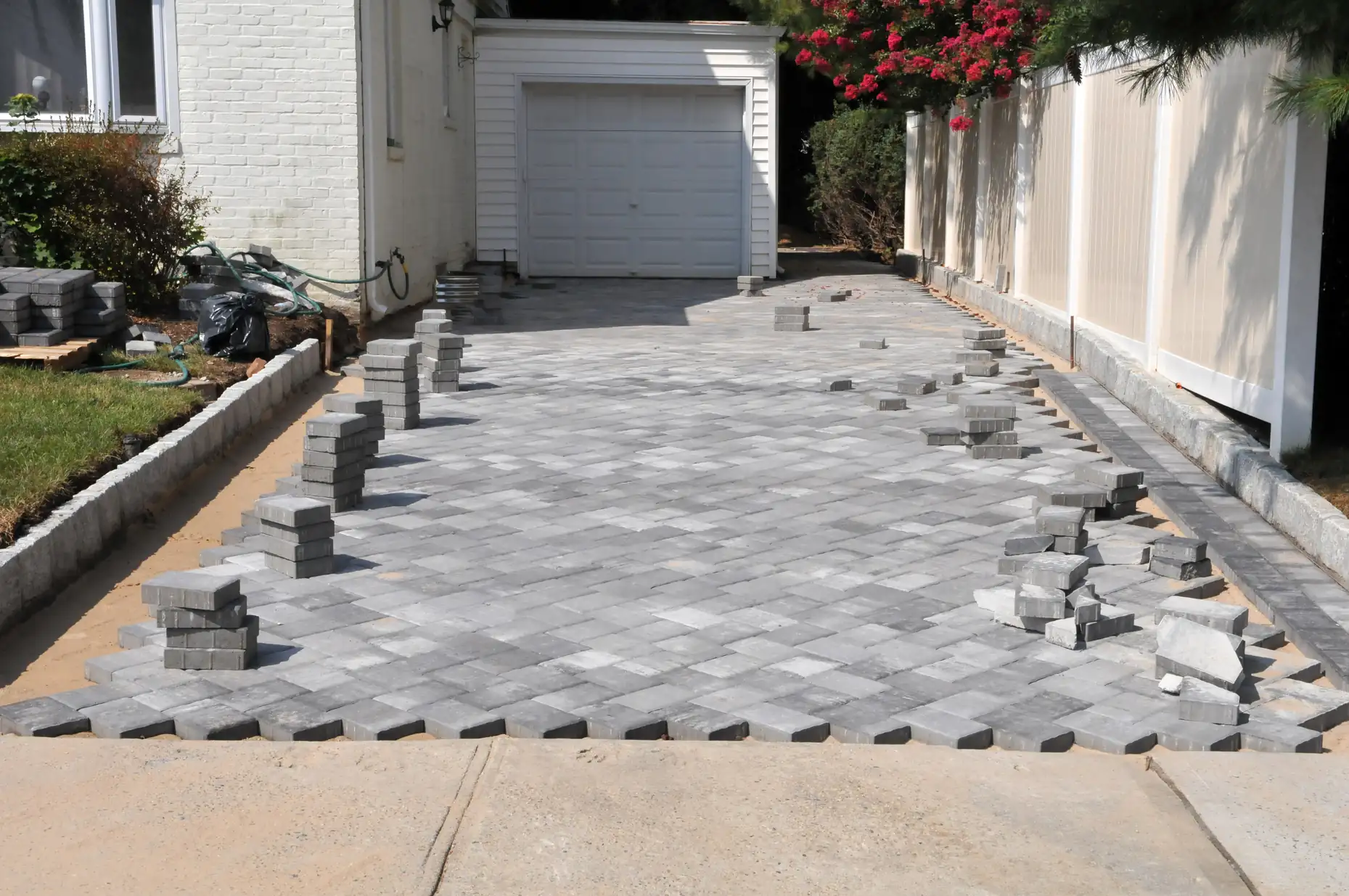
New driveway installation always requires permits. You’re creating a new connection to the public road system, altering drainage patterns, and adding impervious surface to your property. Municipalities need to verify that your driveway meets safety standards, doesn’t create flooding issues for neighbors, and complies with zoning setback requirements.
Complete driveway replacement falls into the same category as new installation for permit purposes. Even though you’re working within an existing footprint, you’re essentially building a new driveway from the ground up. Most towns require permits for full replacement projects.
Widening or expanding an existing driveway triggers permit requirements in most North Jersey municipalities. Changing the footprint means you’re potentially impacting drainage, adding impervious coverage, and altering the connection to the public right-of-way. These changes require municipal review and approval.
When Maintenance Work Doesn't Need a Driveway Permit
Maintenance work typically doesn’t require permits, but the line between maintenance and improvements isn’t always obvious.
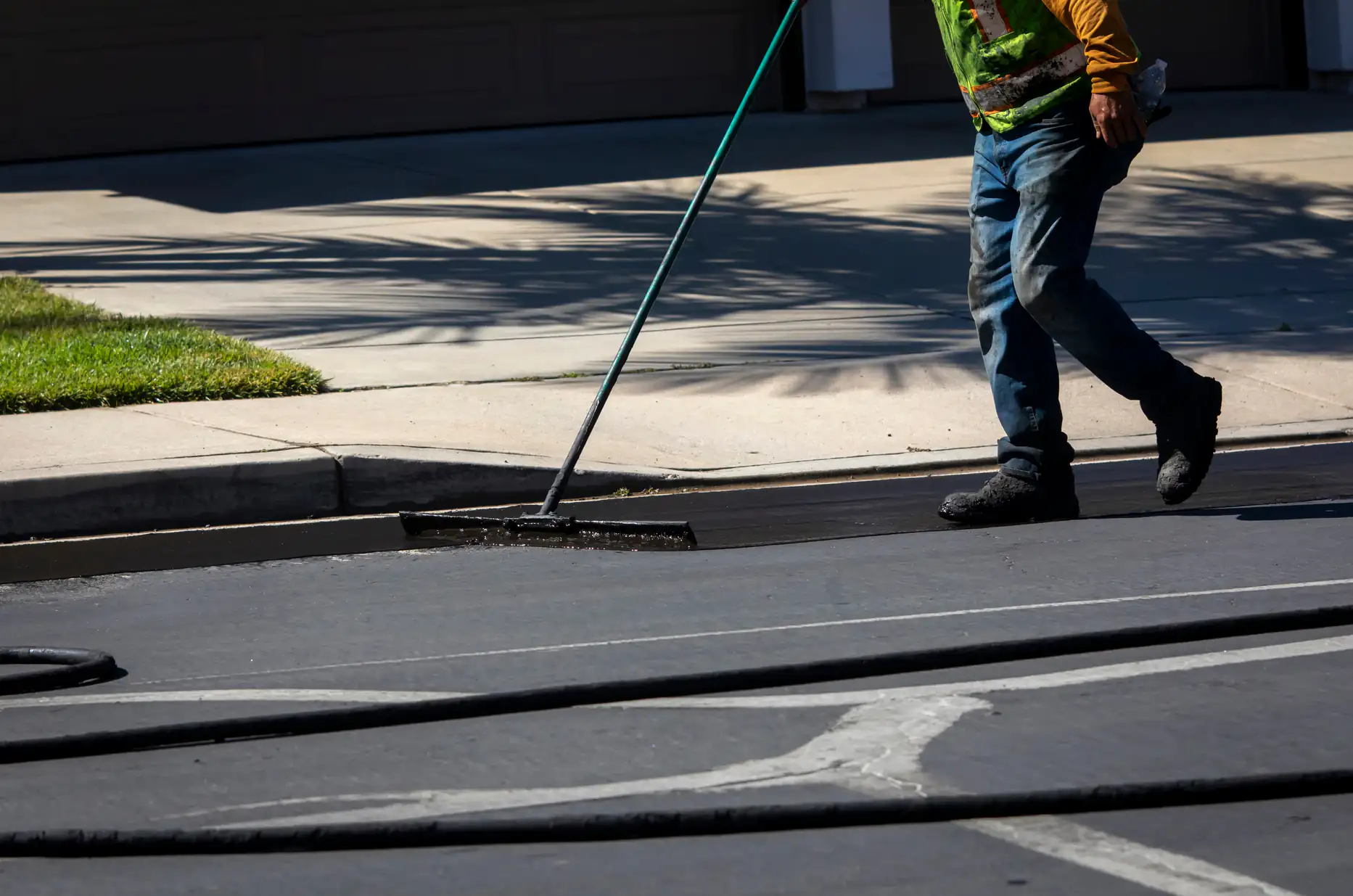
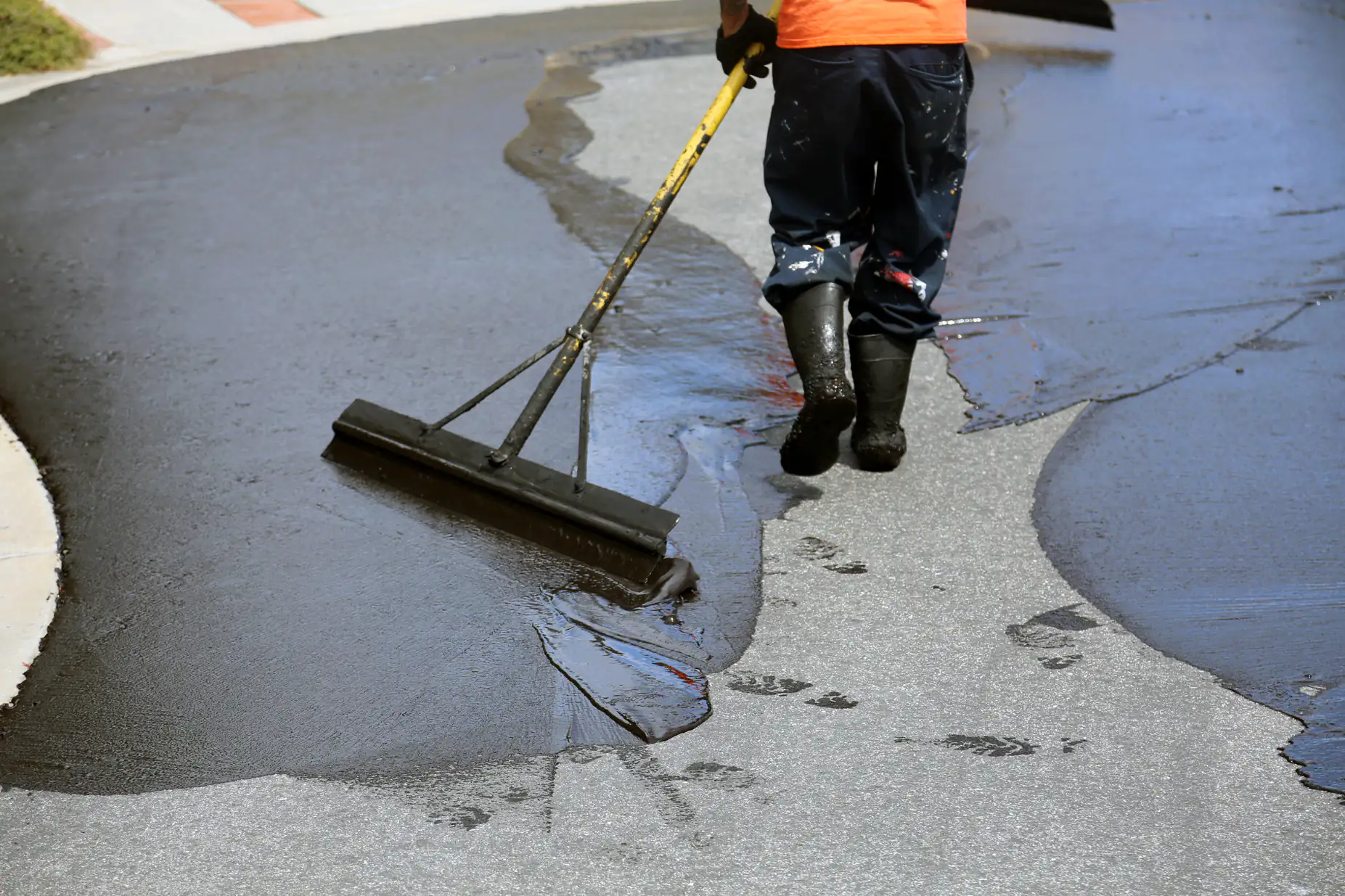
Sealcoating an existing driveway is considered maintenance in most New Jersey municipalities. You’re not changing the footprint, altering drainage, or modifying the structure. You’re applying a protective coating to extend the life of existing pavement. No permit required.
Crack filling and patching fall into the same maintenance category. Fixing deterioration without changing the driveway’s size, shape, or function doesn’t trigger permit requirements. You’re maintaining what’s already there.
Resurfacing occupies a gray area that varies by municipality. Some towns consider resurfacing to be maintenance if you’re staying within the existing footprint and not changing drainage patterns. Others require permits for any resurfacing work because you’re essentially installing a new top layer of pavement.
The distinction matters because assuming you don’t need a permit when your town requires one creates expensive problems. Daily fines for unpermitted work can run indefinitely until you stop work and obtain proper approval. Some municipalities charge double or triple the normal permit fee when you’re applying after work has already started.
The safe approach is to contact your municipal building or engineering department before starting any driveway work beyond simple crack filling. A five-minute phone call clarifies whether you need a permit and prevents costly mistakes.
Driveway Paving Services: How Long Permits Take and What the Process Looks Like
Knowing how long permits take and what the process involves helps you schedule your project realistically.
Most New Jersey municipalities process straightforward residential driveway permits in one to three weeks. That assumes your application is complete, your plans meet requirements, and there are no complications. Busier municipalities or more complex projects can take longer.
The application process starts with gathering documentation. You’ll need a property survey showing existing conditions and proposed driveway location. Site plans showing dimensions, drainage, and grading might be required depending on your municipality. Contractor information including license numbers and insurance documentation is standard.
Submitting your application kicks off the review period. Municipal engineers or building officials review your plans for compliance with local codes. They’re checking setbacks from property lines, driveway width limits, drainage impacts, and whether your project requires additional approvals like zoning variances.
Some applications sail through without questions. Others generate requests for additional information or plan revisions. If the engineer identifies drainage concerns or zoning issues, you’ll need to address those before approval. Each round of revisions adds time to the process.
Permit approval doesn’t mean you’re done with municipal involvement. Most permits require inspections at specific stages of construction. An inspector might need to verify base preparation before you pour asphalt or concrete. Final inspection after completion confirms the work matches approved plans.
Permits are typically valid for one year from the date of issue. If you don’t complete your project within that timeframe, you might need to renew the permit or apply for an extension. Some municipalities charge renewal fees.
The timeline from application to approved permit to completed project with final inspection typically runs four to eight weeks for straightforward residential driveway projects. Complex projects requiring engineering studies, environmental reviews, or variances can stretch to several months.
Working with a contractor who handles permit applications as part of their service eliminates much of this timeline uncertainty. Experienced paving contractors know local requirements, have relationships with municipal officials, and can navigate the process efficiently without the learning curve homeowners face.
Getting Your Driveway Permit Right Without the Headaches
Permit costs in Sussex, Morris, and Somerset counties range from $25 for simple repaving to $500 or more for new installations with engineering requirements. The permit is the small number next to the job itself, and our asphalt driveway cost guide sets out what the paving actually runs in NJ. The permit fee itself is just part of your total regulatory budget—engineering plans, surveys, escrow deposits, and inspection fees can add hundreds or thousands more.
Understanding what triggers permit requirements prevents expensive mistakes. New installation, complete replacement, and expansion projects always need permits. Maintenance like sealcoating typically doesn’t. Resurfacing falls into a gray area that varies by municipality.
The consequences of skipping permits aren’t worth the risk. Daily fines, forced work stoppages, complications during home sales, and potential insurance coverage issues create far more expense and headache than obtaining proper permits from the start.
Most homeowners planning driveway projects want to focus on materials, design, and finding the right contractor—not navigating municipal bureaucracy. Working with a paving company that handles permits as part of their service eliminates the confusion and keeps your project moving forward on schedule. We manage the permit process for clients across Sussex, Morris, and Somerset counties, ensuring compliance without the stress of dealing with multiple municipal departments yourself.