Summary:
Understanding Your Commercial Asphalt Paving Options
When your parking lot starts showing wear, you’ve got three main paths forward: patching, resurfacing, or full replacement. Each one serves a different purpose, and choosing the right option depends on what’s actually happening beneath the surface.
Patching is the most straightforward option. It’s exactly what it sounds like—filling potholes, repairing isolated cracks, and addressing specific problem areas. This works when the damage is localized and your pavement’s foundation is still solid. Resurfacing, also called an overlay, means adding a new layer of asphalt over your existing pavement. It refreshes the surface and extends the life of your lot without tearing everything out. Full replacement involves removing the old asphalt entirely, addressing any base issues, and installing new pavement from the ground up.
The key is knowing which option actually fits your situation. That starts with understanding what each approach can and can’t do.
When Does Asphalt Patching Work for Business Parking Lots
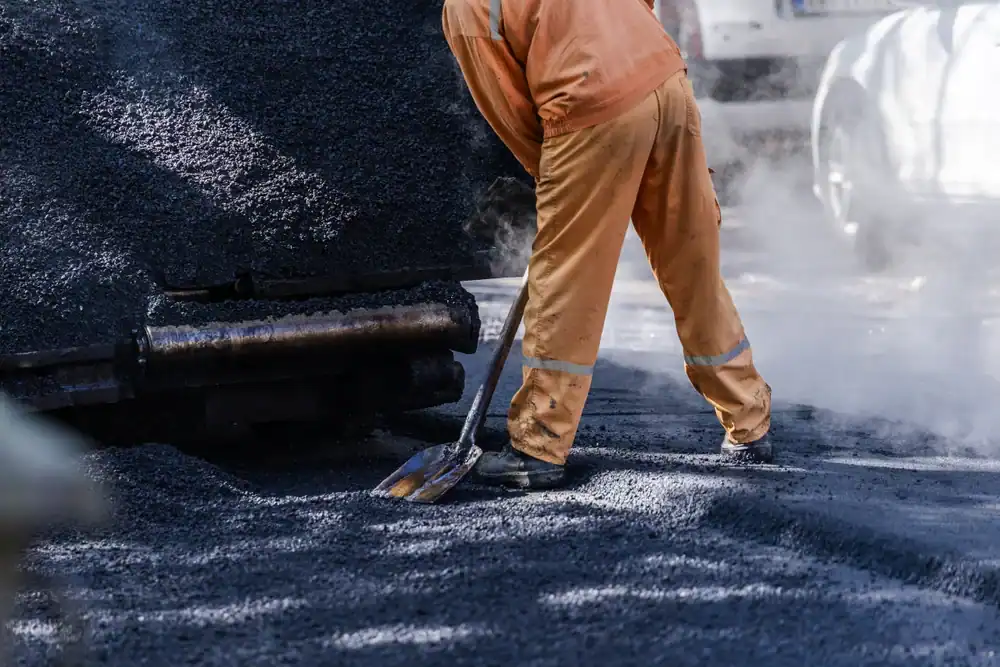
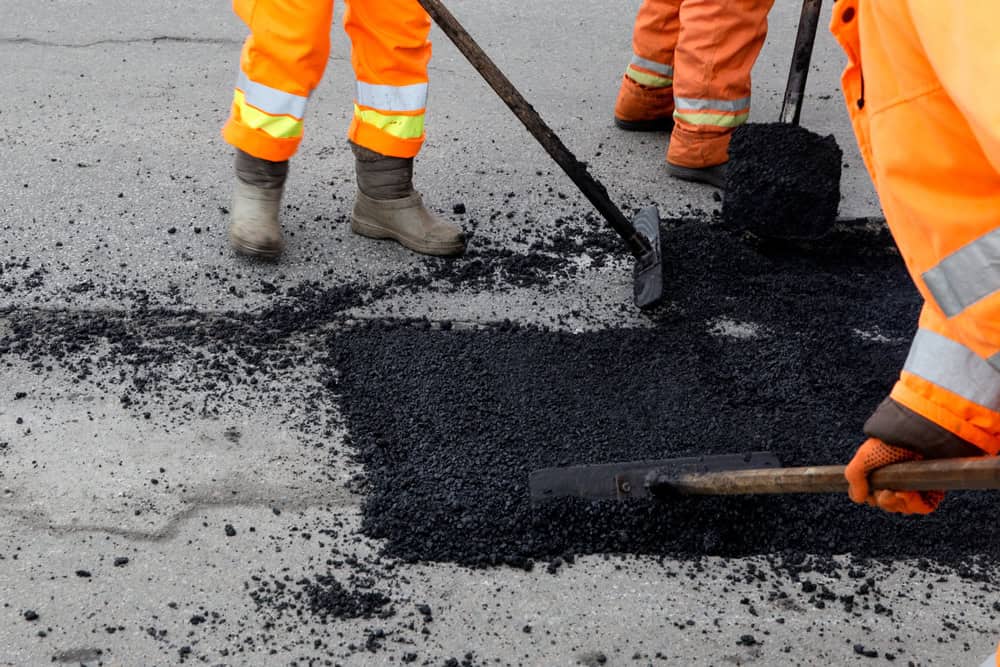
Patching is your go-to solution when you’re dealing with isolated damage that hasn’t spread across the entire lot. Think potholes near your loading dock, a few cracks by the entrance, or small sections that failed due to heavy truck traffic. If less than 25 to 30 percent of your parking lot needs repairs and the rest of the pavement is holding up fine, patching can buy you time and keep your lot functional without a major investment.
In New Jersey, winter takes a toll on asphalt. Water seeps into small cracks, freezes overnight, expands, and breaks apart the pavement structure underneath. By spring, those small cracks have turned into potholes. Patching addresses these problem spots quickly, usually in a single day, and gets your lot back to safe, usable condition. For many business owners in Morris, Sussex, and Somerset Counties, patching is a practical bridge strategy between now and a larger project down the road.
But here’s the thing patching doesn’t fix. If your pavement’s base layer has failed, or if water damage has compromised the foundation, patching is just a temporary band-aid. You’ll keep chasing new potholes every season. That’s when you need to start thinking bigger. We’ll tell you honestly whether patching makes sense or if you’re better off moving to resurfacing or replacement. If the foundation is sound and the damage is limited, patching can extend your pavement’s life by several years. If the base is compromised, you’re wasting money on repairs that won’t hold.
The other factor to consider is cost. Patching is the most affordable option upfront, but if you’re patching the same areas repeatedly, those costs add up. At some point, resurfacing or replacement becomes the smarter financial move. The right choice depends on the condition of your base layer, how much of your lot is damaged, and how long you need the pavement to last.
What Is Asphalt Resurfacing and When Should You Consider It
Resurfacing is the middle ground between patching and full replacement. It involves applying a new layer of asphalt—typically 1.5 to 3 inches thick—over your existing pavement. This gives you a fresh, smooth surface without the expense and disruption of tearing everything out. Resurfacing works when your parking lot’s base is still structurally sound, but the surface layer has deteriorated from age, weather, and traffic.
Before resurfacing can happen, we need to prep the existing surface. That means filling potholes, sealing cracks, and leveling out any uneven areas. If there are sections where the pavement has sunk or heaved, those get addressed first. Once the surface is prepped, a tack coat is applied to help the new asphalt layer bond to the old one. Then the new asphalt is laid, compacted with heavy rollers, and left to cure. The result is a parking lot that looks brand new and should last another 8 to 15 years with proper maintenance.
Resurfacing makes sense when your lot is showing widespread surface wear but the foundation underneath is still doing its job. Faded asphalt, surface cracks that haven’t penetrated deep, and general wear from years of use are all signs that resurfacing might be the right call. It’s faster than full replacement, less expensive, and causes less disruption to your business. Most resurfacing projects for small to medium commercial lots take two to three days from start to finish.
But resurfacing isn’t a cure-all. If your base layer has failed, if there are drainage problems causing water to pool and infiltrate the pavement, or if more than 30 percent of your lot needs significant repairs, resurfacing won’t solve the underlying issues. You’ll end up with a nice-looking surface sitting on top of a failing foundation, and within a year or two, the new asphalt will start cracking and sinking just like the old stuff did. That’s why a proper site assessment is critical before deciding on resurfacing. We’ll inspect your lot, check for base failure, evaluate drainage, and tell you honestly whether resurfacing is a viable option or if you need to go deeper.
The other thing to know about resurfacing is that it adds height to your pavement. That means adjustments may be needed for things like drainage grates, manhole covers, curbs, and transitions to sidewalks or building entrances. We account for this during planning and handle those details so everything lines up correctly when the project is done.
Want live answers?
Connect with a Platinum Paving expert for fast, friendly support.
When Full Asphalt Replacement Is Necessary
Full replacement is the most comprehensive option, and it’s what you need when the damage goes beyond the surface. This means removing the old asphalt entirely, addressing any issues with the base layer, and installing new pavement from the ground up. It’s a bigger investment upfront, but it’s also the only option that truly resets your parking lot and gives you a solid 20-plus years of service life.
Replacement makes sense when your base layer has failed, when drainage problems have caused widespread damage, or when your parking lot has been resurfaced multiple times and there’s nothing left to work with. If you’re seeing large potholes, deep cracks, areas where the pavement is crumbling, or sections that have sunk significantly, your base has likely been compromised. At that point, adding another layer of asphalt on top won’t fix the problem. You need to start over.
The replacement process involves several steps. First, the old asphalt is removed and hauled away. Then the base layer is evaluated and repaired or rebuilt as needed. This might involve regrading the soil, compacting it properly, and adding a layer of crushed stone to create a stable foundation. Drainage issues get addressed during this phase too, because proper water runoff is essential to preventing future damage. Once the base is solid, new asphalt is installed in layers and compacted to the right thickness for your traffic load. The result is a parking lot built to last.
Signs Your Parking Lot Base Layer Has Failed
The base layer is the foundation that supports your asphalt. It’s typically made of compacted soil and crushed stone, and it’s what handles the weight of vehicles and distributes that load evenly. When the base fails, everything above it fails too, no matter how good the asphalt surface looks. Base failure happens when water infiltrates the foundation, when the soil underneath shifts or settles, or when the base wasn’t properly compacted during the original installation.
Signs of base failure include large potholes that keep coming back even after patching, areas where the pavement has sunk or heaved significantly, and widespread cracking that extends across large sections of your lot. If you walk your parking lot and feel soft spots or see areas where the pavement flexes under your weight, that’s a red flag. Another sign is standing water that doesn’t drain properly. If water pools on your pavement after rain, it’s finding its way into the base layer and causing damage from below.
In New Jersey, freeze-thaw cycles accelerate base failure. Water gets into the base, freezes, expands, and pushes the pavement upward. When it thaws, the pavement settles back down, but not always in the same position. This constant movement creates cracks, potholes, and uneven surfaces. Sussex County experiences some of the harshest freeze-thaw conditions in the state due to lake-effect weather, which means base damage can happen faster here than in other parts of New Jersey. Over time, the base loses its structural integrity, and no amount of surface patching or resurfacing will fix it.
A proper site assessment will tell you whether your base has failed. We’ll inspect your lot, look for signs of base damage, and in some cases, core test the pavement to see what’s happening beneath the surface. If the base is compromised, replacement is your only real option. Trying to resurface over a failing base is like putting new shingles on a rotting roof. It might look better temporarily, but it won’t last, and you’ll end up paying for the same work twice.

How Long Does Commercial Paving Take and How to Schedule Around Your Business
One of the biggest concerns business owners have about paving projects is how long their parking lot will be out of commission. The good news is that most commercial paving projects are completed in days, not weeks, and with the right planning, you can minimize disruption to your operations. The key is understanding what affects the timeline and working with us to phase the work around your business needs.
For patching projects, you’re usually looking at a single day. The crew comes in, fills the potholes, compacts the asphalt, and you’re back in business. Resurfacing takes longer because it involves more prep work and a larger surface area. For a small to medium commercial lot, expect two to three days from start to finish. Larger lots or more complex projects can take up to a week. Full replacement takes the longest because it involves removing the old pavement, repairing the base, and installing new asphalt in layers. Depending on the size of your lot and the extent of the base work needed, replacement projects can take anywhere from a few days to a couple of weeks.
Weather plays a big role in scheduling. Asphalt needs warm temperatures to cure properly, which is why the paving season in New Jersey runs from late April through early October. Rain delays projects because asphalt can’t be installed on wet surfaces. Extreme heat can also cause issues because the asphalt becomes too soft to compact properly. We monitor the weather forecast and schedule your project during a window of dry, moderate temperatures to ensure the best results.
Phased construction is one of the most effective ways to keep your business accessible during paving. Instead of closing your entire parking lot at once, the work is divided into sections. One area gets paved while the rest of the lot remains open for customers and employees. Once that section is complete and cured, we move to the next area. This approach takes a bit longer overall, but it means you never have to shut down completely. For retail businesses in places like Morristown or Sparta, restaurants, and service providers who can’t afford to lose customer access, phased construction is often the best option.
Communication is critical during scheduling. We’ll walk you through the project timeline, explain which areas will be closed and when, and coordinate with you on the best times to minimize impact. For some businesses, weekend work makes sense. For others, weekday mornings during slow periods are better. The more upfront you are about your operational needs, the better we can plan around them.
You’ll also need to think about things like signage, temporary parking arrangements, and notifying your customers or tenants in advance. If your lot will be partially closed, clear signage directing people to open areas helps reduce confusion. If you’re in a multi-tenant property, giving tenants advance notice and a timeline helps manage expectations. We’ll help you think through these details and make the process as smooth as possible.
Making an Informed Decision About Your Parking Lot
Deciding whether to patch, resurface, or replace your parking lot comes down to understanding what’s actually happening beneath the surface and what you need the pavement to do for your business. Patching works for isolated damage when your foundation is sound. Resurfacing gives you a fresh surface and extends the life of your lot when the base is still solid. Full replacement is the right move when the base has failed or when you need a long-term solution that resets everything.
The best way to make an informed decision is to start with a proper site assessment from someone who understands New Jersey conditions. With our experience in Morris, Sussex, and Somerset Counties, we know how freeze-thaw cycles affect pavement, how to evaluate drainage challenges, and what it takes to build parking lots that hold up through multiple seasons. Ask questions, request a detailed explanation of what’s needed and why, and make sure you understand the timeline and how the work will be scheduled around your operations.
Your parking lot matters. It’s the first thing customers see when they pull in, and it’s a direct reflection of how you maintain your property. When it’s time to address the damage and make improvements, Platinum Paving can help you understand your options and move forward with a plan that makes sense for your business.