Summary:
Attempting DIY Repairs Without Understanding the Root Cause
The biggest mistake Lafayette homeowners make is treating symptoms instead of causes. You see a crack and think sealing it will solve the problem. But that crack exists for a reason—poor drainage, inadequate base preparation, or foundation settling.
Fixing cracks without addressing underlying issues like poor drainage or foundation problems only leads to recurring cracks. When water seeps into tiny cracks in your asphalt and freezes during Lafayette winters, it expands, pushing the pavement outward and causing constant stress that leads to cracking, crumbling, and sinkholes.
Without identifying why the damage occurred, you’re essentially putting a band-aid on a broken bone. The problem will return, often worse than before.
Why Surface Fixes Fail in Lafayette's Climate
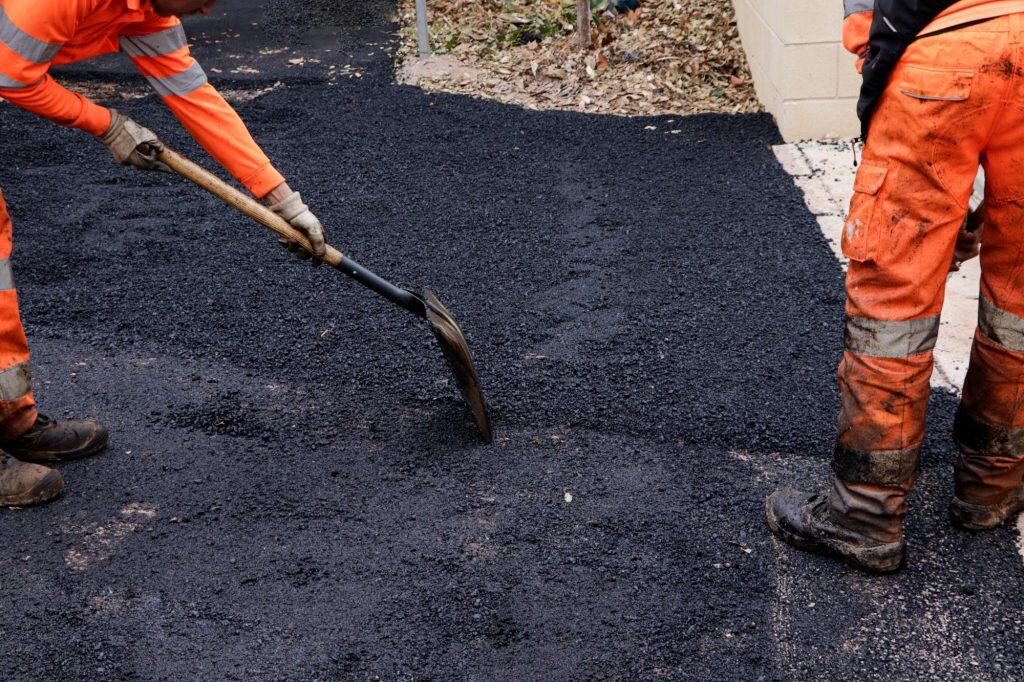
Lafayette’s location in Sussex County means your driveway endures some of New Jersey’s most challenging weather conditions. Winter temperatures frequently dip below freezing and spike up during the day, with customers seeing driveways that looked fine in early December falling apart by March.
The freeze-thaw cycle happens when water squeezes into cracks and freezes, expanding about 10% and exerting pressure of about 30,000 psi. When it thaws, it leaks further down into the expanded crack and repeats the process, damaging asphalt from the inside out.
This isn’t just about temperature extremes. Salt from winter road treatments accelerates the freeze-thaw cycle and causes surface erosion over time. Your DIY crack filler might work fine in milder climates, but Lafayette’s conditions demand professional-grade solutions designed specifically for these challenges.
The reality is that surface treatments without proper base repair are temporary at best. DIY solutions prioritize short-term fixes over long-term solutions, causing homeowners to repeatedly address the same issues or face costly repairs sooner than expected. What starts as a $50 DIY fix becomes a $5,000 replacement when the underlying problems aren’t addressed properly.
The Hidden Costs of Ignoring Drainage Issues
Most Lafayette homeowners focus on visible cracks while completely missing drainage problems that cause them. Poor drainage doesn’t just mean standing water—it means water flowing where it shouldn’t, saturating your driveway’s foundation and creating the perfect conditions for freeze-thaw damage.
Poor drainage causes water to pool on driveways, which for asphalt is a fast track to surface damage, and for concrete, water seepage can compromise the base layer, leading to sinking or cracking. Water can damage pavement from below when it freezes in subgrade materials, causing ice lenses that make pavement heave upwards and break, then leaving voids when it melts that cause damaged asphalt to sink and create additional damage and potholes.
The signs aren’t always obvious. You might notice water pooling after rain, surface erosion, or long-term discoloration from constant dampness. Fixing drainage problems might involve re-sloping the driveway or installing a water diversion system like a French drain.
Here’s what most people don’t realize: During spring thaw, as ice melts in the upper zone of subgrade while soil below remains frozen and impermeable, water gets trapped in the thawed soil layer, substantially weakening the saturated subgrade and reducing its bearing capacity. This creates a perfect storm where your driveway is most vulnerable to damage from normal vehicle traffic.
Addressing drainage issues during repair isn’t just recommended—it’s essential for preventing the same problems from recurring within a few seasons.
Want live answers?
Connect with a Platinum Paving expert for fast, friendly support.
Using Wrong Materials and Application Techniques
Walk into any big box store and you’ll find aisles of driveway repair products. The problem isn’t availability—it’s knowing which products work for your specific situation and how to apply them correctly. Most homeowners grab whatever’s cheapest or most convenient, not realizing that material selection can make or break their repair.
DIY attempts often result in subpar outcomes including uneven surfaces, visible patchwork, and inadequate durability that compromise aesthetic appeal and fail to address underlying structural issues. The materials matter, but application technique matters even more.
Sealcoating Mistakes That Cause More Damage
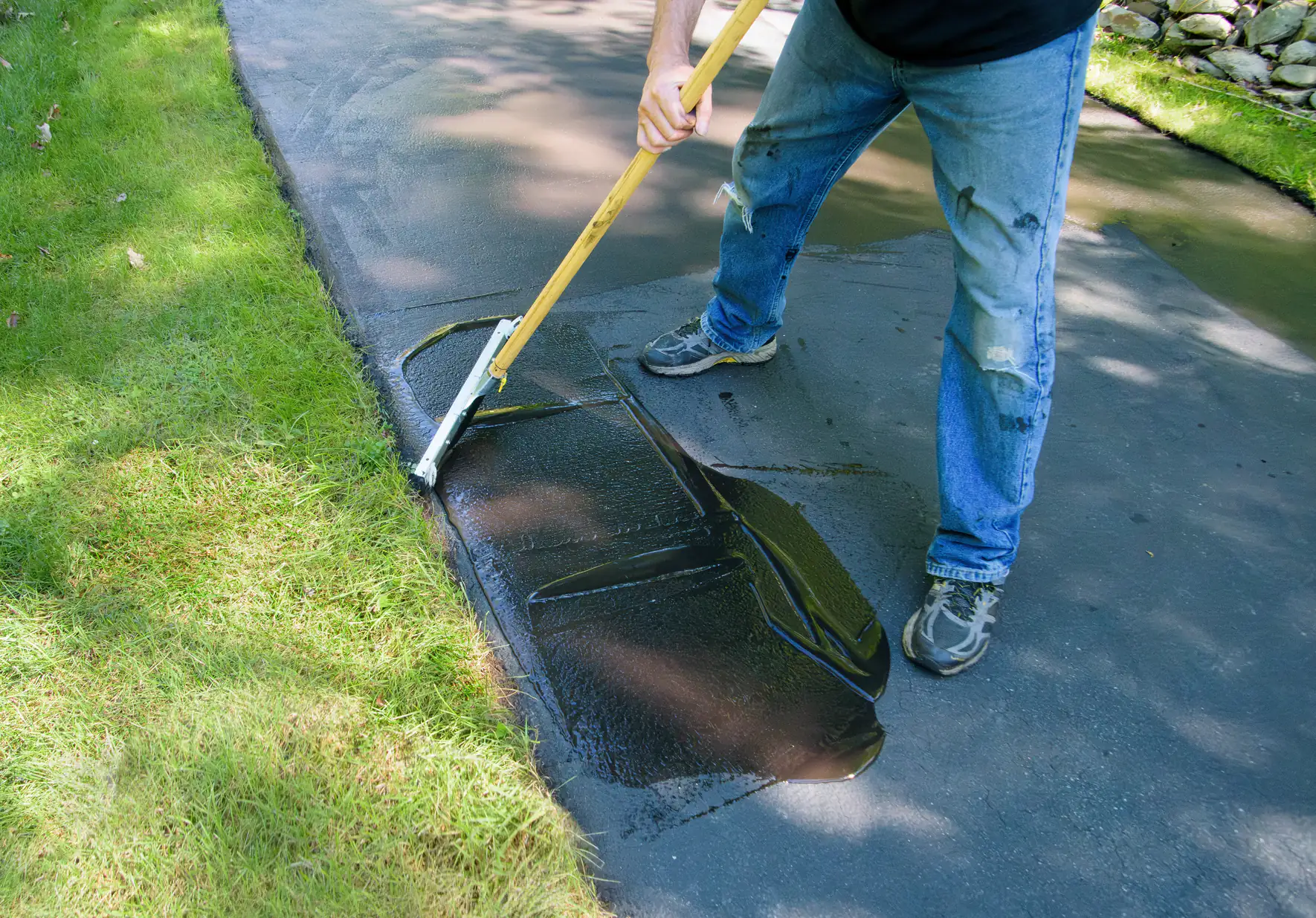
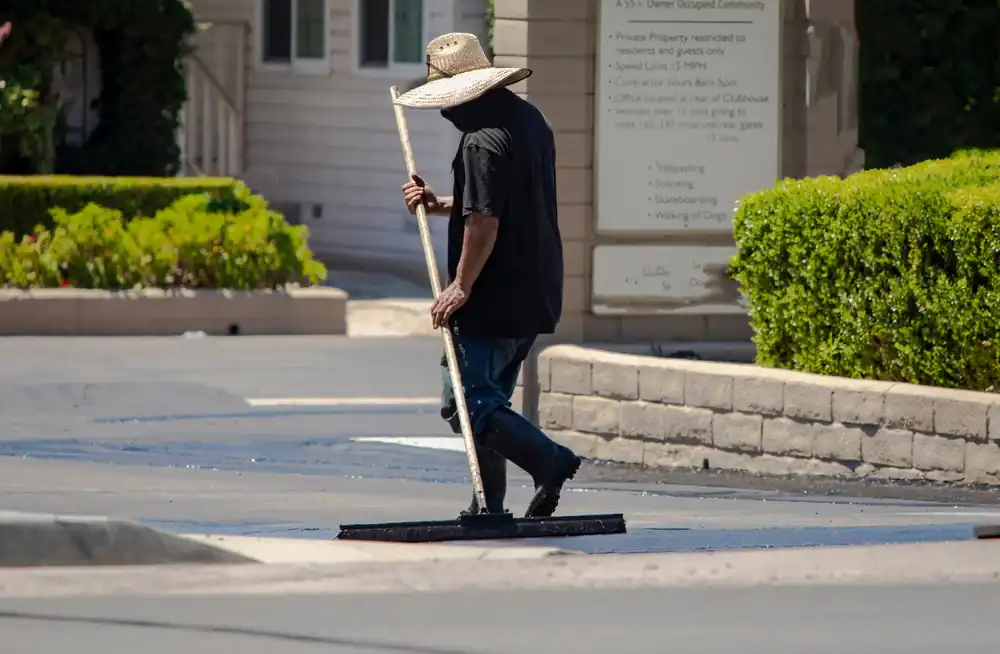
Sealcoating seems straightforward—just spread it evenly and wait for it to dry, right? Wrong. Applying sealcoat in thick layers is tempting but detrimental, as too much sealer can lead to premature cracking. Skipping surface preparation, especially cleaning off dirt, oil, or moss, is the number one mistake—without proper cleaning, sealcoat won’t stick and failures like peeling and cracking appear quickly.
With asphalt emulsion sealers now required in New York and Maryland, adding too much water, not adding required sand, not using additives, using poor-quality water, not mixing thoroughly, or not keeping material agitated causes immediate failure. Many contractors still use the old “coal tar mindset” with new asphalt emulsion products, but asphalt emulsion is not coal tar—it cannot be watered down, cannot be misapplied, and requires strict manufacturer specifications to function.
The timing is equally critical. Sealing too early or late in the season results in streaking, early wear-off, tracking, gray patches, and flaking and peeling. Only sealcoat when pavement temperatures are 55°F or higher for 6-8 hours, avoid late afternoon applications, avoid fall work unless the 5-day forecast is clear, and never sealcoat when nighttime temperatures drop below 50°F.
Another common mistake is believing that sealer applied thickly enough will fill cracks and breaks in asphalt surfaces without proper patching—this lazy approach doesn’t work. You must properly address problems before applying sealcoat, including filling potholes, patching with new asphalt, and using specialized crack repair products.
Patching and Pothole Repair Errors
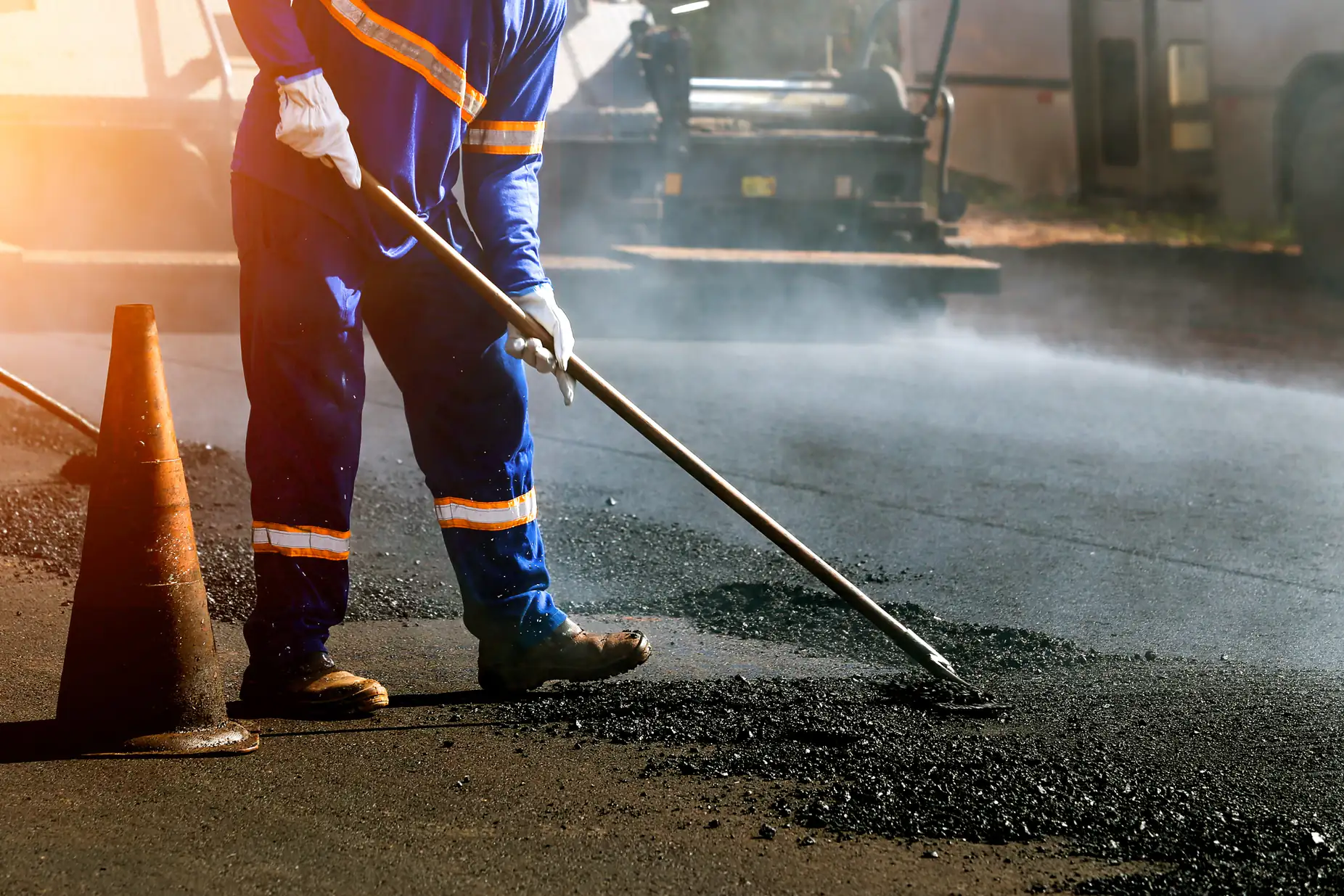
Pothole repair looks simple: clean out the hole, dump in some asphalt, and compact it down. But repairing a driveway requires understanding of different paving materials, proper techniques, and equipment usage—without necessary expertise, DIY enthusiasts may inadvertently exacerbate existing issues or create new ones.
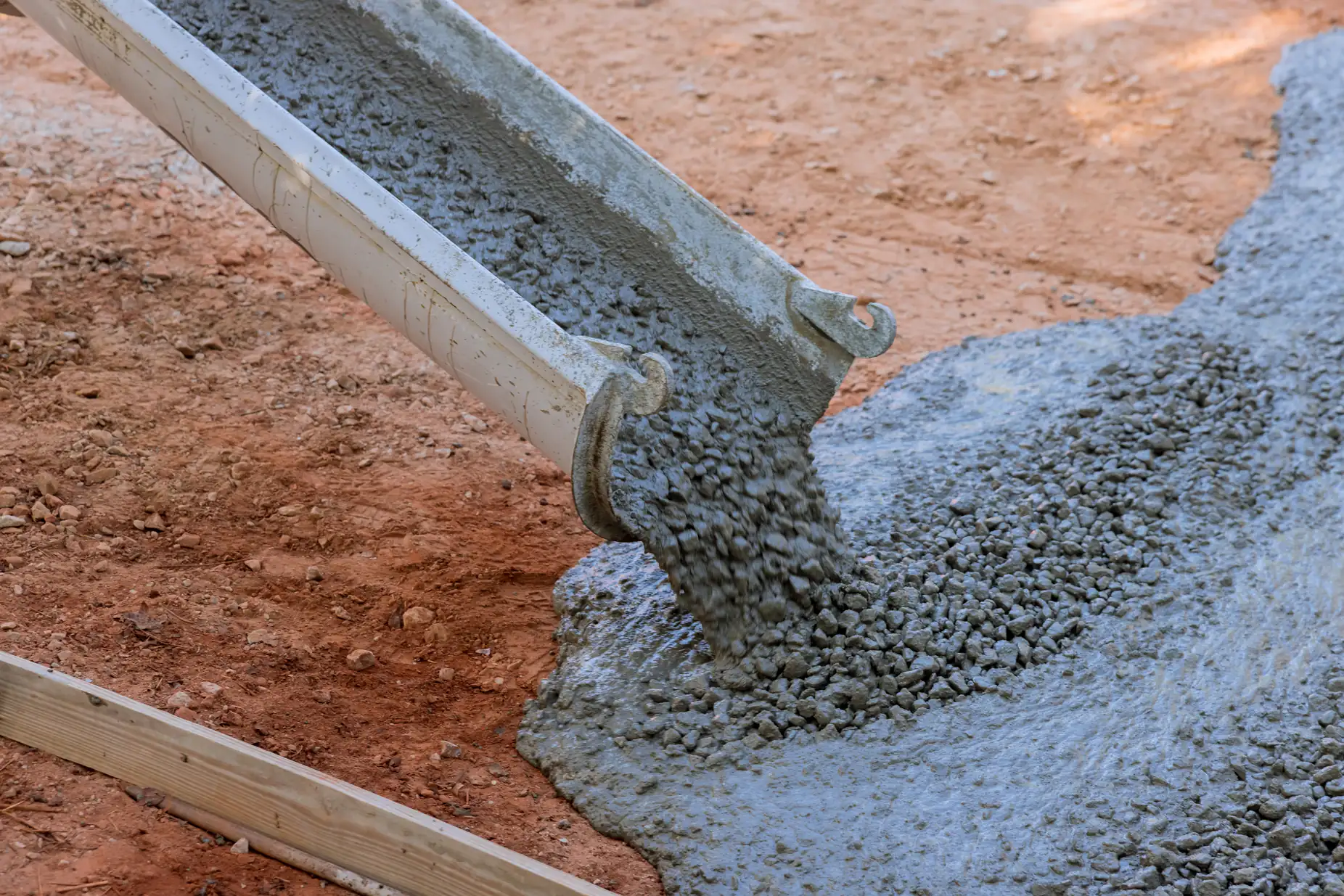
Common errors include incorrect mixing ratios or insufficient curing times—following manufacturer guidelines closely for mixing instructions and allowing enough time for concrete to set properly is essential. Weather conditions play a significant role in repair outcomes, as conducting repairs in extreme temperatures or wet weather leads to compromised results. Pouring concrete when too cold causes improper curing, while excessive heat leads to rapid drying and cracking.
The preparation phase is where most DIY repairs fail. Adequate preparation is crucial—neglecting to thoroughly inspect damage, clean the area, and properly prime the surface leads to subpar repairs and recurring issues. Proper repair means cutting back to an area with solid base and repairing the base under the failed part—edges need proper support to last for quite a while.
Professional patching involves more than just filling holes. It requires proper edge cutting, base preparation, material selection based on traffic loads and weather exposure, and compaction techniques that ensure the patch bonds properly with existing pavement. Proper pothole repair involves applying a tack coat to edges for improved adhesion, filling with asphalt patch material and compacting in layers, then overfilling slightly to account for settling.
Most homeowners don’t have access to proper compaction equipment or understand the importance of material temperature during application. We have access to specialized tools, equipment, and materials that are not readily available to DIYers.
When to Call Professionals for Lafayette Driveway Repairs
Recognizing when a repair is beyond DIY capabilities can save you from expensive mistakes. Driveway sinking or major uneven surfaces often stem from subgrade problems that DIY fixes can’t address—attempting major repairs without the right skills and equipment can lead to costly mistakes. Large cracks often point to deeper structural issues like poor drainage or foundation problems, so don’t attempt DIY fixes—call a contractor to assess and address the root cause.
Professional Lafayette driveway repair services offer expertise, quality craftsmanship, safety assurance, and long-lasting results that DIY attempts simply cannot match. By prioritizing professionalism and expertise, homeowners ensure safety, functionality, and aesthetic appeal for years to come. The investment in professional repair pays off through proper diagnosis, appropriate materials, correct application techniques, and warranty protection.
For Lafayette homeowners dealing with the area’s challenging climate conditions, professional expertise becomes even more valuable. We provide repairs that address root causes and provide lasting solutions designed specifically for Sussex County’s demanding weather patterns.