Summary:
Why Fall Asphalt Maintenance Matters in New Jersey
New Jersey’s climate creates unique challenges for asphalt surfaces. Our region experiences significantly more freeze-thaw cycles than other parts of the state, putting extra stress on pavement throughout the winter months.
When water seeps into even small cracks and then freezes, it expands with tremendous force. This expansion widens existing cracks and creates new ones, leading to a cascade of damage that gets worse with each freeze-thaw cycle. What starts as minor surface issues in fall can become major potholes and structural problems by spring.
Fall maintenance isn’t just about aesthetics—it’s about protecting your property investment. Proper preparation now can prevent thousands of dollars in repair costs later and extend your pavement’s useful life by years.
Clear Leaves and Debris Before They Cause Problems
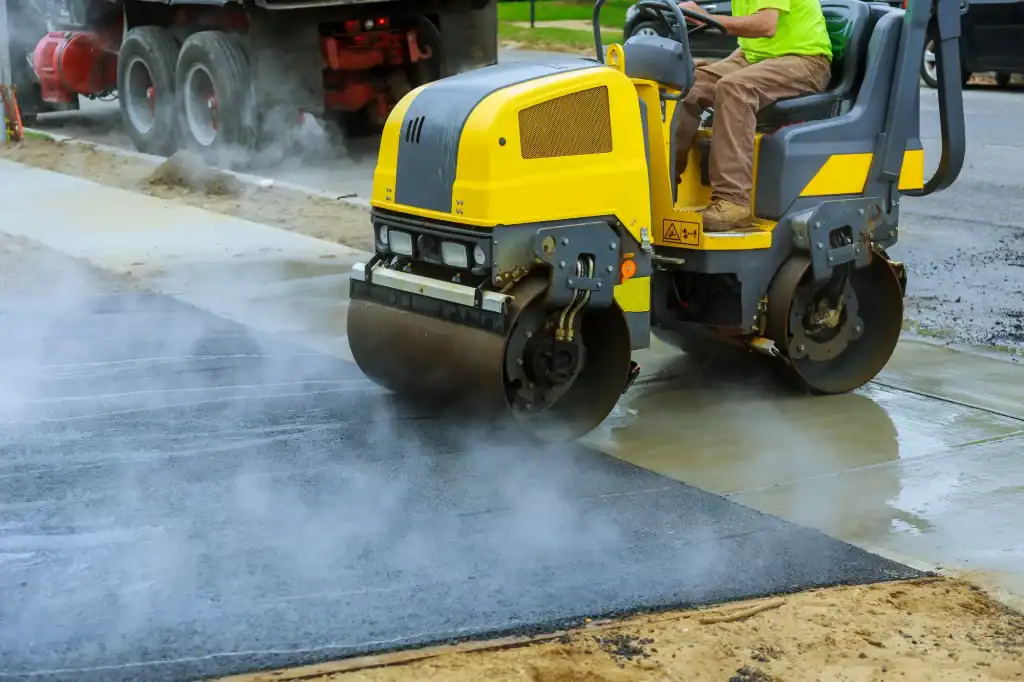
Those beautiful fall leaves covering your Morris County driveway aren’t just a cosmetic issue—they’re actively working against your asphalt. Fallen leaves, twigs, and organic debris trap moisture against the pavement surface, creating conditions that accelerate deterioration.
When leaves decompose, they create acidic compounds that can stain and weaken asphalt. More importantly, the moisture they trap doesn’t evaporate properly, leading to prolonged exposure that softens the asphalt binder. This makes your pavement more susceptible to cracking and surface damage.
The solution is regular cleanup throughout the fall season. A leaf blower works efficiently for large areas, while a stiff broom handles detailed work around edges and obstacles. Don’t wait until all the leaves have fallen—clean them up regularly to prevent moisture buildup. Pay special attention to areas where leaves tend to collect, like against curbs or in low spots where drainage might be an issue.
For stubborn debris that’s worked its way into surface texture, a pressure washer can help, but use moderate pressure to avoid forcing water into small cracks. The goal is to create a clean, dry surface that sheds water effectively rather than holding it against the asphalt.
Inspect and Clean Your Drainage Systems
Proper drainage becomes critical as we head into New Jersey’s wet fall and winter seasons. Water that can’t drain away from your Union County asphalt surfaces will find its way into cracks, creating the freeze-thaw damage that destroys pavement.
Start by walking your property after a good rain to identify where water pools or flows incorrectly. Look for areas where water stands for more than a few hours—these spots need attention before winter arrives. Check that gutters, downspouts, and storm drains are clear and functioning properly.
Clean out any debris from drainage systems, including catch basins and culverts. Leaves, dirt, and other organic matter can quickly clog these systems, causing water to back up onto your pavement. Even small amounts of standing water become problematic when temperatures drop below freezing.
If you notice persistent drainage issues, this is the time to address them. Simple solutions might include adding drainage channels or adjusting grades slightly to direct water away from paved areas. More complex problems might require professional assessment, but addressing drainage issues now prevents much more expensive repairs later.
Remember that ice formation often starts in areas where water collects. By ensuring proper drainage now, you’re not just protecting your pavement—you’re also creating safer conditions for vehicles and pedestrians during winter weather.
Want live answers?
Connect with a Platinum Paving expert for fast, friendly support.
Crack Filling: Your First Line of Defense Against Winter Damage
Crack filling represents your most important defense against winter damage across Warren and Essex County properties. Even hairline cracks can become major problems once water gets inside and freezes. The expansion force of freezing water is tremendous—enough to turn small surface cracks into deep structural damage.
Fall provides ideal conditions for crack filling work. Temperatures are moderate, humidity is lower, and you have time for materials to cure properly before winter weather arrives. The key is addressing every crack, no matter how small it seems.
Professional crack filling involves cleaning out the crack completely, removing any loose material, vegetation, or debris, then applying the appropriate filler material. Different crack sizes require different approaches and materials for optimal results.
Identifying Different Types of Asphalt Cracks
Not all cracks are created equal, and understanding what you’re dealing with helps determine the right repair approach for your Essex County driveway care. Linear cracks typically run in relatively straight lines and often result from thermal expansion and contraction or minor settling. These are usually straightforward to repair with proper crack filler.
Alligator cracking creates a pattern that looks like reptile skin, with interconnected cracks forming small polygonal shapes. This type of cracking usually indicates more serious structural issues with the base or subgrade and may require professional evaluation beyond simple crack filling.
Edge cracking occurs along the perimeter of paved areas and often results from inadequate support or water infiltration from the sides. These cracks can be particularly problematic because they allow water to get under the pavement edges, leading to more extensive damage.
Block cracking creates large rectangular patterns and typically indicates the asphalt has become overly rigid, often due to age or temperature cycling. While crack filling helps, block cracking may signal that more comprehensive treatment will be needed in the future.
Understanding these patterns helps you communicate effectively with contractors and make informed decisions about repair priorities. Some crack types require immediate professional attention, while others can be addressed with standard crack filling procedures.

Professional vs. DIY Crack Filling Approaches
Small, isolated cracks can often be addressed with quality DIY crack filler products available at hardware stores. Cold-pour crack fillers work well for minor cracks and are relatively easy to apply. The key is thorough preparation—cleaning out the crack completely and ensuring it’s dry before applying filler.
However, extensive cracking, large cracks, or cracks that indicate structural issues require professional Warren County paving expertise. We have access to hot-pour rubberized crack fillers that provide superior adhesion and flexibility. These materials move with the asphalt through temperature changes, providing longer-lasting repairs.
Professional crack filling also includes proper preparation techniques that aren’t practical for homeowners. This might include routing cracks to create better filler adhesion or using specialized cleaning equipment to remove all debris and moisture from the crack.
The decision often comes down to scale and complexity. A few small cracks might be reasonable DIY projects, but extensive cracking across a large area benefits from professional treatment. Consider that professional crack filling often comes with warranties and is typically part of a comprehensive maintenance approach that addresses underlying causes.
Timing matters too. We can work efficiently to address all your cracks in a single visit, ensuring consistent materials and application techniques. This comprehensive approach often provides better long-term results than piecemeal DIY repairs done over time.
Preparing Your Asphalt for Winter Success
These five essential fall maintenance steps—debris cleanup, drainage inspection, crack filling, surface preparation, and professional assessment—work together to protect your asphalt investment through New Jersey’s challenging winter conditions. The time and effort you invest this fall directly translates to fewer problems and lower costs when spring arrives.
Remember that fall asphalt maintenance NJ isn’t just about preventing damage—it’s about extending the useful life of your pavement and maintaining your property’s value and appearance. Well-maintained asphalt not only lasts longer but also provides safer conditions for vehicles and pedestrians throughout the winter months.
For comprehensive Essex County fall maintenance and expert Morris County asphalt tips, we at Platinum Paving bring decades of experience and the right equipment to protect your pavement investment through another New Jersey winter.