Summary:
How Will You Phase This Project to Keep Operations Running
This should be your first question, not your last. Closing an entire parking lot isn’t realistic for most commercial properties, and any contractor who suggests it probably hasn’t thought through your actual needs.
Phased paving means breaking the work into manageable sections so parts of your lot stay functional while other areas are under construction. One half gets paved while the other stays open, then we switch. Or the work happens in quadrants. The goal is maintaining access without compromising the quality of the installation.
What Does Phased Paving Look Like for Commercial Properties
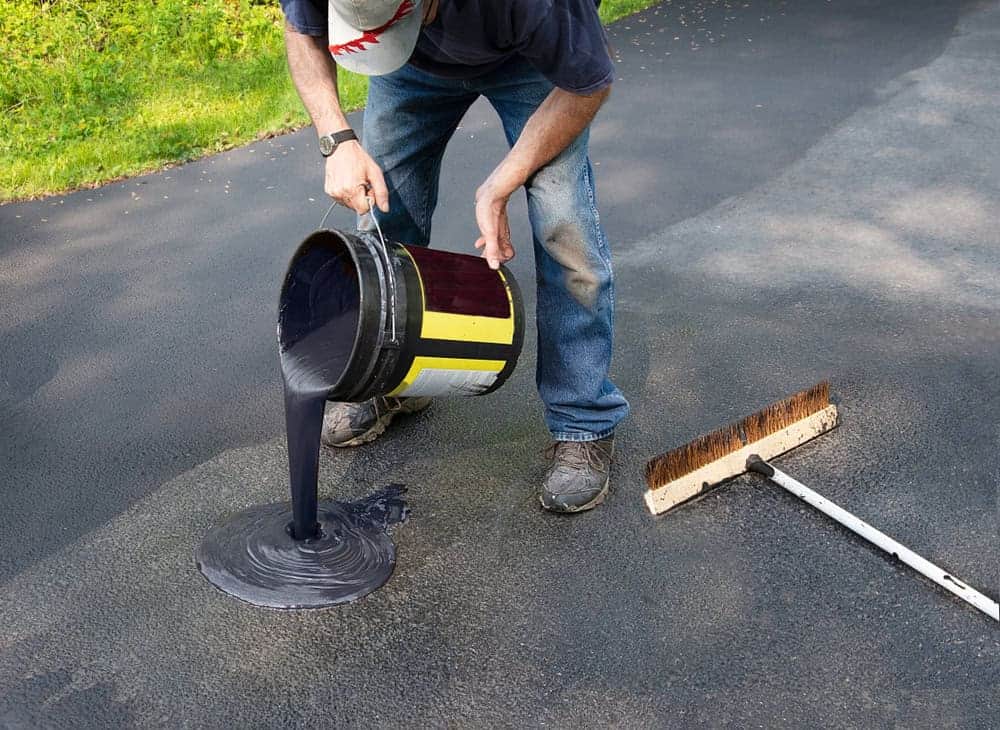
A real phasing plan isn’t something we make up on the spot. It’s a detailed map showing which sections get paved when, where traffic flows during each phase, and how people access your building the entire time.
Before work starts, we walk the site with you. We identify entrances that need to stay open, loading zones that can’t be blocked, and ADA-accessible routes that must remain clear. Then we design a sequence that respects those constraints.
We provide visual aids. Maps showing phase boundaries. Diagrams of temporary traffic patterns. Signage plans so customers and tenants know where to go. This isn’t overkill. It’s how you avoid chaos when half your lot is torn up and people are trying to figure out where they’re allowed to park.
Timing matters as much as sequencing. Retail centers often prefer weekday paving because it’s predictable and easier to communicate to customers. Office properties might choose weekends when fewer people are on site. Some businesses need overnight or evening work to avoid peak hours entirely. Your schedule should match how your property actually operates, not just what’s convenient for the paving crew.
Weather adds another layer. Asphalt can’t be installed in rain, and temperature affects curing time. Somerset County’s climate means we need buffer days built into the timeline. Projects that don’t account for weather delays end up running long and creating frustration. Realistic schedules acknowledge that not every day will be perfect paving weather.
Communication throughout the project keeps everyone sane. Daily updates aren’t excessive when you’re managing tenant concerns and customer access. If the schedule shifts because of weather or an unexpected issue, you need to know immediately so you can adjust. The more transparent we are, the fewer angry calls you’ll get from tenants wondering why their usual parking spot is suddenly a construction zone.
Can You Work Around Peak Business Hours
Not every property can handle standard business-hour construction. If you manage a busy retail center, a medical facility, or any operation where customer access directly impacts revenue, you need flexibility.
Ask whether your contractor offers evening, weekend, or overnight paving. We specialize in off-hours work specifically for properties that can’t afford daytime disruption. Yes, it sometimes costs more. But that premium is worth it if it means your business continues operating normally while the work happens.
The reality check: not every contractor provides this service, and not every project works well outside normal hours. Local noise ordinances might restrict overnight work in certain areas. Lighting becomes a safety concern. Coordination gets more complex when you’re working unconventional shifts. But if maintaining daytime access is non-negotiable for your property, you need to know upfront whether the contractor can deliver.
Different properties have different constraints. Restaurants might prefer Monday or Tuesday paving when foot traffic is lighter. Medical offices need to maintain emergency vehicle access regardless of construction. Hotels can’t block guest parking during check-in hours. Your paving schedule should work with these realities, not against them.
Also clarify cure times and when each section reopens. Fresh asphalt typically needs 48 to 72 hours before it’s ready for regular car traffic. Heavier vehicles like delivery trucks or moving vans might need to wait a full week. We give you specific timelines for when each paved section will be usable again, so you can plan around it and communicate accurately to tenants.
Want live answers?
Connect with a Platinum Paving expert for fast, friendly support.
What's Your Plan for Drainage and Water Management
Drainage doesn’t sound exciting, but it’s the difference between a parking lot that lasts 20 years and one that starts crumbling in five.
Water destroys asphalt. It seeps into cracks, freezes during Somerset County winters, expands, and tears your pavement apart from the inside. A parking lot without proper drainage isn’t just inconvenient when it rains. It’s a ticking clock on expensive repairs.
We evaluate how water currently moves across your property and identify problems before any asphalt gets poured. Where does water pool after storms. How does the slope direct runoff. Are catch basins positioned correctly, or are they clogged and useless.
How Do You Handle Grading and Slope for Drainage
Grading determines where water goes. Your commercial asphalt paving project needs enough slope to move water away from buildings, entrances, and high-traffic areas, but not so much that it creates uneven surfaces or safety hazards.
We don’t just pave over whatever’s there. We assess the existing grade, find low spots where water collects, and fix those issues during base preparation. That might mean adding material to raise certain sections, adjusting the slope to improve flow, or reworking how the entire lot is graded.
Proper grading eliminates the ponding you see in neglected parking lots. Those giant puddles that never drain, forcing people to navigate around them or soak their shoes. They’re not just annoying. They speed up pavement damage and create slip-and-fall liability risks you don’t need.
Ask how your contractor will address drainage during planning. Will they need to regrade sections of the lot. Are there areas where water currently pools that require special attention. What’s their process for ensuring the finished surface sheds water correctly instead of collecting it.
The base layer plays a massive role in drainage too. A properly installed and compacted gravel base provides stability and helps water move through the system instead of sitting on top. Weak or thin bases lead to settling, which creates low spots, which creates water problems. We explain how thick the base will be, what materials we’re using, and how we ensure proper compaction.
Don’t overlook existing drainage infrastructure. Catch basins, storm drains, and drainage channels need to integrate with the new pavement. If they’re old, damaged, or poorly positioned, this is the time to address it. Paving over broken drainage systems just means you’ll be ripping things up again in a few years to fix what should have been handled now.
What Happens If Drainage Problems Show Up Mid-Project
Sometimes drainage issues don’t become obvious until the old asphalt comes up. The base might be saturated with water. There could be broken pipes nobody knew existed. The grading might be worse than it appeared on the surface.
Ask your contractor how they handle surprises. Do they stop work and reassess. Do they have a process for addressing unexpected drainage issues without derailing the schedule. And here’s the critical question: how does that affect your cost and timeline.
We build contingency into our estimates for exactly this reason. We’ve done enough commercial paving projects to know that unknowns happen. But you should understand upfront how those situations get managed and what kind of communication to expect if the scope changes mid-project.
Drainage problems aren’t something you want patched temporarily or ignored. If water has been sitting in the base layer, that saturation needs to be addressed before new asphalt goes down. Otherwise you’re covering up a problem that will resurface quickly, often within the first winter when freeze-thaw cycles start doing damage.
This is where experience with Somerset County properties matters. We understand local soil conditions, typical drainage challenges, and how weather patterns affect pavement. We’re not learning on your property. We’ve seen these issues before and know how to fix them correctly.
We also bring in engineers when drainage problems get complex. Sometimes fixing water issues requires more than regrading. You might need French drains, additional catch basins, or changes to how stormwater is managed across the entire property. Those aren’t DIY solutions, and they shouldn’t be treated as optional extras if they’re genuinely needed for long-term performance.
Planning Your Somerset County Commercial Paving Project
Commercial paving doesn’t have to disrupt your business or exceed your budget. The key is working with a contractor who understands what you’re actually trying to accomplish: a durable, functional parking lot installed without shutting down operations.
Ask about phasing, drainage, base preparation, striping, and realistic timelines before you commit to anything. Make sure you’re getting specific answers, not vague reassurances. And pay attention to how the contractor communicates during this process. If they’re dodging questions or rushing you now, that’s how the entire project will go.
Your parking lot affects how customers access your property, how deliveries happen, how tenants experience your management, and how your property is perceived. Getting it right matters. And it starts with asking the right questions upfront. For commercial paving in Somerset County, we bring the local knowledge and experience to handle your project correctly from planning through completion.