Summary:
Sealcoating schedules for commercial parking lots in Morris County
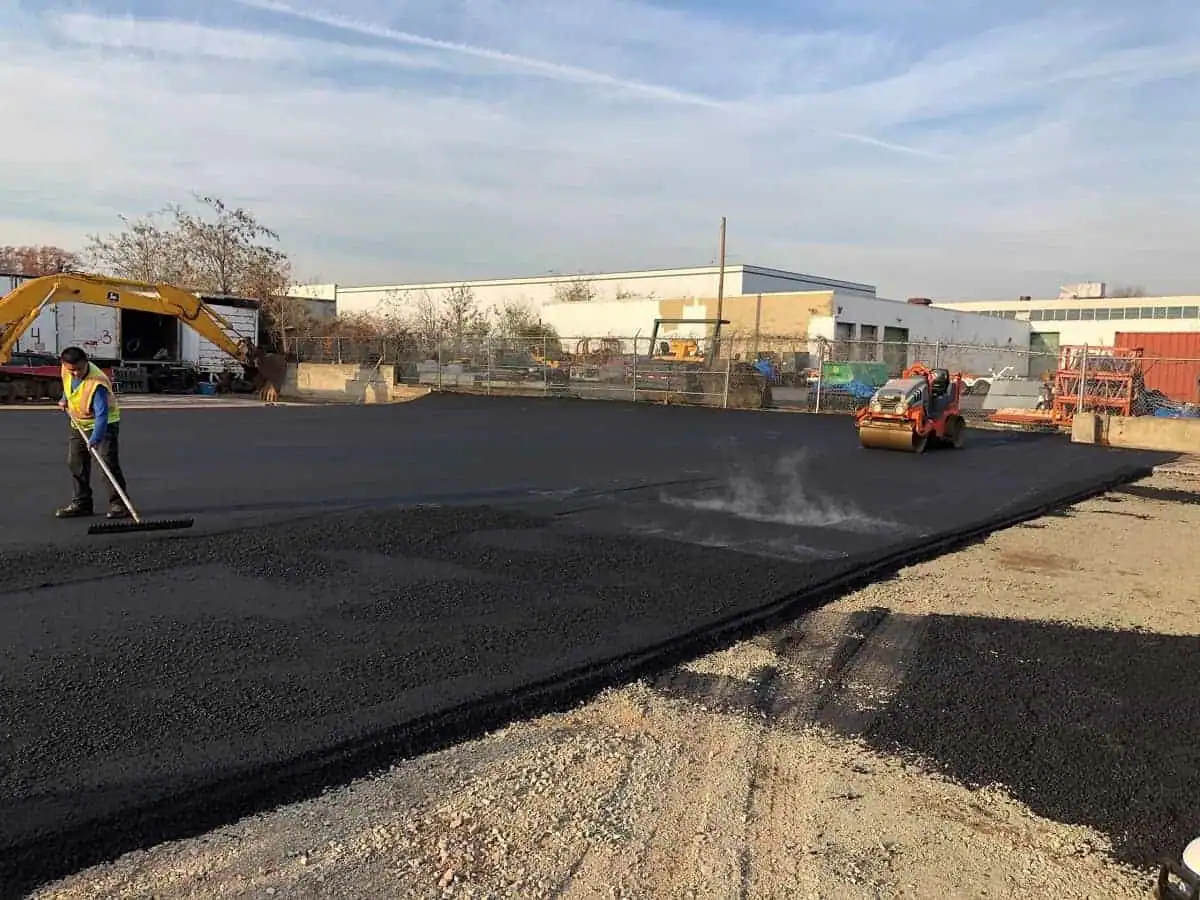
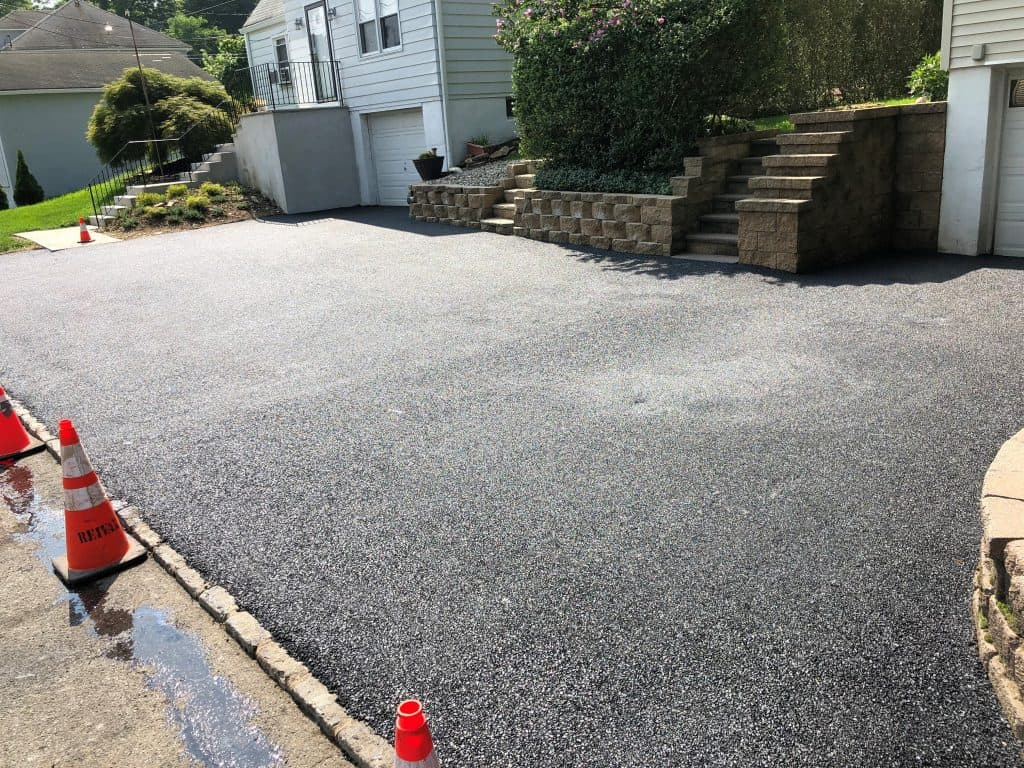
Sealcoating isn’t cosmetic. It’s your parking lot’s primary defense against water infiltration, UV damage, and chemical breakdown from vehicle fluids. The protective layer keeps moisture out of your asphalt’s porous surface, which matters more than you’d think when winter hits Morris County, NJ.
Your lot faces temperature swings that accelerate oxidation and create more opportunities for water to penetrate the surface. The question isn’t whether to sealcoat—it’s when and how often for your specific traffic levels. Most commercial properties here need attention every one to two years, not the three-year cycle you might see recommended elsewhere.
High-traffic areas with delivery trucks, constant customer turnover, or heavy vehicle loads wear through sealcoating faster. Waiting too long means you’re repairing damage instead of preventing it—and that’s where costs spiral.
Finding the right sealcoating frequency for your traffic levels
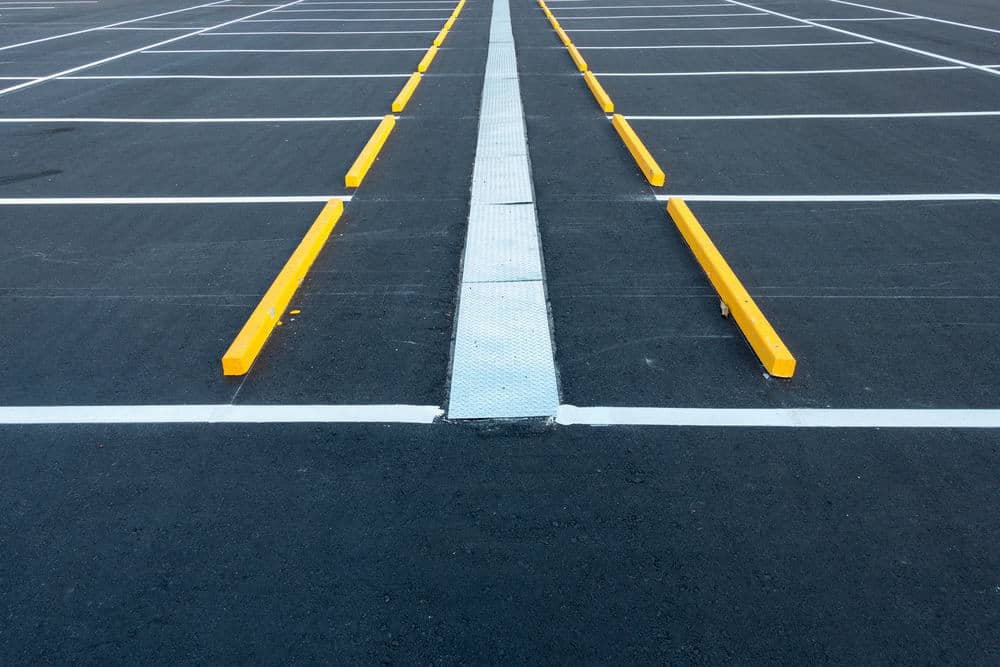
Office complexes and retail locations with moderate use typically hit the sweet spot with sealcoating every two to three years. That schedule provides solid protection without overtreatment. But if your lot serves a busy shopping center, restaurant, or sees constant delivery traffic, you’re looking at 18 to 24 months between applications. Traffic volume tells you everything.
Count the daily vehicle movements. Note where trucks make tight turns. Pay attention to areas where cars idle or park long-term. Those high-stress zones break down sealcoating faster than the rest of your lot. Some property managers opt for full-lot applications on a longer cycle with targeted touch-ups in heavy-use areas between major applications.
Climate plays into this too. Morris County, NJ’s freeze-thaw cycles mean your sealcoating works harder than it would in more stable climates. Water that penetrates unsealed asphalt freezes, expands, and creates the cracks that turn into your spring repair headaches. The expansion force is significant—enough to fracture asphalt from within when water freezes and grows by roughly nine percent.
Timing matters as much as frequency. Fall gives you ideal conditions—moderate temperatures between 50 and 70 degrees, lower humidity, and enough dry days for proper curing. You need at least 24 to 48 hours without rain after application. Spring works too, but you’re competing with everyone else who waited until they saw winter damage. By then, you’re in reactive mode instead of preventive maintenance.
Here’s the math that actually matters: routine sealcoating every three years runs you somewhere between $500 and $1,000 annually for most commercial lots. Skip it, and your pavement life drops from 20-25 years down to 8-10 years. That difference creates $20,000 to $40,000 in additional expenses you didn’t need to spend. Sealcoating is insurance that actually pays off.
Visual signs your parking lot needs sealcoating now
Your asphalt talks to you if you know what to look for. Fresh asphalt is deep black with a slight sheen. As it ages and oxidizes, that color fades to gray. When your parking lot looks more gray than black, you’ve waited too long. The UV damage is already working through the surface layers.
Small cracks are your early warning system. Hairline fractures might seem insignificant, but they’re entry points for water. Once moisture gets below the surface, freeze-thaw cycles turn those hairlines into structural problems. If you can see cracks forming a pattern—especially the spider-web effect called alligatoring—you’re past the point where sealcoating alone will fix things.
Surface texture changes tell you about binder breakdown. Run your hand across the pavement. If it feels rough or you can easily dislodge small aggregate pieces, the asphalt binder is deteriorating. That’s oxidation at work, and it accelerates once it starts. Sealcoating now can slow that process before you’re looking at resurfacing costs.
Water behavior matters too. After rain, walk your lot and note where water sits. Puddles that linger more than a few hours indicate surface deterioration or drainage issues. Standing water finds its way into any available crack or weak point. During winter, those same spots become ice patches that create safety hazards and accelerate pavement breakdown.
Look at your high-traffic zones—entrances, exits, delivery areas, and popular parking sections. These areas show wear first. Fading happens faster where tires turn, brake, and accelerate. If these zones look significantly worse than the rest of your lot, you can address them specifically or use their condition as a trigger for full-lot maintenance.
Oil spots and fuel stains eat through asphalt binder. If you see dark stains spreading or the surface breaking down around them, those chemicals are actively degrading your pavement. Sealcoating creates a barrier against these petroleum-based contaminants, but you need to clean existing stains before application for the sealer to bond properly.
Want live answers?
Connect with a Platinum Paving expert for fast, friendly support.
Parking lot drainage fixes that extend pavement life
Water destroys more parking lots than traffic ever will. Poor drainage doesn’t just create puddles—it undermines your pavement’s structural integrity from below. When water can’t escape, it saturates the base material that supports your asphalt surface. Traffic loads on that weakened foundation cause flexing, cracking, and eventually complete pavement failure.
Morris County, NJ’s clay-heavy soils make this worse. Clay retains moisture longer than sandy soils, creating prolonged stress on your pavement’s foundation. Add in the freeze-thaw cycles, and you’ve got water trapped in your base that expands when it freezes, pushing your asphalt apart from underneath.
Proper drainage isn’t optional—it’s the foundation of pavement longevity. You need water moving off your lot’s surface and away from the pavement structure as quickly as possible. That means adequate slope, functional catch basins, and clear drainage paths that don’t get blocked by debris or landscape changes.
How to spot drainage problems before they cost you thousands
The most obvious sign is pooling water, but you need to understand what you’re seeing. After a good rain, walk your entire lot within a few hours. Water should be gone or actively draining. If you see puddles that stick around, mark those locations. Come back after the next rain and check if water collects in the same spots. Consistent pooling means you have a drainage design problem or a settled area that’s creating a low spot.
Look for staining patterns on your asphalt. Dirt streaks, sand deposits, or organic material trails show you where water flows across your lot. These paths should lead to catch basins or designated drainage areas. If water is cutting across parking spaces or flowing toward your building, your drainage design is fighting against your lot’s natural slope.
Check your catch basins and storm drains regularly. Leaves, trash, and sediment clog these systems fast. A blocked catch basin can’t do its job, which means water backs up onto your pavement instead of draining away. During fall, this becomes critical—those beautiful leaves covering your lot aren’t just a visual issue. They block drainage, trap moisture against your asphalt, and create the perfect conditions for freeze-thaw damage in Morris County, NJ winters.
Cracks near drainage areas tell you water is winning. If you see cracking concentrated around catch basins, along curb lines, or in areas where water should be draining, your drainage system is either overwhelmed or failing. Water that should be leaving your lot is instead sitting long enough to penetrate your pavement.
Settlement and sinkholes are your red-alert warnings. If you notice areas where the pavement surface is sinking or you can feel a spongy sensation when you walk on certain spots, water has compromised your base material. This is expensive to fix because you’re not just patching surface damage—you’re rebuilding foundation layers.
Erosion along pavement edges shows where water is escaping incorrectly. If you see soil washing away at your lot’s perimeter or along curb lines, water is flowing over edges instead of through proper drainage channels. That erosion undermines your pavement’s support and creates edge failures that work their way inward.
Drainage solutions that actually work in Morris County
Start with what you’ve got. Clean out all catch basins, storm drains, and drainage inlets. This is basic maintenance that gets overlooked until problems appear. Set a schedule—quarterly cleaning prevents most blockage issues. During fall, increase frequency to monthly or even weekly if you have trees nearby. A clean drainage system handles water the way it was designed to.
Regrading solves persistent pooling in many cases. If water collects because your lot’s slope is inadequate or areas have settled, strategic regrading redirects water toward drainage points. This might mean milling down high spots or building up low areas during your next resurfacing project. The goal is maintaining a minimum slope that keeps water moving—typically at least 1-2% grade toward drainage areas.
Adding catch basins where they’re missing gives water somewhere to go. If you have large areas where water travels too far before reaching a drain, additional catch basins interrupt that flow and capture water before it can pool or cause damage. Placement matters—catch basins work best at low points and in areas where water naturally collects based on your lot’s topography.
Trench drains handle sheet flow across large flat areas. When water moves across your lot in a wide sheet rather than channeling toward specific points, trench drains intercept that flow and direct it into your drainage system. They’re particularly useful at lot entrances, along building faces, and in loading areas where you can’t achieve adequate slope.
French drains address subsurface water problems. If you have high groundwater or water that percolates through your pavement structure, French drains installed below your parking lot can intercept that moisture before it reaches your base material. This is specialized work that requires proper design, but it solves problems that surface drainage alone can’t fix.
Regular inspection catches problems while they’re still manageable. Walk your lot after every significant rain. Note any changes in water behavior, new pooling areas, or signs that existing drainage isn’t keeping up. Early intervention—cleaning a partially blocked drain or addressing a small settlement area—costs far less than repairing the pavement failure that develops when you ignore warning signs. In Morris County, NJ, where freeze-thaw cycles amplify every drainage problem, staying ahead of water issues protects your entire investment.
Making your parking lot paving last in Morris County
Your parking lot maintenance strategy comes down to this: pay a little now or pay a lot later. Sealcoating every one to two years, addressing cracks as they appear, and keeping drainage functional aren’t optional extras—they’re the baseline for pavement that lasts. Morris County, NJ’s climate doesn’t give you room for deferred maintenance.
The properties that avoid expensive emergency repairs are the ones following scheduled maintenance plans. They’re not doing anything complicated. They’re sealcoating on schedule, filling cracks before winter, keeping drains clear, and addressing small problems before they become structural failures. That approach extends pavement life from 8-10 years up to 20-25 years—and saves tens of thousands in replacement costs.
When you’re ready to put together a maintenance plan that actually works for your property, we bring local expertise and straightforward service to commercial properties throughout Morris County, NJ. Your parking lot is too big an investment to let it fail from neglect.