Summary:
Why Fall Weather Creates Perfect Sealcoating Conditions in NJ
Fall delivers the goldilocks conditions that sealcoating needs to work properly. Temperatures hover in that sweet spot between 50-70 degrees, giving the sealer time to penetrate and cure without the scorching heat of summer or winter’s bitter cold interfering with the process.
The lower humidity and reduced rainfall typical of autumn months mean your driveway stays dry longer. This matters because moisture is sealcoating’s enemy during application and curing. You need at least 24-48 hours of dry conditions for the sealer to bond correctly with your asphalt.
Fall also means you’re beating the rush. Spring brings everyone out of hibernation wanting their driveways fixed, but by then you’re dealing with damage instead of preventing it.
How Fall Sealcoating Protects Against Winter Freeze-Thaw Damage
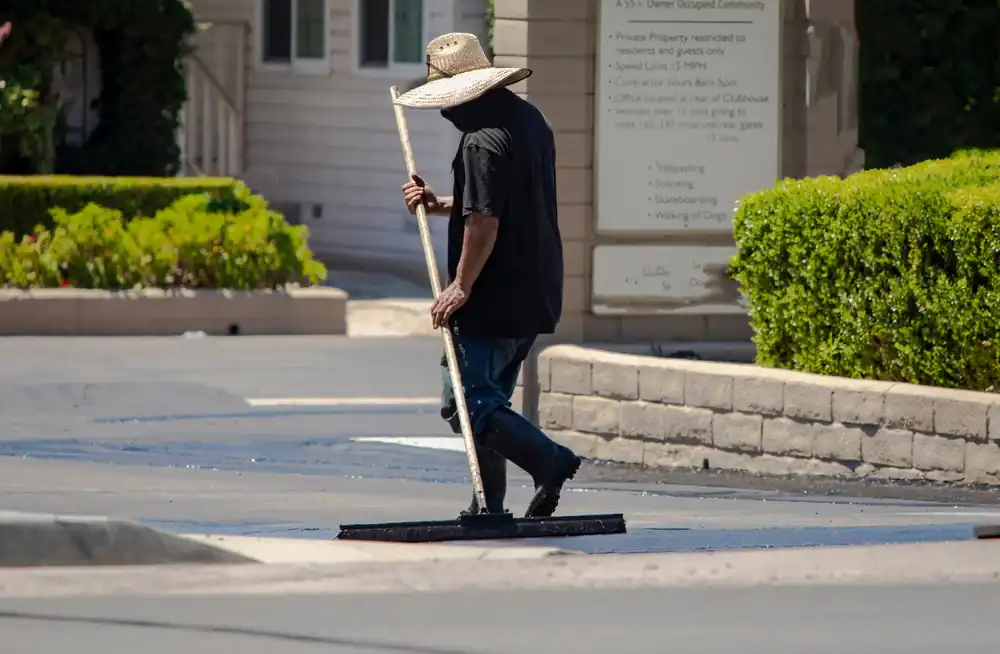
Here’s what happens to unprotected asphalt during a typical New Jersey winter. Water seeps into tiny cracks and pores in your driveway. When temperatures drop below freezing, that water expands by about 9%, creating pressure that widens existing cracks and creates new ones.
Come spring thaw, more water rushes into these enlarged cracks, and the cycle repeats. Each freeze-thaw cycle makes the damage exponentially worse. What started as hairline cracks become potholes that can swallow your car’s suspension.
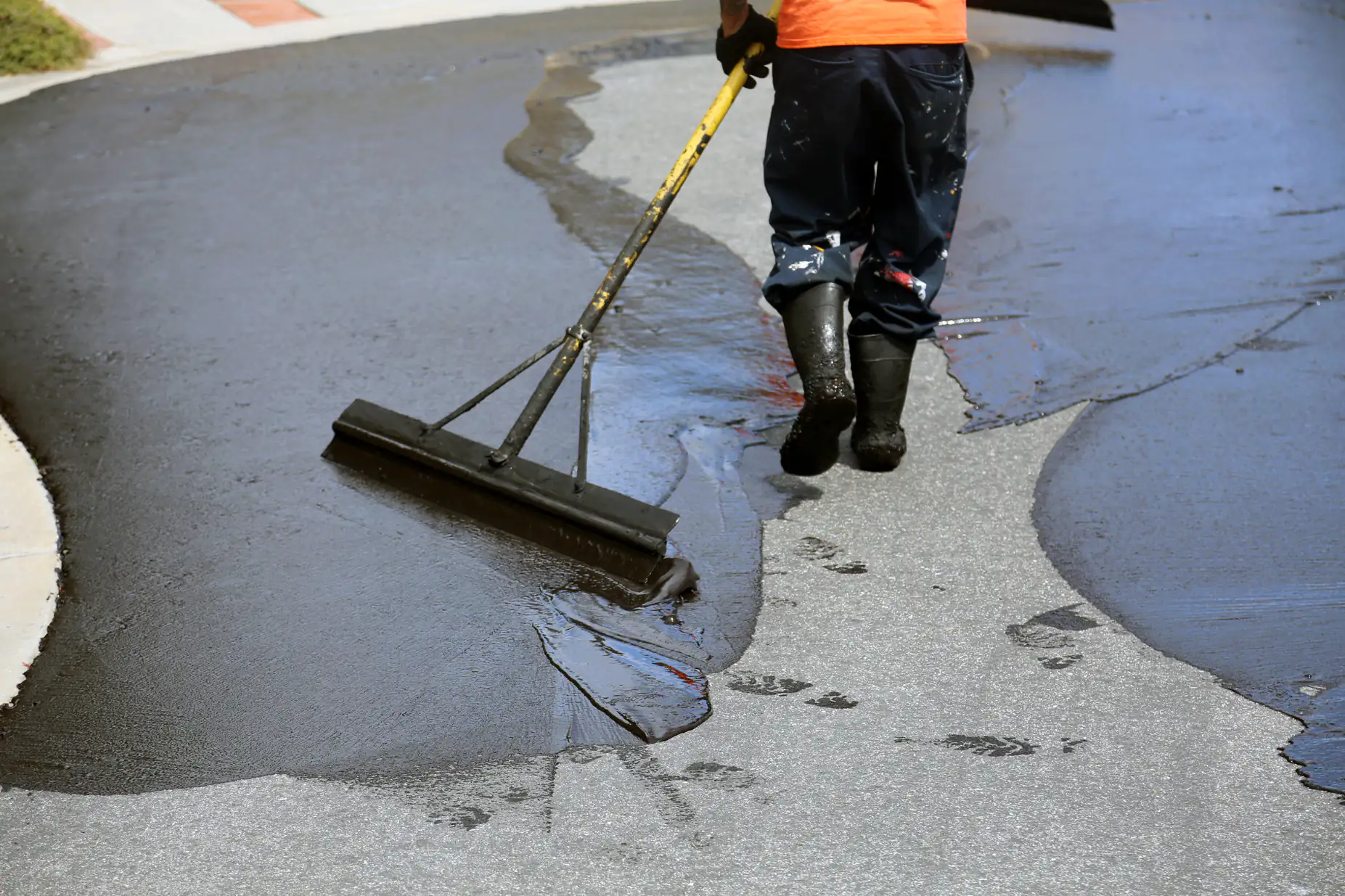
Fall sealcoating creates a waterproof barrier that blocks this infiltration. The dark, smooth surface sheds water instead of absorbing it. Even when temperatures fluctuate around the freezing point—something that happens frequently in our region—your sealed driveway remains protected.
The sealer also provides flexibility that helps your asphalt move slightly with temperature changes without cracking. Think of it as giving your driveway the ability to breathe while staying waterproof.
This protection is especially critical in Morris County, Essex County, Union County, and Warren County, where winter temperatures can swing dramatically. One day it’s 45 degrees and raining, the next it’s 15 degrees with snow. These rapid changes are exactly what destroy unprotected driveways.
The Science Behind Fall's Superior Sealcoating Performance
Temperature consistency is everything when it comes to sealcoating adhesion and curing. Fall provides the most stable weather patterns of any season, with fewer dramatic temperature swings that can interfere with the chemical bonding process.
During application, sealcoating needs to flow evenly across your driveway’s surface. Summer’s intense heat can cause the sealer to dry too quickly, creating an uneven application with weak spots. Winter applications are nearly impossible because the sealer won’t cure properly in cold temperatures.
Fall’s moderate temperatures allow the sealer to penetrate into your asphalt’s pores while maintaining the right consistency for smooth, even coverage. The cooler air also means less evaporation of the sealer’s liquid components, resulting in a thicker, more durable protective layer.
The timing also aligns perfectly with your asphalt’s natural cycle. Summer’s heat has made your driveway more pliable and receptive to sealer penetration, but it’s not so hot that the sealer can’t cure properly. By the time winter arrives, your sealcoating has had weeks or months to fully harden and bond.
We know that fall applications typically last longer than those applied in other seasons. The superior curing conditions create a more resilient barrier that stands up better to winter’s assault and summer’s UV rays.
Want live answers?
Connect with a Platinum Paving expert for fast, friendly support.
Fall Sealcoating Benefits That Save Money and Extend Driveway Life
The financial benefits of fall sealcoating become clear when you consider the alternative. Replacing a damaged driveway costs $3,000-$7,000 or more, while professional sealcoating runs $150-$500 depending on your driveway’s size.
Fall timing maximizes your return on investment because the sealer has maximum time to cure and bond before facing its first winter test. A properly applied fall sealcoating can extend your driveway’s life by 3-5 years, essentially paying for itself many times over.
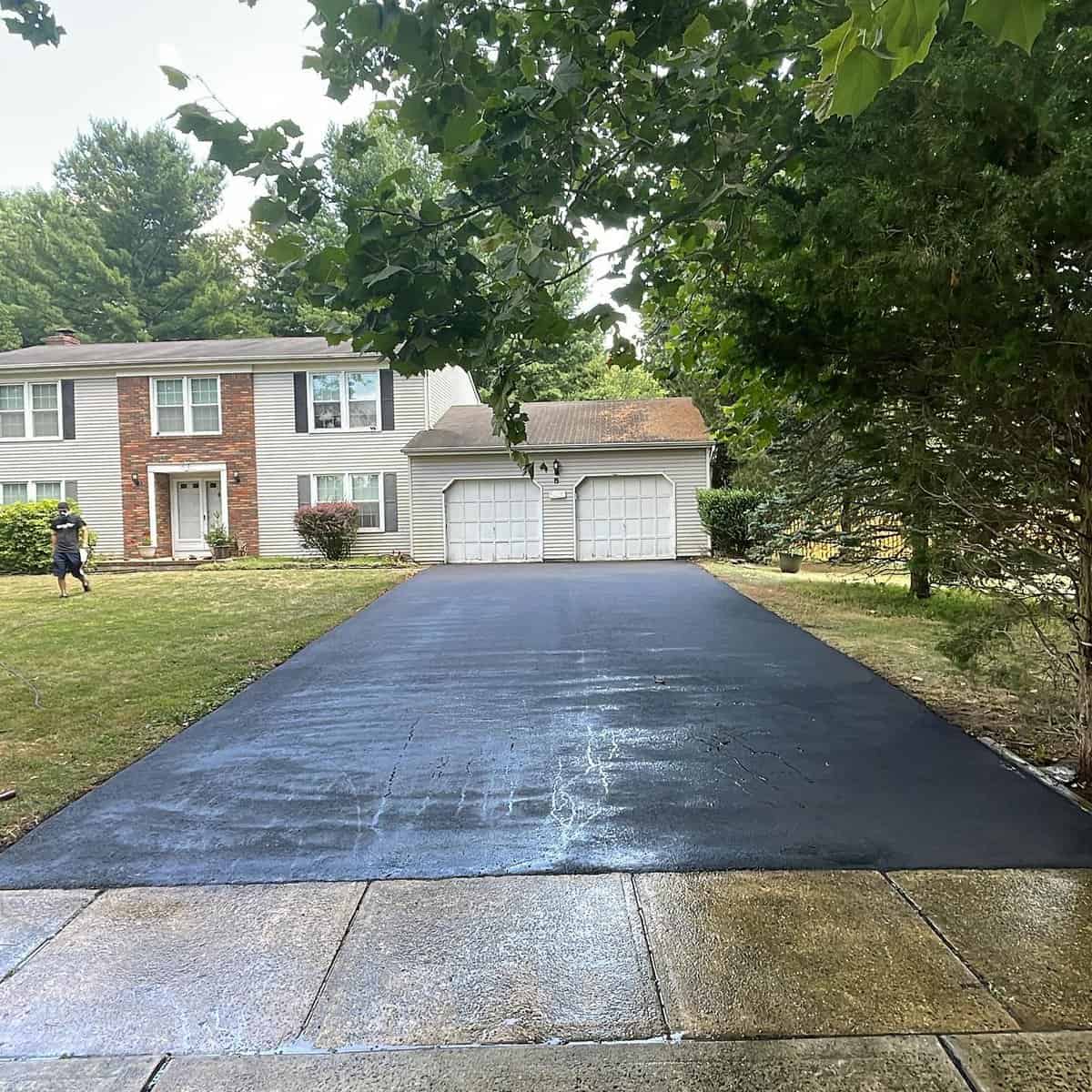
The aesthetic benefits matter too. Fresh sealcoating restores that rich, dark appearance that makes your property look well-maintained and increases curb appeal.
How Sealcoating Prevents Costly Spring Repairs in Morris County
Every spring, we see the same story repeated hundreds of times across Morris County, Essex County, Union County, and Warren County. Homeowners who skipped fall sealcoating discover extensive winter damage that requires expensive repairs.
Small cracks that could have been prevented with a $300 sealcoating job become $1,500 repair projects. Water infiltration leads to base damage that requires complete sections of driveway to be torn up and replaced. What started as routine maintenance becomes a major expense.
The most costly damage happens when water penetrates through cracks and reaches your driveway’s foundation. Once the base layer becomes compromised, you’re looking at structural repairs that can cost thousands of dollars. This type of damage is almost entirely preventable with proper sealcoating.
Fall sealcoating also protects against salt damage. Road salt and ice melt products are highly corrosive to asphalt. They break down the binding agents that hold your driveway together, creating a crumbly, deteriorated surface. A good sealcoating barrier prevents this chemical damage.
The dark surface of freshly sealed asphalt also absorbs more solar energy, helping snow and ice melt faster. This reduces the time corrosive materials sit on your driveway and minimizes the freeze-thaw cycles that cause the most damage.
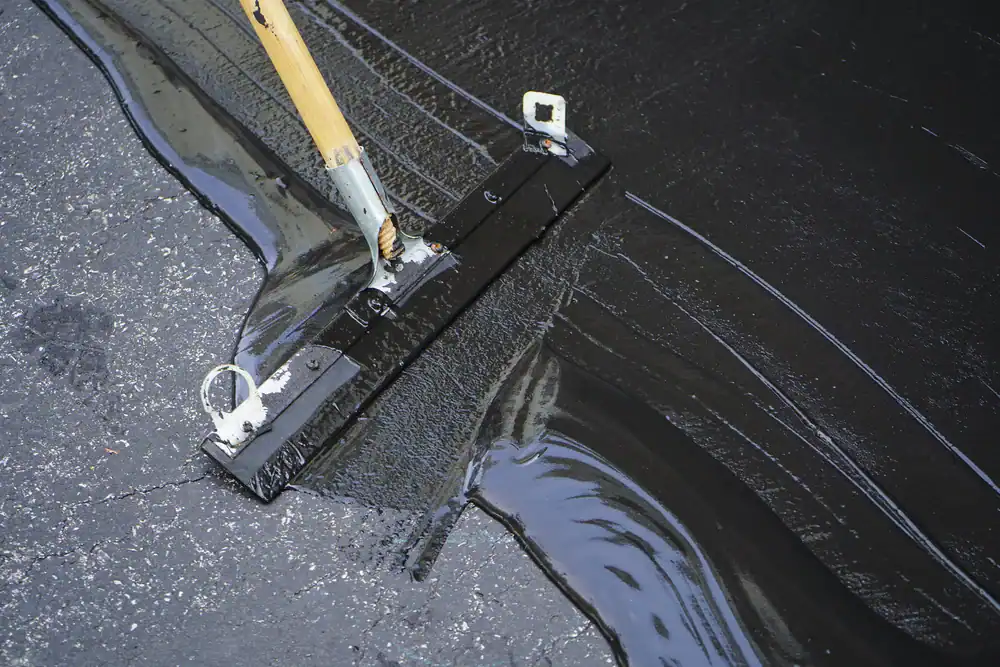
Long-Term Value: Why Fall Sealcoating Extends Asphalt Lifespan
A well-maintained asphalt driveway can last 15-20 years with proper care. Without sealcoating, that lifespan drops to 8-12 years. The difference comes down to protection from the elements that gradually break down asphalt’s structure.
UV rays from the sun are one of asphalt’s biggest enemies. They cause oxidation that makes the surface brittle and prone to cracking. Over time, this oxidation works deeper into the asphalt, weakening the entire structure. Sealcoating contains UV inhibitors that block this damage.
Water infiltration is the other major threat. Once water penetrates your driveway’s surface, it begins breaking down the binding agents that hold everything together. Freeze-thaw cycles accelerate this process dramatically. Fall sealcoating creates a waterproof barrier that prevents this deterioration.
The timing of fall application gives you maximum protection during the most damaging months. Your driveway enters winter with a fresh, fully-cured protective layer that shields it from salt, moisture, and temperature extremes.
Regular fall sealcoating every 2-3 years creates a maintenance cycle that keeps your driveway in excellent condition throughout its entire lifespan. Each application builds on the previous one, creating increasingly durable protection.
This proactive approach saves money in two ways: it prevents expensive repairs and extends the time before you need driveway replacement. When you consider that a new driveway costs 10-20 times more than sealcoating, the value becomes obvious.
Prepare Your NJ Driveway for Winter Success
Fall sealcoating isn’t just smart maintenance—it’s the difference between a driveway that survives New Jersey winters and one that becomes a costly casualty. The combination of ideal weather conditions, maximum curing time, and protection against winter’s worst damage makes autumn the clear choice for this crucial maintenance. If you are budgeting for it, our driveway sealcoating cost guide for NJ breaks the price down by driveway size.
Your driveway is one of your property’s most visible features and represents a significant investment. Protecting it with properly timed sealcoating ensures it continues adding value and curb appeal for years to come.
Don’t wait until spring damage forces expensive repairs. Take advantage of fall’s perfect conditions to give your driveway the protection it needs. We’re here to help you enter winter with confidence by providing expert sealcoating services when your driveway needs it most.
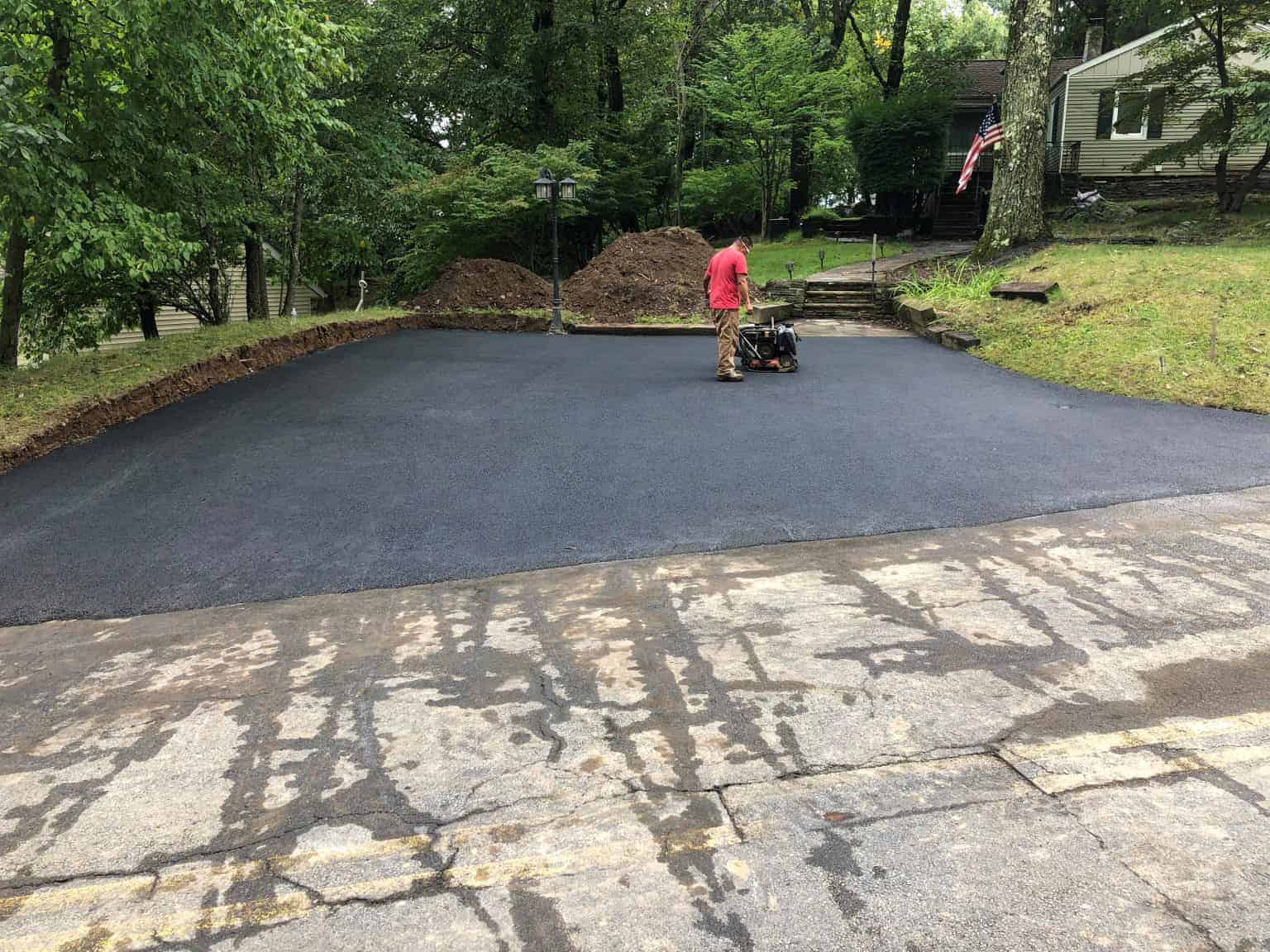
If sealcoating won’t be enough this year, say your driveway already has heavy cracking or standing water after rain, it may be time for full driveway paving near you instead. Our crews serve Morris, Sussex, and Somerset County and can tell you honestly which one your driveway actually needs.