Summary:
How Eco-Friendly Paving Materials Reduce Environmental Impact
Sustainable paving materials work differently than traditional asphalt and concrete by incorporating recycled content and requiring less energy to produce. Instead of mining new materials, eco-friendly options often use reclaimed asphalt pavement, recycled concrete, and other post-consumer materials.
This approach significantly reduces the carbon footprint of your paving project. Traditional paving materials require extensive mining, transportation, and high-temperature processing. Eco-friendly alternatives cut these requirements substantially, sometimes reducing carbon emissions by up to 30% compared to conventional materials.
Recycled Asphalt Pavement Benefits for Morris County Properties
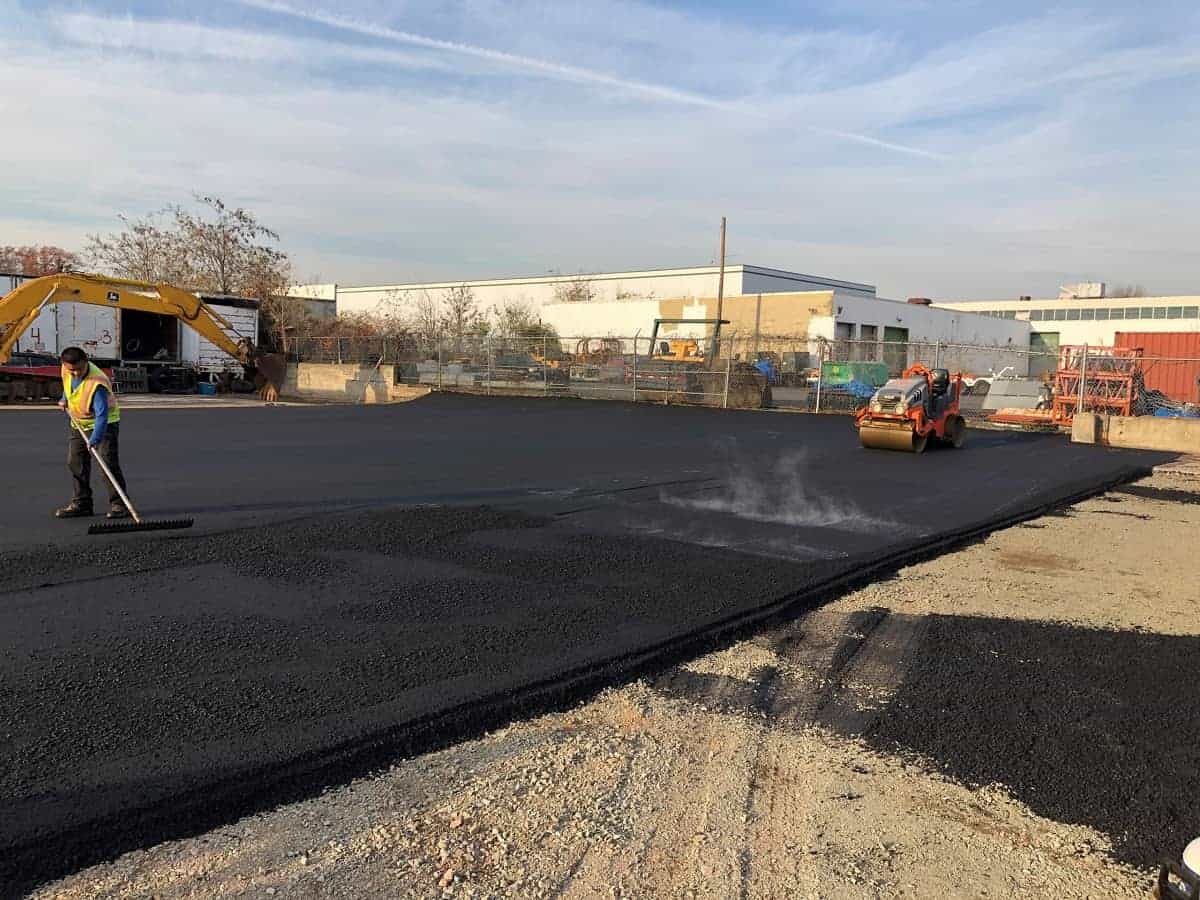
Recycled asphalt pavement represents one of the most successful recycling programs in the country, and it works particularly well for Morris County’s climate and soil conditions. When existing asphalt gets milled up during resurfacing projects, that material doesn’t end up in landfills. Instead, it becomes the foundation for new paving projects.
The process involves grinding up old asphalt and mixing it with new binding agents to create a material that’s often stronger and more flexible than virgin asphalt. This flexibility matters in New Jersey’s freeze-thaw cycles, where traditional materials can crack and deteriorate more quickly.
Using recycled asphalt reduces the need for new petroleum-based materials by up to 80% in some applications. For a typical Morris County driveway, this means preventing several tons of waste from entering landfills while reducing the demand for new oil-based asphalt production. The environmental math is straightforward: less mining, less manufacturing, less waste.
Property owners also benefit from cost savings. Recycled asphalt typically costs 10-20% less than virgin materials while often providing superior performance in local weather conditions. The material’s proven track record includes major highway projects throughout New Jersey, demonstrating its durability and reliability for residential and commercial applications.
Permeable Paving Solutions for Stormwater Management
Recycled asphalt pavement represents one of the most successful recycling programs in the country, and it works particularly well for Morris County’s climate and soil conditions. When existing asphalt gets milled up during resurfacing projects, that material doesn’t end up in landfills. Instead, it becomes the foundation for new paving projects.
The process involves grinding up old asphalt and mixing it with new binding agents to create a material that’s often stronger and more flexible than virgin asphalt. This flexibility matters in New Jersey’s freeze-thaw cycles, where traditional materials can crack and deteriorate more quickly.
Using recycled asphalt reduces the need for new petroleum-based materials by up to 80% in some applications. For a typical Morris County driveway, this means preventing several tons of waste from entering landfills while reducing the demand for new oil-based asphalt production. The environmental math is straightforward: less mining, less manufacturing, less waste.
Property owners also benefit from cost savings. Recycled asphalt typically costs 10-20% less than virgin materials while often providing superior performance in local weather conditions. The material’s proven track record includes major highway projects throughout New Jersey, demonstrating its durability and reliability for residential and commercial applications.
Want live answers?
Connect with a Platinum Paving expert for fast, friendly support.
Long-Term Environmental and Economic Benefits
The environmental benefits of eco-friendly paving extend well beyond the installation phase. These materials typically last longer than conventional options, reducing the frequency of replacement projects and their associated environmental costs.
Sustainable paving materials also contribute to reduced urban heat island effects, improved air quality, and better overall environmental health in Morris County communities. Understanding these long-term impacts helps property owners make informed decisions about their paving investments.
Reduced Urban Heat Island Effect in Morris County
Traditional dark asphalt absorbs and retains heat, contributing to higher temperatures in developed areas compared to surrounding natural areas. This urban heat island effect impacts energy costs, air quality, and overall comfort in Morris County’s more densely developed areas.
Eco-friendly paving materials address this issue through several approaches. Light-colored or reflective paving materials reflect more sunlight rather than absorbing it as heat. Some sustainable materials incorporate recycled glass or other reflective components that enhance this cooling effect.
Permeable paving provides additional cooling benefits through evaporation. When water filters through the material and evaporates from below, it creates a natural cooling effect similar to how trees and grass moderate temperatures. This process can reduce surface temperatures by 10-15 degrees compared to traditional asphalt on hot summer days.
The cumulative effect across multiple properties creates measurably cooler neighborhoods. This matters for Morris County residents dealing with increasing summer temperatures and rising energy costs. Cooler pavement means less heat radiating toward buildings, reducing air conditioning demands and associated energy costs.
Property owners often notice these benefits immediately. Driveways and walkways stay more comfortable for walking, and adjacent indoor spaces require less cooling. The environmental benefit extends to reduced energy consumption and lower carbon emissions from decreased air conditioning use throughout the community.
Air Quality Improvements Through Sustainable Paving Practices
Manufacturing traditional paving materials generates significant air pollution through high-temperature processing and transportation of raw materials. Eco-friendly paving materials reduce these emissions through lower processing temperatures, local sourcing, and reduced transportation requirements.
Recycled asphalt processing, for example, occurs at temperatures 50-100 degrees lower than virgin asphalt production. This temperature reduction translates directly to reduced fuel consumption and lower emissions during manufacturing. When materials are sourced locally, transportation emissions drop significantly compared to shipping materials from distant quarries or refineries.
Some eco-friendly paving materials go further by actively improving air quality. Photocatalytic concrete contains titanium dioxide that breaks down air pollutants when exposed to sunlight. While still emerging in residential applications, this technology demonstrates how paving materials can contribute positively to air quality rather than simply minimizing negative impacts.
The broader environmental benefit comes from supporting industries and practices that prioritize emission reduction. When Morris County property owners choose eco-friendly paving materials, they’re supporting manufacturers who invest in cleaner production methods and sustainable business practices.
Local air quality benefits matter particularly in Morris County’s mix of residential and commercial areas. Reduced emissions from construction materials contribute to better air quality for families and workers throughout the region. This is especially important near schools, healthcare facilities, and residential areas where air quality directly impacts community health.
Making Environmentally Responsible Paving Decisions
Eco-friendly paving materials offer substantial environmental benefits while often providing superior performance and cost savings compared to traditional options. From reducing carbon emissions and managing stormwater to improving air quality and reducing urban heat, these materials contribute to healthier Morris County communities.
The key is working with paving contractors who understand both the environmental benefits and proper installation techniques for sustainable materials. Each property has unique requirements, and the right approach depends on factors like drainage, traffic patterns, and local environmental considerations.
When you’re ready to explore eco-friendly paving options for your Morris County property, we can help you understand which sustainable materials work best for your specific situation and environmental goals.