Summary:
Your driveway cracks. You patch it. Next spring, more cracks. You’re wondering if you picked the wrong material or if you’re just stuck in an endless repair cycle.
The truth is simpler than most contractors will tell you: the material you choose determines your maintenance reality for decades. Concrete and asphalt behave completely differently when it comes to repairs, and in Sussex County’s freeze-thaw climate, that difference shows up in your wallet every few years.
This isn’t about which material is “better.” It’s about which one matches your budget, your timeline, and how much you’re willing to deal with maintenance. Let’s start with what actually happens when these materials need repair.
Is Asphalt Better Than Concrete for Driveways
Neither material is universally better. They’re built differently, age differently, and require completely different maintenance approaches.
Asphalt is flexible. It’s made from aggregate bound together with bitumen, a petroleum-based binder. That flexibility lets it expand and contract with temperature changes without cracking as easily. When North Jersey hits those freeze-thaw cycles, asphalt moves with the ground instead of fighting it.
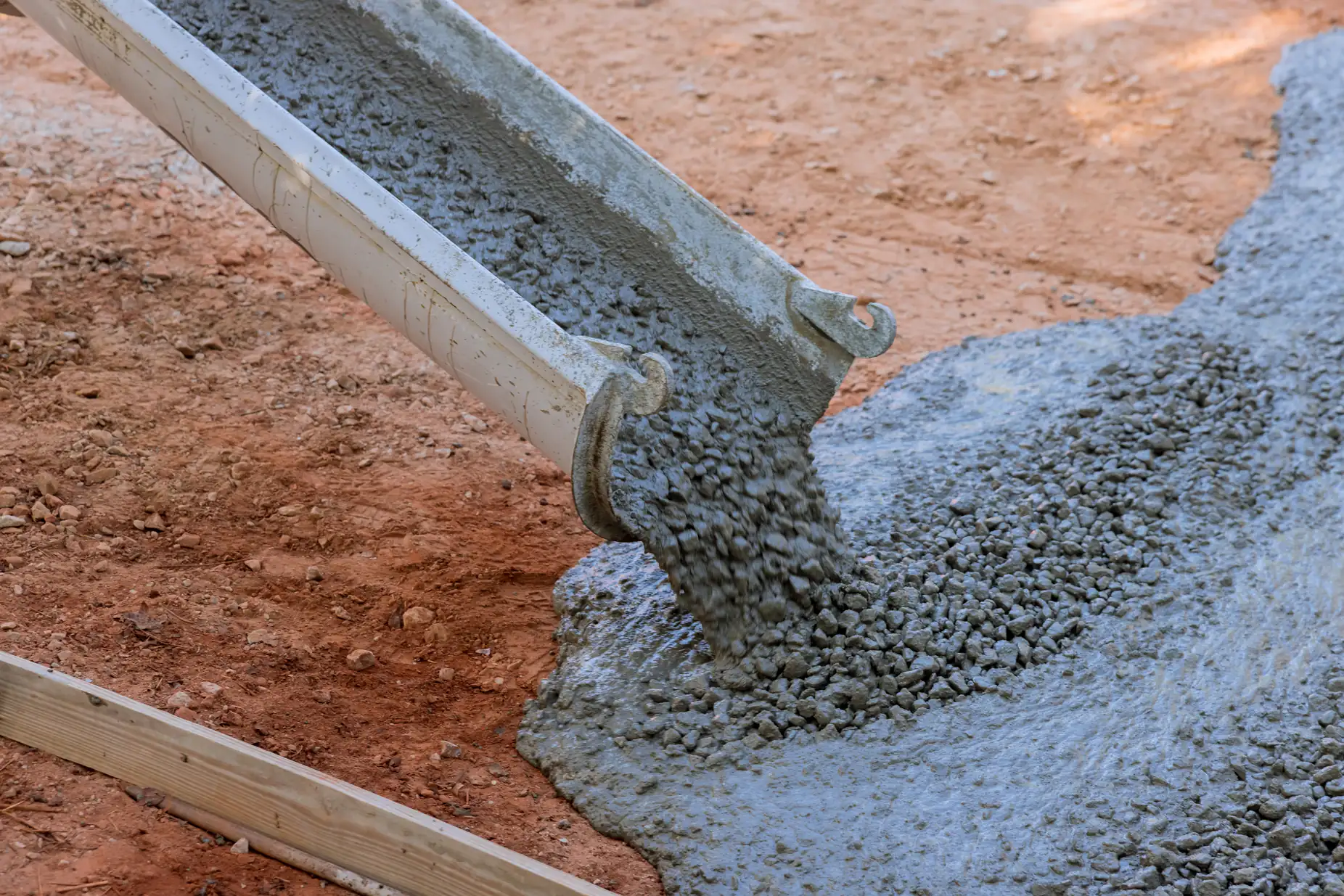
Concrete is rigid. It’s aggregate held together with cement paste. That rigidity makes it incredibly durable under the right conditions, but it also means concrete doesn’t forgive ground movement or extreme temperature swings. When water gets into concrete and freezes, the expansion creates cracks that spread.
The real question isn’t which material is better. It’s which one survives your specific conditions and fits how you actually use your driveway.
How Freeze-Thaw Cycles Affect Both Materials
Sussex County doesn’t mess around with winter. You get freeze-thaw cycles that other parts of New Jersey don’t see as often. Water seeps into tiny surface cracks during the day, then freezes overnight.
When water freezes, it expands about nine percent. That expansion generates up to 30,000 pounds per square inch of pressure inside your pavement. Enough force to split rock, let alone asphalt or concrete.
Asphalt’s flexibility gives it an advantage here. The material can handle some expansion without immediately cracking. Small cracks that do form are easier to seal before they become major problems. The dark color also helps asphalt absorb heat, which means snow and ice melt faster on the surface.
Concrete’s rigidity works against it in freeze-thaw conditions. Once a crack forms, it tends to spread. The light color means snow sits longer, creating more opportunities for water to seep in and refreeze. Areas near Lake Hopatcong see even more temperature fluctuations, which compounds the problem.
Both materials can handle North Jersey winters if they’re installed correctly. The difference shows up in how often you’re dealing with repairs and how much those repairs cost when they’re needed. Proper base preparation matters more than most homeowners realize. Water that can’t drain away from your driveway will find every weak point, regardless of whether you chose asphalt or concrete.
Your driveway’s base layer does most of the heavy lifting. If contractors skip proper compaction or don’t grade for drainage, you’ll see problems within a few years no matter which material sits on top.
Repair Complexity: Why It Matters More Than Initial Cost
Here’s what contractors don’t always explain upfront: asphalt repairs blend in. Concrete repairs don’t.
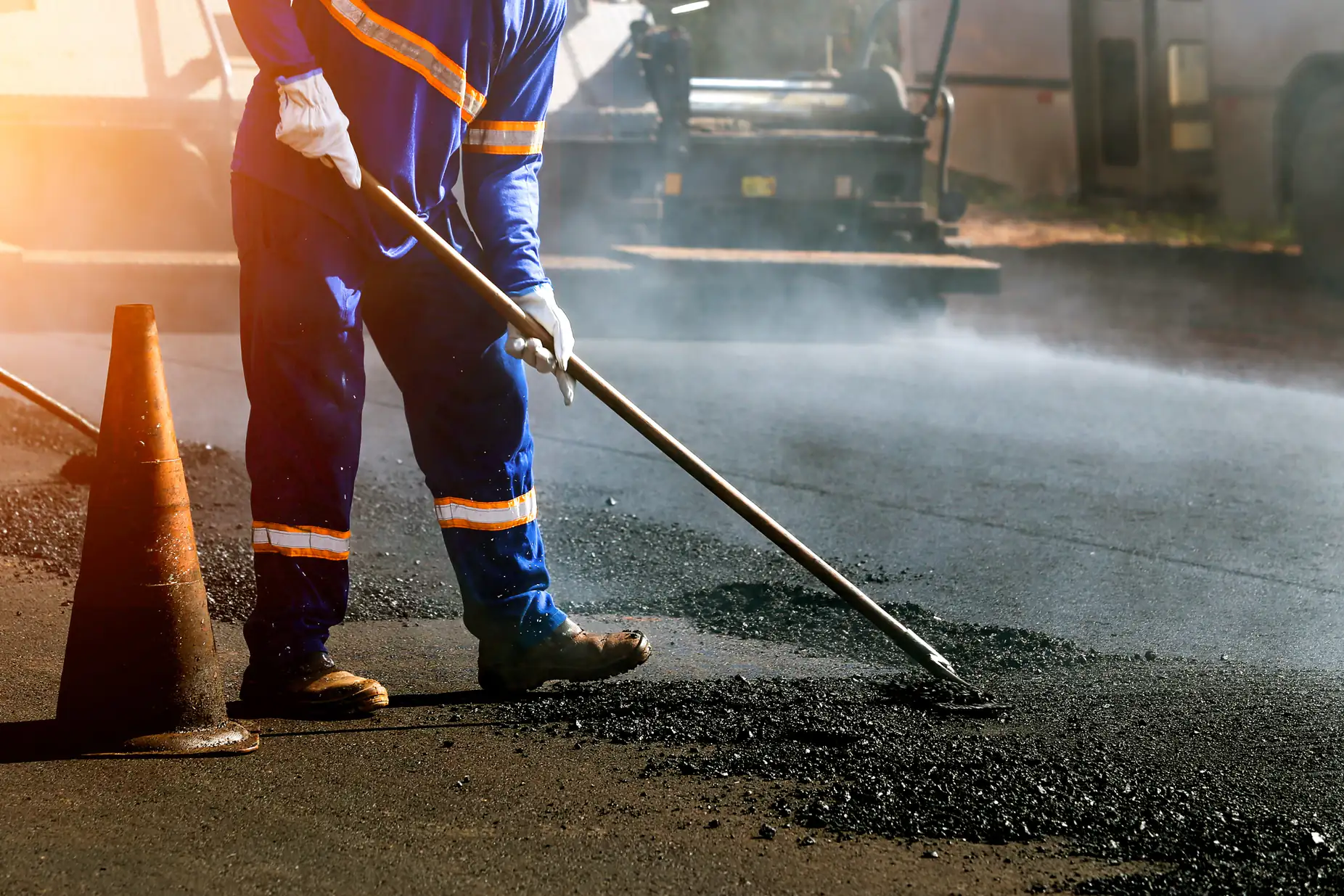
When you patch asphalt, the new material bonds with the old surface. After a few months of weathering, you can’t tell where the repair was done. The repair process is straightforward—clean out the damaged area, apply hot mix asphalt, compact it, and you’re done. Most asphalt driveway repairs cost between $250 and $800 depending on the extent of damage.
Concrete repairs are a different story. The new concrete never quite matches the old surface. Weather ages concrete, changing its color and texture. Even if your contractor uses the exact same mix, the repair will be visible. You’re looking at $300 to $3,000 for concrete driveway repairs, and the visible patch stays visible.
Resurfacing creates another major difference. Asphalt can be resurfaced by adding a new top layer over the existing surface. This gives you a brand-new driveway appearance for $200 to $2,200, depending on size. The old asphalt provides structural support, and the new layer seals everything.
Concrete can’t be resurfaced the same way. You can apply an overlay, but it’s more expensive ($850 to $2,900) and doesn’t always bond properly if the underlying concrete has significant damage. Often, concrete that’s badly damaged needs complete replacement rather than resurfacing.
The repair complexity affects your long-term costs more than the initial installation price. A concrete driveway might cost $6,000 to install versus $4,000 for asphalt. But if you’re spending $2,000 every ten years on concrete repairs that show, versus $500 every five years on asphalt repairs that blend in, the math changes over 30 years.
Maintenance schedules differ too. Asphalt needs sealcoating every two to three years, which costs $300 to $800 for a typical driveway. Skip it, and you’ll see accelerated deterioration. Concrete needs sealing less often—every five to ten years—but when repairs are needed, they’re more involved and expensive.
Want live answers?
Connect with a Platinum Paving expert for fast, friendly support.
Which Is Better for a Driveway: Concrete or Asphalt
The answer depends entirely on your situation. How long are you staying in your home? What’s your maintenance tolerance? How much are you willing to spend upfront versus over time?
If you’re planning to stay in your home for 30-plus years and want minimal maintenance, concrete makes sense despite the higher initial cost. A properly installed concrete driveway can last 40 to 50 years. You’ll deal with fewer repairs overall, though each repair costs more.
If you’re working with a tighter budget or you know you’ll move within 15 to 20 years, asphalt offers better value. The lower installation cost frees up money for other projects. The maintenance is more frequent but manageable, and repairs are affordable enough that they won’t derail your budget.
Climate plays a role too. Sussex County’s freeze-thaw cycles favor asphalt’s flexibility. Areas that see extreme cold followed by rapid warming put stress on rigid materials like concrete. That doesn’t mean concrete won’t work here—it absolutely does when installed correctly—but asphalt handles the temperature swings with less drama.
Cost Difference Between Asphalt and Concrete Over Time
Initial installation costs tell only part of the story. Let’s break down what you’re actually spending over 30 years.
Asphalt installation runs $3 to $7 per square foot for materials and labor. A standard two-car driveway (about 600 square feet) costs $1,800 to $4,200 to install. Add sealcoating every three years at $500, and you’re spending another $5,000 over 30 years. Assume two resurfacing projects at $1,500 each, and you’re at another $3,000. Total 30-year cost: roughly $9,800 to $12,200.
Concrete installation costs $6 to $12 per square foot. That same 600-square-foot driveway runs $3,600 to $7,200 upfront. Sealing every seven years at $400 means about $1,600 in maintenance over 30 years. If you need one major repair at $2,000 during that time, your total hits $7,200 to $10,800.
The numbers get closer than most people expect. Concrete’s higher upfront cost gets offset by lower maintenance frequency. Asphalt’s lower initial price gets balanced by more frequent maintenance needs.
What changes the math is major repairs. If your concrete develops significant cracking and needs sections replaced, you could spend $3,000 to $5,000 on a repair that’s still visible afterward. If your asphalt develops problems, resurfacing the entire driveway for $2,000 gives you what looks like a brand-new surface.
Your specific property conditions matter too. If you have drainage issues or unstable soil, you’ll spend more on repairs regardless of material. Proper base preparation during installation prevents most of these problems, but not every contractor does it right. Clay soil, common in parts of Sussex County, requires extra attention to compaction and drainage.
The cost difference isn’t dramatic enough to be the only deciding factor. What matters more is which maintenance schedule fits your lifestyle and which repair approach you’d rather deal with when problems inevitably show up.
Maintenance Reality: What You're Actually Signing Up For
Maintenance schedules look simple on paper. Reality is messier.
Asphalt maintenance happens more often but each task is straightforward. Sealcoating every two to three years takes a day. The contractor cleans your driveway, applies sealer, and you stay off it for 24 hours. Cost ranges from $300 to $800 depending on driveway size. Skip it, and you’ll see surface deterioration accelerate. Small cracks turn into bigger cracks. Water penetrates deeper. You end up needing repairs sooner.
Crack filling should happen as soon as you notice damage. Asphalt crack filler costs $5 to $15 for DIY products, or $100 to $1,000 for professional work depending on how extensive the cracking is. Catch cracks early, and you prevent water infiltration that leads to bigger problems.
Concrete maintenance is less frequent but more specific. Pressure washing removes stains and keeps the surface clean. Sealing every five to ten years protects against moisture and staining. The sealer application costs $150 to $300 for DIY or $500 to $800 for professional work.
Concrete stains more visibly than asphalt. Oil, rust, and other chemicals show up on the light surface. You’ll spend more time cleaning or dealing with discoloration. Some homeowners find this annoying. Others don’t care.
Both materials need immediate attention when damage appears. Water is the enemy. Any crack, no matter how small, gives water a path into your pavement structure. In North Jersey’s climate, that water freezes, expands, and makes the damage worse. A hairline crack you ignore in October becomes a pothole by April.
Drainage maintenance matters just as much as surface maintenance. Keep your driveway’s edges clear. Make sure water flows away from the pavement, not across it or pooling on the surface. Clean out any drainage structures regularly. Poor drainage causes more driveway failures than material choice ever will.
The maintenance schedule you can actually stick to matters more than the one that looks best on paper. If you know you’ll forget to sealcoat every few years, concrete’s less frequent maintenance might suit you better. If you’re comfortable with regular upkeep and want repairs that don’t show, asphalt makes more sense.
Making the Right Choice for Your Sussex County Driveway
Your driveway material isn’t a forever decision, but it’s a 20-to-40-year decision. Choose based on your actual situation, not what sounds better in theory.
Asphalt costs less upfront, handles freeze-thaw cycles well, and repairs blend invisibly. You’ll maintain it more often, but each maintenance task is affordable and straightforward. If you’re budget-conscious or planning to move within 15 to 20 years, asphalt delivers solid value.
Concrete costs more initially but lasts longer with less frequent maintenance. Repairs are more expensive and always visible, but you deal with them less often. If you’re staying long-term and want a lower-maintenance option, concrete makes sense despite the higher price.
Both materials work in Sussex County when installed correctly. Base preparation, proper drainage, and quality materials matter more than which surface you choose. Shortcuts during installation show up as expensive repairs within a few years.
If you’re trying to figure out which material fits your property and budget, we can walk through your specific situation. We install both asphalt and concrete throughout Morris, Sussex, and Somerset Counties, and we know what works in North Jersey’s climate.