Paving Contractor in Randolphville, NJ

Quality Asphalt Work Done Right

Licensed paving contractor delivering durable driveways and parking lots that last through New Jersey winters.

A freshly paved parking lot with no cars parked, several caution cones, small signs on poles, and a person walking across the lot. Residential buildings and trees are visible in the background.

Hear from Our Customers

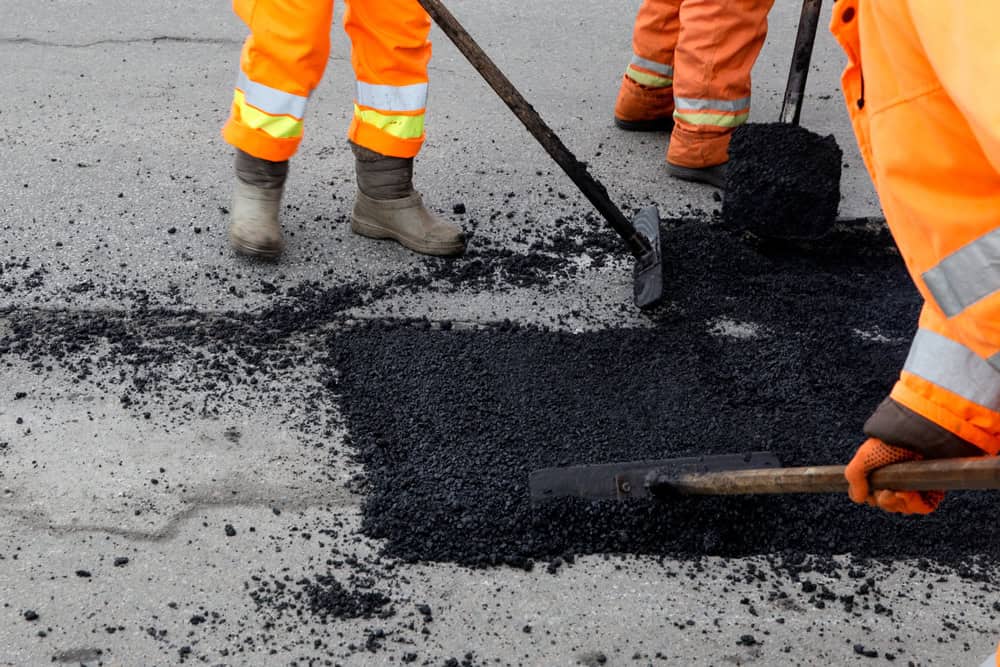
Workers in orange reflective clothing use shovels to spread asphalt while repairing a road. The image focuses on their legs and tools as they patch a section of damaged pavement.

Professional Asphalt Paving Services

Smooth Surfaces That Actually Last

Your driveway or parking lot takes a beating from New Jersey weather. Freeze-thaw cycles, heavy snow, and summer heat crack inferior asphalt within a few years.

Quality paving means using the right materials and proper installation techniques. You get smooth surfaces that drain properly, resist cracking, and maintain their appearance for years. No more puddles forming in low spots or weeds growing through cracks.

When the job’s done right, you stop worrying about your pavement. It handles daily traffic, looks professional, and protects your property value. That’s what proper asphalt paving delivers.

Licensed Randolphville Paving Company

Local Contractors Who Know Jersey

Platinum Paving has served Randolphville and surrounding areas for years, handling everything from residential driveways to commercial parking lots. We understand how New Jersey’s climate affects asphalt and use materials designed for local conditions.

Licensed and insured, we bring professional equipment and experienced crews to every job. We’ve worked with homeowners upgrading their driveways and business owners maintaining their properties.

We focus on transparent pricing and reliable service. When we give you a timeline and estimate, that’s what you can expect.
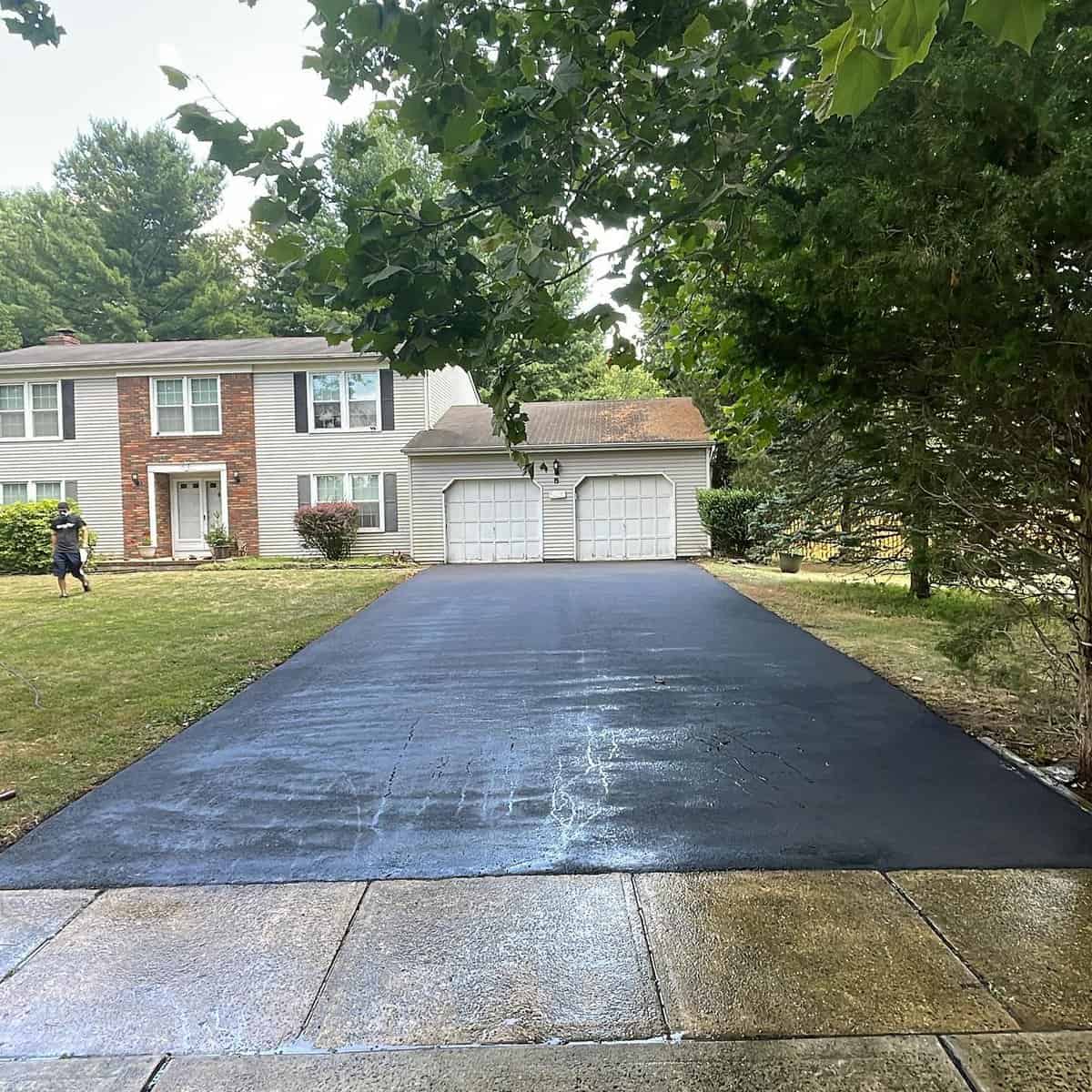
A freshly sealed black asphalt driveway leads to a two-car garage attached to a two-story house with brick and siding. Trees and grass surround the driveway, and part of a wet sidewalk is visible in the foreground.

Asphalt Paving Process Explained

Straightforward Process, Professional Results

Every paving project starts with site evaluation and a detailed written estimate. We examine drainage, existing conditions, and access requirements to plan the work properly.

Preparation involves excavation to proper depth, grading for drainage, and installing a solid base. This foundation work determines how long your pavement will last. Corners can’t be cut here.

Hot asphalt gets applied at the correct temperature and compacted with professional rollers. Proper compaction eliminates air pockets that cause premature failure. The surface is finished smooth and even, with clean edges and proper slopes for water runoff.

A large house with beige siding and stone accents has a newly paved black asphalt driveway. An orange road roller compactor is parked on the driveway, surrounded by trees and fallen leaves.

Ready to get started?

Explore More Services

About Platinum Paving

Get a Free Consultation

Complete Paving Services Available

Residential and Commercial Expertise

Platinum Paving handles both residential driveway projects and commercial parking lot work. Residential services include new driveway installation, replacement of deteriorated surfaces, and driveway extensions for additional parking.

Commercial clients get parking lot paving, repair work, and maintenance services. We work with property managers, business owners, and contractors on projects ranging from small repairs to complete lot reconstruction.

All work includes proper base preparation, quality asphalt materials, and professional finishing. Projects are completed efficiently to minimize disruption to your daily routine or business operations.

A small orange Kubota loader unloads debris into a blue dump truck parked on a residential street, while a worker stands on top of the truck near trees and power lines.
Most residential driveways take one to two days to complete, depending on size and existing conditions. Day one typically involves excavation, base preparation, and grading work. Fresh asphalt gets installed on day two when weather permits. Larger driveways or those requiring extensive prep work may need additional time. Commercial parking lots vary widely based on square footage and complexity, but we provide realistic timelines during the estimate process and keep you informed of progress.
Asphalt repair works when damage is localized – a few cracks, small potholes, or edge deterioration. These issues can be patched or sealed to extend the surface life. Full replacement becomes necessary when the base has failed, extensive cracking covers the surface, or the asphalt has reached the end of its useful life. During the site evaluation, we assess whether repair will provide lasting results or if replacement offers better value. Honest assessment saves you money in the long run.
You can typically walk on new asphalt within a few hours, but vehicles should stay off for 24-48 hours minimum. Hot weather extends this waiting period because asphalt stays softer longer. Heavy vehicles or turning wheels on fresh asphalt can leave permanent marks. We provide specific guidance based on weather conditions and asphalt temperature when we finish your project. Following these recommendations protects your investment and ensures the surface cures properly for maximum durability.
Most driveway replacement projects don’t require permits if you’re paving within existing boundaries. However, driveway extensions, changes to drainage patterns, or work affecting public right-of-way may need municipal approval. New commercial paving often requires permits and inspections. We’re familiar with local requirements and can guide you through the process. When permits are needed, getting them upfront prevents delays and ensures compliance with township regulations.
Square footage is the primary cost factor, but several other elements affect pricing. Site accessibility impacts equipment costs – tight spaces or steep grades require more time and effort. Existing surface conditions determine prep work needed. Poor drainage or failed base materials increase project scope. Asphalt thickness requirements vary based on expected traffic loads. We provide detailed written estimates breaking down these factors so you understand exactly what you’re paying for and why.
Sealcoating every 2-3 years protects asphalt from water infiltration and UV damage. Address cracks promptly before they expand and allow water to reach the base. Keep the surface clean of debris and standing water. Avoid parking heavy vehicles in the same spot repeatedly, especially during hot weather. Snow removal should use plastic shovels rather than metal to prevent surface damage. These simple maintenance steps can double your pavement’s lifespan and keep it looking professional for years.