Paving Contractor in Rainbow Lakes, NJ

Smooth Surfaces That Last Years

Quality asphalt paving for driveways, parking lots, and commercial properties throughout Rainbow Lakes.

A freshly paved asphalt parking lot with orange traffic cones and signs blocking entry. A person from Paving Contractors Morris, NJ is working on the lot, with nearby buildings and parked cars under a blue sky in Sussex & Somerset County.

Hear from Our Customers

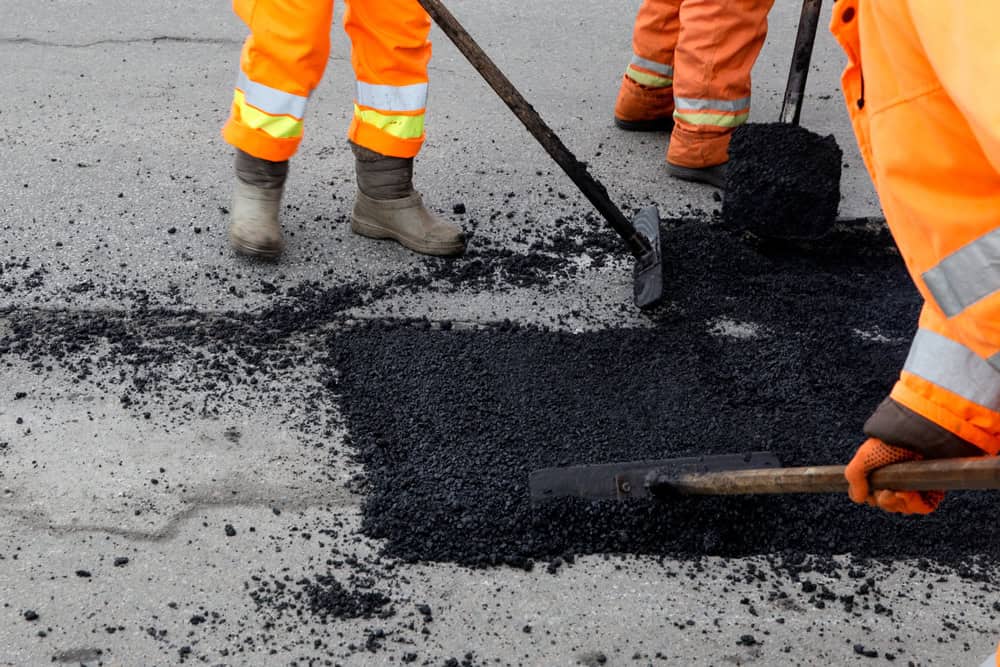
Three workers in orange reflective clothing and boots from Paving Contractors Morris are spreading and leveling fresh asphalt on a road surface using shovels and rakes. The focus is on their legs and the tools in Sussex & Somerset County, NJ.

Professional Asphalt Paving Services

What You Get With Professional Paving

Your property gets a smooth, durable surface that handles New Jersey weather without cracking or developing potholes every winter. No more scraping your car’s undercarriage on uneven pavement or watching customers avoid your business because your parking lot looks like a war zone.

Professional asphalt paving means proper drainage that directs water away from your foundation instead of pooling around your property. You get materials designed for our freeze-thaw cycles and installation techniques that prevent the edge crumbling and surface deterioration you see with rushed jobs.

The result is a surface that enhances your property value, looks professional, and saves you money on repairs. Whether it’s your home’s driveway or your business’s parking area, quality paving work pays for itself by lasting longer and requiring fewer fixes.

Licensed Rainbow Lakes Paving Company

Local Contractors Who Know New Jersey

Platinum Paving has been serving Rainbow Lakes and surrounding New Jersey communities with residential and commercial paving services. As a licensed paving contractor, we understand the specific challenges that New Jersey weather presents to asphalt surfaces.

We focus on quality workmanship using proper materials and techniques suited for local conditions. Our crew has experience with everything from residential driveways to large commercial parking lots, bringing the same attention to detail to every project.

Being locally based means we’re available for follow-up service and stand behind our work in the community where we live and operate.
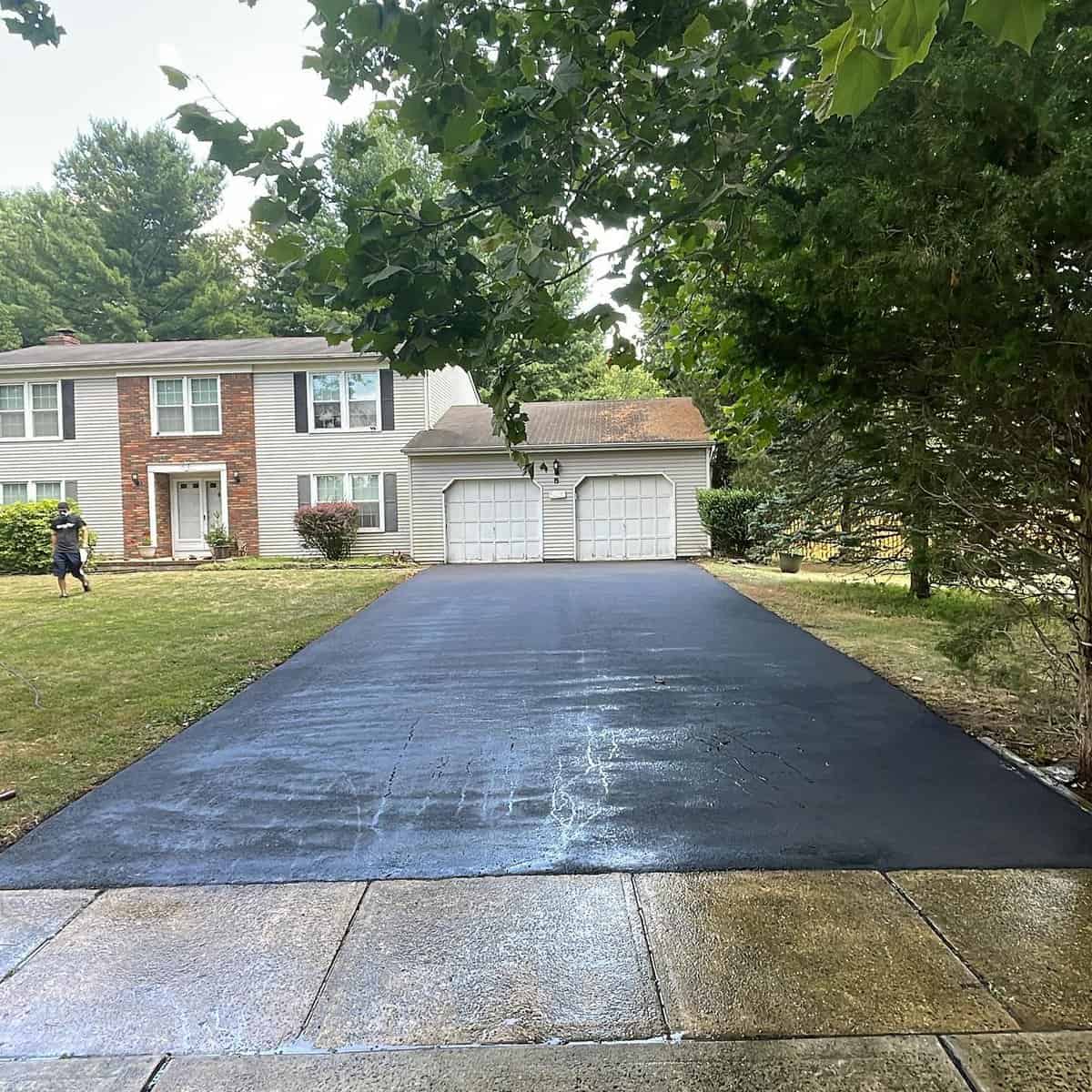
A freshly paved black asphalt driveway by Paving Contractors Morris, NJ, leads to a two-car garage attached to a light-colored suburban house with brick accents, surrounded by grass, trees, and wet pavement in the foreground.

Professional Paving Process

How Quality Paving Actually Gets Done

Every paving project starts with proper site preparation. The existing surface gets evaluated, and any necessary repairs to the base are completed before new asphalt goes down. This foundation work determines how long your pavement will last.

Next comes grading and drainage setup. Water is asphalt’s biggest enemy, so proper slope and drainage systems get installed to direct water away from the surface and your property’s foundation. This step prevents the pooling and frost damage that destroy most paving jobs.

The asphalt application uses professional-grade equipment to ensure even thickness and proper compaction. Temperature and timing matter here – the material needs to be applied at the right heat and compacted while it’s still workable. Finally, edges get sealed and any necessary striping or marking gets applied once the surface has properly cured.

A new asphalt driveway in NJ is being compacted by an orange roller in front of a large, two-story house with light siding and a two-car garage, surrounded by trees. Paving Contractors Morris serve Sussex & Somerset County.

Ready to get started?

Explore More Services

About Platinum Paving

Get a Free Consultation

Complete Paving Solutions

What's Included In Professional Paving

Professional paving service includes site evaluation, base preparation, proper drainage installation, and quality asphalt application. You get materials selected for New Jersey’s climate conditions and installation techniques that prevent common failure points like edge cracking and surface deterioration.

The service covers both residential driveway paving and commercial parking lot projects. Each job includes proper compaction using professional equipment, not just hand tools that leave soft spots. Drainage solutions get customized to your property’s specific needs and local water flow patterns.

Rainbow Lakes properties face unique challenges with seasonal temperature swings and occasional flooding. We account for these local conditions in material selection and installation methods, ensuring your investment holds up to what nature throws at it.

A small orange skid steer loader dumps material into a blue dump truck on a residential street, while a worker stands on top. Paving Contractors Morris, NJ, Sussex & Somerset County complete the job amid trees and houses in the background.
Quality asphalt paving in New Jersey typically lasts 15-20 years with proper installation and maintenance. The key is using materials designed for our freeze-thaw cycles and ensuring proper drainage from the start. Cheap installations might look fine initially but often fail within 5-7 years due to inadequate base preparation or poor drainage. Regular sealcoating every 3-4 years and prompt crack repair can extend the life of your pavement significantly. The upfront investment in quality materials and professional installation pays off by avoiding costly replacements down the road.
Commercial paving requires thicker asphalt layers and stronger base preparation to handle heavier vehicle loads and constant traffic. Residential driveways typically use 2-3 inches of asphalt, while commercial parking lots need 3-4 inches or more depending on expected traffic. Commercial projects also require more complex drainage systems and often include striping, handicap compliance, and specific grade requirements. The equipment and crew size differ too – commercial jobs need larger pavers and rollers to handle the scale efficiently. Both require proper base work, but commercial paving has stricter specifications for load-bearing capacity.
If more than 30% of your pavement shows significant cracking, potholes, or drainage issues, replacement usually makes more sense than patching. Surface cracks and minor settling can often be repaired, but widespread alligator cracking or base failure requires starting over. Poor drainage that causes repeated problems is another sign that repairs won’t solve the underlying issue. A professional evaluation can determine if your base is still solid or if water damage has compromised the foundation. Sometimes what looks like a surface problem actually indicates deeper structural issues that repairs can’t fix long-term.
Most residential driveways take 1-2 days to complete, while commercial projects vary based on size and complexity. Day one typically involves site preparation, base work, and drainage installation. The actual asphalt application usually happens on day two when weather conditions are optimal. You’ll need to keep vehicles off the new surface for 24-48 hours while it cures, though you can walk on it sooner. We’ll coordinate with you on access needs and timing to minimize disruption. Weather can affect scheduling since asphalt needs specific temperature conditions for proper installation.
Residential driveway paving typically ranges from $3-7 per square foot depending on site conditions, thickness requirements, and drainage needs. Commercial projects vary more widely based on size, traffic requirements, and site complexity. Factors affecting cost include existing surface removal, base repair needs, drainage installation, and access difficulty. Getting multiple quotes helps, but be wary of estimates that seem significantly lower – they often indicate shortcuts in materials or preparation that lead to premature failure. Quality paving is an investment that pays off through longevity and reduced maintenance costs.
Late spring through early fall provides the best conditions for asphalt paving in New Jersey. Temperatures need to be consistently above 50°F for proper installation and curing. Summer months are ideal, but scheduling fills up quickly during peak season. Early fall can be excellent if weather cooperates, often with better availability and pricing. Winter paving is possible but limited to emergency repairs since cold temperatures prevent proper compaction and curing. Planning your project for late spring or early summer gives you the best weather conditions and more flexibility in scheduling around your needs.