Paving Contractor in Peapack and Gladstone

Your Driveway Deserves Better Than Patches

Professional asphalt paving that actually lasts, from a local contractor who shows up when promised.

A freshly paved parking lot with no cars parked, several caution cones, small signs on poles, and a person walking across the lot. Residential buildings and trees are visible in the background.

Hear from Our Customers

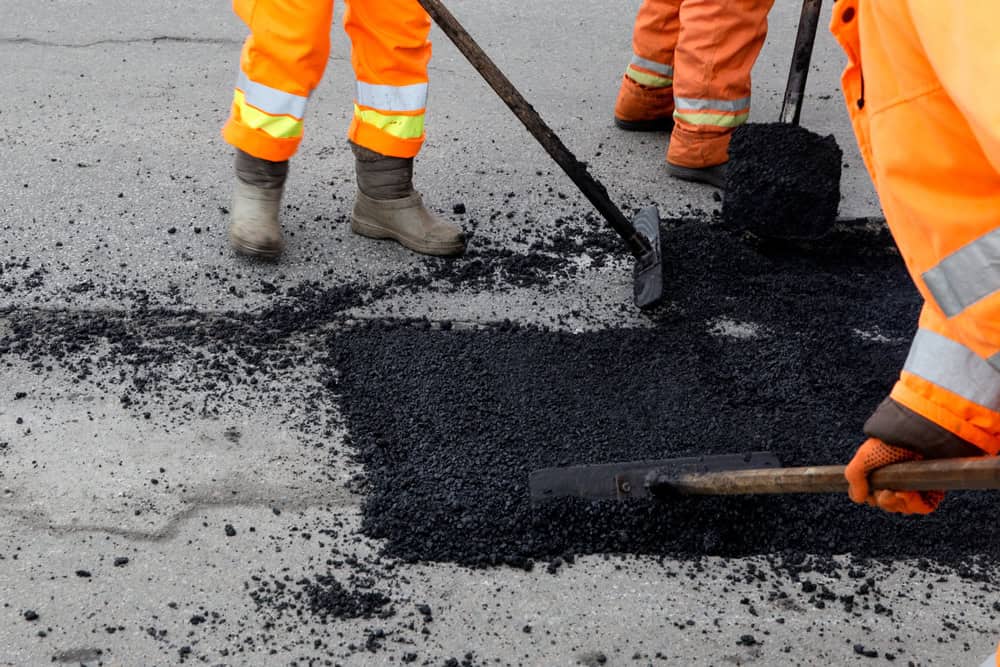
Workers in orange reflective clothing use shovels to spread asphalt while repairing a road. The image focuses on their legs and tools as they patch a section of damaged pavement.

Professional Asphalt Paving Services

What Proper Paving Actually Gets You

You get a driveway that doesn’t embarrass you when neighbors drive by. No more avoiding eye contact when guests pull up to cracked, patchy asphalt that screams “deferred maintenance.”

Proper paving means water flows where it should instead of pooling against your foundation. It means smooth surfaces that don’t scrape your car’s undercarriage or create tripping hazards for family and visitors.

Most importantly, you get peace of mind knowing the job was done right the first time. No callbacks for settling. No surprise drainage issues six months later. Just solid, professional asphalt paving that holds up to New Jersey winters and looks good doing it.

Licensed Paving Company

We Actually Show Up and Finish

We’ve been handling residential and commercial paving projects throughout Peapack, Gladstone, and the surrounding Somerset County area for years. We’re licensed, insured, and local.

That means when you call, you’re talking to people who understand New Jersey’s climate challenges and local permit requirements. We know what materials work best in this area and how to prep surfaces properly for our freeze-thaw cycles.

You won’t get the runaround about scheduling or surprise charges halfway through your project. We quote the job, show up when promised, and clean up when we’re done.
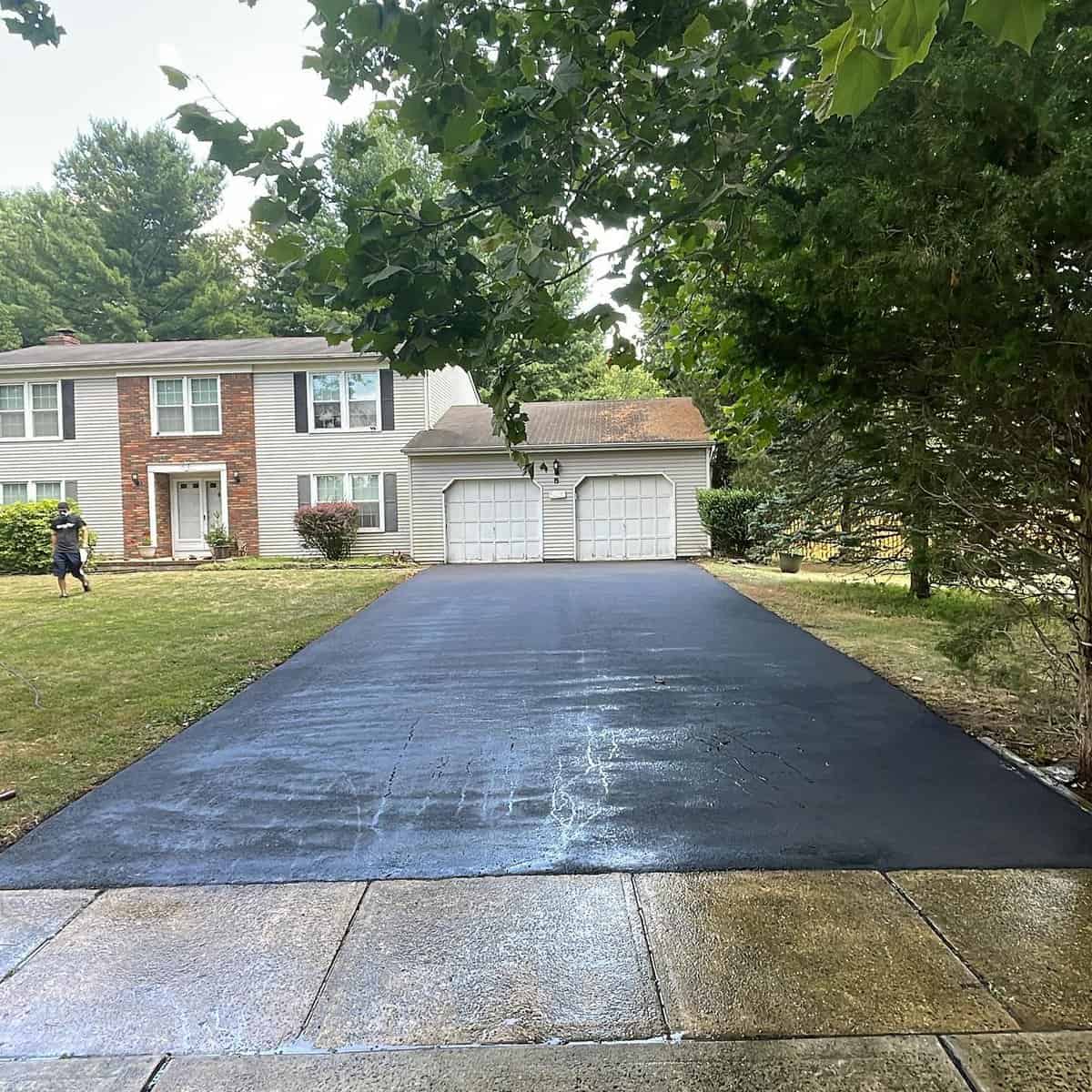
A freshly sealed black asphalt driveway leads to a two-car garage attached to a two-story house with brick and siding. Trees and grass surround the driveway, and part of a wet sidewalk is visible in the foreground.

Driveway Paving Process

Here's How We Handle Your Project

First, we come out to assess your current pavement and drainage situation. We measure everything, check for underlying issues, and give you a straightforward quote with no hidden fees.

Once you approve the work, we schedule around your needs and the weather. We remove old asphalt if necessary, grade and compact the base properly, and install new asphalt using commercial-grade materials and equipment.

The final step is cleanup and a walkthrough so you can see exactly what was done. We make sure you’re satisfied with the work before considering the job complete. Most residential driveways are finished in one to two days, depending on size and complexity.

A large house with beige siding and stone accents has a newly paved black asphalt driveway. An orange road roller compactor is parked on the driveway, surrounded by trees and fallen leaves.

Ready to get started?

Explore More Services

About Platinum Paving

Get a Free Consultation

Residential and Commercial Paving

What's Included in Professional Paving

Every paving project starts with proper site preparation. That means excavation to the right depth, proper grading for drainage, and base material that’s compacted correctly. Shortcuts here cause problems later.

We handle both residential driveway paving and commercial parking lot projects throughout Peapack and Gladstone. Whether you need a small residential driveway or a large commercial parking area, we use the same attention to detail and quality materials.

You also get proper edge work, clean lines, and surfaces that are smooth and even. For commercial projects, we coordinate parking lot striping and can handle ADA compliance requirements. Every job includes cleanup and a final inspection to make sure everything meets our standards.

A small orange Kubota loader unloads debris into a blue dump truck parked on a residential street, while a worker stands on top of the truck near trees and power lines.
Most residential driveway paving projects take one to two days from start to finish, depending on the size and complexity of the job. Simple replacement driveways can often be completed in a single day, while larger driveways or those requiring extensive base work might take two days. We always give you a realistic timeline upfront and stick to it. Weather can affect scheduling, especially during New Jersey’s unpredictable spring and fall seasons, but we’ll keep you informed if any delays are necessary. Commercial parking lot projects typically take longer, and we’ll coordinate with your business schedule to minimize disruption.
Asphalt repair works when you have isolated cracks or small problem areas, but it’s not a permanent solution for driveways with widespread damage. If more than 30% of your driveway has cracks, potholes, or drainage issues, replacement usually makes more financial sense. Repairs can buy you time, but they’re temporary fixes that often need attention again within a year or two. Full replacement gives you a fresh start with proper base preparation, correct grading for drainage, and new asphalt throughout. We’ll assess your current driveway honestly and recommend the most cost-effective approach based on the actual condition, not what makes us the most money.
Most driveway replacement projects don’t require permits if you’re staying within the existing footprint and not changing drainage patterns. However, if you’re expanding your driveway, adding new pavement, or making changes that affect stormwater runoff, permits may be required. Each municipality has different requirements, and we’re familiar with local regulations in both Peapack and Gladstone. We’ll let you know upfront if permits are needed and can help guide you through the process. It’s always better to check than assume, especially in New Jersey where local codes can be strict about stormwater management and setback requirements.
Any legitimate paving contractor should provide proof of licensing and insurance without you having to ask twice. In New Jersey, paving contractors need proper business licenses and should carry both general liability and workers’ compensation insurance. Don’t just take their word for it – ask to see current certificates and verify the coverage amounts. A professional contractor will have no problem providing this documentation and may even include it with their initial quote. Red flags include contractors who show up at your door unsolicited, demand payment upfront, or can’t provide proper licensing and insurance documentation when asked.
Driveway paving costs in Peapack and Gladstone typically range from $3 to $7 per square foot for standard residential projects, depending on the scope of work and current pavement condition. Simple overlay projects cost less than full-depth replacement, but replacement lasts longer and often makes more sense for older driveways. Factors that affect pricing include the amount of excavation needed, base material requirements, drainage considerations, and access to your property. We provide detailed written estimates that break down all costs so you know exactly what you’re paying for. Beware of quotes that seem too good to be true – they usually are, and you’ll end up paying more in the long run for repairs and redo work.
Late spring through early fall offers the best conditions for asphalt paving in New Jersey. We need consistent temperatures above 50 degrees and dry conditions for proper installation and curing. Summer and early fall are ideal because the weather is more predictable and asphalt cures better in warm conditions. Winter paving is possible but not recommended except for emergency repairs, as cold temperatures affect how well the asphalt compacts and bonds. Spring can be tricky due to unpredictable weather and ground conditions from winter freeze-thaw cycles. We recommend scheduling your project well in advance, especially for spring and fall work when demand is highest and weather windows can be limited.