
Parking Lot Paving in Seventh Avenue, NJ

Your Parking Lot Reflects Your Business Standards

Professional parking lot paving that enhances your property value and eliminates costly repairs for decades.

A blue dump truck with a black bed is parked, towing a flatbed trailer carrying an orange backhoe in an empty parking lot—perfect equipment for NJ Paving Contractors serving Morris, Sussex & Somerset County. Trees and a building are visible in the background.

Hear from Our Customers

An empty parking lot with freshly painted yellow lines stretches before a brick building, expertly finished by paving contractors in Morris, Sussex & Somerset County, NJ. In the background are houses, green lawns, trees, and a clear blue sky.

Commercial Parking Lot Paving Seventh Avenue

Smooth Surfaces That Handle Heavy Traffic

Your customers notice everything about your property before they walk through your doors. Cracked, uneven pavement sends the wrong message about your business standards.

When you invest in professional parking lot paving in Seventh Avenue, NJ, you’re creating a surface that withstands New Jersey’s harsh freeze-thaw cycles. No more worrying about liability from potholes or losing customers because your lot looks neglected.

The right asphalt installation eliminates water infiltration that destroys pavement from below. You get decades of reliable service instead of expensive repairs every few years.

Seventh Avenue Asphalt Parking Lot Contractors

Two Decades Serving New Jersey Businesses

We’ve been handling commercial parking lot projects throughout New Jersey for over 20 years. We understand how the state’s temperature swings affect asphalt performance.

As a family-owned company, we work with businesses that need their parking areas to look professional and function properly. From small office complexes to large retail centers, we’ve seen what works and what fails in New Jersey’s climate.

Our approach focuses on explaining why certain methods work better than others. You get transparent recommendations based on your specific situation, not a one-size-fits-all solution.

Empty parking lot with black asphalt and painted white lines marking spaces; a gray sidewalk is visible in the lower right corner. Paving Contractors Morris serve Sussex & Somerset County, NJ, ensuring quality surfaces like this.

Parking Lot Installation Process Seventh Avenue

The Right Process Prevents Future Problems

Every parking lot paving project starts with site analysis and proper foundation preparation. The existing base gets evaluated for drainage patterns and structural integrity.

Excavation removes any compromised material, followed by installation of a properly graded aggregate base. This foundation determines how well your pavement performs for years to come.

Hot mix asphalt gets laid in the appropriate thickness for your traffic load. The critical step is compaction—using heavy rollers to achieve target density that prevents water infiltration and ensures long-term durability. Temperature during compaction and rolling patterns make the difference between a surface that lasts decades versus one that fails within years.
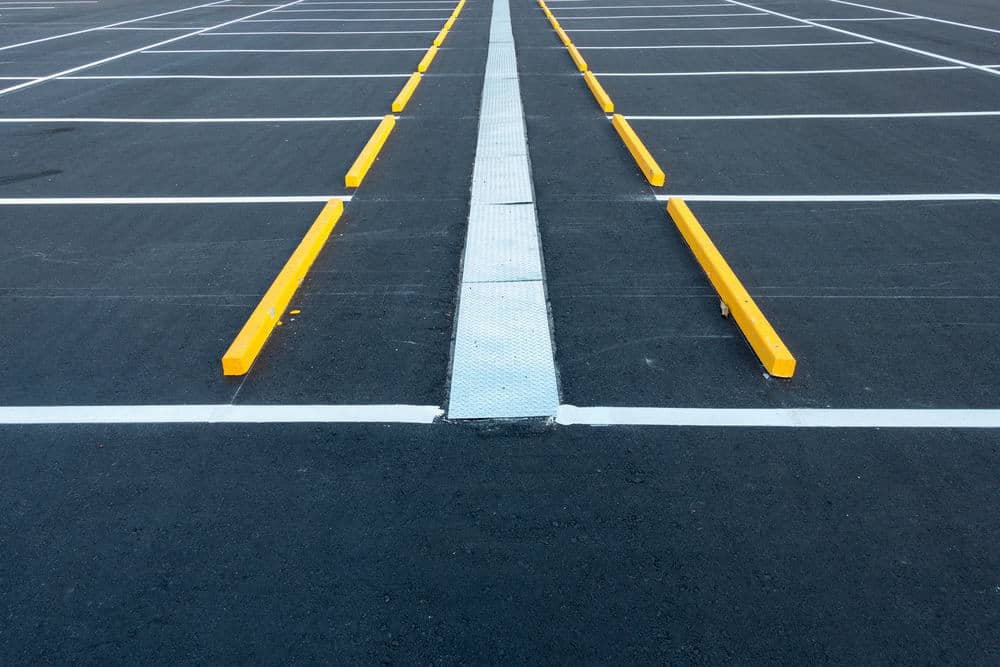
Empty parking lot with freshly painted white lines and yellow wheel stops, viewed from ground level with a concrete divider—expertly finished by top NJ paving contractors serving Sussex & Somerset County, including Morris.

Ready to get started?

Explore More Services

About Platinum Paving

Get a Free Consultation

Asphalt Parking Lot Services Seventh Avenue

Complete Commercial Paving Solutions

Parking lot paving in Seventh Avenue, NJ requires understanding local conditions. The area experiences significant temperature fluctuations that cause asphalt expansion and contraction throughout winter months.

Professional installation includes proper base preparation, appropriate asphalt mix design for New Jersey weather, and compaction techniques that achieve optimal density. This prevents the premature cracking that plagues improperly installed lots.

Additional services include parking lot resurfacing for existing surfaces, concrete parking lot options for specific applications, and blacktop parking lot paving using proven materials. Each project gets customized based on traffic patterns, drainage requirements, and budget considerations.
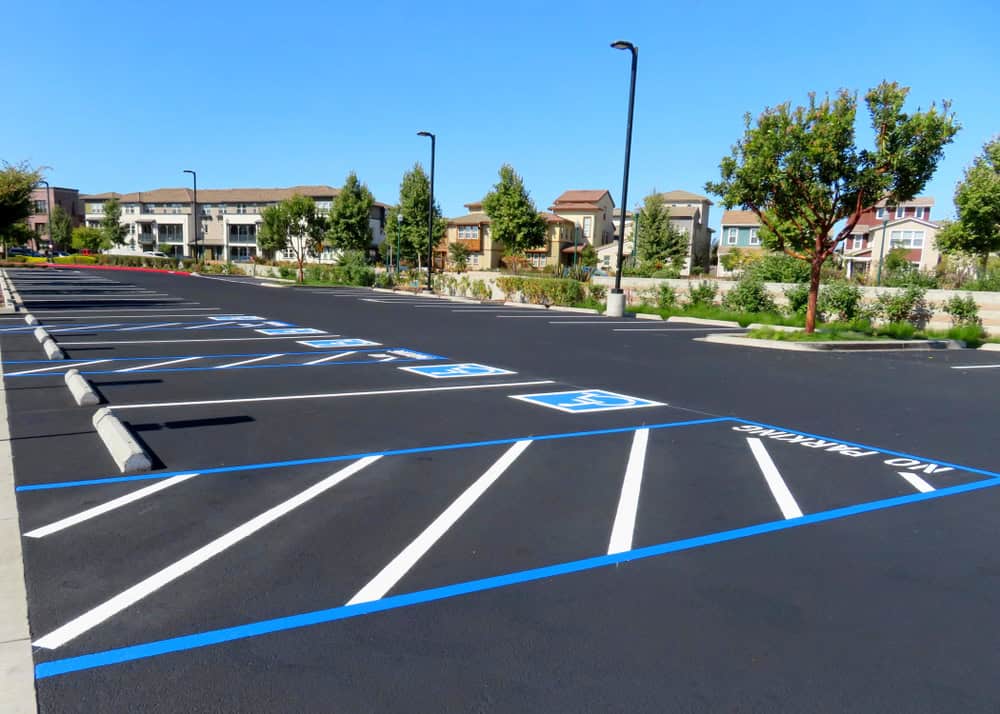
A freshly paved, empty parking lot with several marked wheelchair-accessible spaces in the foreground, lined with blue paint. Paved by experts from Paving Contractors Morris, Sussex & Somerset County, NJ. Apartment buildings and trees are seen under a clear sky.
Most commercial parking lot paving projects in Seventh Avenue take 2-5 days depending on size and complexity. Weather conditions affect timing since asphalt requires specific temperature ranges for proper installation. The process includes site preparation, base work, and asphalt placement followed by compaction. Larger lots may require staging to keep portions of your business accessible during construction. You’ll get a detailed timeline during the initial consultation that accounts for your specific project requirements and any scheduling constraints for your business operations.
Parking lot resurfacing involves placing new asphalt over existing pavement that’s structurally sound but showing surface wear. Complete replacement removes the old pavement and rebuilds from the base up. Resurfacing works when the foundation remains solid but the surface has minor cracking or wear. Replacement becomes necessary when you have severe cracking, alligator patterns, rutting, or drainage problems that indicate base failure. The wrong choice wastes money—overlaying a failed base just transfers problems to the new surface within a few years. Professional evaluation determines which approach gives you the best long-term value for your investment.
New Jersey’s freeze-thaw cycles create the biggest challenge for parking lot longevity. Water enters small cracks, freezes, expands, and makes cracks larger each winter. Proper installation prevents this cycle by achieving correct compaction density that minimizes water infiltration. The asphalt mix design also matters—binder grades must suit New Jersey’s temperature range. Preventive maintenance like crack sealing before winter protects your investment. Most properly installed parking lots in this climate last 15-20 years with appropriate maintenance, while poor installations fail within 2-3 years.
Permit requirements vary based on project scope and local regulations in Seventh Avenue, NJ. Minor resurfacing typically needs fewer permits than complete reconstruction or changes to drainage patterns. Projects affecting stormwater management, changing lot configuration, or connecting to public roads usually require additional approvals. ADA compliance updates may also trigger permit requirements. We handle permit research and applications as part of project planning. This prevents delays and ensures work meets all local codes and regulations from the start.
Commercial parking lot paving costs depend on size, current condition, base requirements, and asphalt thickness needed for your traffic load. Complete replacement typically costs more per square foot than resurfacing. Additional factors include drainage improvements, ADA compliance upgrades, and site accessibility for equipment. Projects requiring significant base repair or utility work increase overall investment. The best approach is getting a detailed evaluation that identifies exactly what your lot needs. This prevents surprise costs and ensures you’re comparing accurate proposals when making your decision.
Spring through fall provides optimal conditions for parking lot paving in New Jersey. Asphalt requires temperatures above 50 degrees for proper installation and curing. Winter months from December through March are typically off-peak due to temperature fluctuations that affect material performance. However, emergency repairs can be handled year-round when necessary. Planning projects for late spring or early fall often provides better scheduling flexibility and optimal weather conditions. This timing also allows for any needed maintenance before or after New Jersey’s harsh winter season.