Paving Contractor in Mount Freedom, NJ

Asphalt That Actually Lasts

We’re a professional paving contractor delivering durable driveways and parking lots built for New Jersey’s harsh weather conditions.

A freshly paved asphalt parking lot with orange traffic cones and signs blocking entry. A person from Paving Contractors Morris, NJ is working on the lot, with nearby buildings and parked cars under a blue sky in Sussex & Somerset County.

Hear from Our Customers

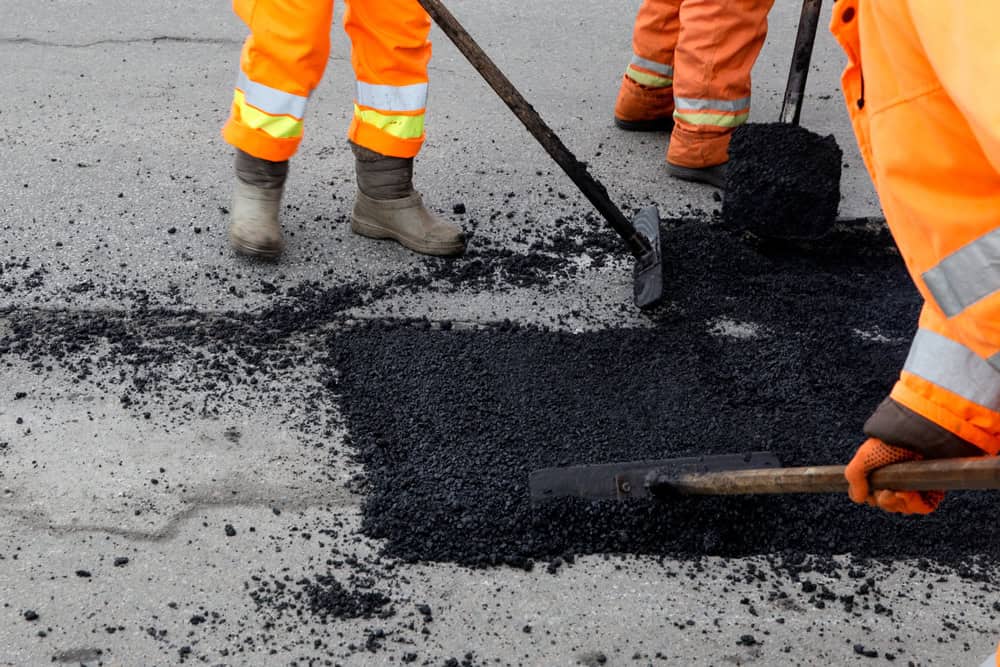
Three workers in orange reflective clothing and boots from Paving Contractors Morris are spreading and leveling fresh asphalt on a road surface using shovels and rakes. The focus is on their legs and the tools in Sussex & Somerset County, NJ.

Professional Asphalt Paving Services

What You Get With Professional Paving

Your property deserves asphalt that can handle what New Jersey throws at it. Freeze-thaw cycles, heavy rains, and temperature swings that crack inferior work won’t phase properly installed pavement.

You get a smooth, professional surface that enhances your property’s appearance and value. No more embarrassing potholes or cracked sections that make your home or business look neglected.

Proper drainage keeps water moving away from your foundation instead of pooling and creating ice hazards. You’re investing in years of reliable performance, not just a quick fix that fails when you need it most.

Licensed Mount Freedom Paving Company

Local Contractor, Proven Results

Platinum Paving has been serving Mount Freedom and surrounding areas with professional asphalt paving services. We understand local soil conditions, drainage requirements, and weather challenges that affect pavement longevity.

As a licensed paving contractor in New Jersey, we carry proper insurance and follow state regulations for safe, compliant installations. Our team has completed hundreds of residential driveways and commercial parking lots throughout the region.

Local reputation matters when you’re investing in your property. You can verify our work by driving through neighborhoods where we’ve completed projects that still look great years later.
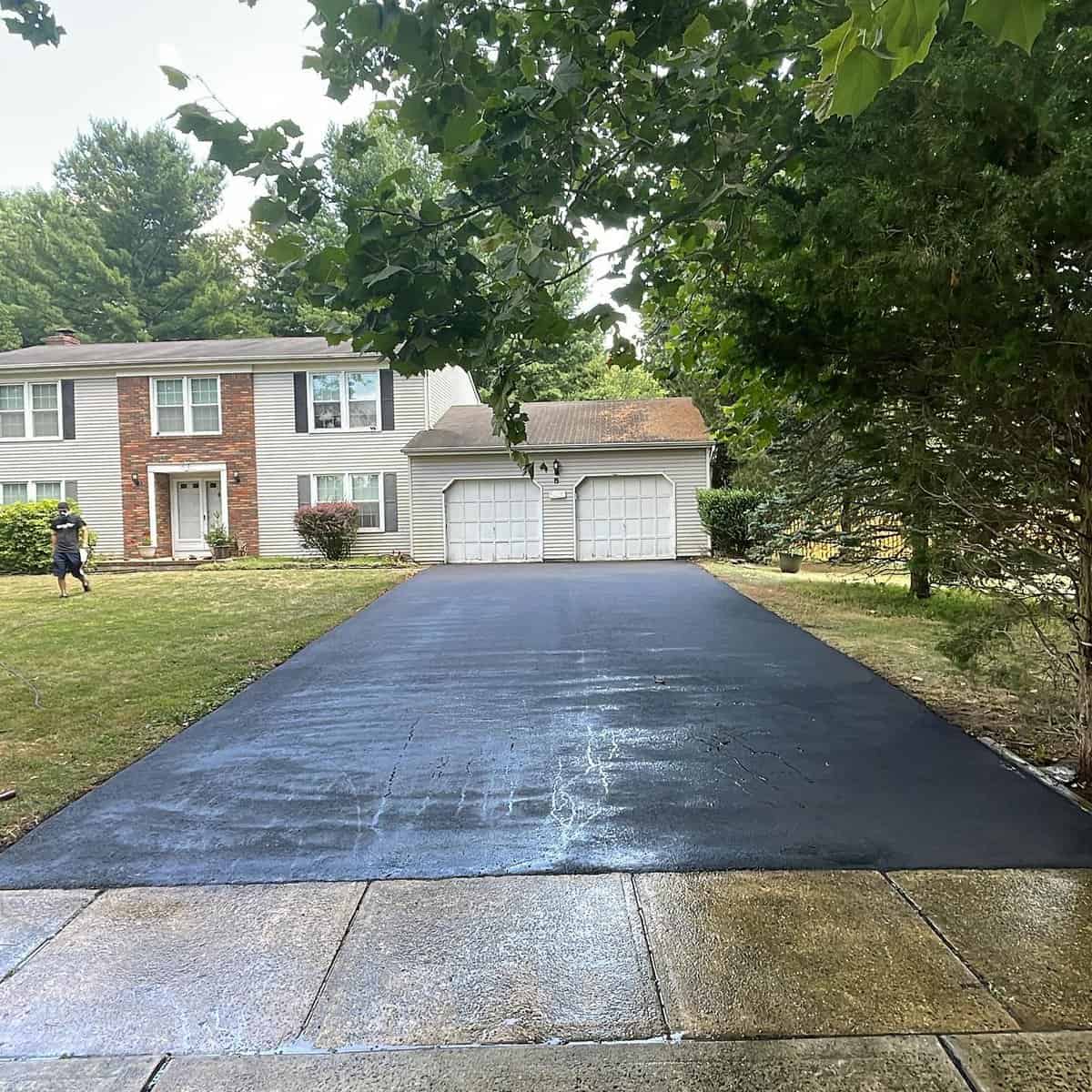
A freshly paved black asphalt driveway by Paving Contractors Morris, NJ, leads to a two-car garage attached to a light-colored suburban house with brick accents, surrounded by grass, trees, and wet pavement in the foreground.

Driveway Paving Process

How Professional Paving Actually Works

The process starts with proper excavation and grading to ensure water flows away from your property. This foundation work determines whether your pavement lasts decades or fails within a few years.

Base preparation involves installing and compacting the right materials for your soil conditions. Mount Freedom’s clay-heavy soils require specific techniques to prevent settling and cracking that plague amateur installations.

Hot asphalt application happens quickly once the base is ready. We spread, grade, and compact the material while it’s at optimal temperature for maximum density and durability.

Final compaction and edge work complete the installation. You’ll have a smooth, properly sloped surface that’s ready for traffic and built to handle New Jersey’s weather extremes.

A new asphalt driveway in NJ is being compacted by an orange roller in front of a large, two-story house with light siding and a two-car garage, surrounded by trees. Paving Contractors Morris serve Sussex & Somerset County.

Ready to get started?

Explore More Services

About Platinum Paving

Get a Free Consultation

Residential and Commercial Paving

Complete Paving Services for Every Property

Our residential driveway paving includes everything from small single-car driveways to large multi-vehicle installations. We handle excavation, base preparation, proper drainage, and final paving with attention to your property’s specific needs.

Commercial paving covers parking lots, access roads, and loading areas that need to handle heavy traffic and frequent use. These projects require different specifications and materials to meet commercial durability standards.

Both residential and commercial projects include proper edge work, drainage solutions, and grading that prevents water problems. You’re getting a complete installation, not just asphalt dumped on unprepared ground like some contractors provide.

A small orange skid steer loader dumps material into a blue dump truck on a residential street, while a worker stands on top. Paving Contractors Morris, NJ, Sussex & Somerset County complete the job amid trees and houses in the background.
A properly installed asphalt driveway typically lasts 15-20 years in New Jersey’s climate when maintained correctly. The key factors are proper base preparation, adequate thickness for your soil conditions, and regular seal coating every 3-4 years. Driveways that fail early usually have foundation problems from inadequate excavation or poor drainage. Mount Freedom’s soil conditions require specific base materials and compaction techniques to achieve maximum lifespan. Climate factors like freeze-thaw cycles will eventually affect any pavement, but professional installation significantly extends the time before major repairs become necessary.
Asphalt and blacktop are essentially the same material – a mixture of aggregate stones and bitumen binder. The terms are often used interchangeably in the paving industry. Some contractors use “blacktop” to refer to residential applications and “asphalt” for commercial work, but the base material is identical. What matters more is the quality of installation, proper base preparation, and using the right thickness for your specific application. Residential driveways typically use a finer aggregate mix than commercial parking lots, but both provide excellent durability when installed correctly by experienced paving contractors.
Driveway paving costs vary based on size, excavation requirements, and site conditions, but most residential projects range from $3-7 per square foot for complete installation. Factors affecting price include the amount of excavation needed, drainage requirements, and accessibility for equipment. Simple overlay projects cost less than full-depth installations, but may not address underlying problems. Getting multiple detailed estimates helps you compare what’s actually included in each proposal. Beware of unusually low bids that often indicate corners being cut on base preparation or material quality – these shortcuts lead to expensive repairs within a few years.
Late spring through early fall provides optimal conditions for asphalt paving in New Jersey. Hot asphalt needs warm ambient temperatures for proper compaction and curing. Most contractors schedule major projects between April and October when weather conditions are most predictable. Summer months offer the best results, but scheduling can be challenging due to high demand. Early fall is often ideal because temperatures are still warm but contractors have more availability. Winter paving is possible but not recommended except for emergency repairs, as cold temperatures affect material performance and curing time significantly.
Most driveway paving projects in Mount Freedom don’t require permits if you’re replacing existing pavement within the same footprint. However, expanding your driveway, changing drainage patterns, or connecting to public roads may require township approval. New construction or significant modifications often need permits to ensure proper setbacks and drainage compliance. Your paving contractor should be familiar with local requirements and can advise whether permits are necessary for your specific project. It’s always better to check with Mount Freedom’s building department before starting work to avoid potential complications or violations that could delay your project.
Proper maintenance starts with keeping your driveway clean and addressing small cracks promptly before they expand. Seal coating every 3-4 years protects the surface from weather damage and extends pavement life significantly. Avoid using rock salt in winter – sand or calcium chloride are gentler alternatives that won’t damage asphalt. Don’t allow heavy vehicles or equipment to park on new pavement for at least 30 days while it fully cures. Regular inspection for drainage issues or edge deterioration helps catch problems early when repairs are simple and inexpensive rather than waiting until major reconstruction becomes necessary.